Archives: Travel Post

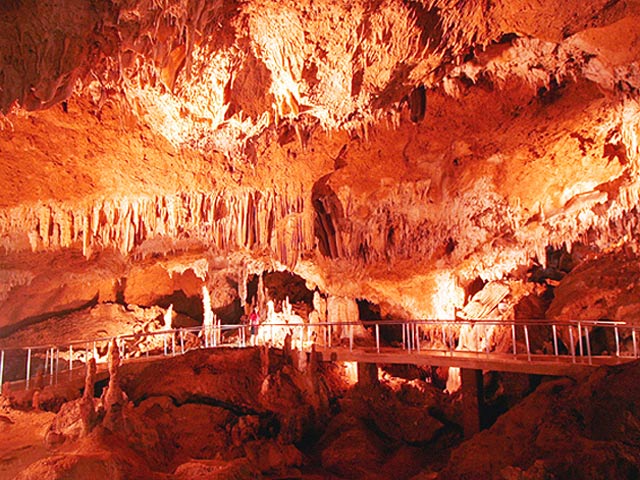
Ishigaki Island cave

The tourist cave in the southernmost part of Japan shows a beautiful and mysterious glow colored with countless stalactites. There are many places to see, there is also a healing sound, Suikoto cave and Jongyo Cave. There is also a restaurant in the facility, and you can also taste rural cuisine that makes use of the ingredients of Ishigaki Island.

Mt.

From the round road, enter the "Nosotome Forest Road" and reach the summit in a 15-minute walk from the entrance of the mountain trail. From the peak at an altitude of 282m, you can enjoy a 360-degree panorama. As you climb a steep slope, athletic shoes are better at your feet.

Hiraku Hozaki

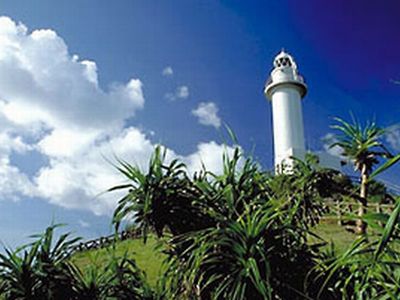
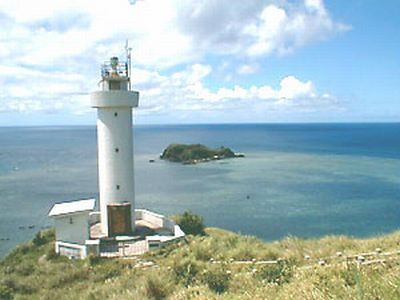
A cape located at the northernmost point of Ishigaki Island. The area is hilly with loose curves, and depending on the season, the sight of a leisurely grassy cow is an idyllic landscape. A white lighthouse stands at the tip of the cape, and on September 26, 2016, it was recognized as "Koisuru Lighthouse" by the Japan Romanticist Association and is visited by many tourists.

Kannonzaki

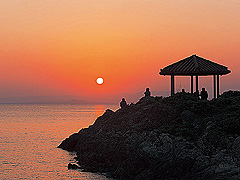
It is located on the west side of the island, and the weather allows you to see Taketomi Island, Iriomote Island, and Obama Island. It is also known as one of the premier sunset spots on the island, and the red-colored sea fields invite a quiet touch in the evening. It is also close to the city, so there are many tourists visiting.

Mikanzaki

A cape at the western end of Ishigaki Island. After passing through the cattle grazing area, you reach Mikanzaki, where the waves break wild on the cliffs. A white lighthouse stands at the tip and the surrounding area is full of white lilies in early spring. It is also known as the point where beautiful sunsets can be seen.

Furusato Seaside Park

On the north side of the island, the closest swimming beach to the settlement. Wanting the island of Mizushima [Minajima] in front of you, the sheer white sand and the shining sea of emerald green spread out. The waves are calm in the shallow sea. You can enjoy snorkel and sea bathing. There is a shower and toilet in the park. There is also an azuma shop. When it comes to holidays, the appearance of parents and children enjoying swimming in the sea is seen.

Uppo

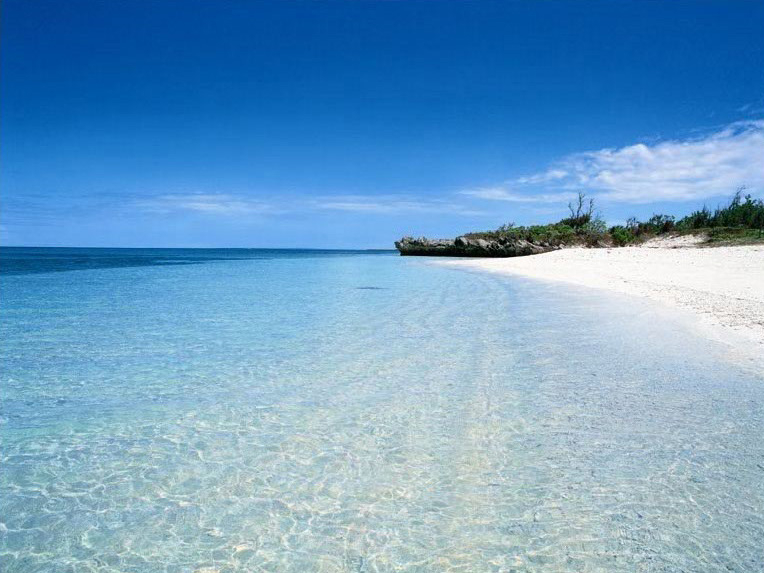
There are many local families in the shallow waters where fine sand runs to the coast, with a snow-white sandy beach extending for about 1km. They are not equipped with toilets or showers but can be laid back.

Tarara Village Hometown Folk Learning Hall

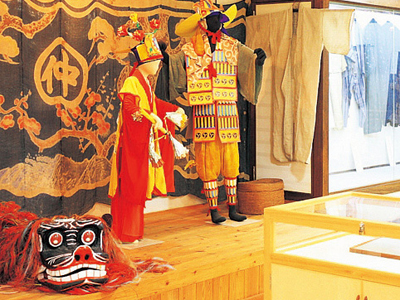
Local Museum of Art with an exhibition of folk materials transmitted to the island. With the clothes, food, and residence of the island as pillars, agricultural tools, fishing equipment, funerals, and rituals are displayed, and you can see how they lived for a long time. Exhibits of ritual tools used for the Feng Nen Festival, which is held every year in August of the lunar calendar, and the costumes and lion heads of the August Dance (Important Intangible Folk Cultural Property), which is held on August 8 of the lunar calendar, as well as the sutupunaka of events representing faith in God since ancient times are of high historical value.

Yaeyama Tahimidai

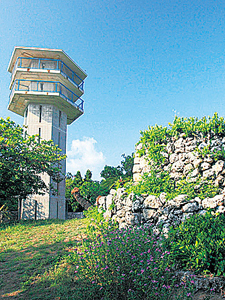
A masonry long-sighting stand in a position with a view of the Yaesan Islands. The age of the building is unknown, but it is said to have been built for ships that come to collect the poll tax [nintozei] and other items around the 17th century during the Ryukyu dynasty, as well as to keep an eye on foreign enemies. Nearby is the 18m high Yaeyama Enmyo Observatory, which has been erected in recent years, and a 360-degree panorama can be enjoyed from the top. The surrounding area is maintained as a natural park, and hundreds of dozens of kinds of plants are planted.

Upmaker

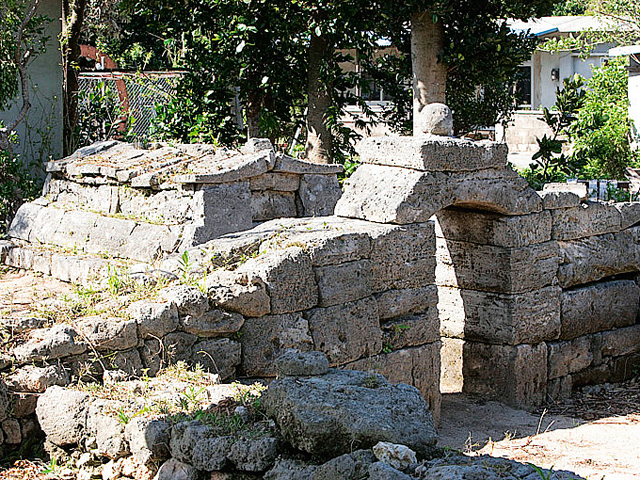
About 100m east of the entrance of the Tarama Shrine, the tomb of Toyōtara Toyōshungen (Untabaruto Yumi Yushungen). It is a masonry tomb surrounded by a stone wall with an arch gate, and its shape resembles a funeral tool called, which carries the dead at the time of the Nobe-sendō in Okinawa. The grave monument on the west side is marked by a seventh generation descendant, "Chun Yu", honoring the feats of Toyomi Tsuchihara and grooming the surrounding area. Construction was in the early 18th century. It is believed that it was made by the hands of a maritime man who was exiled to this island.

Contact Us: Business & Personal Inquiries

By proceeding, you agree to our Terms of Use And confirm you have read our Privacy Policy .

Notes

· We are available for inquiries 24 hours a day. Responses will be provided between 9:00 and 18:00 (including weekends, public holidays, and year-end/New Year holidays).
· Depending on the nature of your inquiry, it may take some time for us to respond.

RURUBU & ALL WAY JAPAN
Privacy Overview

This website uses cookies so that we can provide you with the best user experience possible. Cookie information is stored in your browser and performs functions such as recognising you when you return to our website and helping our team to understand which sections of the website you find most interesting and useful.