Archives: Travel Post

Yanagawa Tourism Development Yanagawa Descend
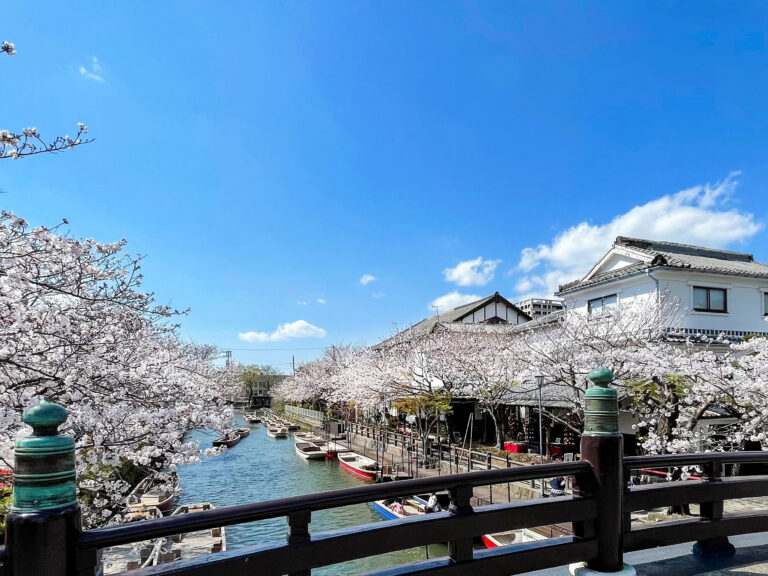
Spring in Yanagawa, where "Sagemon" dyes the city pink, begins with "Sagemon Meguri (Yanagawa Hinamatsuri)". With the plum, peach and cherry blossoms in bloom, GW also has the Suitengu Festival. In early summer, "Iris", which is also the city flower of Yanagawa, is seen, and during the summer and late summer, a romantic "night river descent" is performed. Autumn changes from willow green to maple red, and you can enjoy the refreshing wind and the view of autumn leaves. In winter, the "Kotatsu Ship" is operated in winter only. A table and a futon are placed on the ship, and the feet are warmed by a brazier with charcoal. Bring in oranges and sweet sake and enjoy it.
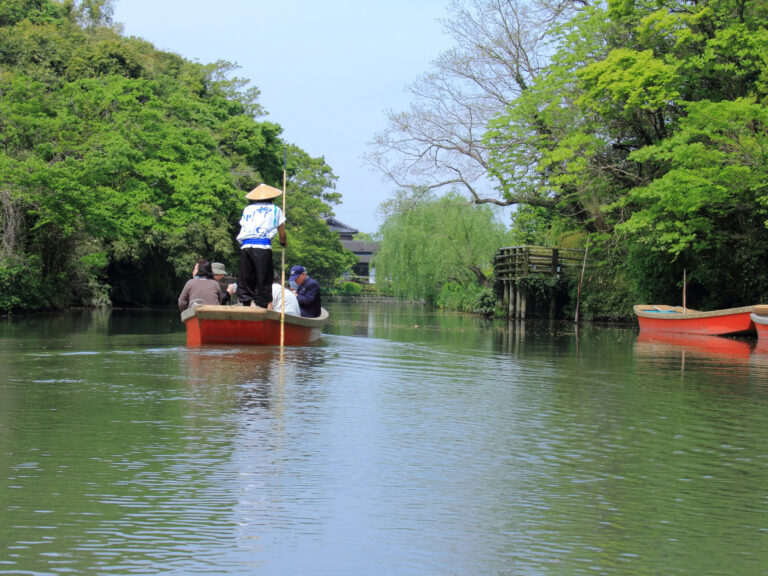
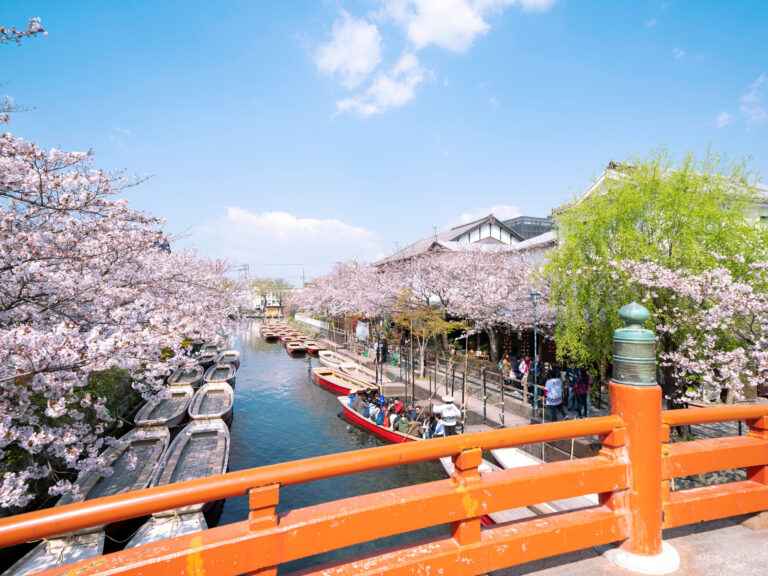
A tour of the Yanagawa moat

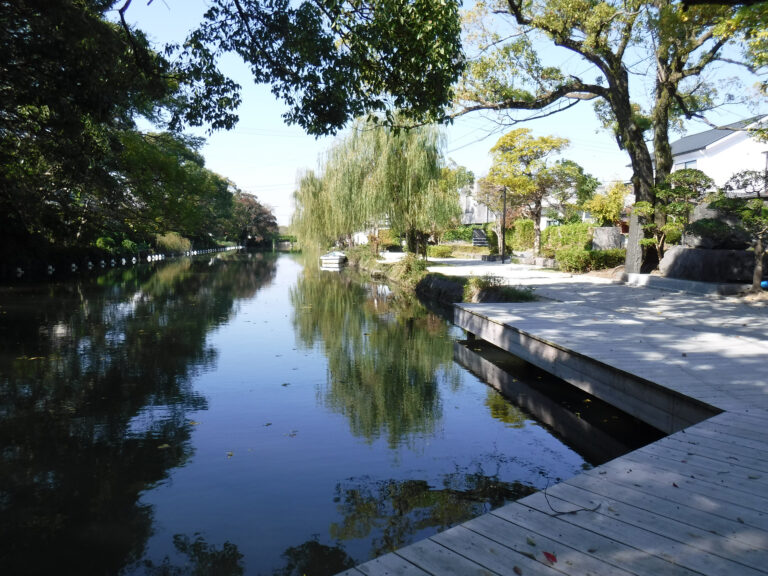
Suigo and Yanagawa, where the digging of Yanagawa Castle still runs across the city. Immerse yourself in the charm of the moat on a donko boat. While listening to the songs and explanations of the boatmen in the form of Happi each season, you can fully enjoy Suigo travel by visiting the moat through the sluices and bridges. There are four stations near the Sanshū Shrine. Place Summary One hour.

Yanagawa Tourism Development Co., Ltd. Matsuzuki Boarding Ground

There is an information desk and a shelter at Nishitetsu Yanagawa Station. There is also a discount ticket in collaboration with Nishitetsu Electric Railway. There is also a transfer from the disembarkation area. A ride boat adult (12 years old and older) 1650 yen and a dwarf (6 to 11 years old) 830 yen.

Yanagawa General Health and Welfare Center Water Go Yanagawa Onsen "Nanfaze"

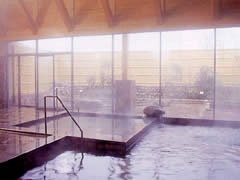
"Yanagawa General Health and Welfare Center Mizunogo" is a public facility with a wide variety of spaces, including the Mizunogo Hall, as well as a training room, a creative workshop, and a tea room. On its first floor is the "Nanfaze" of the day-trip hot spring facility. Otoyu "Tonkajon" and Meiyu "Gon-Shan" are weekly shifts. The bathhouse, which draws the colorless and transparent Yanagawa Onsen, has an inner bath with a sauna and an open-air bath outside it, so you can enjoy a leisurely bath. Two families for children and persons with disabilities are booked in advance.

Kitahara Hakushu, Memorial Hall

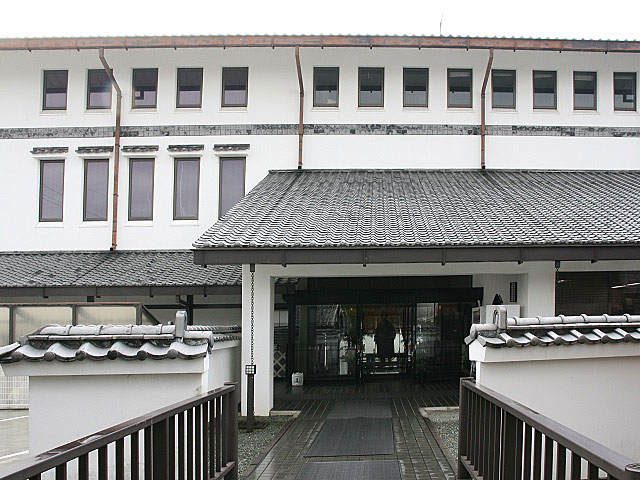
Hakushu Kitahara (1885-1942), a poet from Yanagawa who is known for his poetry works such as "Rakamatsu" and the children's song "Konodo". In his birthplace, which has been restored to the Boyhood of Hakushu, which has also become a designated historic site in Fukuoka Prefecture, the main house displays the remains of Hakushu, the first edition of the book, and materials telling about Yanagawa's life. The adjacent Hakushu Memorial Hall showcases Yanagawa's history, folk and traditional crafts, as well as screenings of Hakushu's life and achievements and Yanagawa's festival on a three-sided multi-video system. Take 30 minutes. Pets can be put in a case where the whole body enters.

Yanagawa feudal lord Tachibana residence flower

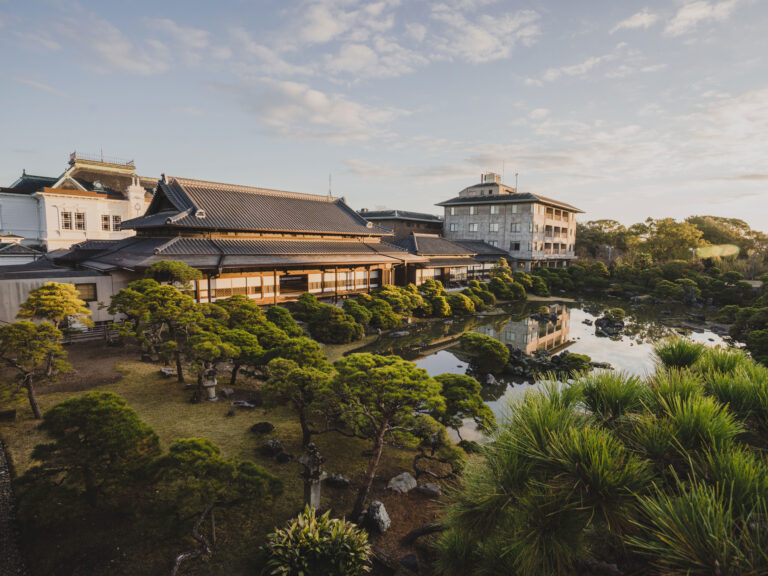
The Yanagawa feudal lord Tachibana family has a 300-year history of national designated Meishatsu. It begins with the relocation of a part of Yanagawa Castle to this area during the Edo period. At present, a 100-tatami large hall with views of a Japanese garden consisting of 280 pine and garden stones built in the Meiji period, and the country's only extant home affairs bureau are left as they were at that time. In addition, the Tachibana Family Historical Museum, which displays about 5,000 Daimyō tools, a restaurant that used the living room where the lord and his family once spent, an inn and a souvenir shop where you can enjoy the flow of time slowly while looking at the garden, it is also used as a bridal venue.

Waterwalk

About 2.7km of promenade maintained along the cut. It is also a pleasure of traveling unique to Yanagawa to go around the literary monuments and monuments scattered around. The walking path in Uchibori, which was also selected for Japan's dohyakenie, begins with a song monument by Miyagi Hiiragi, who was a disciple of Hakushu. Near Hiyoshi Shrine, there is an eel offering monument dedicated to the specialty eel, a monument to a poet from the local area, Kimura, and a monument to Kono Shizunun, who was also a poet of the Hototogisu school. Ken Hase's literary monument is unique in the shape of tofu.

Matsuzuki Buninkan

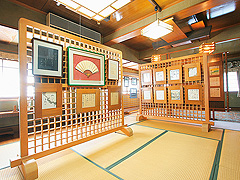
It was built at the end of the Meiji era as a restaurant, "Kaigetsu-ro", and was later renovated from a building that changed its name to "Matsuzuki". It was a salon-like place for some of the literary people of Yukari Yanagawa, including Hakushu Kitahara, Osamu Kimata, Utaro Noda, and Toshio Harada. At present, colored paper and photographs left by them are on display, conveying the atmosphere of the time.

Three Pillars Shrine

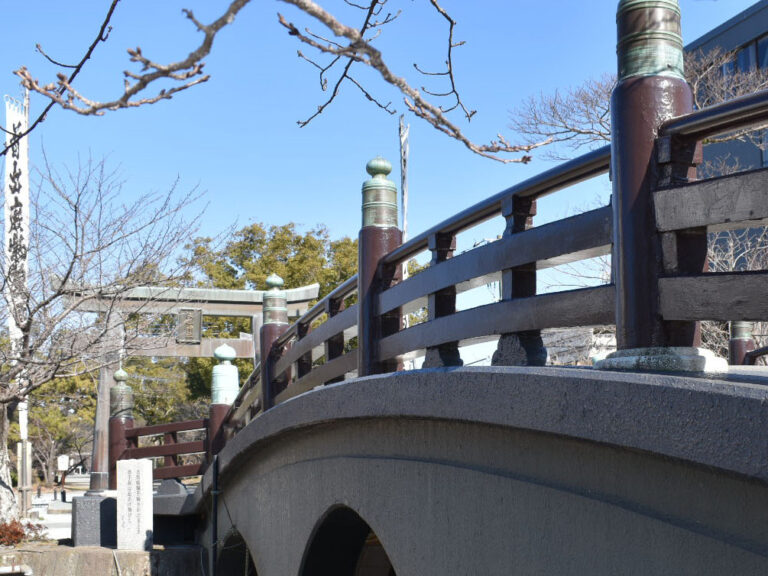
Sojian was born in Bunsei 9 (1826). A shrine dedicated to the three gods of the first Tachibana feudal lord, Muneyoshi Tachibana and his wife, Gin Chiyohime, and his father, Toji Michiyuki [Becki Dosetsu]. It is also a national designated winner. Various outdoor events are held in Takahata Park, which is maintained in a corner of a sanctuary with a site of about 20,000 tsubo. The Autumn Festival (also known as Onigie) is held for the first three days of October every year, and the "Doro-Tsukudon", which is designated as the prefecture's intangible folk cultural property, is dedicated. It is a famous spot for cherry blossoms, and many worshipers visit it in spring.

Fukugon Temple

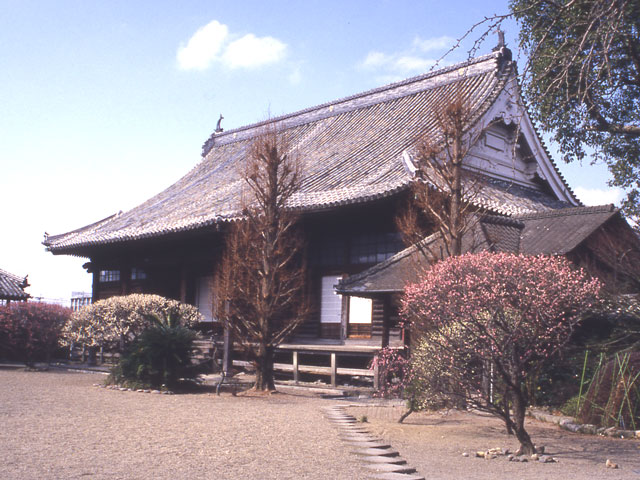
It is the Tachibana family's bodhi-ji temple, which is the predecessor of Umegaku-ji Temple at the foot of Chikuzen Tachibana Castle. In 1587, he was moved to Yanagawa. Kanbun 9 (1669) The third-generation feudal lord of Yanagawa Domain, Tachibana Kanatora, took the temple from the old temple of the Sōtō sect to the Rinzai sect Obaku sect, and the temple name was also changed to the name of the temple as Meitoyama Fukugon-ji. Behind the main hall, there is the Goreya [Otamaya], a grave place of successive lords, and in front of the main hall stands the Banto and Rokujizo, which were moved from the Yanagawa Castle site. There are graves of writers Ken Hase and Kazuo Dan, but there is no other example in rural areas where Akutagawa and Naoki writers stand in the same cemetery.

Contact Us: Business & Personal Inquiries

By proceeding, you agree to our Terms of Use And confirm you have read our Privacy Policy .

Notes

· We are available for inquiries 24 hours a day. Responses will be provided between 9:00 and 18:00 (including weekends, public holidays, and year-end/New Year holidays).
· Depending on the nature of your inquiry, it may take some time for us to respond.

RURUBU & ALL WAY JAPAN
Privacy Overview

This website uses cookies so that we can provide you with the best user experience possible. Cookie information is stored in your browser and performs functions such as recognising you when you return to our website and helping our team to understand which sections of the website you find most interesting and useful.