Archives: Travel Post

Longyuan-in

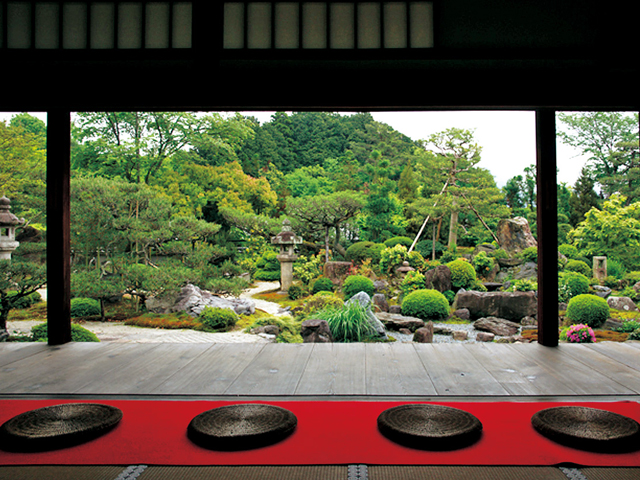
One of the towers of Daitokuji-ji, the Daitokuji Temple of the Rinzai sect. The omonto and the main hall (), both designated as national important cultural treasures, are the oldest of Daitokuji's architecture. Surrounded by four different gardens on all sides. To the north of Hōjō, there is the Ryugintei of the Karesansui, to the south, the garden of the beautiful moss-like Ichishidan, and to the east, the Pingyō, which is called Tōtekiko.
Myomanji Temple

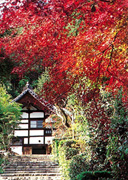
The main temple of the Hoha sect of the Hoha sect. In the first year of Kangyo (1389), Nichishijō-jin [Nichijō-shon-nin] was founded in Rokujō-bomon Muromachi (Ima no Karakumaru Gojō). It was located in Nijo, Teramachi for a long time, but moved to its current location in 1968. In the precincts, there is a large stupa that mimics the large pagoda of India's Butagaya, and you can enjoy the colors of the four seasons, such as cherry blossoms and azaleas, as well as autumn leaves. In the exhibition room, the bells of Dojoji, known for the traditions of Anjin and Kiyohime, are laid. Honbo's "snow garden" is known as Haikou's father, Sadatosaku Matsunaga.

Myoenji (Matsugasaki Daikokuten)

It is located at the foot of Higashiyama, where the word "law" is drawn out of the fire of Gozan, the summer style poem of Kyoto, and celebrates Daikokuten, one of the seven gods of the city. The faith of the common people who wish for the invitation of fortune and the safety of their homes, etc., is abuzz, and the Koshi Festival, once every 60 days, and the monthly festival on the 1.15th of each month, is buzzing.

Daisen-in

One of the towers of Daitoku-ji. The garden of the Karesansui (National Designated Historic Site, Special Meishatsu) surrounding the national treasure, the hokujō (Hondo), is a stunning expression of the flow of water from Mount Horaiyama to the ocean, expressed in stones and gravel. Shuyunbu of the Shōin Temple is a National Designated Important Cultural Property. The Hōjōnai is decorated with the Kanō Motōshin brush and the Hanatori-zu (National Designated Important Cultural Property) and other fume paintings. You can also enjoy zazen experiences and matcha (with confectionery) 300 yen.

Ruijin-in

One of the towers of Daitokuji-ji, the Daitokuji Temple of the Rinzai sect. It was founded in the astronomical fourth year (1535) of the Christian daimyō Sorin Otomo. The memon (important cultural property) and the main hall (important cultural property) are the remains of the early days of the founding. A cross is represented by seven stones in the way of lying across the garden of Karesansui.

Classy Lotus Temple

One of the best ancient temples in Kyoto. It stands at the foot of Funakayama and is followed by a long Tsukiji fence facing Senbon-dori. After being burned by the Onin Rebellion, the temple prospered as a great temple with 12 koin temples in the Edo period under the rebursaries of Toyotomi Hideyoshi and others. Currently only leaves three houses. The Tenpō period painting causal sutra (national treasure) is Kyoto's oldest picture scrolls (being deposited at the Kyoto National Museum). There is a tomb of Sadacho, a representative Buddhist master of the Fujiwara period, in the precinct. On the west side of the temple is Toribeno [Toribeno] in the east, and Hasudaino [Rendai no], which was considered to be the place of burial in the west along with Kano [Adashino] in the west. When visiting, take good manners and worship.

Shoden Temple

It is located at the foot of Funayama, where one of the five fires is located. The main temple, Hōjō (Important Cultural Property), which was founded during the Kamakura period and is a well-built part of Fushimi Castle, includes the Kanno Sanraku Nōe (Important Cultural Property), as well as the blood-ceiling corridor. The garden is stunning, with Mount Hiei as a borrowed view.

Josho-ji Temple (Yoshino Tayu Bodaisho)

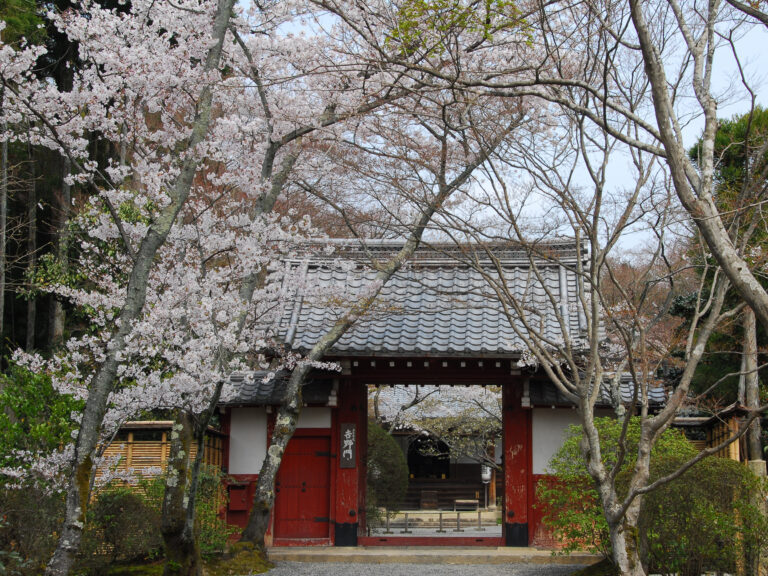
In Genwa 2 (1616), it was founded by Nichiken Jōjin [Nichiken Shōnin] of the Nichiren sect at the launch of Honami Koetsu. It flourished as Falchibong Danlin, where hundreds of school monks learned. It is also known as a temple related to the famous giko Yoshino Tayu in the early Edo period. The Yoshino Tayu was a gōko who excelled in Morōge, and the Yamamon, known as the "Yoshino Gate", was the one that was prodded by the Tayu. On the grounds, there are Yoshino cherry blossoms planted in memory of Tayu and Tayu's tomb, and there is a Hiyutozuka with Tayu's husband, Hoya Shaoyasu. There are about 120 cherry blossoms and about 200 to 300 autumn leaves, and it is also famous as a flower temple where various flowers bloom throughout the four seasons.

Shimogamo Shrine

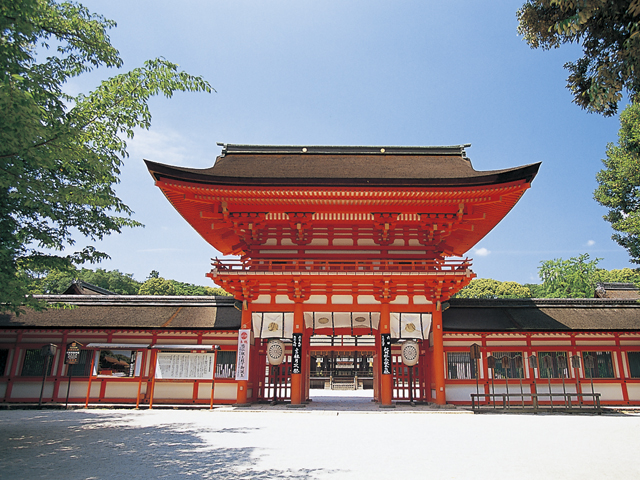
It is one of the oldest shrines in Kyoto and is officially called Kamo-Oya Shrine. It was the shrine shrine of the ancient royal family Kamo, collectively known as Kamo-sha together with Kamigamo Shrine. The main shrine (national treasure) was rebuilt in 1863. It consists of two buildings: the Nishidōen, which enshrines Kenkaku-no-mikōto, and the Higashikōen, which enshrines Tamayori-no-mikōto. The other buildings are designated as national important cultural treasures, and the precincts are designated as historical sites. The Aoi Festival of the Three Great Festivals of Kyoto, which will be held on May 15, is a festival of the Shimogama and Kamigamo shrines, and is also known for its elegant events like Kyoto, such as the beginning of Kemari on January 4.

Genkou-an

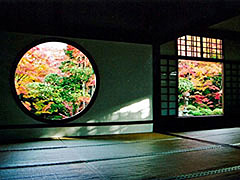
Kaeso was the master of Toruo Kokushi of the Rinzai sect Daitokuji Temple. In the year of Genroku 7 (1694), he was brought to the residence by the Sōtōsama Zen master and converted to the Sōtōsaku sect. In the main hall, there are the remains of Fushimi-Momoyama Castle, which now conveys the battle of Fushimi Castle, called the "Blood Ceiling", and the "window of enlightenment" and "window of stray", giving a view of a garden with a view of Kitayama. It enshrines the Reishiba Kanseitonbodhisattva in the main hall. Parking is prohibited during autumn foliage. We need an inquiry regarding parking.

Contact Us: Business & Personal Inquiries

By proceeding, you agree to our Terms of Use And confirm you have read our Privacy Policy .

Notes

· We are available for inquiries 24 hours a day. Responses will be provided between 9:00 and 18:00 (including weekends, public holidays, and year-end/New Year holidays).
· Depending on the nature of your inquiry, it may take some time for us to respond.

RURUBU & ALL WAY JAPAN
Privacy Overview

This website uses cookies so that we can provide you with the best user experience possible. Cookie information is stored in your browser and performs functions such as recognising you when you return to our website and helping our team to understand which sections of the website you find most interesting and useful.