Archives: Travel Post

Jianshun Shrine

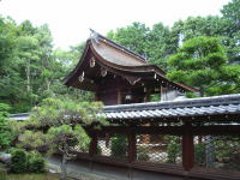
A shrine founded by Emperor Meiji in honor of Oda Nobunaga's great honor. The Funaoka Festival will be held on October 19, when Nobunaga was in for the first time. It is located at the top of a small hill that overlooks the stunning view of the city of Kyoto and the Thirty-Six Peaks of Higashiyama. Exactly nestled. There are important cultural treasures such as the girth foot for the Nobunaga Park, the Nobunaga Kōki, and the blade sword with the left-hand character of the Yimoto.
Wolded hermitage

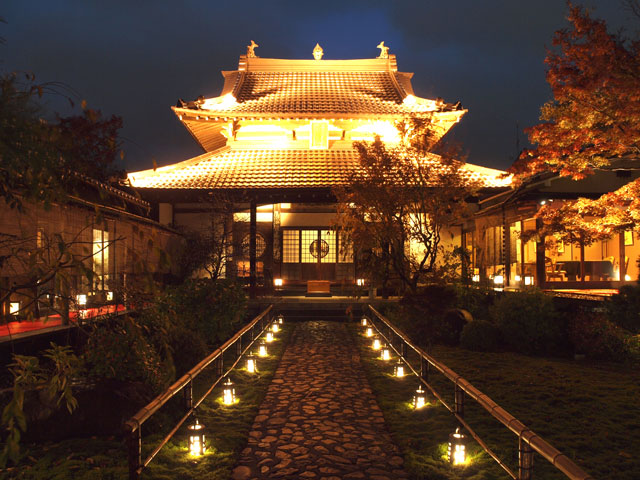
A temple of the Obakuzen sect, which was named after the Emperor Go-Mizuo and was known as the Imperial Imperial Court, "Kōkōan". It enshrines the shrine of the shrine, which was located in the back of the ship. This deity is said to have been opened by the yin-yang priest, Haruaki Abe, and is considered to be the spirit god of exosion and exosion. From each private room, you can view the gardens of the four seasons, and you can taste the "Pucha cuisine", a fine dish of the Obaku sect. At night, the main hall and gardens are lit up, and the space with silence and shading is very fantastic. Reservations required from 2 people at table seats. Daytime course 6500 yen, night course 10,000 yen ~. 500 yen for viewing and 700 yen for matcha (with Kyoto confectionery).

Kamodo Raijin Shrine (Kamigamo Shrine)

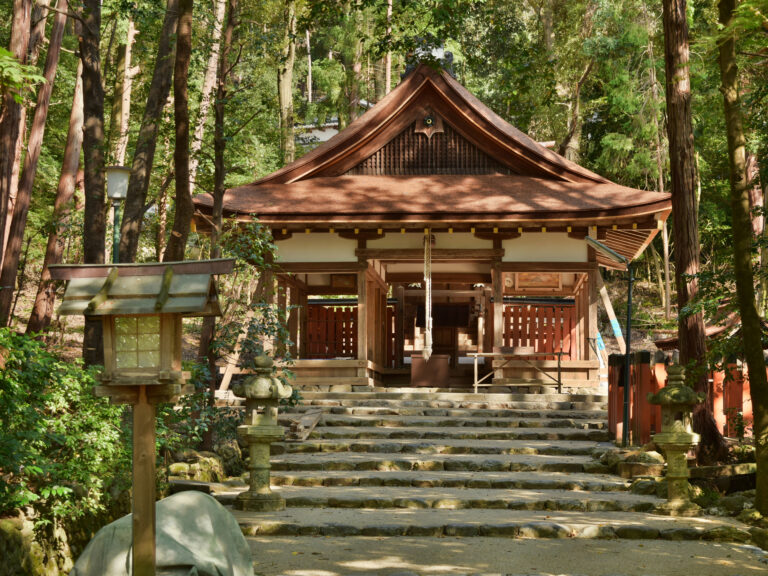
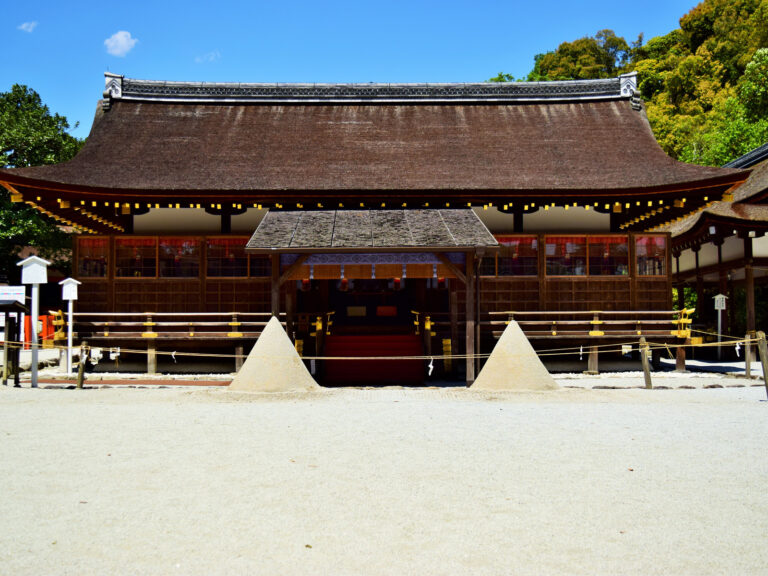
The oldest company in Kyoto known for "Aoi Matsuri", one of the three major festivals in Kyoto. Approximately 2600 years ago, it began to enshrine the Kamo-to-Raiaishigami, who had descended in Shōfeng-Kamiyama, located behind the main shrine. The Kamo Shrine was built by Yamasukuni in the 6th year of Emperor Tenmu (677), and the foundation of the shrine, which has hardly been transformed to the present day, was laid. As the god of the Imperial Palace, Heianjing was placed at the head of the Kanzō Taisha Shrine, second only to the Shrine of Ise, among shrines throughout the country. The entire 230,000-pyeong precinct is a world cultural heritage site. The main hall and the main hall are national treasures, and 41 other buildings are nationally designated important cultural objects.

Ōta Shrine

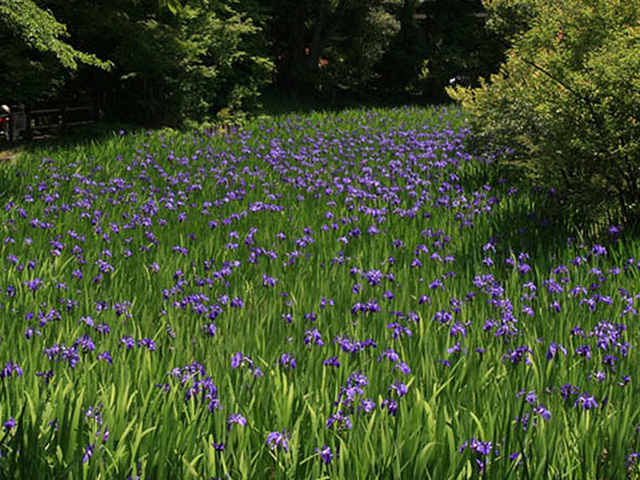
The old shrine, which was also known as "Onta-sha" in ancient times, is a bairai sekisha of Kamigamo Shrine. It is located in the east of Kamigamo Shrine, about half a mile away, and its faith is thick as a god of performing arts and longevity, only to see the Tengen Female Life [Ame no Uzume no Mikoto], which appears in Japanese mythology. The quaint one-makusha style main shrine with a cypress-skinned roof, and the shrine, also with a cypress-skinned roof, were in the early Edo period. "Ōta Shrine Miko Kagura" is a Kyoto city-registered intangible folk culture. It is known as a famous spot for the oyster, which is designated as a natural monument of the country, and the beauty of the dark purple oyster flower that grows in a pond called "Ōta no Sawa" on the side of the sando road was so chanted by the songs of the Heian era poet Toshinari Fujiwara.

Euntong Temple

It is famous for its stunning garden of Karesansui (Meishatsu), which features a borrowed view of Mount Hiei. It was converted into a temple in 1678 (1678) by Hataeda Goten of Emperor Go Mizuo, and the main temple and garden are the former "Shimo-Ochaya". A few 40 stones are cleverly arranged in the moss-lined garden, with a view of Mount Hiei, a sacred peak beyond a low hedge.

The oyster at Ota Shrine

Ōta Shrine, a bordering shrine located about 800m east of Kamigamo Shrine, has a strong faith as a god of performing arts and longevity. On the east side of its approach, the pond, which has long been called "Ōta no Sawa", is home to wild oysters, which have been designated as a national natural monument as "Ota no Sawa's oyster community". The appearance of about 25,000 glazed dark purple flowers all over the surface is stunning, so much so that Toshinari Fujiwara, known as a poet of the Heian period, is chanting, "The only one of the kamizan and Ōda-no-Sawa's kakitsubatsu-fukita is a color-watari." it is early May.

The forest

There is a confluence of the Kamo River and the Kōno River to the northeast of the Imperial Palace. The area between these two rivers has long been called the forest of the forest, or the forest of the river, and during the Heian period it was known as the land of the gesai. The vast forest from Kawai Shrine to Shimogamo Shrine has an area of about 120,000 sq m. The clear stream of Izumikawa flows through the trees, telling the remnants of the ancient forest.

Ship Okayama

A scenic spot that overlooks the urban area of Kyung, especially the area of Saiken. It is a gentle hill 200m east-west and 100m north-south, and its beauty has been loved by the people of Kyo since the Heian period. Seishōen also praises "Oka wa Funaoka". During the Onin Rebellion, the western army, Sōzen Yamana, built a fort, which also became the site of battle. At present, the promenade extends, and it is a place of relaxation for Kyoto citizens as Funakayama Park.

Kita-Shirakawa Natural Radium Hot Springs

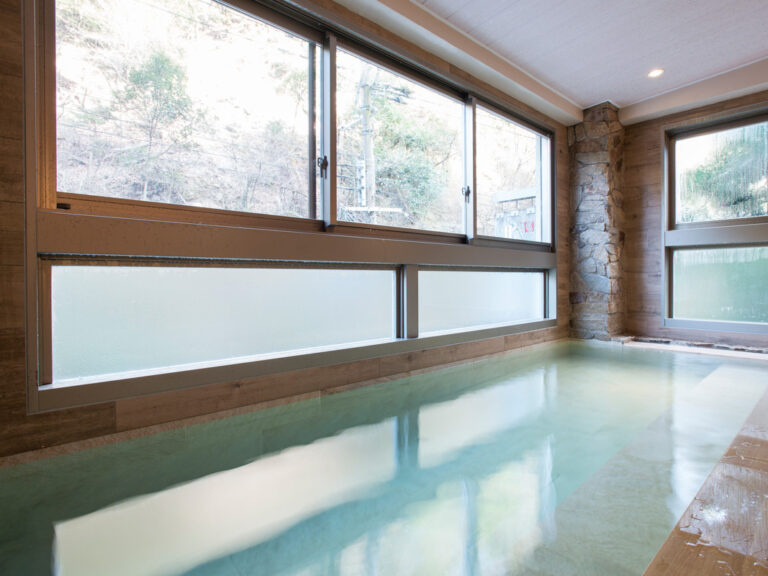
Designer's inn with all-room open-air baths, one of the nation's leading radon-containing mineral springs from its own-owned source; many people seeking efficacy; day trips are also allowed (bathing only, meals are reserved only).

Maya Luka Antiquarian Book Shop

An old book shop in Ichijoji, Kyoto, with a variety of large and small kokeshi lines. From essays and overseas literature to picture books for children, there is a genre-less selection. There is also a gallery space on the second floor with a new book corner.

Contact Us: Business & Personal Inquiries

By proceeding, you agree to our Terms of Use And confirm you have read our Privacy Policy .

Notes

· We are available for inquiries 24 hours a day. Responses will be provided between 9:00 and 18:00 (including weekends, public holidays, and year-end/New Year holidays).
· Depending on the nature of your inquiry, it may take some time for us to respond.

RURUBU & ALL WAY JAPAN
Privacy Overview

This website uses cookies so that we can provide you with the best user experience possible. Cookie information is stored in your browser and performs functions such as recognising you when you return to our website and helping our team to understand which sections of the website you find most interesting and useful.