 English
  Japanese
  Chinese (China)
  Chinese (Taiwan)
  Korean
 Yonehara City Omi Haniwa-kan
A facility designed to promote art culture in Yonehara City and to pass on the preservation of cultural property.

A facility designed to promote art culture in Yonehara City and to pass on the preservation of cultural property.
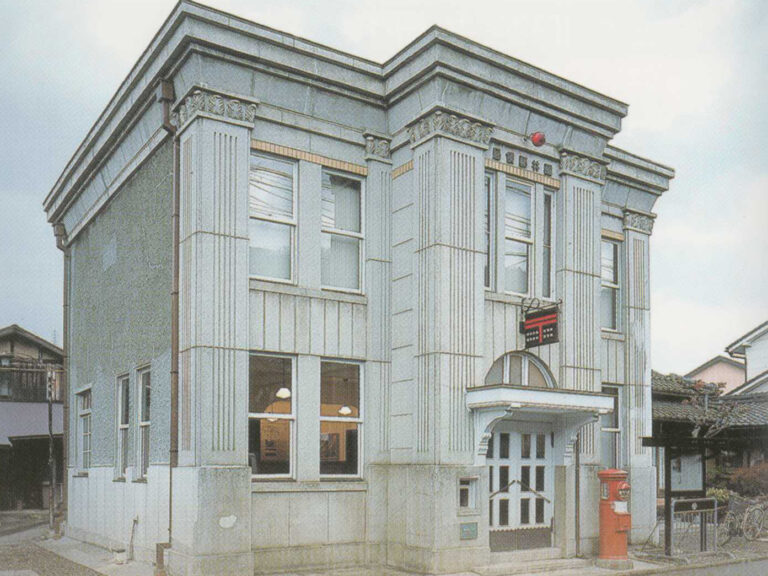
It uses the former Awakei Post Office Building, which was designed by architect Wilcomb Merrell Vowrys. In the exhibition room on the second floor, materials such as a map of the house of Akai, which was about 200 years ago, can be seen. A five-minute walk away is also home to a museum that uses the Awakei-juku restaurant. It is designated as a National Registered Tangible Cultural Property.
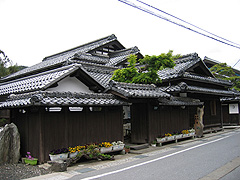
Historical Museum located along the Nakasendo. Kashiwara-juku is the 60th post counting from Edo. An old private house built in 1917 was renovated along the highway. It is designated as a National Registered Tangible Cultural Property. In Kashiwara-juku, the traditional structures that convey the image of the post of the Edo period remain well, as well as the abundantly transmitted post materials from the Edo period. Its quality and quantity is one of the best at the Nakasendo 67-juku, and these materials are published sequentially at the Kashiharajuku Historical Museum.
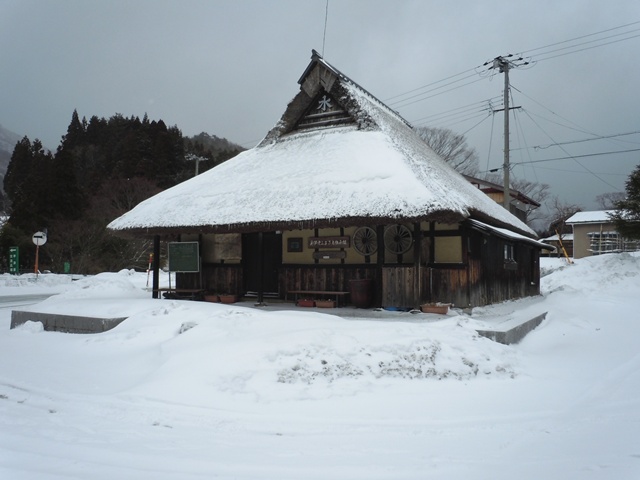
A museum that conveys the folk culture of Oku Ibuki. Materials such as hemp textiles from traditional crafts are on display. The building is an Irimoya private house built in the early Edo period and features a thatched roof. The old buildings around here were mostly destroyed by the great fire that occurred in the late Edo period. Therefore, this building itself is also valuable as a historical material. It is designated as a National Registered Tangible Cultural Property.
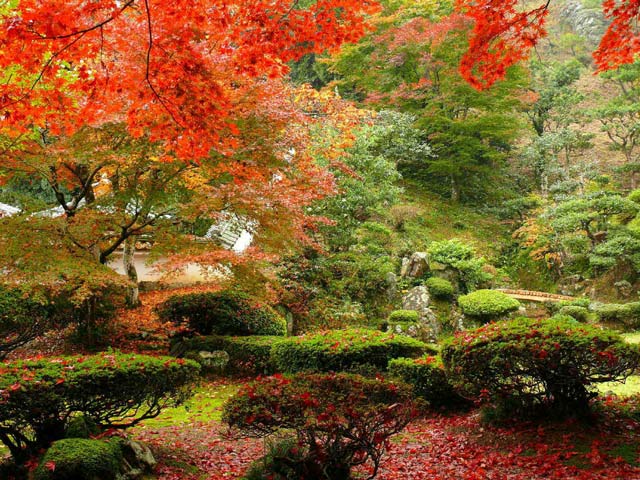
It was the Bodaiji temple of the Kyōkō clan, which continued as a daimyō until the Meiji Restoration, and was erected by the first clan of the Kyōkō clan in the year 1286 (1286). In the precincts, the main temple, the Bingle Temple, and the Mie Pagoda stand, and the Kyokoku Family Grave, which has become a national designated historic site, is lined with 34 of the Kyokoku clan's historical treasures. In addition, the excursion garden, which is said to be the work of Kabori-shū, is stunning.
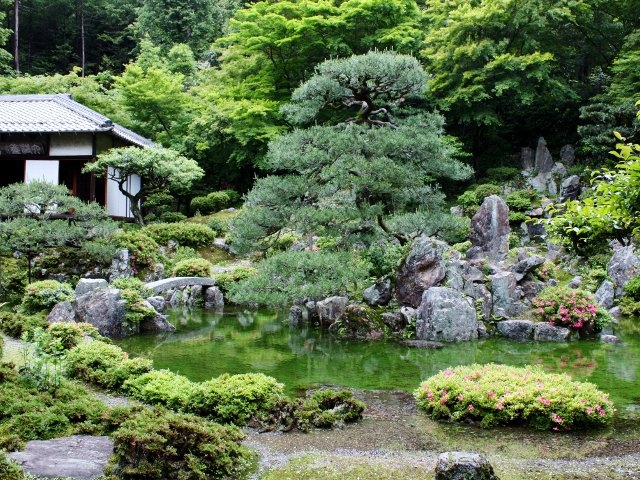
The Zen temple of the Soto sect, which is reportedly founded by Kyōkyō Sasaki. In the precinct, there is a Karesan water garden of the Tsukiyama Rin Spring style, which was built in the early Edo period and is also designated as a national famous victory. Instead of white sand, it expresses the flow of water with the green of cedar, giving a gentle and soft impression. Above all, the rain is exceptionally beautiful. Although it has the beauty of the four seasons, many tourists visit, especially during autumn leaves.
The anecdote remains that Mitsunari has found his talent by offering tea to Hideyoshi, who stopped by in a falconer hunt.
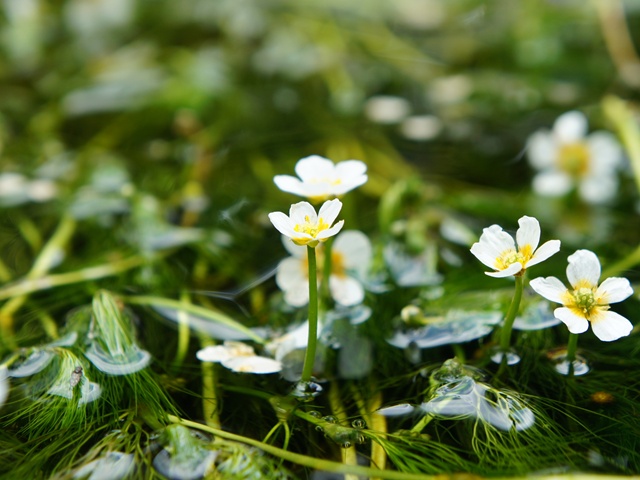
Aquatic perennials of the buttercup family, which grow only in the clear stream, blooming in the Jizo River, which originates from the "Iwake no Shimizu" of the Heisei Meisui. The name "plum algae" was given because it had a white flower similar to a plum. In late summer, the flowers of the crassberry fall, more beautiful.
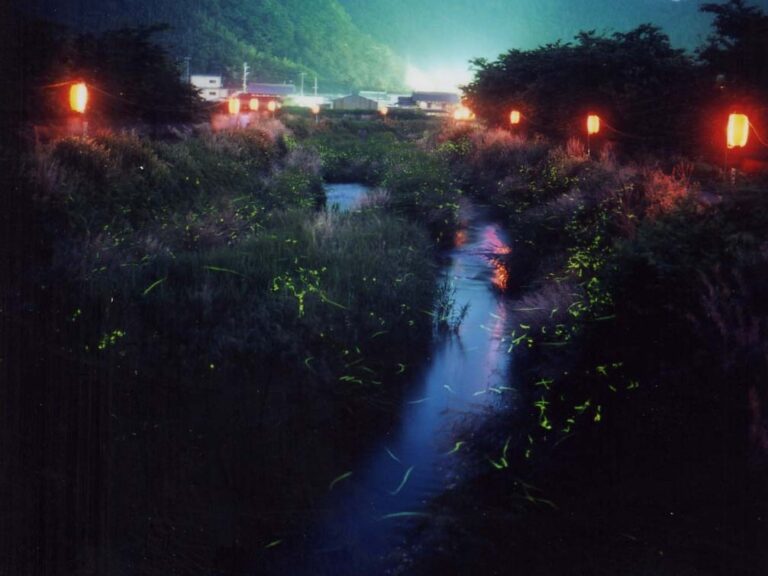
Genji fireflies fly around the Amano River basin each year around early June.
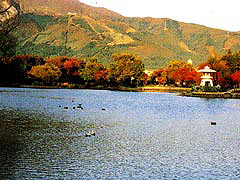
A pond built as an agricultural pond in the Kamakura period with an area of about 39,000 sq m. It is also known as the southern limit of a natural breeding pond for mallards. Various water birds such as mallards, ducks and ducks fly, and you can also enjoy wild bird viewing.