 English
  Japanese
  Chinese (China)
  Chinese (Taiwan)
  Korean
 Road Station Agri Park Dragon King
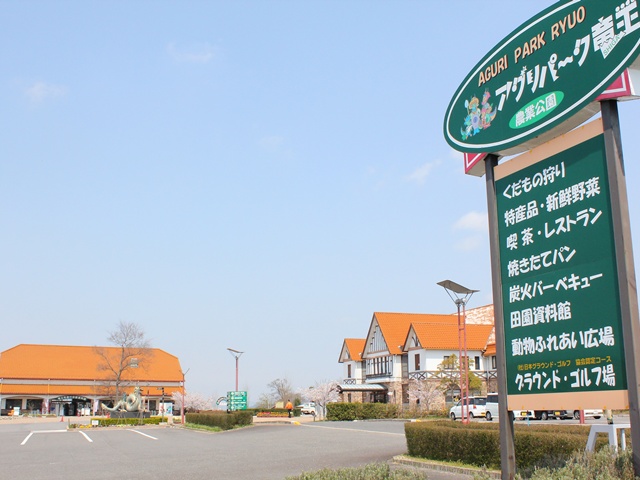
An agricultural park centered around an experience plantation, where you can taste-hunt for fruit throughout the year, including peaches in early summer, grapes in autumn, and pears.

An agricultural park centered around an experience plantation, where you can taste-hunt for fruit throughout the year, including peaches in early summer, grapes in autumn, and pears.
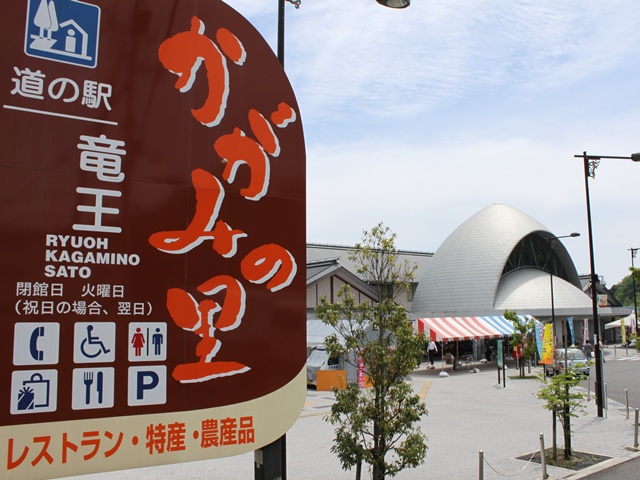
It also sells Ryuo-produced fresh vegetables and rice and flowers, as well as Ryuo specialty products, freshly baked bread such as "black bean bread" using Ryuo-produced black beans, and handmade prepared foods using local vegetables. There is also a "Omi-beef okaki" restaurant, and a butcher shop.
A song of sōkai is seen in the "Manyōshū" and a kōmano named after the Prince of Okaijin. The recreation zone surrounded by its rich nature is "Sensei no Sato". The site, which is about 50,000 square meters, includes a large shrine-style house and a Yukino exhibition hall, as well as bungalows with terraces, a tent site, a barbecue-free site, and a lawn square. In addition to a stone oven where pizza is baked and a drum bath is rented, there are also various events such as "Bonfire Cafe". Cherry blossoms in spring and autumn leaves, overnight accommodation and day trips can be enjoyed by both group and family.
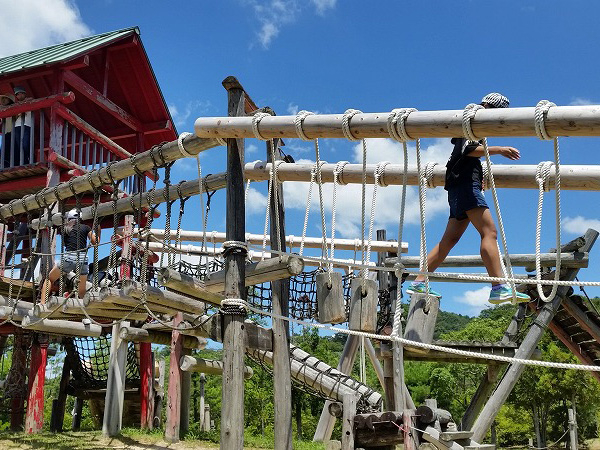
A comprehensive cultural park full of nature in a hilly area spread east-south of Lake Biwa. It spans the cities of Yasu and Hunan in Shiga and Niichi-ichi towns of Ryuo, Gamo County, and has a vast area of 4.16 million square meters. Youth Castle (Youth Lodging Training Center), multipurpose square, cultural zone with cherry blossom forest, outdoor activity zone with campgrounds mainly in the outdoor activity center, sports hall, track and field athletic field, baseball field, field athletic field, it consists of a sports zone with a variety of lawn lands. Day-trip barbecues can be held in the picnic land of the sports zone, and the river can be played on the house wing river that flows through the park.
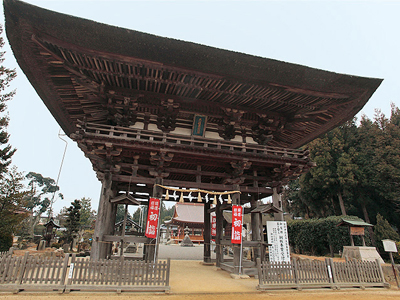
It is known as the Soja of 33 neighboring townships, and is lined with famous buildings of the Muromachi period from Kamakura, including the Nishi-Honden (national treasure).
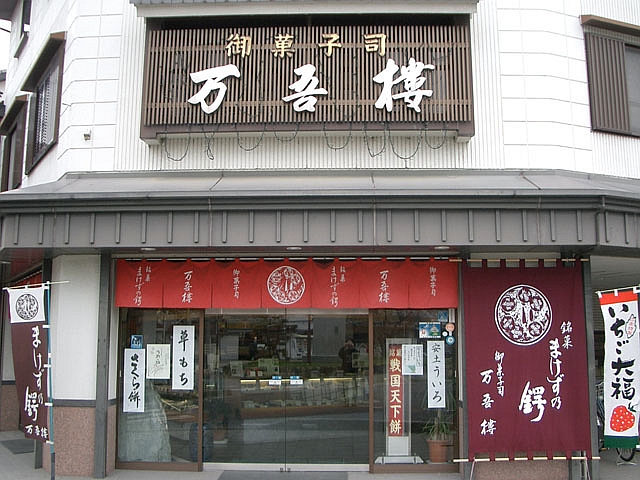
110 years in business. A long-established Japanese confectionery in front of JR Azuchi Station. Confectionery by Yukari Nobunaga is lined up. In the middle of the two-color bean [An], which is designed by Nobunaga's Aikata no Aikami, 170 yen is a specialty. The Nobunaga Army Pie 170 yen is a Japanese-Western eclectic taste of puff pastry with tsubu paste [an]. In addition, Dachi Yokan Azuchi question 430 yen and Nobunaga set 6 pieces in 1300 yen are popular. The seasonal original Daifuku was also well received.
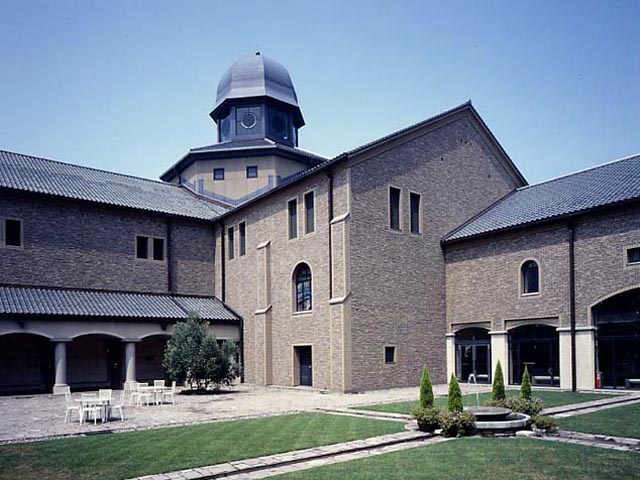
Appearance reminiscent of medieval European church architecture. The stairwell was designed on the model of the Lord of Azuchi Castle. Excavations from the Yayoi period to the Sengoku period, and those from the Oiwayama site and the Omi Shinkakko mound have been designated as National Important Cultural Property. It displays a restored model of Azuchi Castle, historical materials about Nobunaga, and a video about Azuchi Castle is also shown. It takes 30 minutes to visit the property.
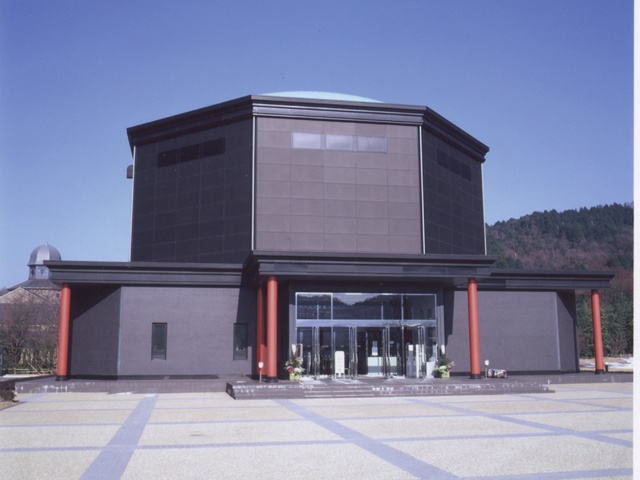
At the World Exposition of Seville in 1992, the 5th and 6th floors of the Azuchi Castle Tenshi were reproduced and exhibited based on the "Tenshi Instruction" handed down to the Kaga clan's Omodo Daiko. It was relocated after the end of the Expo at the Nobunaga Hall, where a brilliant heavenly lord with a newly added eave roof is on display. The Kin-paki barrier painting that Nobunaga had Kanō Eitoku [Kanoe-eitoku] Ichimon painted the painting has been restored, and it has been made into a luxurious structure, including an outer wall using about 100,000 pieces of gold leaf, and a whole verka-painted floor. The VR Azuchi Castle Theater shows a short movie (about 15 minutes) drawn from the perspective of Louis Frois, who was guided around Azuchi Castle, which was completed around 1581, and headed for Nobunaga's waiting Tenshi.
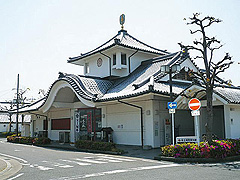
A one-twentieth scale version of the Azuchi Castle Hina-type, elaborately reproduced inside, is displayed. Surrounded by wall paintings depicting the Azuchi-Momoyama period, you can rest slowly. There is also a tea corner, and you can also taste the kabin cappuccino, as well as snacks.
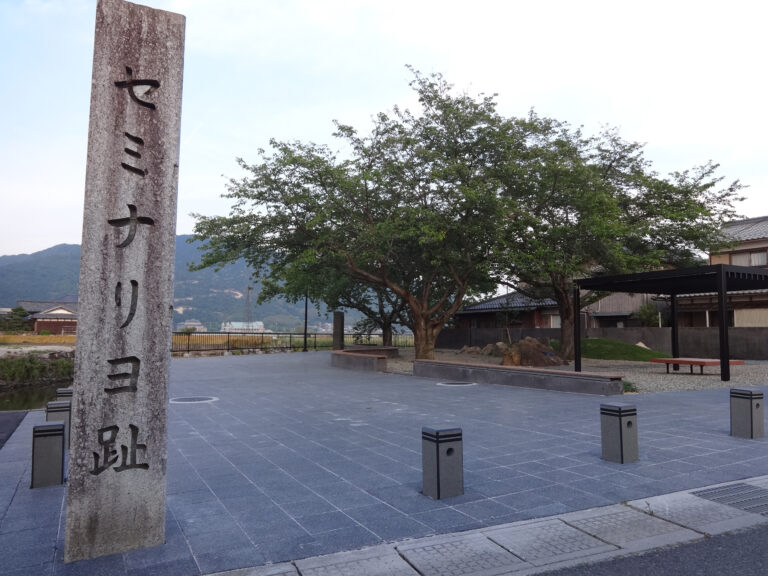
In the year of Tensho 9 (1581), at the order of Nobunaga, the site of the first Christian seminary in Japan, founded by the Italian missionary Organ Chino in the castle town of Azuchi Castle, which is now maintained as a park nestled along the outer moat of Azuchi Castle.