Archives: Travel Post

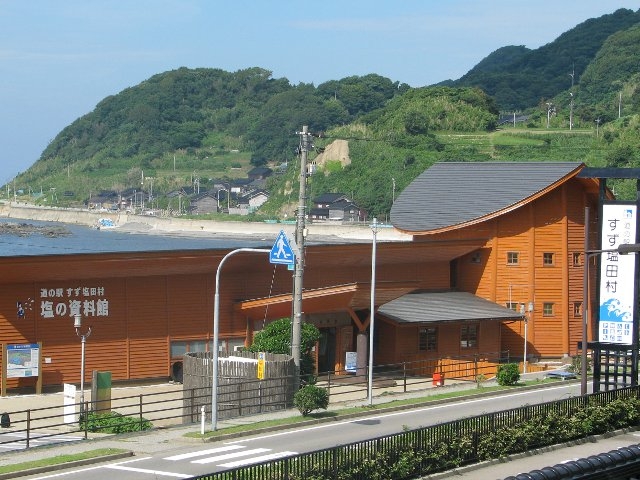
Road Station Suzu Shioda Village

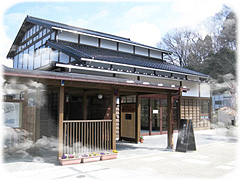
Road station located along Route 249. A salt museum is attached to the building, and it introduces the old-fashioned method of salt-making, which is called a fried beach ceremony, through footage and the like. The experience of making salt is the experience of collecting salt by fetching seawater from the sea and sprinkling salt fields. Hamashi course 2000 yen for adults, 1000 yen for children (from 13:30 to 15:30 in May to September, reservation required. You can bring back boiled salt). There is also a saltwater market where fried beach salt and local agricultural marine products can be purchased.
Waterfall in the water

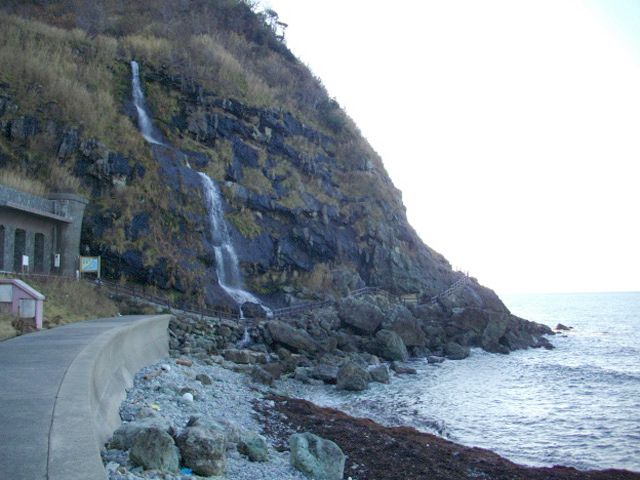
The waterfall, which falls directly into the sea from the top of a cliff that cuts to the Sogi coast. It is 35m high, and the sight of the inverted waterfall, where the water of the waterfall splashes like fog in the strong winds of the winter, is also spectacular.

Nijiang Coast

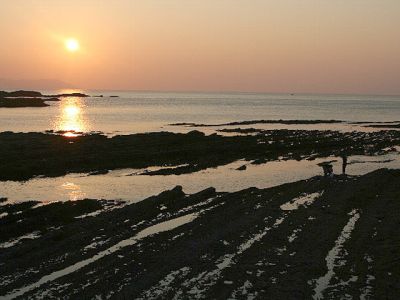
The coast, northeast of the Maura coast, runs from Tubasaki to Nie. There are a series of rock and mysterious rocks, such as mackerel rocks with a tail raised by mackerel, showing a beautiful rocky reef. The beauty of the sunset desired from here is also famous nationwide, such as being selected as "Japan's 100 Yoyo", and also won the first prize of the "World Tourism Poster Competition". Only in Japan, the old-fashioned “fried beach-style” salt-making method has been passed on, and there is also an experience-type roadside station that conveys the salt-making to the present day.

Road Station Suzunari

There are more than 800 kinds of products such as confectionery and processed fish products and natural salt made from Suzu materials. Local soft fried beach salt vanilla is also popular.

Hekura Island

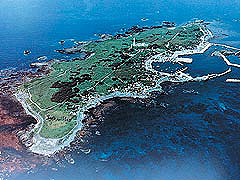
An island with a circumference of 6km, floating on the sea about 50km north of the port of Wajima. From the beginning of June to the end of October, Ama-cho, Wajima-shi traveled to the island with a whole town, fishing for seaweed, abalone and sazae. There are currently about 100 settlements on the island, but most are temporary summer dwellings. It is a remote island where you can see the sight of a marine fishing in the sea and the scenery of a quiet fishing village. The entire island is a wild bird conservation district. There are many visits by bird watchers, and in the surrounding waters, you can catch red sea bream, etc. There are also places to see such as Okutsuhime Shrine and Ryujinga Pond. A 9-hour liner from the port of Wajima operates one round trip a day.

Nanso Museum of Art

In the storehouse of Cultural Property, there are 200 exhibits of "Kokutani no Platter", which was aired on the "Anything Appraisal Corps", and of art that fascinates such as Kakiemon, Tawaraya Sōtatsu, and Nonomura Hitoyo. You can also enjoy the old trees in the garden.

Time Nation (Honke State)

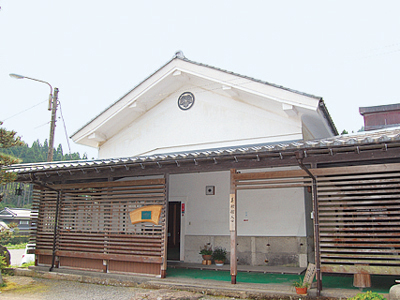
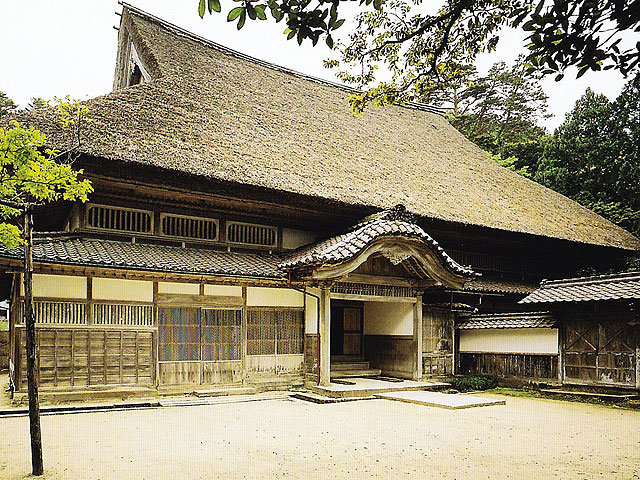
After the Battle of Noto, he was swept away by Noto, and his surviving child, Tokikoku, lived in this land and became a high-ranking farmer. Since then, the time-state has been a family that lasts for 25 s until the current head. The surviving house is a thatched-style house built from Tenpo 2 (1831) to 28 years. It gives a sense of the height of the style reminiscent of the samurai in various places, such as the entrance of the Tang Dynasty, the front of the city with the gold ceiling, and the nouba with the name of the butterfly butterfly. I also want to see a garden called a garden from the end of the Edo period.

Window rock

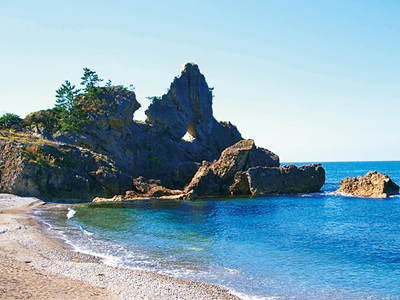
The symbol of the shore of the shore, which has a hole that allows people to pass through the rock that sticks out to the shoreline, and has this name because it looks like a window. You can go from the shore to the window, but be careful with high waves and scaffolding.

Sogi Coast

The coast spanning about 2km from the mouth of Machinogawa to the city border of Wajima and Suzu. Mount Iwakura, at an altitude of 357m, looms over the sea, followed by cliffs and reefs showing beautiful patterns of sea-fed rock along vertical and diagonal suwarms. In summer, many people visit and show the buzz. In addition to famous spots such as window rocks and Tarumi Falls, there are also beautiful scenes where wavy flowers dance in winter. Many people lost their lives in a difficult place called "Noto no Inami" and "Hirogi no eyelid", and the eighth generation of Kaizoji, Kazuhisa Kiyama, spent 12 years making the road. Big day of waves want to be careful.

Shozen Village Exchange Hall in Khibi, Wajima

Mozen, located north of Noto Kongo, is an area that flourished as Mozen-cho of Tojiji Temple. Ji-ji Temple was founded in the first year of Yuankyō (1321) by Zenzan Zen Master. Along with Eiheiji Temple in Fukui, it flourished as the Soto sect Omotoyama, and in the middle of the Edo period, it counted more than 16,000 Sueji temples. Motoyama moved to Yokohama, which became Soin. Later, the mountain gates and the Hōdou were rebuilt, and Yunsui and others are still practicing today. At the Shouzen-no-Sato Exchange Hall in Kushibi, Wajima-shi, the panel introduces the exhibition of historical materials related to Ojijiji, the training of cloud water, and the culture and history of the front of the gate, so it is recommended to tour it together.

Contact Us: Business & Personal Inquiries

By proceeding, you agree to our Terms of Use And confirm you have read our Privacy Policy .

Notes

· We are available for inquiries 24 hours a day. Responses will be provided between 9:00 and 18:00 (including weekends, public holidays, and year-end/New Year holidays).
· Depending on the nature of your inquiry, it may take some time for us to respond.