Narita Airport hot springs empty water

Narita Airport hot springs empty water

Info

Shibayama Railway Shibayama-Chiyoda Station → 3 minutes on foot; or 5 minutes by free shuttle bus from Narita Airport Terminal 2
300 units

Business Hours

24 hours (8 to 11 o'clock is not available for bath and dressing room for bathroom cleaning; 10 to 11 o'clock is not allowed for system processing)

Price

Adults 1000 yen ~, elementary school students 500 yen ~ (adults 1200 yen ~ on Saturdays, Sundays and holidays, elementary school students 600 yen ~)

Spot Category

Hot Spring Spots and More

The information provided reflects the details available at the time of the survey.
Please note that facility details may change due to the facility’s circumstances, so please check for the latest information before visiting. This content has been translated using machine translation.

Information provided by: JTB Publishing

This content uses automatic translation services. Automatic translations may not always be accurate.
Please note that the translated content may differ from the original meaning. We ask for your understanding when using this content.
Related Spots

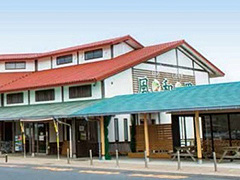
Road Station Fwa-ri-Shiyama

It is the 22nd roadside station in Chiba Prefecture, registered in August 2011. The farm shop, which is filled with vegetables filled by nearby farmers, is proud of its freshness and variety.

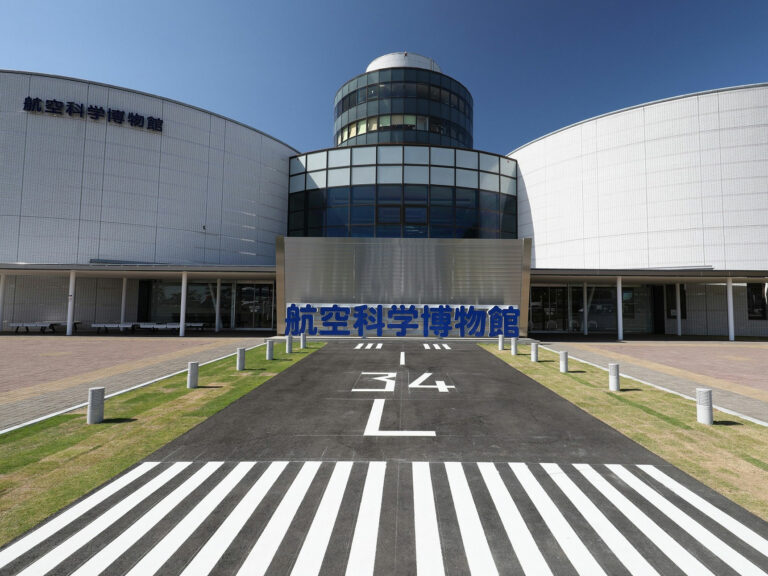
Museum of Aviation Science

This is the first museum about aviation in the country, where you can see the real engine. You can also experience DC-8 simulators and large model maneuvers (numbered tickets required). The outside displays 18 aircraft that were actually flying. The fifth floor is a 360-degree panoramic observation room, where planes arriving and arriving at Narita Airport can be seen. Every Sunday, they also hold origami airplane classrooms and other places. The B747 nose part can be entered inside in the form of a tour, and a memorial photograph can be taken in the cockpit in the mood of a pilot (paid, a numbered ticket required).

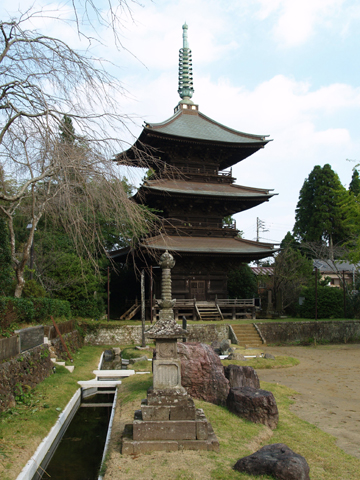
Shibayama Jinno-ji Temple

An ancient temple of the Tendai sect, one of Kanto's leading. At the end of the Nara period, in the first year of the Tenyo era (781), it was founded on the royal order of Emperor Mitsuhito. The precinct is lined with the main temple of the mid-Edo period architecture, the magnificent Nioh Gate of the Sōkeyaki-style building, and the triple tower of the prefecture-designated tangible cultural property of the late-Edo period architecture. The name of Shibayama Niōson has been attributed to the benefit of anti-fire and theft due to the fact that there is a statue of Niōnō, about 2m high, which is enshrined inside the temple. There is also the Shibayama Haniwa Museum (History of the Village, Shibayama Museam), and there are more than 200 haniwa rings, grave items and Buddhist art objects excavated from the nearby Shibayama Kofun group.

Suwa Shrine

On the occasion of the Ojō Kōki, who was appointed as the lord of Osugasō, Shimousa Province, he was invited by Shinano Suwa Taisha Shrine as the god of the lord of the territory. He has since been revered as the god of industrial development, the god of wisdom, and in recent years as the god of advanced learning. The present main shrine is of the 1853 (Kaei 6) construction, and the annual festival "Sawara no Taisai (Autumn Festival)", which takes place in October every year, is designated as a national important intangible folk cultural property.

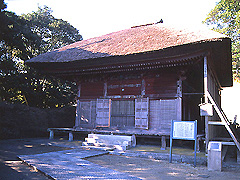
Daishoji Temple

The temple of the Tendai sect, known as Narikiri (Namikiri), is a temple of the Tendai sect that collects the thick faith of the fishing people for great fishing prayers and sea protection. The main priest, Fudō Myōō, was reportedly picked up from the sea by the wives of the fishermen of the land during the middle Kamakura period and laid them here to rest. The thatched-roofed Fudō, which houses Fudō Myo, is designated as a national important cultural property, and is presumed to have been erected during the Muromachi period.

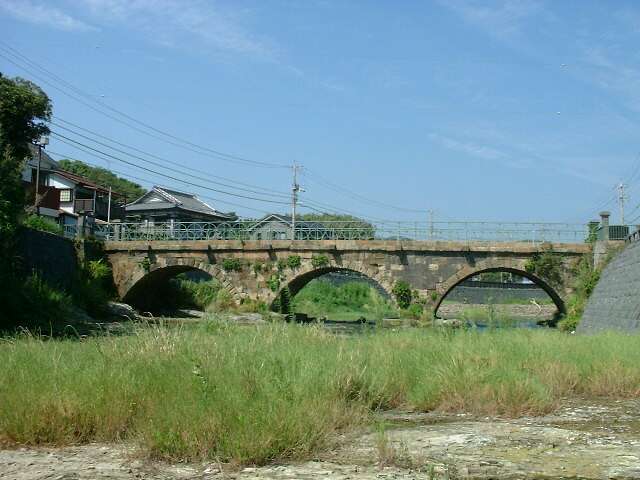
The bridge of glasses

Western-style Mie-bashi, a masonry method, on the lower Nagao River at Takiguchi, Shirahama. Because there are three arches, it is not really glasses, but it has come to be called a glasses bridge from the appearance of moving to the river. The bridge was built in Meiji 21 (1888) with a donation of 399 yen and 40 yen from the villagers. He said he had walked across the river before the construction. It is a sturdy bridge that, in wartime, tanks passed through it without being broken by the Great Kanto Earthquake. Repair work was carried out in 1977 and 1993, and the figure remains at the time of construction. Prefectural Designated Tangible Cultural Property. Japan's Meihashi Hyakusyo.

Contact Us: Business & Personal Inquiries

By proceeding, you agree to our Terms of Use And confirm you have read our Privacy Policy .

Notes

· We are available for inquiries 24 hours a day. Responses will be provided between 9:00 and 18:00 (including weekends, public holidays, and year-end/New Year holidays).
· Depending on the nature of your inquiry, it may take some time for us to respond.

RURUBU & ALL WAY JAPAN
Privacy Overview

This website uses cookies so that we can provide you with the best user experience possible. Cookie information is stored in your browser and performs functions such as recognising you when you return to our website and helping our team to understand which sections of the website you find most interesting and useful.