English
  Japanese
  Chinese (China)
  Chinese (Taiwan)
  Korean
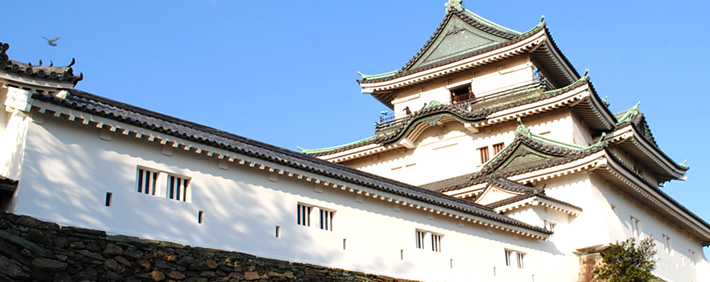
The castle tower rising in the heart of Wakayama City
A historic castle that flourished as the residence of the Kishū Tokugawa clan
1. The Magnificent Castle Tower and Its History
Towering at the lush Mount Torafusu, the castle tower once ruled JapanTokugawa Shō familyIt is a castle of Yukari. It was built in 1585, and was later set as the residence by the Kishu Tokugawa family, a kinsman of the Shōgun. This is a very prestigious place, counted as one of the "three most important families" that supported the Edo shogunate.
2. The Unique "Blue Stone Walls"
One of the highlights of this castle is the stone wall. The stone wall made in the early days of Tsukijo is full of "green stone" (green mud schist), which is a specialty of Wakayama, and its beautiful color is rarely seen in other castles.
3. A Panoramic View of the City
If you climb the castle tower, you will have a complete view of the city of Wakayama and the relaxing Kinogawa River. Why don't you start with a full view of the city from here and work out a plan for your trip?
What to see
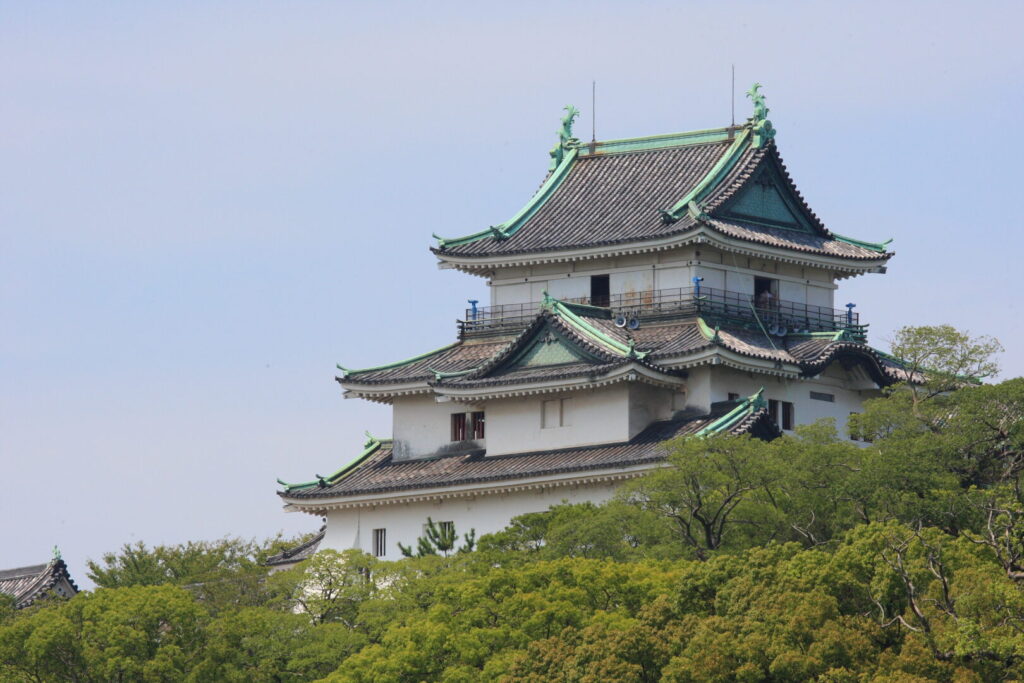
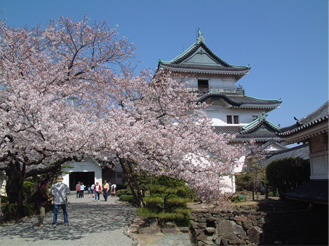
Wakayama Castle Tengaku Chalk's Three-Layer Great Tengaku
Located at the top of Mount Torabushi, it can overlook the city area on all sides, and a large panorama opens up.
The present-day castle tower was rebuilt in 1958 after the war, and a number of items related to the Tokugawa family are displayed inside.
- Price: Adult 410 yen dwarf 200 yen
- Time: 9:00 to 17:30 (entry until 17:00)
- Off time: 12/29 - 12/31
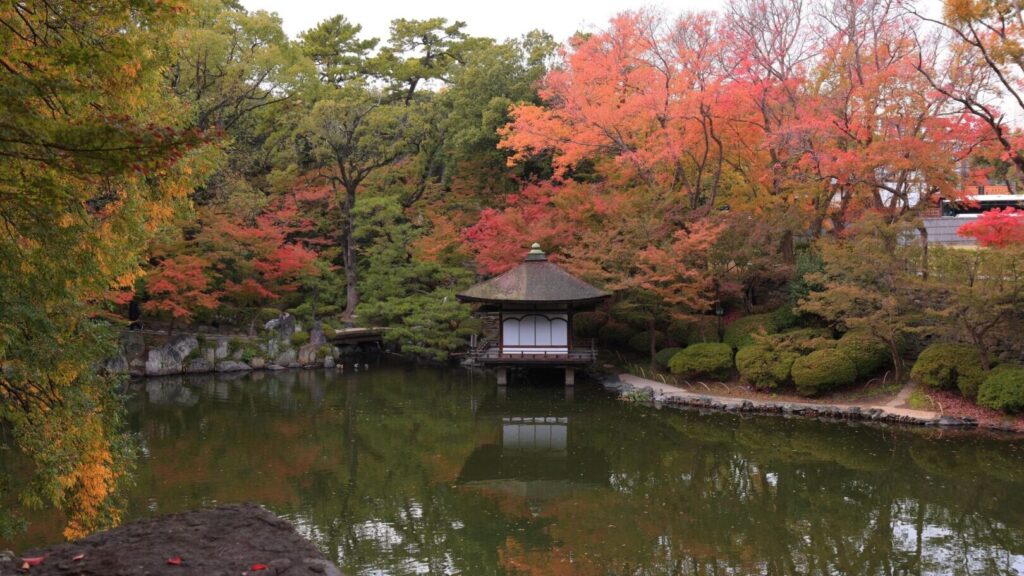
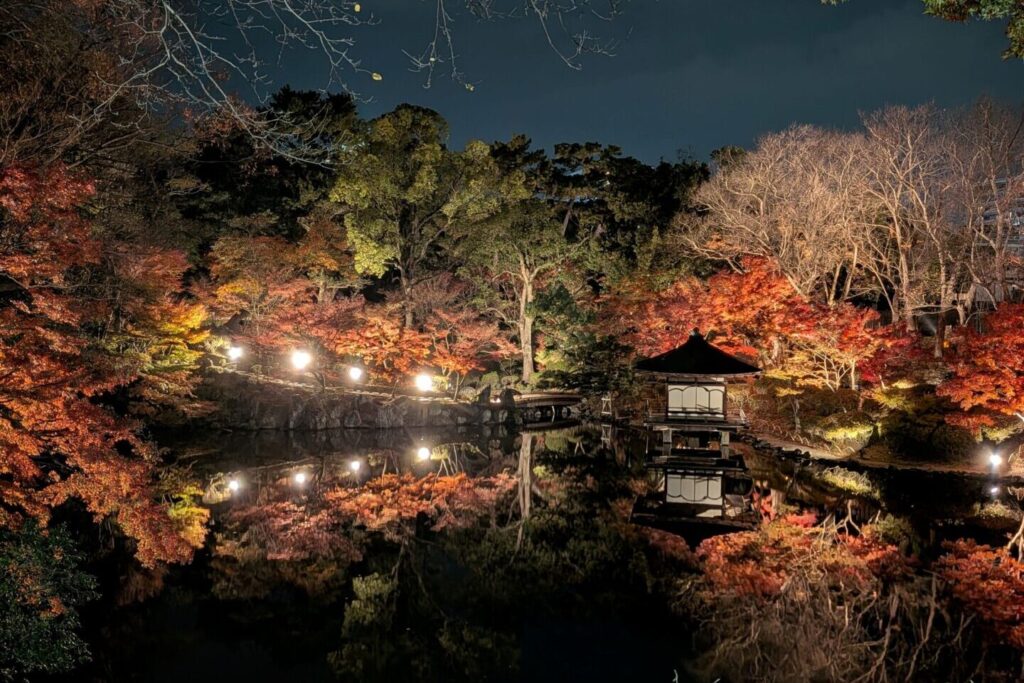
Scenic Spot: Nishinomaru Garden (Momijidani Garden)
Lurking on the north side of Wakayama Castle, the "Fenglangxi Garden" is a retreat to forget about the hustle and bustle of the city. This garden, which continues from the Edo period, is made using the slopes of the mountain, and the attention of craftsmen shines. The sounds of colorful carp and waterfalls and the "elegant" landscapes of the four seasons will gently heal the fatigue of the journey. Every year from late November to early December, bright colors of autumn leaves are seen.
- Fee: Free
- Time: 9:00 to 17:00 (admission until 16:45)
- Break: 12/29 to 12/31
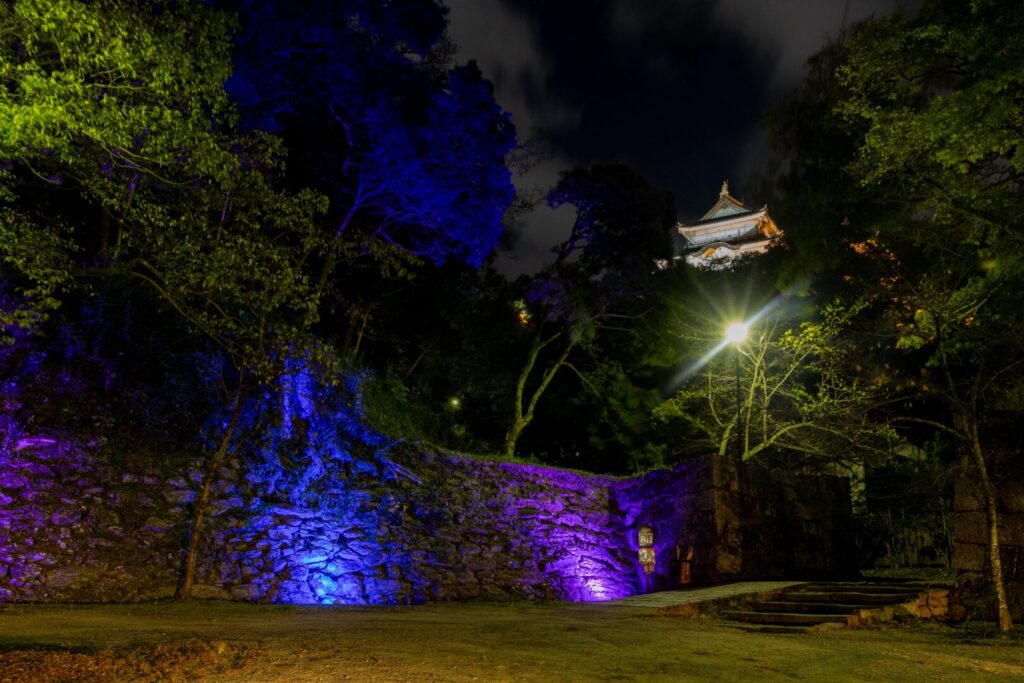
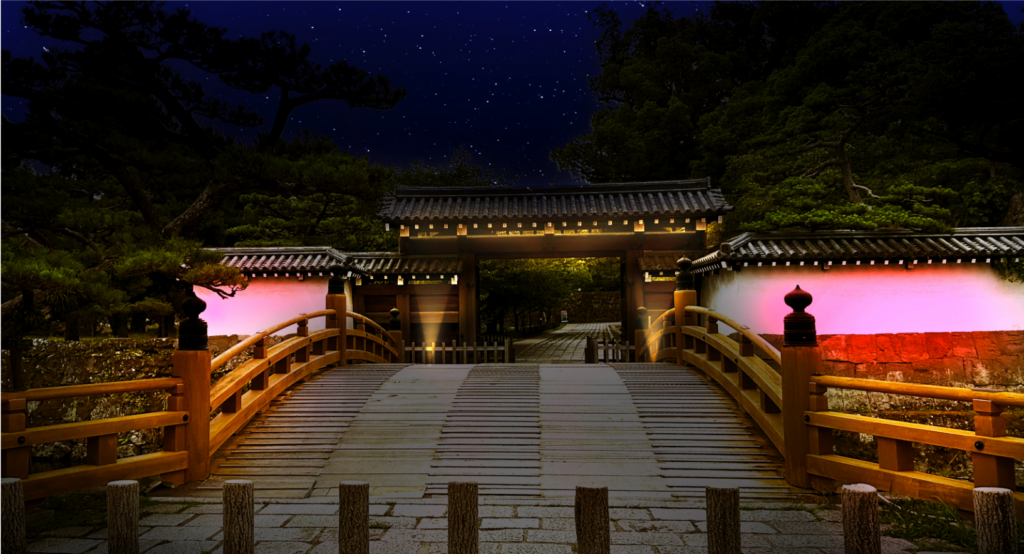
Corridor of Light (Illumination)
All year, we are lighting up in Wakayama Castle Park. Please enjoy the Wakayama Castle Park at night, which is colored with beautiful light throughout the four seasons.
- Fee: Free
- Time: Sunset to 23:00
- Application: No need
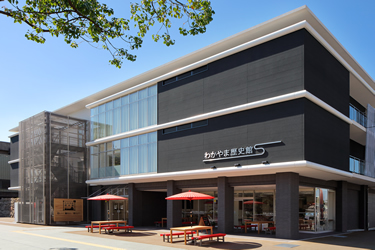
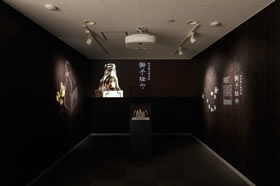
Wakayama History Museum
The history exhibition room on the second floor is an exhibition facility to learn more about its historical background before traveling around Wakayama Castle. Inside the museum, the museum publishes valuable items and ancient documents related to the Tokugawa Shōgun family, including high-definition footage that recreates the former magnificent castle. Through models and materials that convey the streetscape of the Edo period, you can systematically learn the path that Wakayama has taken.
- Price: Adults (including high school students) 100 yen, children (elementary and junior high school students) free
* There is also a common entrance ticket with Wakayama Castle Tenjō. - Time: 9:00 to 17:30 (admission until 17:00)
- Break: 12/29 to 12/31
In addition, at the Wakayama City Tourism and Souvenir Center on the first floor, you can buy souvenirs of Wakayama City, such as food and crafts, and also sell juices and soft ice cream, which can be used as a resting place.
- Time: 9:00 to 17:00
- Break: 12/29 ~ 1/3
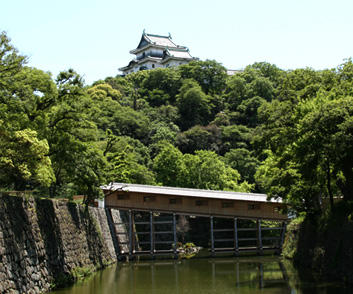
-1024x683.jpg)
Ohashi Corridor (Covered Bridge Walkway)
The Mihashi corridor is a bridge that was built in the Edo period only for the lord and the attached people to travel to and from the Ninomaru, which is the place of life of the clan's government and the Nishi-no-Maru, which is the site of the life of the lord. It was made to be invisible from the outside. It is also an unusual structure nationwide for a bridge spanning diagonally. It is slanted at an angle of about 11 degrees, so it is stepped for non-slip.
- Fee: Free
- Time: 9:00 to 16:45
- Break: 12/29 to 12/31
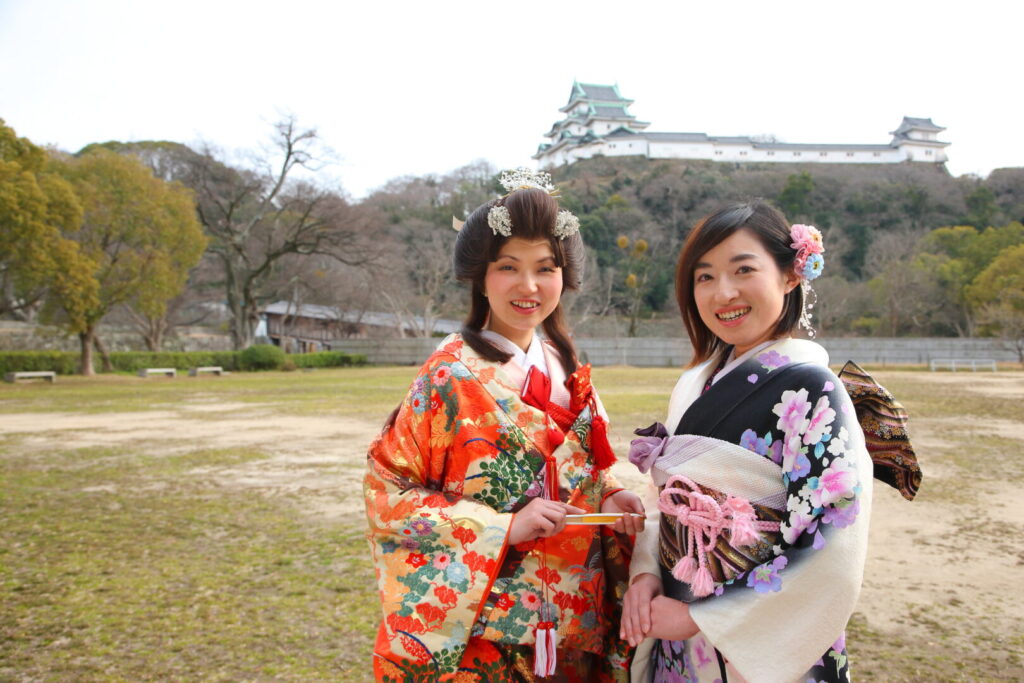

Historical Costume Dressing Experience
At the Wakayama City Tourism Association, located on the site of Wakayama Castle, you can experience being an old person and changing into various period costumes.
In addition to classic kimonos and furisodes, you can choose to suit your taste, from rare armor, hawkers, and ninja costumes that your children will be overjoyed with.
There is no doubt that you can fully enjoy the atmosphere of Wakayama Castle!
- Price: 1,000 yen to 9,000 yen (depending on the costume.)
- Time: 9:30 to 17:00
- Holiday: Every Monday, Tuesday, New Year holidays
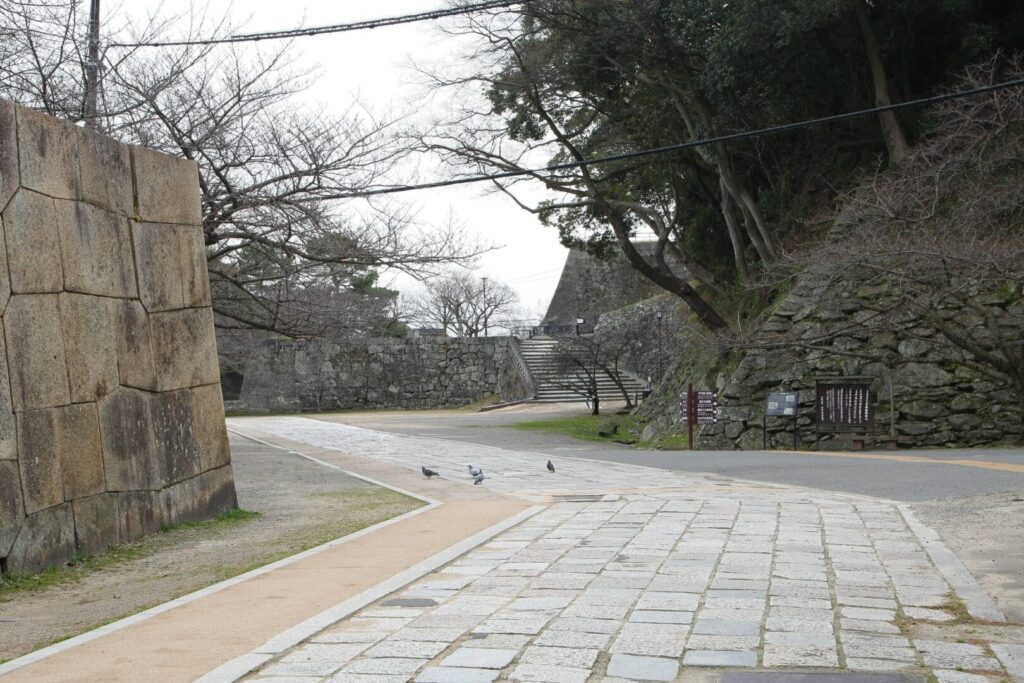
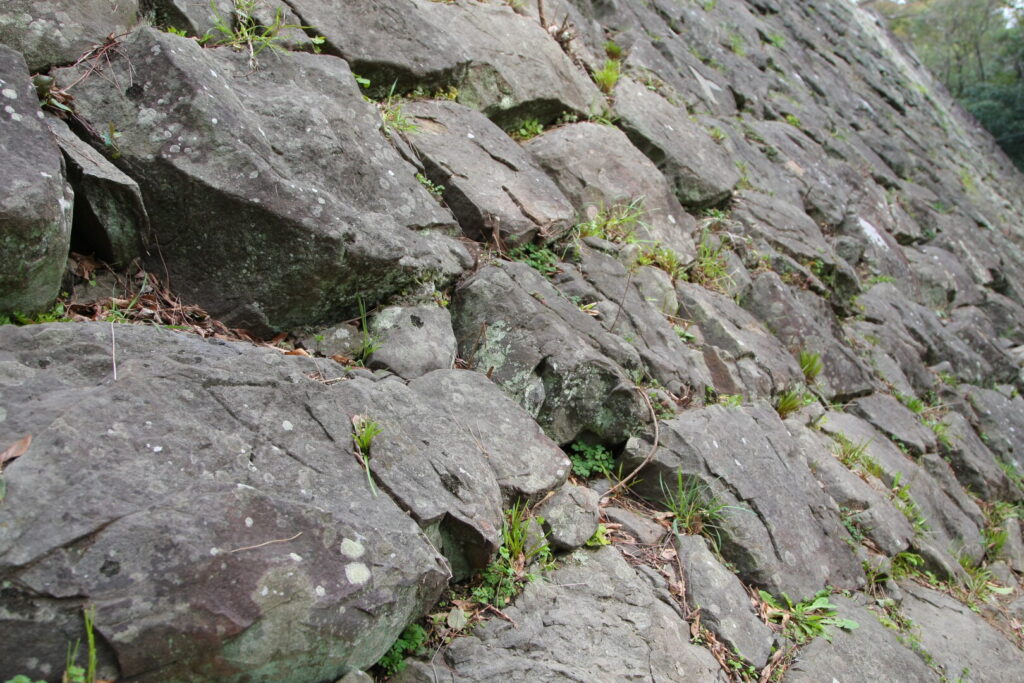
Wall of Wakayama Castle
Changes can also be seen in the stone masonry of the stone wall, as reflected in the transition of Wakayama Castle's time; the stone wall made of blue stones, seemingly messy "wild face-up" in front of the Ninomaru Garden, which is thought to be the founding period.
As the period progresses, it is transformed into a "hammering hagi" stuffed with pebbles between large stones at the place where you enter the castle through the major gate, and as you walk further, there is a beautifully stacked "cut-hagi" stone wall from the Edo period.
In addition, on the stone walls, you can see the converted stones, which are converted from stone pagodas, stone buddhas, and more than 2100 stamps of about 170 types. It would be interesting to look for such converted stones and stamps.