Night Removal Bell (Mursei-ji)

Night Removal Bell (Mursei-ji)

Event Overview

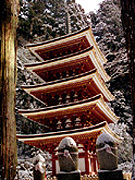
It began at the end of the Nara period when the high priests of Kōfuku-ji used it as a place of prayer for the sick Heiren of the Higashi-gū (later the Kanmu Emperor). Murō-ji allowed the women to visit the women, while Kōyama-Kōjō-ji was forbidden for women, and was called Jōjō-Kōjō-Kōji. The bell tower is located in the precinct, and the night-removal bell can be reached from midnight on January 1. No advance booking required. Presenting the calendar to the person with the bell. The first 100 people will be presented with zodiac or pictorial horses for those who first arrived at the Okunoin. Image courtesy: Hosheng Temple

Info

Kintetsu Murouoguchi-Ono Station → Bus 15 minutes, Bus stop: Murouji, 5 minutes walk
16km30 minutes from Meihan National Highway IC via National Route 369
100 units/Night Bells free only, private parking charges from night of December 31 to around 3:00 January 1

Event Period

Price

Free

Event Category

Seasonal Festivals & Annual Events


Five-storied Pagoda
Hosho Temple

The information provided reflects the details available at the time of the survey.
Please note that facility details may change due to the facility’s circumstances, so please check for the latest information before visiting. This content has been translated using machine translation.

Information provided by: JTB Publishing

This content uses automatic translation services. Automatic translations may not always be accurate.
Please note that the translated content may differ from the original meaning. We ask for your understanding when using this content.
Related Events

Mataibei Cherry Blossom Festival

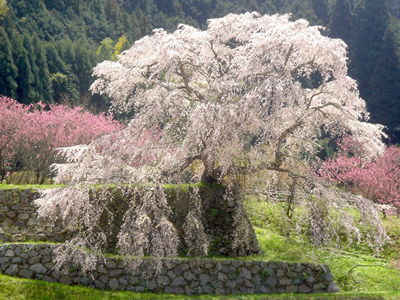
It is said to be 300 years old cherry tree, Mataibei cherry tree. It is a weeping zakura, which is also referred to as "Hongo's Takicherry", from late March to early April. The cherry blossom festival, which is held in conjunction with the flowering, will feature sales of specialty products. Image courtesy: Uda City Tourism Section

65th Yamato Koryama "Castle Festival"

About 800 cherry blossoms bloom at the site of the historic site Koriyama Castle. At night, the night cherry blossoms illuminated by the bonbori lights and the lit-up castle tower can be seen. The Koriyama Castle site has been designated as the "100 Japanese Sakura Places".

Bamboo Offering (Cancer-Preventing Bamboo Sake Summer Festival)

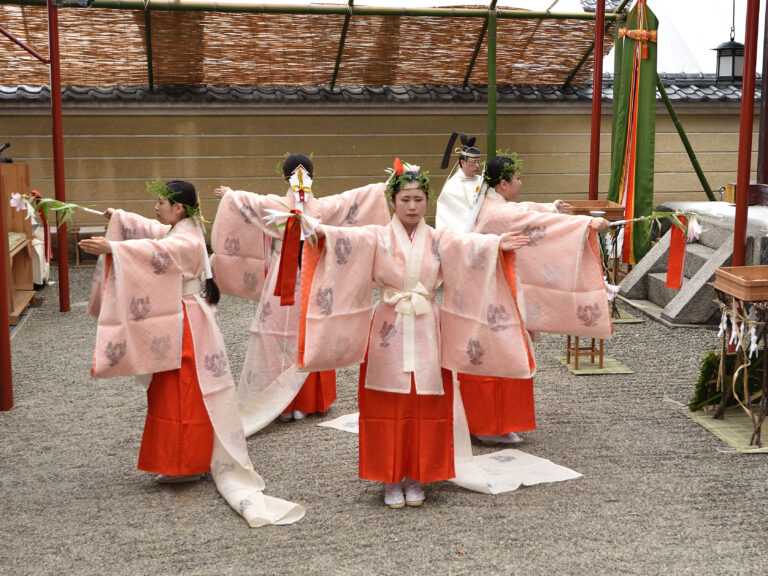
In ancient China, the 13th day of the 5th lunar month was called Bamboo Drunken Day, Bamboo Confusion Day, Dragon Day, Bamboo Birthday, and Bamboo Offering, and it was said that planting bamboo on this day would lead to good growth. In line with this, a memorial service is held to express gratitude for bamboo, which is essential to Japanese life and culture. On this day, a bamboo offering ceremony and a prayer for cancer prevention are conducted, and the famous bamboo sake of Daianji is served by the bamboo maidens. *On the day of the festival, there will be a temporary direct bus service from Kintetsu Nara and JR Nara Station to the temple entrance.

Saigetsu Festival (Yuri Matsuri)

On the 17th, the festival day, sake barrels called "son (can + variant of 'son')" and "kan [hotogi]" decorated with the bamboo lily of Miwa Mountain are offered at the altar, and sacred sake is drawn from these barrels and presented to the deities. Additionally, the offerings are called special sacred food, covered with a lid woven from oak leaves in a traditional box, passing down an ancient tradition. Four shrine maidens holding sacred bamboo lilies perform a kagura dance. Image provided by: (C) Omiwa Shrine

Contact Us: Business & Personal Inquiries

By proceeding, you agree to our Terms of Use And confirm you have read our Privacy Policy .

Notes

· We are available for inquiries 24 hours a day. Responses will be provided between 9:00 and 18:00 (including weekends, public holidays, and year-end/New Year holidays).
· Depending on the nature of your inquiry, it may take some time for us to respond.