Dragon God Suspension Bridge

Dragon God Suspension Bridge

Info

JR Jōchi-Ota Station → 40 minutes for Ibaraki Kotsu Bus entrance/Majji, bus stop: Ryugami Daihatsu Bridge ride off, 1 minute walk
30km 40 minutes from Joban Road Naka IC via National Route 349 and Prefectural Road 33
265 units/free

Business Hours

8:30 AM to 5:00 PM (last reception at 4:40 PM), Saturdays until 8:00 PM (last reception at 7:45 PM)

Price

Suspension bridge bridge bridge fee 320 yen for adults, elementary and junior high school students 210 yen

Spot Category

Bridges


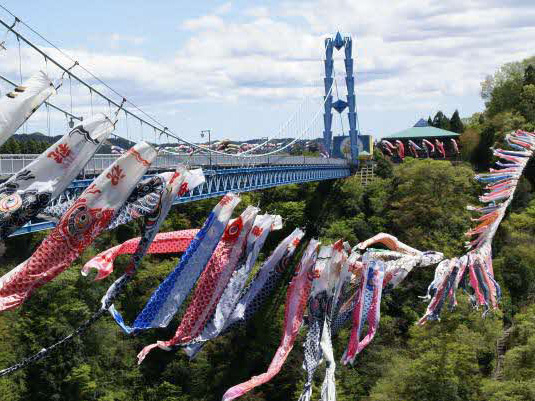
Swarm of about 1000 streamers is a masterpiece
Provided by the Japan Tourism Industry Association of Hitachi, Japan
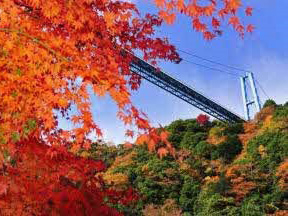

The view of the autumn leaves from the Ryujin Big Suspension Bridge is breathtaking.
Provided by the Japan Tourism Industry Association of Hitachi, Japan

The information provided reflects the details available at the time of the survey.
Please note that facility details may change due to the facility’s circumstances, so please check for the latest information before visiting. This content has been translated using machine translation.

Information provided by: JTB Publishing

This content uses automatic translation services. Automatic translations may not always be accurate.
Please note that the translated content may differ from the original meaning. We ask for your understanding when using this content.
Related Spots

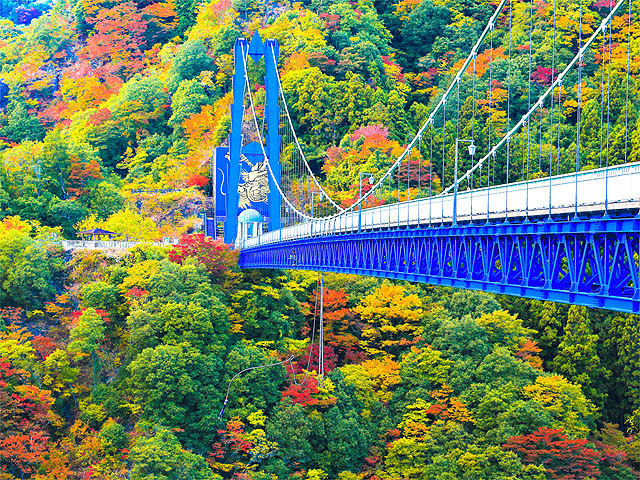
Dragon Bungee

One of Japan's tallest and largest bridge bungee jumps, approximately 100m high. Jump from the 375m long Ryujin Big Suspension Bridge towards a lake shaped like a dragon. Limited to those aged 15 and over (under 18 must be accompanied by a guardian and have a signature), with a weight requirement of 40-105kg and in good health. Business days vary by season, so please check in advance.

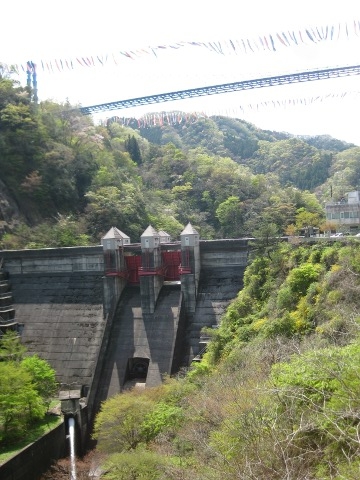
Dragon God Dam

The water of the Ryugami River flowing through the Ryugami Gorge is dammed. There is a promenade around the dam lake, so you can enjoy the scenery of the four seasons. In late April-when it comes to the GW streaming festival, the streamers are displayed above the dam, giving you a gorgeous view.

Nishiyama Palace

The palace where the second generation of the Mito Tokugawa family, Tokugawa Mitsukuni (Mitsukuni Mizutō), spent about ten years until his death in the year of Genroku 13 (1700). In the palace of a thatched one-story house in the style of Kazakiya, Mitsukuni wrote the compilation of "The History of Great Japan" himself. It is a sengai where the harmony of the creeds of the daimyōen and Mitsukuni, who disliked Hamei, is found. It was designated as a national designated historic site and a famous victory in March 2016. The plum of the palace in spring and the autumn leaves in autumn.

Hongkei Temple

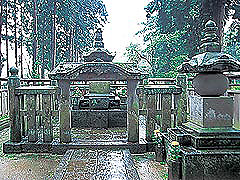
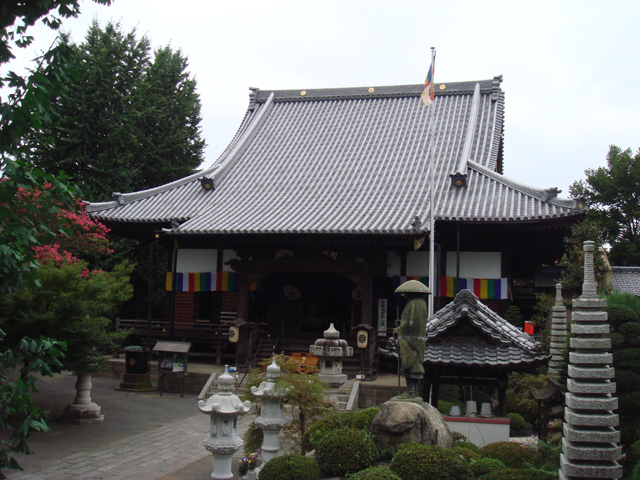
The year of Oei 21 (1414) is a famous temple of the Jodo sect, reportedly as the Genjon. A great deal of donation was made by the Tokugawa family to rebuild the main hall and bell tower (currently under reconstruction facilities and cannot be seen), from where they were deeply devoted to the tenth-generation Ryokujinjin, and established it as a bodhi-ji temple. The main hall, which is the best of the temple architecture of the early Edo period, is renovated in 2007. You can feel the power of the Tokugawa shogunate in the Buddhist tools and furnishings. On the left side of the main hall is the tomb of Chihime.

Shomei Temple

A temple of the Jōdo Shinshu Hongan-ji school. The first generation of the Seiki family, Asamitsu, who also participated in the shogunate as a sensei crowd, invited the younger brother of the clan, Shinbutsu, to open. It is said that the name of the temple, the name of the temple, is derived from the name of the law that Asamitsu came to the house and gave it to him. It holds a number of cultural treasures, including the "Shōjo Kanashu", which is said to be the autograph of Kinji, as well as portraits and wooden statues of the morning light, the Mireya Gate, and the Nijomon. At the back of the precinct, where there is a large ginkgo tree and a bronze statue of the saint, there are tombs ranging from the first morning light to the fourth generation Tokihiro.

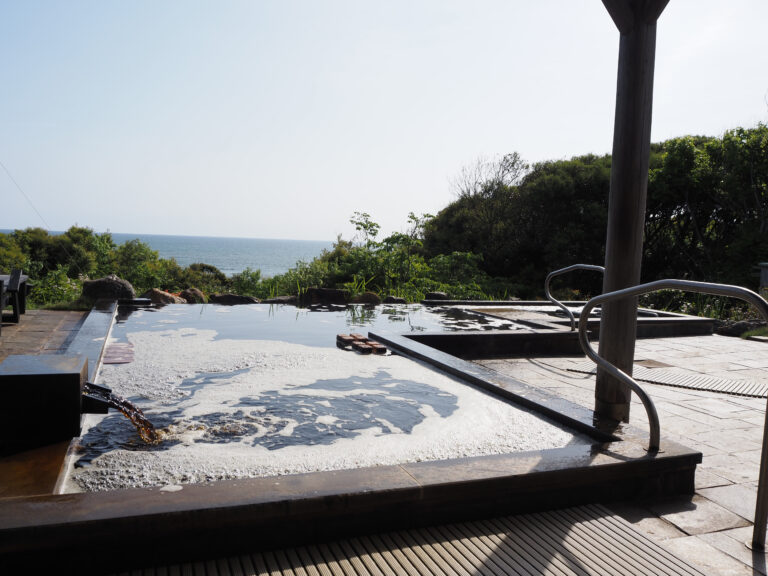
Take-san Ocean

A health promotion hot spring facility established in a corner of Hokota City, blessed with a tropical climate along the Kashimanada coastline. The building features an elaborate design with a circular corridor, and the open-air bath with a view of the sea is pleasantly breezy. The large bath has two tubs, and the water quality is a yellow-brown sodium-chloride strong saline hot spring. Additionally, there is a 25m x 4-lane heated swimming pool for swimwear use and a training room, making it a facility perfect for refreshing oneself.

Contact Us: Business & Personal Inquiries

By proceeding, you agree to our Terms of Use And confirm you have read our Privacy Policy .

Notes

· We are available for inquiries 24 hours a day. Responses will be provided between 9:00 and 18:00 (including weekends, public holidays, and year-end/New Year holidays).
· Depending on the nature of your inquiry, it may take some time for us to respond.