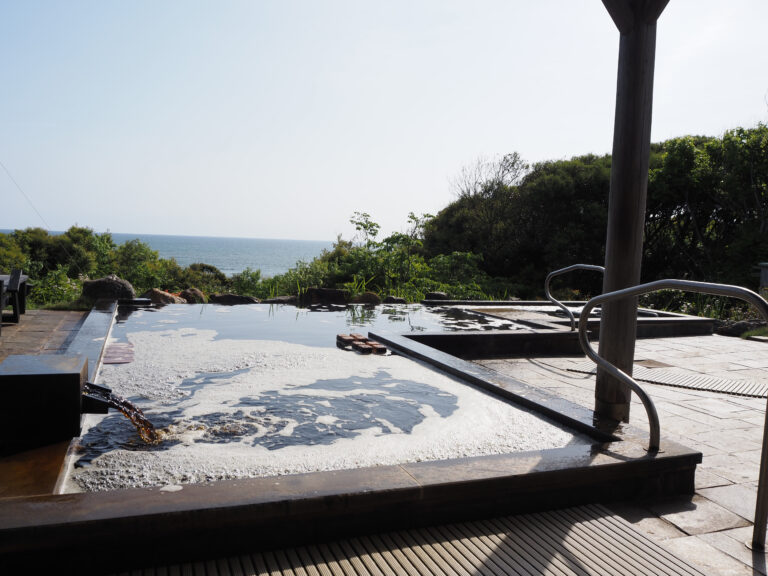
Ibaraki Flower Park

Ibaraki Flower Park

Info

JR石岡駅→車30分。または関鉄グリーンバス石岡・やさと観光周遊バス(土・日曜、祝日のみ運行)で30分、バス停:フラワーパーク前下車、徒歩すぐ
12km15 minutes from Joban Road Tsuchiura Kita IC via National Route 125
1200 units

Business Hours

9~17時(イルミネーション期間は~20時30分、1月下旬~2月下旬は~16時)。変動あり、詳細は公式HPを要確認

Price

入園大人900円、小・中学生300円。4~6月と10月~1月下旬は大人1200~1800円、小・中学生400~600円。未就学児無料、ペット200円

Spot Category

Garden, Botanical Garden, Herbal Garden, Other Experience Facilities


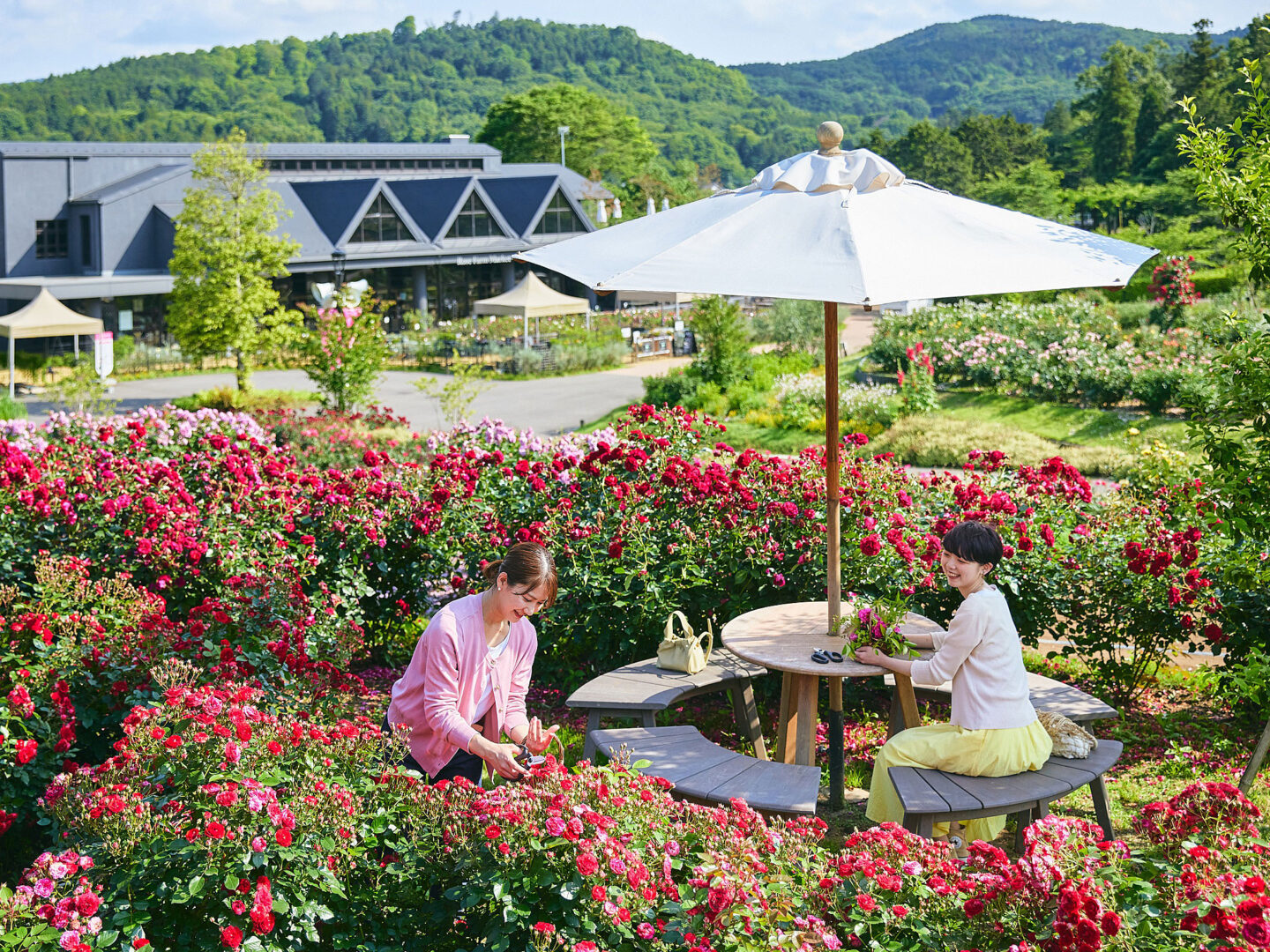
Experience the flowers and nature with the five senses at the foot of the satoyama
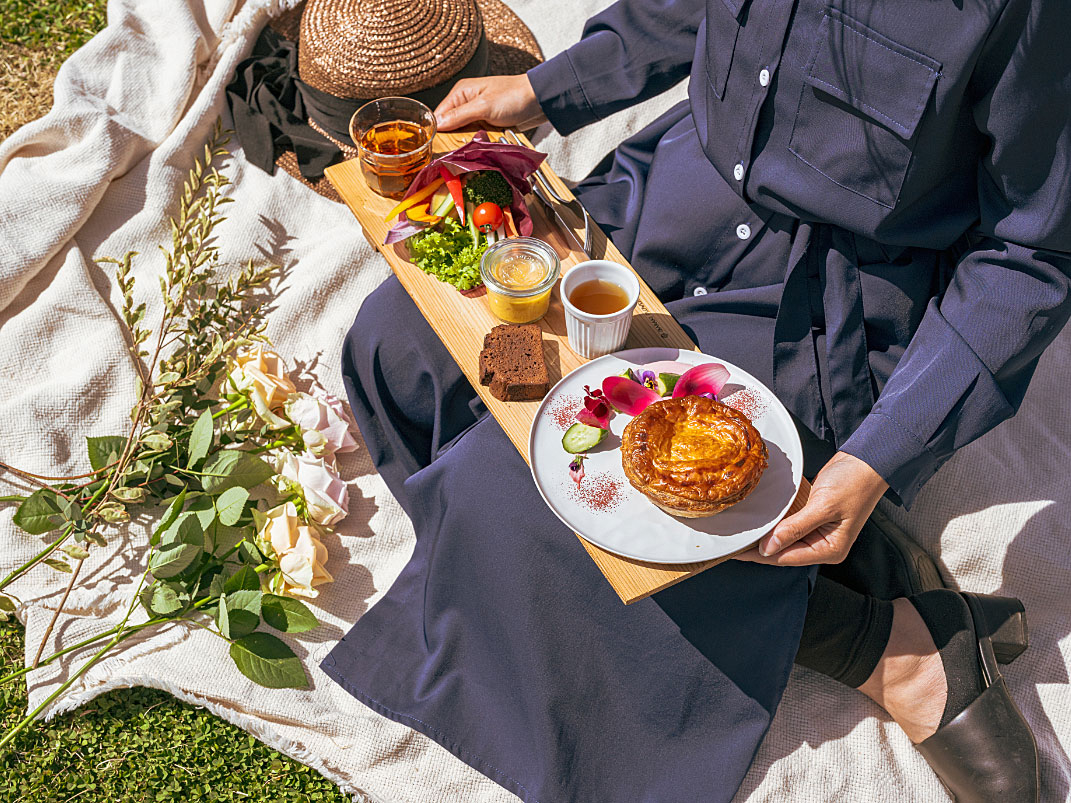

Feast of local Yasato [Yato] in Ibaraki Prefecture to taste in a flower garden
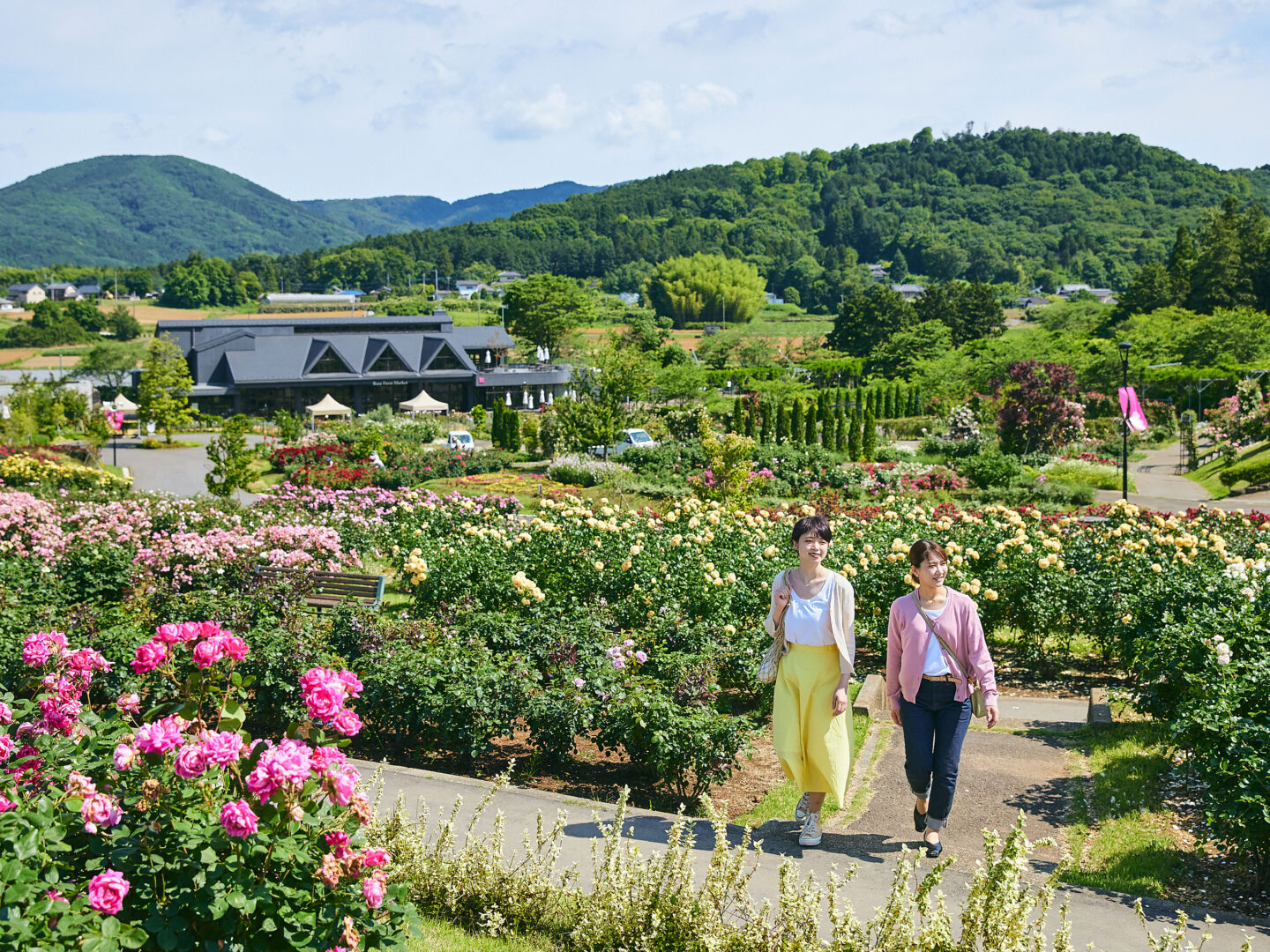

Roses spread in terraces, spring and autumn
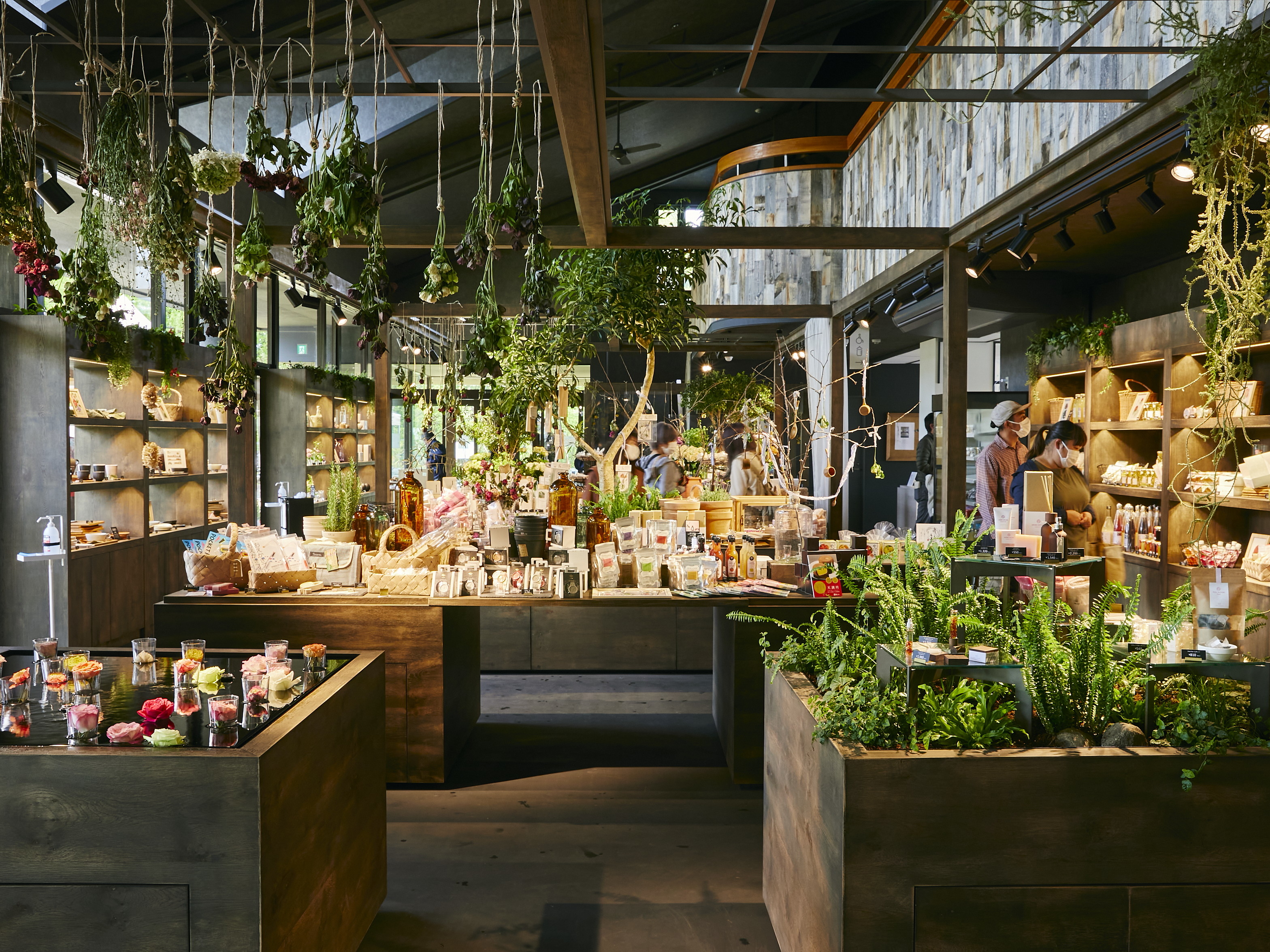

Free market & cafe with original items

The information provided reflects the details available at the time of the survey.
Please note that facility details may change due to the facility’s circumstances, so please check for the latest information before visiting. This content has been translated using machine translation.

Information provided by: JTB Publishing

This content uses automatic translation services. Automatic translations may not always be accurate.
Please note that the translated content may differ from the original meaning. We ask for your understanding when using this content.
Related Spots

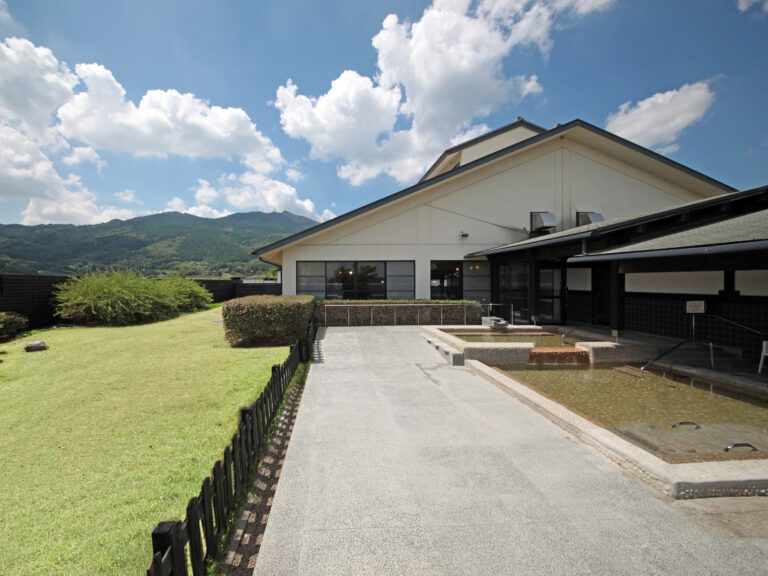
Yasato Onsen Yuri no Sato

A day-trip hot spring facility in an idyllic countryside overlooking Mount Tsukuba. The bathhouse includes a "Manba no Uto" with a dry sauna and a "Masahide no Uto" with a mist sauna. The open-air bath is made of rock by Masahide no Yu, which is opened by a rural landscape, and is made of stone by Manba no Yu, which overlooks Mount Tsukuba. The restaurant "Shifeng" is operated by JA Yasatto, which covers produce from the Tokyo metropolitan area. You can also enjoy dishes using specialty vegetables. There is also a large number of local products that line the goods building. The adjacent house where you can pick strawberries is highly cultivated and enjoy without bending the passage is spacious.

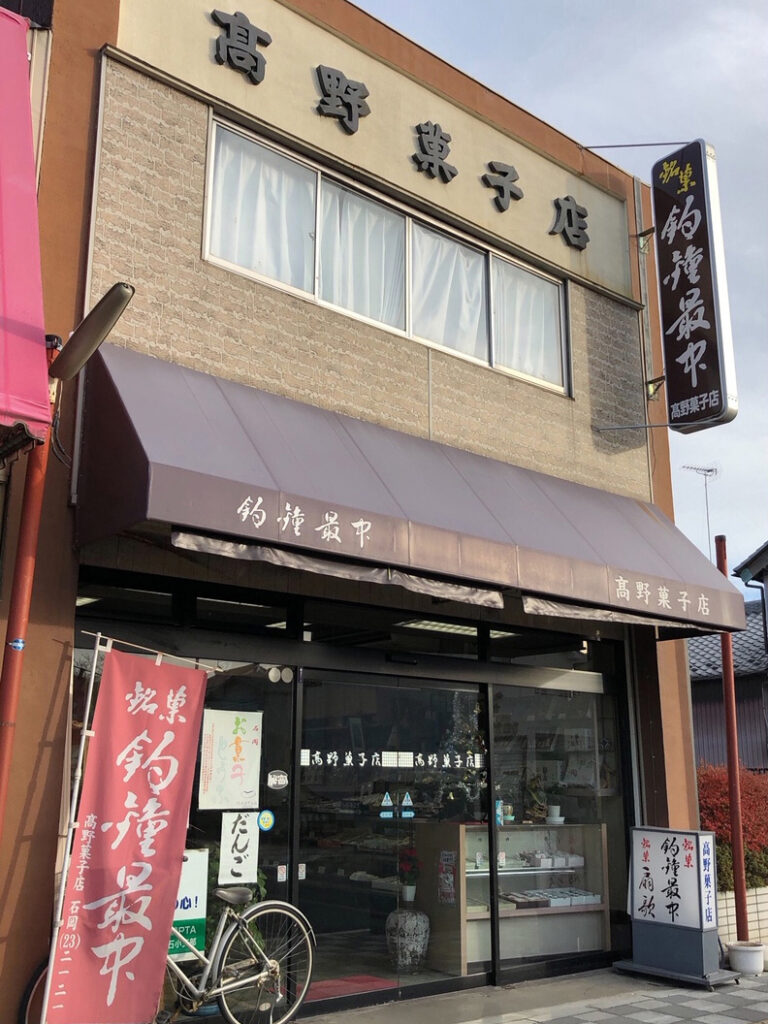
Koya Confectionery Store

A long-established confectionery store called the founding of the Meiji era. The specialty is 130 yen during the Yohu Bell, which is based on the name bell of the Jōryoku Kokubunji Temple. During the slightly elongated bell-shaped, the white skin is rubbed and the brown skin is crushed. The paste made from good-quality red beans from Hokkaido is filled with a light flavor. There are also 120 yen of a confectionery and fan song in the shape of the body of the shamisen line, which is named after the founder of the Tokyo metropolitan city of Yukari Ishioka.

Sour and Blueberry Farm

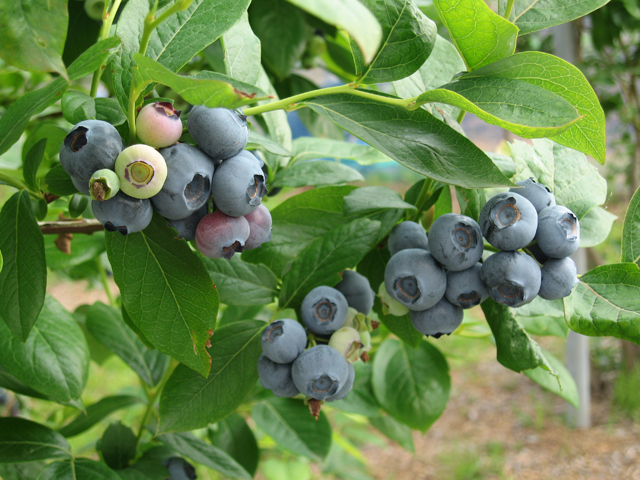
A tourist plantation located in a basin with views of Mt. Kami and Mt. You can grow about 40 kinds of blueberries and enjoy picking blueberries to pack your favorite kinds in a basket while tasting them in the field from June to August. In addition, the sale of picked fruit is also due to Golden Week. You can buy blueberries with a "crisp" fruit texture and mellow aroma, plus an average sugar content of more than 15 degrees.

Hongkei Temple

The year of Oei 21 (1414) is a famous temple of the Jodo sect, reportedly as the Genjon. A great deal of donation was made by the Tokugawa family to rebuild the main hall and bell tower (currently under reconstruction facilities and cannot be seen), from where they were deeply devoted to the tenth-generation Ryokujinjin, and established it as a bodhi-ji temple. The main hall, which is the best of the temple architecture of the early Edo period, is renovated in 2007. You can feel the power of the Tokugawa shogunate in the Buddhist tools and furnishings. On the left side of the main hall is the tomb of Chihime.

Shomei Temple

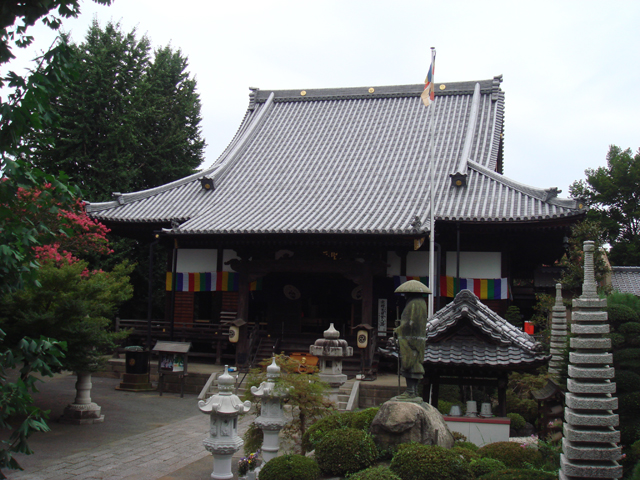
A temple of the Jōdo Shinshu Hongan-ji school. The first generation of the Seiki family, Asamitsu, who also participated in the shogunate as a sensei crowd, invited the younger brother of the clan, Shinbutsu, to open. It is said that the name of the temple, the name of the temple, is derived from the name of the law that Asamitsu came to the house and gave it to him. It holds a number of cultural treasures, including the "Shōjo Kanashu", which is said to be the autograph of Kinji, as well as portraits and wooden statues of the morning light, the Mireya Gate, and the Nijomon. At the back of the precinct, where there is a large ginkgo tree and a bronze statue of the saint, there are tombs ranging from the first morning light to the fourth generation Tokihiro.

Take-san Ocean

A health promotion hot spring facility established in a corner of Hokota City, blessed with a tropical climate along the Kashimanada coastline. The building features an elaborate design with a circular corridor, and the open-air bath with a view of the sea is pleasantly breezy. The large bath has two tubs, and the water quality is a yellow-brown sodium-chloride strong saline hot spring. Additionally, there is a 25m x 4-lane heated swimming pool for swimwear use and a training room, making it a facility perfect for refreshing oneself.

Contact Us: Business & Personal Inquiries

By proceeding, you agree to our Terms of Use And confirm you have read our Privacy Policy .

Notes

· We are available for inquiries 24 hours a day. Responses will be provided between 9:00 and 18:00 (including weekends, public holidays, and year-end/New Year holidays).
· Depending on the nature of your inquiry, it may take some time for us to respond.

RURUBU & ALL WAY JAPAN
Privacy Overview

This website uses cookies so that we can provide you with the best user experience possible. Cookie information is stored in your browser and performs functions such as recognising you when you return to our website and helping our team to understand which sections of the website you find most interesting and useful.