Koyama/Shigawa Onsen

Koyama/Shigawa Onsen

Info

JR Koyama Station West Exit Rotary → 15 minutes by community bus (O-Bus, paid), bus stop: Shimokawa Onsen, a short walk
24km40 minutes from Tōhoku Expressway Sano Fujioka IC via National Route 50/4
175 units/free

Business Hours

8 AM to midnight (reception until 11 PM, Saturday, Sunday, and holidays from 7 AM), private baths from 11 AM to 2 PM

Price

Adults on weekdays 850 yen (1,000 yen on Saturday, Sunday, and holidays), children (3 years to elementary school) 350 yen, family plan on Saturday, Sunday, and holidays (when adults and children are together) adults 850 yen, children (3 years to elementary school) 350 yen, private bath for 2 hours from 5,500 yen (reservation required, available on the day if open)

Spot Category

Hot Spring Spots and More


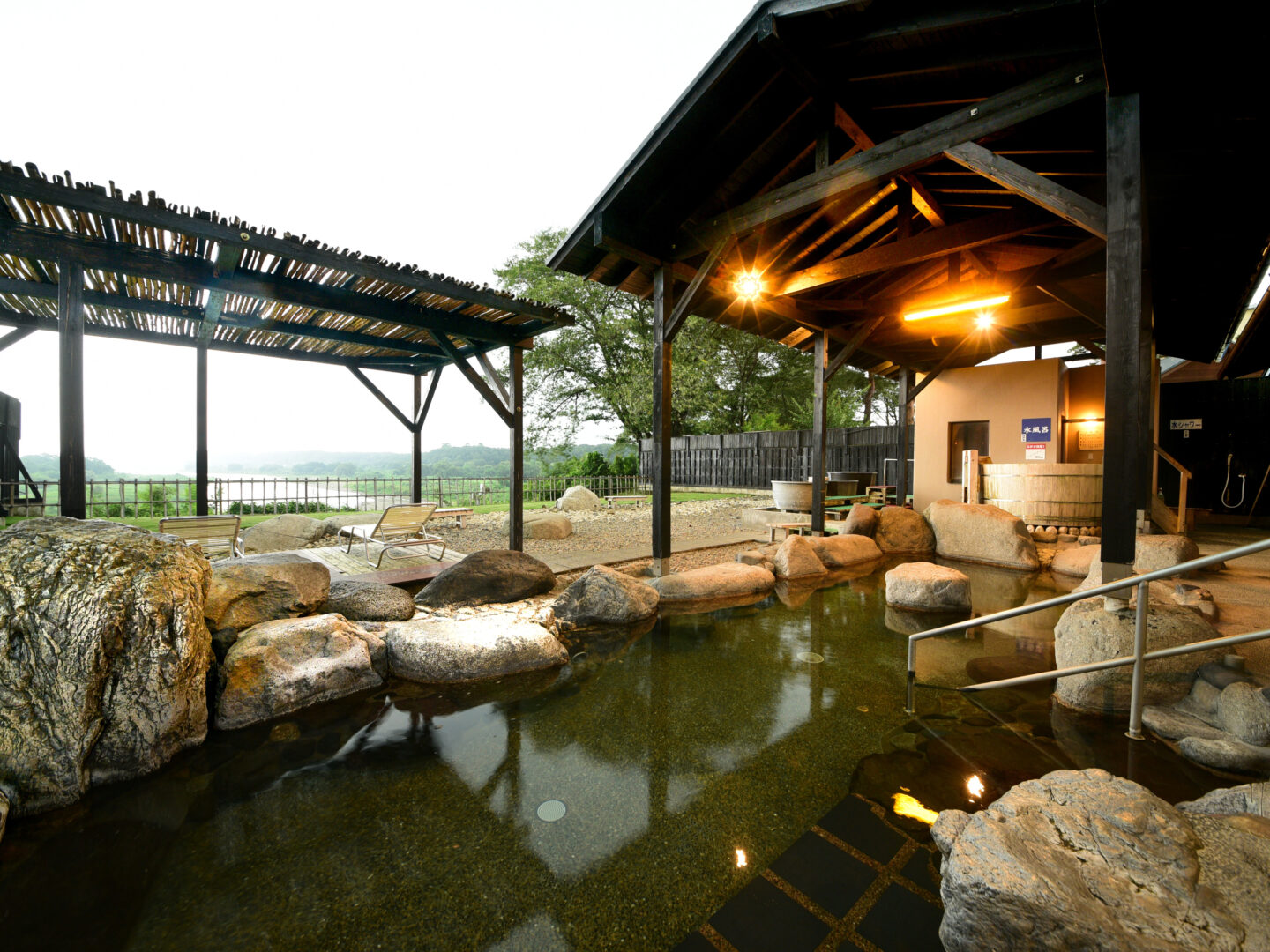
Enjoy the stunning view of the Shimokawa from our proud rock bath
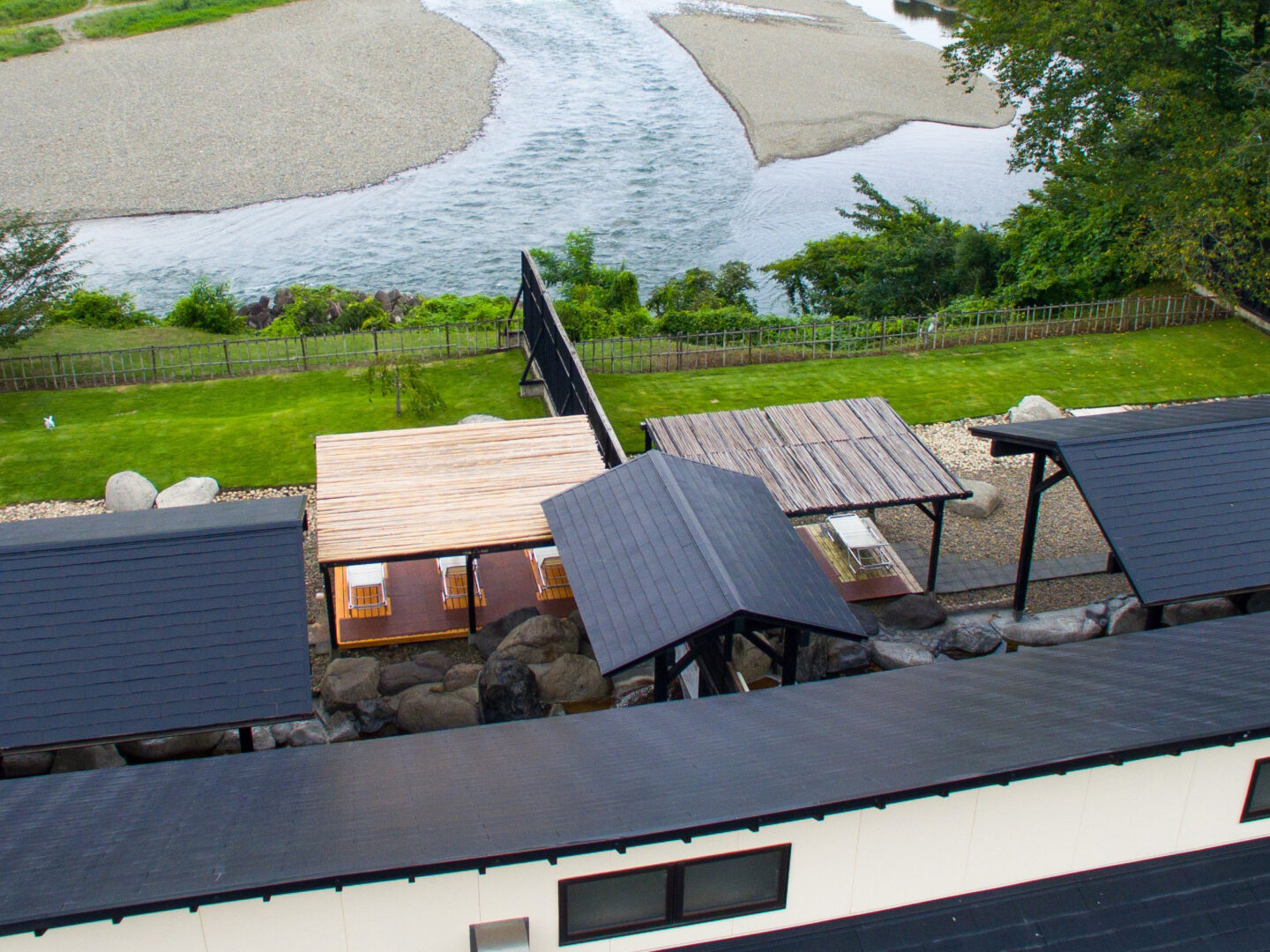

The majestic Shimokawa approaches directly in front of the open-air bath
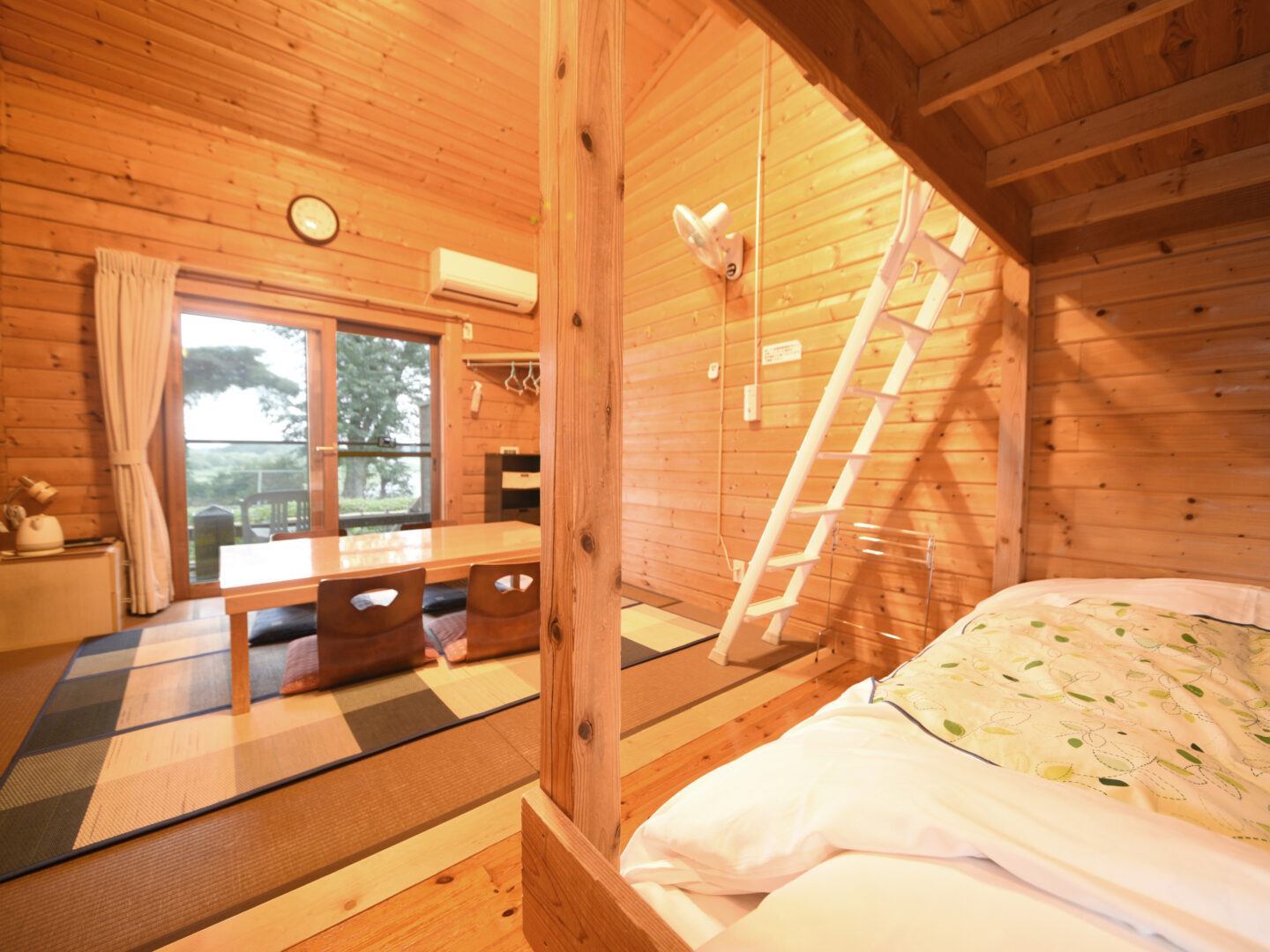

Welcoming you with all 6 rooms featuring open-air baths
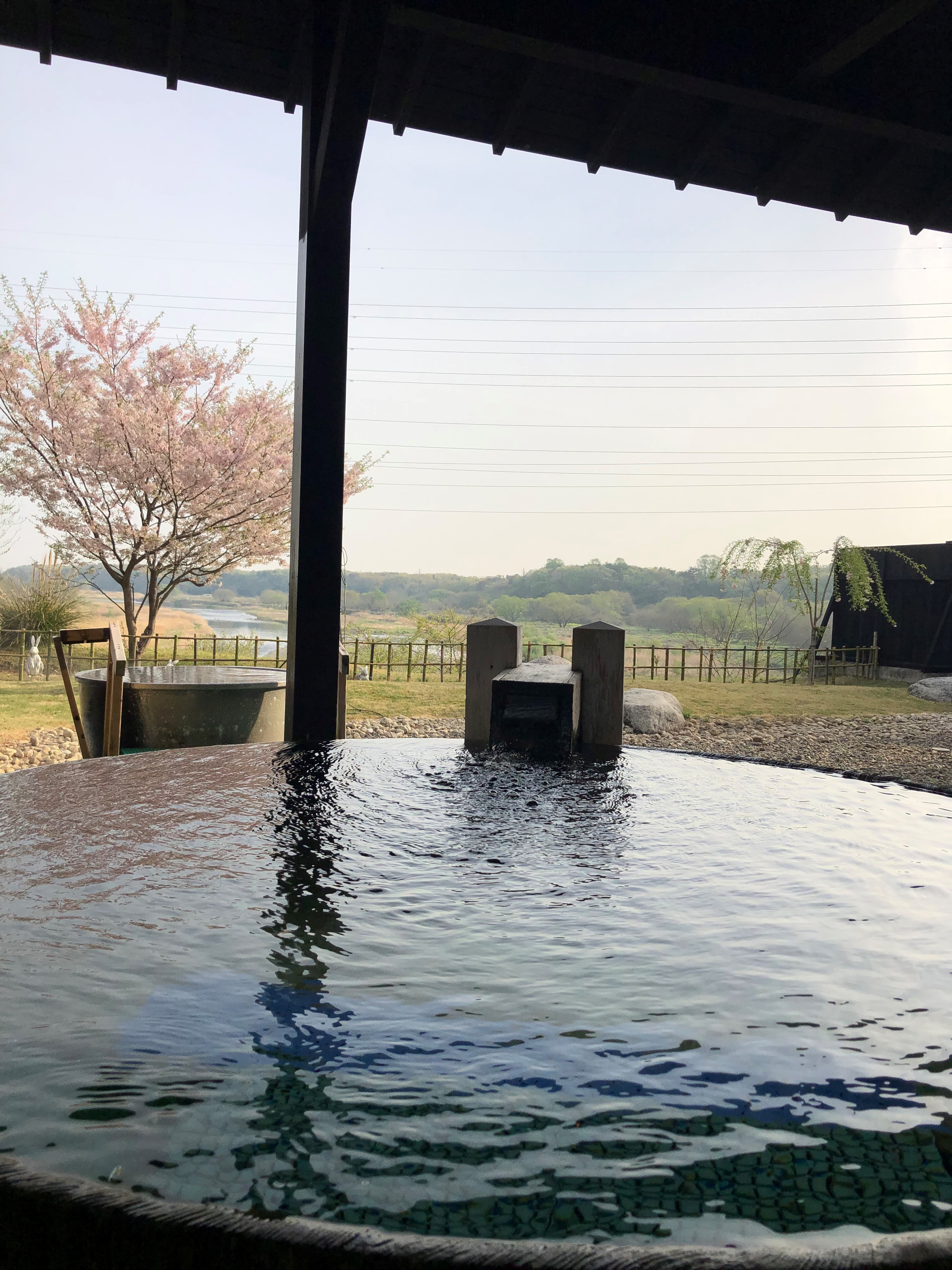

The outdoor cold bath after the sauna during cherry blossom season is exceptional

The information provided reflects the details available at the time of the survey.
Please note that facility details may change due to the facility’s circumstances, so please check for the latest information before visiting. This content has been translated using machine translation.

Information provided by: JTB Publishing

This content uses automatic translation services. Automatic translations may not always be accurate.
Please note that the translated content may differ from the original meaning. We ask for your understanding when using this content.
Related Spots

Koyama Ease of Water

A super sento in Oyama City equipped with a variety of baths and facilities. You can enjoy the Nasu Batou Onsen Bijin no Yu, as well as three types of saunas: a low-temperature sauna, a salt sauna, and an aroma sauna, along with a beautiful bubble bath and carbonated spring.

Masita

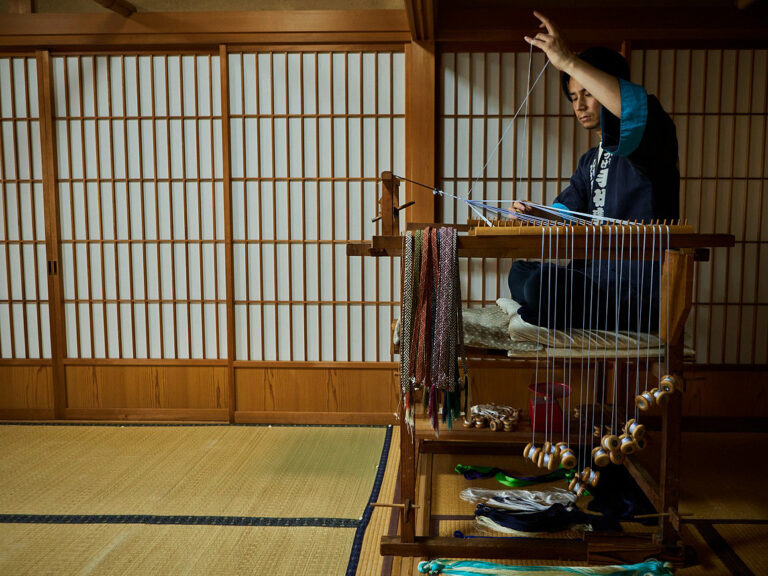
A craft handed down by the Watanabe family from generation to generation, the Japanese string is made by assembling the silk threads of various herbaceous silk threads of gold thread and silver thread. It is transmitted from the Kamakura era in a technique that involves attaching weights to each end of the thread and then cleverly crossing them to produce laces with intricate patterns while the thread is always strung. At present, it is used for bril and banori strings, and is mainly used for women's wear, but it was previously used for samurai armor due to its strength. For sale in stores, such as strap 1000 yen (body). Braid experience 1000 yen (reservation required).

Blueberry Farm

On a 1.2-hectare field, we cultivate a total of 1,200 blueberry plants of the Rabbit Eye and Highbush varieties, focusing on organic and reduced pesticide practices. In summer, you can enjoy blueberry picking surrounded by many flowers. In the garden, we sell homemade jams and sauces, as well as fresh vegetables brought in from nearby farms. There is a pizza oven and barbecue facilities available.

Mount Chausu

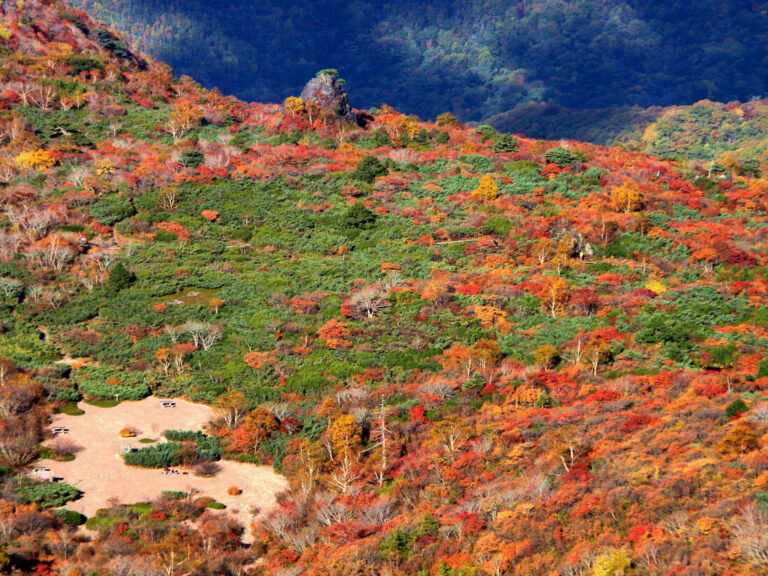
Mount Chausu at an altitude of 1915m, which is a troupe of the 100 Great Mountains of Japan and also the main peak of the Nasu Renzan. The mountain side still has white smoke from what is called the Invisible Hell. If you use the Nasu Ropeway over the mountain, you can easily descend to the 9th station of the mountain, and from there you can walk about 50 minutes on the mountain trail and climb to the summit. The 360-degree view from the summit is amazing. In addition, the autumn leaves of the surrounding mountains such as Ubagadaira and Mt. Asahi and Mt.

Seongshan Park

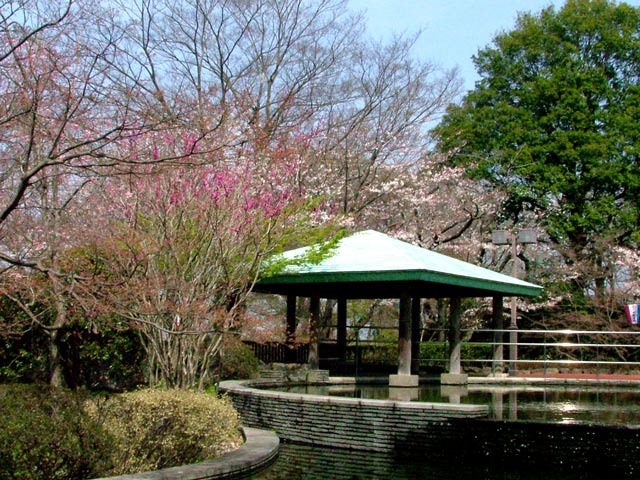
The park was created on the site of a castle built by Mr. Sano in Karamasawa during the Kamakura period, which is said to have been moved from Gyeongsang 5 (1600) to Gyeongsang 19 (1614). It is especially busy during the cherry and azalea periods. There are Manba no Sato/Shiroyama Memorial Hall (free entry, time: 9-17 o'clock, regular holiday: Monday (open for public holidays), the next day of public holidays (open for public holidays), New Year holidays (open for public holidays), New Year holidays).

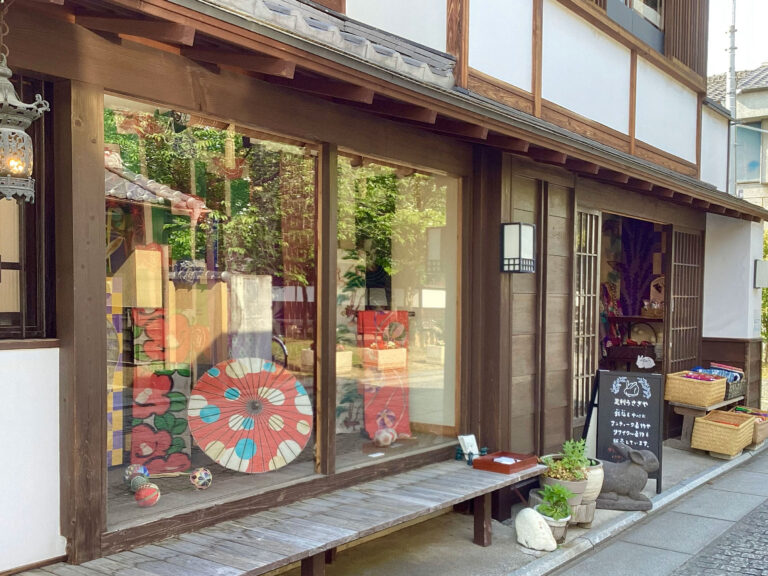
Rabbit or

A store that offers a rich selection of everyday kimono such as Meisen and old fabrics, mainly from the Taisho to early Showa periods. It's perfect for those who want to enjoy kimono casually, those who simply love fabric and old items, and those who prefer handmade items. On the second floor, there is a Taisho Roman-style room and a workshop where you can order remakes from kimono to Western clothing. You can also consult about rental coordination for antique formal kimono for events like Shichi-Go-San, graduation ceremonies, and coming-of-age ceremonies.

Contact Us: Business & Personal Inquiries

By proceeding, you agree to our Terms of Use And confirm you have read our Privacy Policy .

Notes

· We are available for inquiries 24 hours a day. Responses will be provided between 9:00 and 18:00 (including weekends, public holidays, and year-end/New Year holidays).
· Depending on the nature of your inquiry, it may take some time for us to respond.