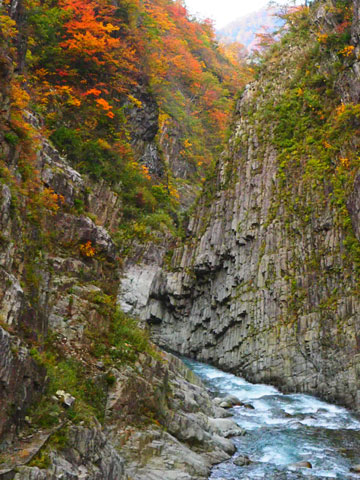
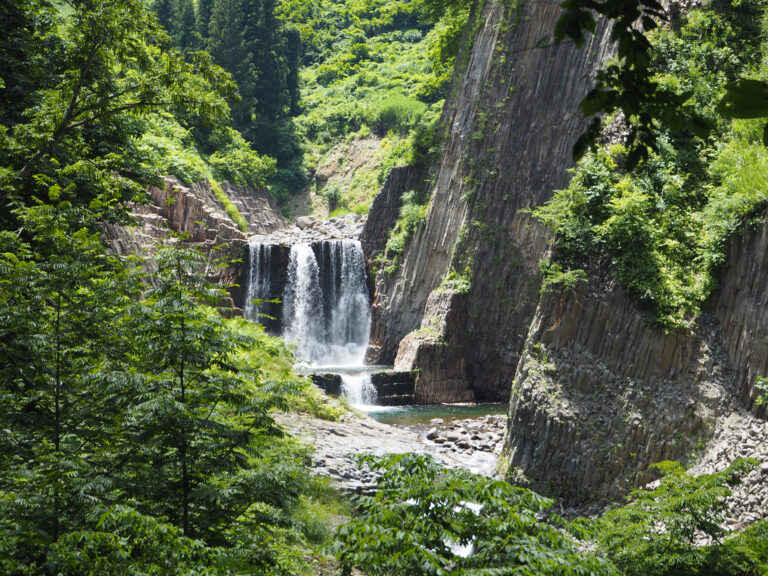
Kiyotsu Gorge

Kiyotsu Gorge

Info

JR Echigo-Yuzawa Station → Echigo Kotsu Bus 25 minutes bound for Mori-Miyanohara, bus stop: Get off at the entrance of Kiyotsukyo, 30 minutes walk at the entrance of the Kiyotsukyo Gorge Tunnel
13km25 minutes from Kanetsu Road Shiozawa Ishiuchi IC via National Route 17/353
155 vehicles/free, there is a bus parking lot (7 large buses can be parked), winter large buses are regulated in the parking lot in front of the valley tunnel

Business Hours

Free to explore. The Kiyotsu Gorge Tunnel is open from 8:30 AM to 5:00 PM (last entry at 4:30 PM), and from December to late February from 9:00 AM to 4:00 PM (last entry at 3:30 PM).

Price

Free to explore. Admission to the Kiyotsu Gorge Tunnel is 1000 yen for adults (high school students and above), 400 yen for children (elementary and middle school students), and free for preschoolers. *Prices may vary by season.

Spot Category

Rivers・Waterfalls・Springs・Gorges


Views from the Panorama Station
Provided by: (one company) Tokamachi City Tourism Association
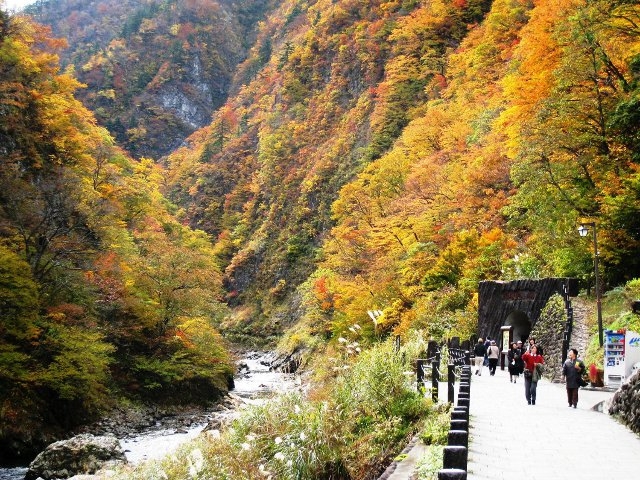

Tunnel Entrance
Provided by: (one company) Tokamachi City Tourism Association
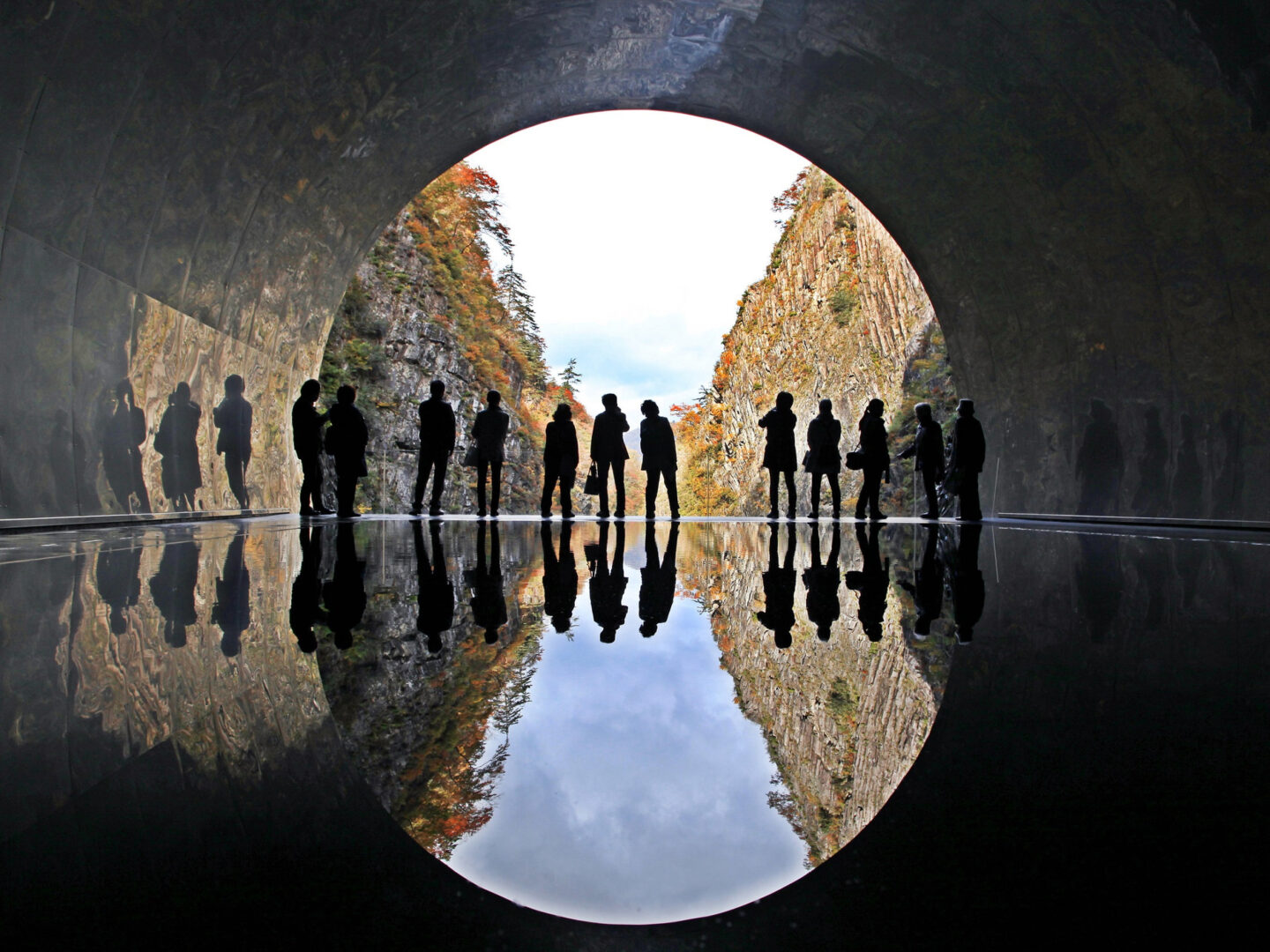

Ma Janson/MAD Architects "Tunnel of Light" (Art Festival of the Earth) (one company) Provided by Tokamachi City Tourism Association
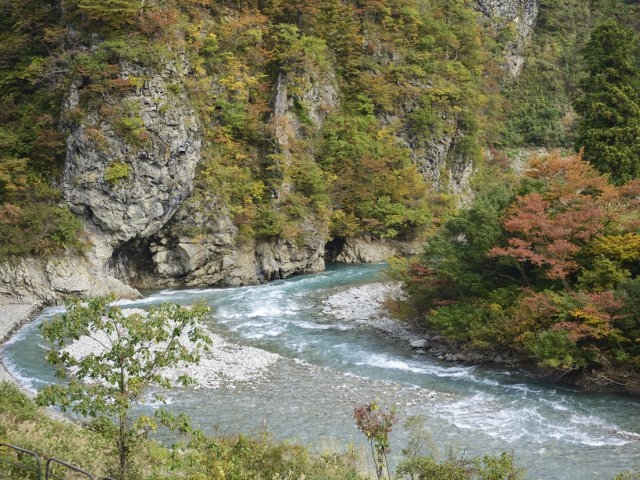

Near second parking lot
Provided by: (one company) Tokamachi City Tourism Association

The information provided reflects the details available at the time of the survey.
Please note that facility details may change due to the facility’s circumstances, so please check for the latest information before visiting. This content has been translated using machine translation.

Information provided by: JTB Publishing

This content uses automatic translation services. Automatic translations may not always be accurate.
Please note that the translated content may differ from the original meaning. We ask for your understanding when using this content.
Related Spots

Yukura Wife

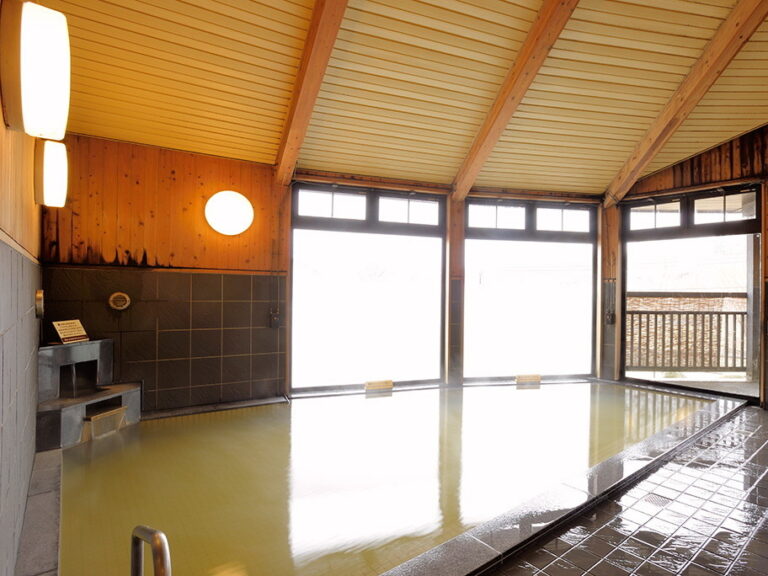
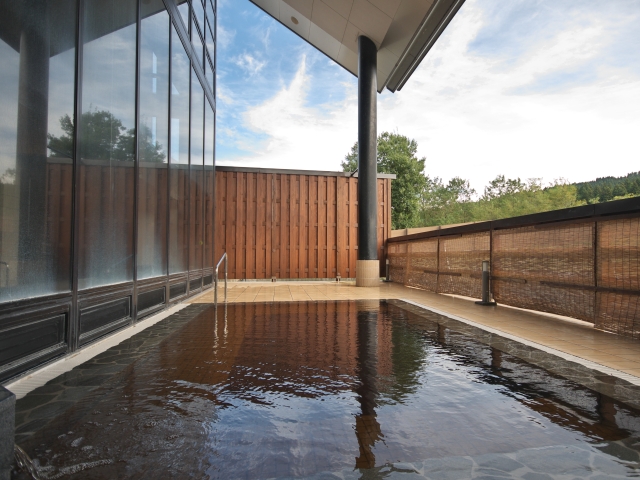
It is a two-story wooden day-to-day hot spring facility built like a heavy snowfall area on the banks of the Kiyotsugawa River. It is a place for local people to relax and interact. Large baths for different men and women and stone open-air baths are poured abundantly with a source of water.

With the mion

A hot spring facility on a quiet riverside with the Shinano River behind. You can enjoy a large bath with a sauna and a slightly reddish hot spring in an open-air bath with a great sense of openness. The public space is also substantial, complete with a restaurant, a great rest room, a rest room where you can take a nap, and accommodation facilities. The details are required by the official website.

Tashiro's Seven Pots

It consists of seven waterholes scattered across the Kamagawa River, which flows from the Naeba Mountains, and is designated as a national famous and natural monument. The precipices of both banks (andesite) across the Kamagawa River form the beauty of the valley with columnar spares, creating a mysterious landscape. It is an academically unusual landscape with a vertical layer with a cross-sectional layer on the right bank and a sheer left bank, and is also introduced in Suzuki's "Hokuetsu Yuki no Kipu", "Akiyama Noriyuki" by [Bokushi].

Yuzuru no Sato

"Tsuruyobo" is one of Sado's legends based on the play "Yuzuru" by Shunji Kinoshita. This land was named Yuzuru no Sato because the author heard this in the Kitakatabe settlement. A monument of Shunji Kinoshita's own brush stands.

Hasedera Temple

In the second year of Datong (807), the old temple that was opened by the Kobo Daishi. It was named because it imitated Haya-ji Temple in Nara. Yamauchi is large, there are 6 rooms for the first to sixth temple treasure exhibition rooms, and there are 5 courses for viewing (free, reservation system) from 20 minutes to 1 hour. You can also enjoy seasonal flowers such as peonies in May, cherry blossoms, azaleas and hydrangeas, and there are also three cedars (natural monuments designated by the prefecture) that are more than 1000 years old. The three statues of the eleven-faced Guanyin standing (Important Cultural Property) of the temple treasure, which is transmitted as the statue of the Hiroho Daishi, are the secret Buddha. It is published every 33 years (the next time is 2034). There are 15 cases of state-registered tangible cultural property such as the main hall, back back, tōmō-dō, bell-dō, and a corridor, as well as seven cases of prefecture-designated tangible cultural property such as the statue of the wooden hodo-myōō, the statue of the wooden kokudō, and the statue of the shitenno, and one case of the city-designated cultural property. In addition, there are 20 kinds of various experience courses.

Sado Museum

A general museum that transmits the nature, history, and culture of Sado, and also displays the sketch, drawings, and sketchbooks of Bokusen Tsuchida, a Japanese painter related to Sado.

Contact Us: Business & Personal Inquiries

By proceeding, you agree to our Terms of Use And confirm you have read our Privacy Policy .

Notes

· We are available for inquiries 24 hours a day. Responses will be provided between 9:00 and 18:00 (including weekends, public holidays, and year-end/New Year holidays).
· Depending on the nature of your inquiry, it may take some time for us to respond.

RURUBU & ALL WAY JAPAN
Privacy Overview

This website uses cookies so that we can provide you with the best user experience possible. Cookie information is stored in your browser and performs functions such as recognising you when you return to our website and helping our team to understand which sections of the website you find most interesting and useful.