Shohoji Temple

Shohoji Temple

Info

JR Kamo Station → Nara Kotsu Bus 20 minutes for Kosugi, Wazuka-cho, bus stop: 5 minutes on foot
15km30 minutes from Yamadagawa IC on Kyonawa Road via National Route 24, 163 and Prefectural Route 5
20 units

Business Hours

Freedom of worship

Price

Free

Spot Category

Shrines・Temples・Churches

The information provided reflects the details available at the time of the survey.
Please note that facility details may change due to the facility’s circumstances, so please check for the latest information before visiting. This content has been translated using machine translation.

Information provided by: JTB Publishing

This content uses automatic translation services. Automatic translations may not always be accurate.
Please note that the translated content may differ from the original meaning. We ask for your understanding when using this content.
Related Spots

Chōan Temple

Emperor Yomei's third prince, Maruko, and Yamazakura, are believed to be self-made, and are located at the temple of Nishikoku Yakushi Reiba No. 26. The ancient temple of the Rinzai sect Nanzenji school. Sidare zakura, Someyoshi Shino and Yamazakura are planted in the precinct.

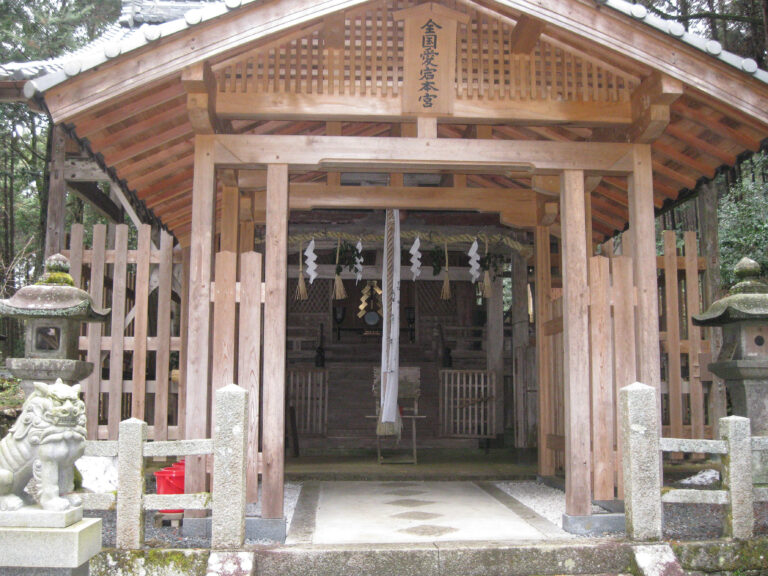
Atago Shrine

It is said to be the main shrine of Atago Shrine all over the country, and is known as the former Atago. The main shrine, which is said to have been erected during the Kamakura period, is a National Designated Important Cultural Property. The gods of the gods are the god of fire, the god of fire, the spirit of fire [Homusubi no Mikoto], and the great power of the great power.

Kannonji Temple

It blends into the idyllic satoyama landscape. It is said that in the Imperial Court of Emperor Tenmu, the Imperial Court of the Emperor of the Emperor, the priest, the priest, the priest, and the priest, Ryoben, on the wishes of the Emperor Shōmu, built a gaiji addition. The statue of the eleven-faced Kannon standing (national treasure) of the main statue was enshrined in Tenpyo 16 (744). It is a wood-shin-dried lacquer statue made in the late Tenpyo period to convey the breath of the ornate Tenpyo. It was also a connexus of Nara and Kōfuku-ji Temple, so it flourished under the asylum of Mr. Fujiwara, but it was burned down in the Middle Ages. Currently, only the main hall (Ōmido) stands quietly.

Contact Us: Business & Personal Inquiries

By proceeding, you agree to our Terms of Use And confirm you have read our Privacy Policy .

Notes

· We are available for inquiries 24 hours a day. Responses will be provided between 9:00 and 18:00 (including weekends, public holidays, and year-end/New Year holidays).
· Depending on the nature of your inquiry, it may take some time for us to respond.

RURUBU & ALL WAY JAPAN
Privacy Overview

This website uses cookies so that we can provide you with the best user experience possible. Cookie information is stored in your browser and performs functions such as recognising you when you return to our website and helping our team to understand which sections of the website you find most interesting and useful.
