English
  Japanese
  Chinese (China)
  Chinese (Taiwan)
  Korean
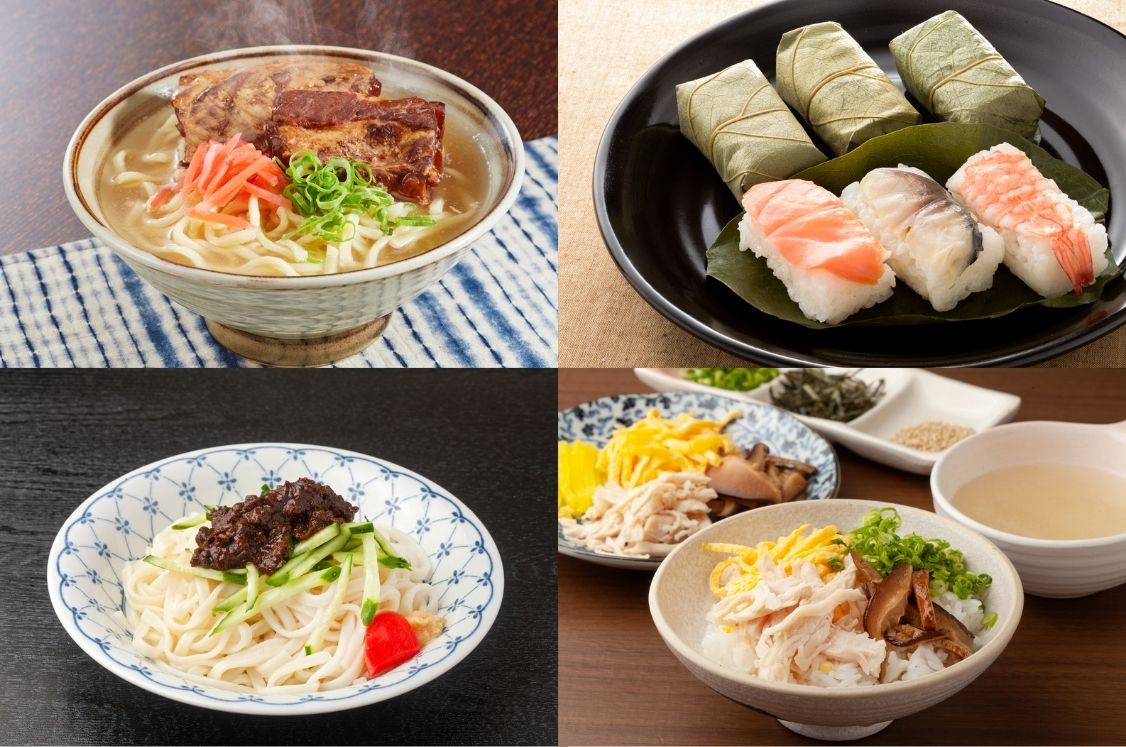
In Japan, there are many "local gourmets" rooted in the area throughout the country. There are a variety of dishes using local specialties, and dishes like a commoner loved by young and old, all of which are full of local characteristics. In this article, we select rice and noodles among local gourmets and introduce.
Kuroishi Tsuyu Yakisoba (Aomori Prefecture)
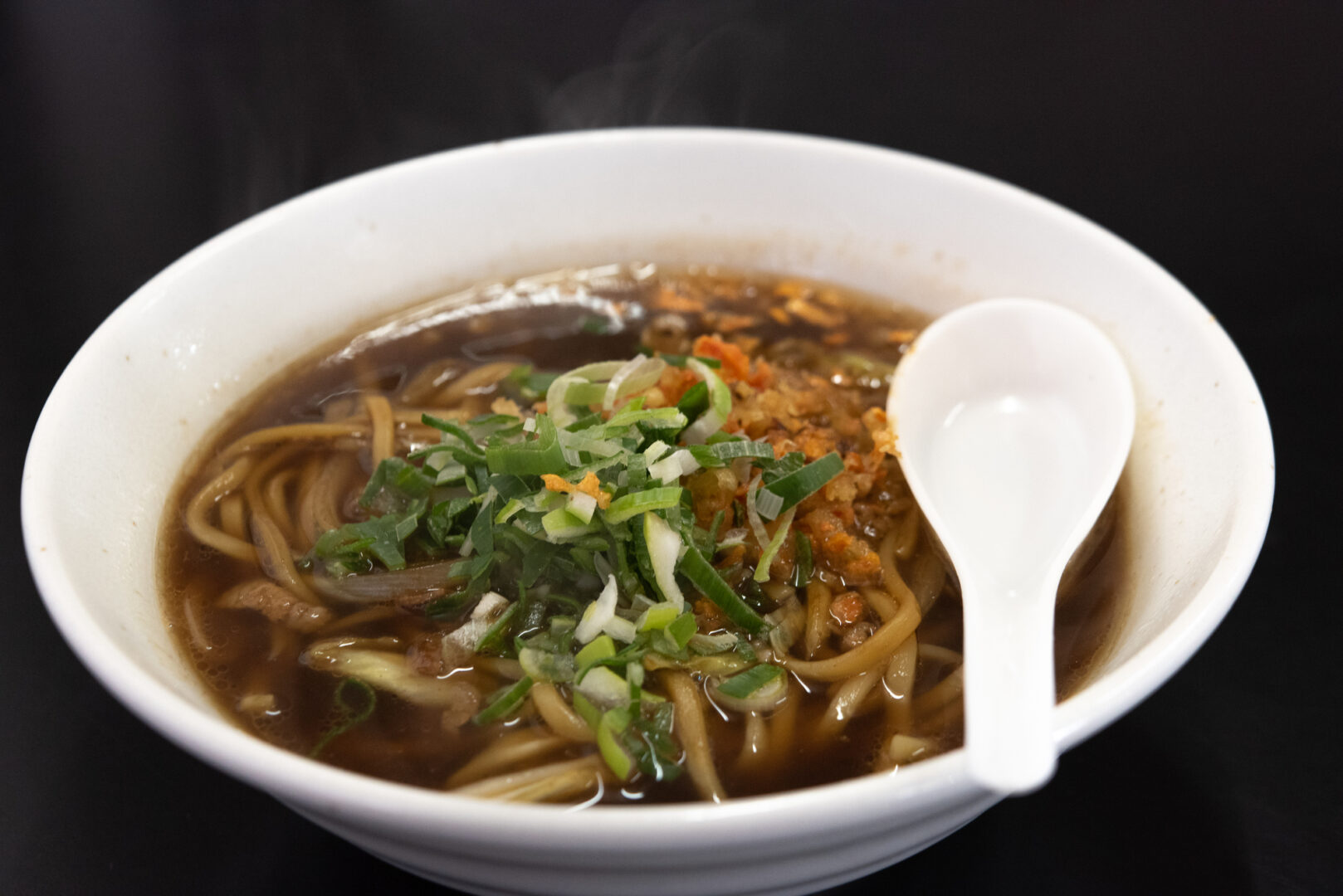
Kuroishi Tsuyu Yakisoba is a local gourmet in Kuroishi City, Aomori Prefecture. The main feature is that it is fried fried noodles made from thick and flat noodles in a sweet and spicy sauce, topped with soup such as Japanese-style dashi and ramen soup, and topped with fried balls and green onions. You can enjoy it at "Myoko Shokudo", "Sugo Shokudo" and "Drive-in Nishi Towada" in Kuroishi City.
Yokote Yakisoba (Akita Prefecture)
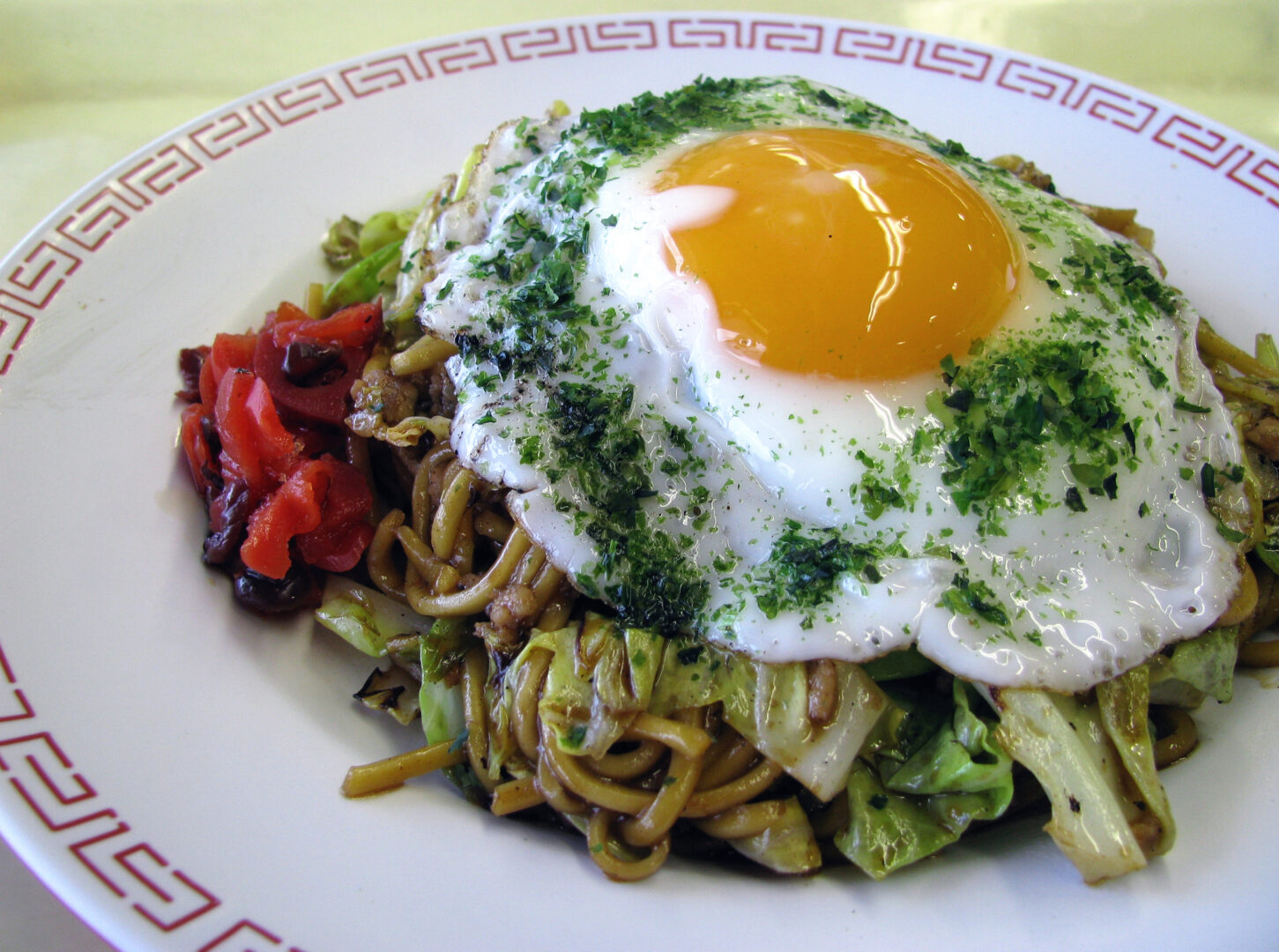
Yokote yakisoba is a local gourmet in Yokote, Akita, Japan, and is also familiar in the "B1 Grand Prix", where the B-class gourmet Japan is competing. He was born in an okonomiyaki restaurant in a stall shortly after the end of the war, and there were about 100 houses at the time, he said. The only ingredients for straight corner noodles are cabbage and ground pork. The original sauce from each store is added to the Worcestershire sauce, and a single-sided fried egg and pickled Fukujin are served. It can be eaten at "Ganso Kamiya Yakisoba Shaya", "Food Douraku Honten", "Hokkaiya".
Jaja Noodles (Iwate Prefecture)
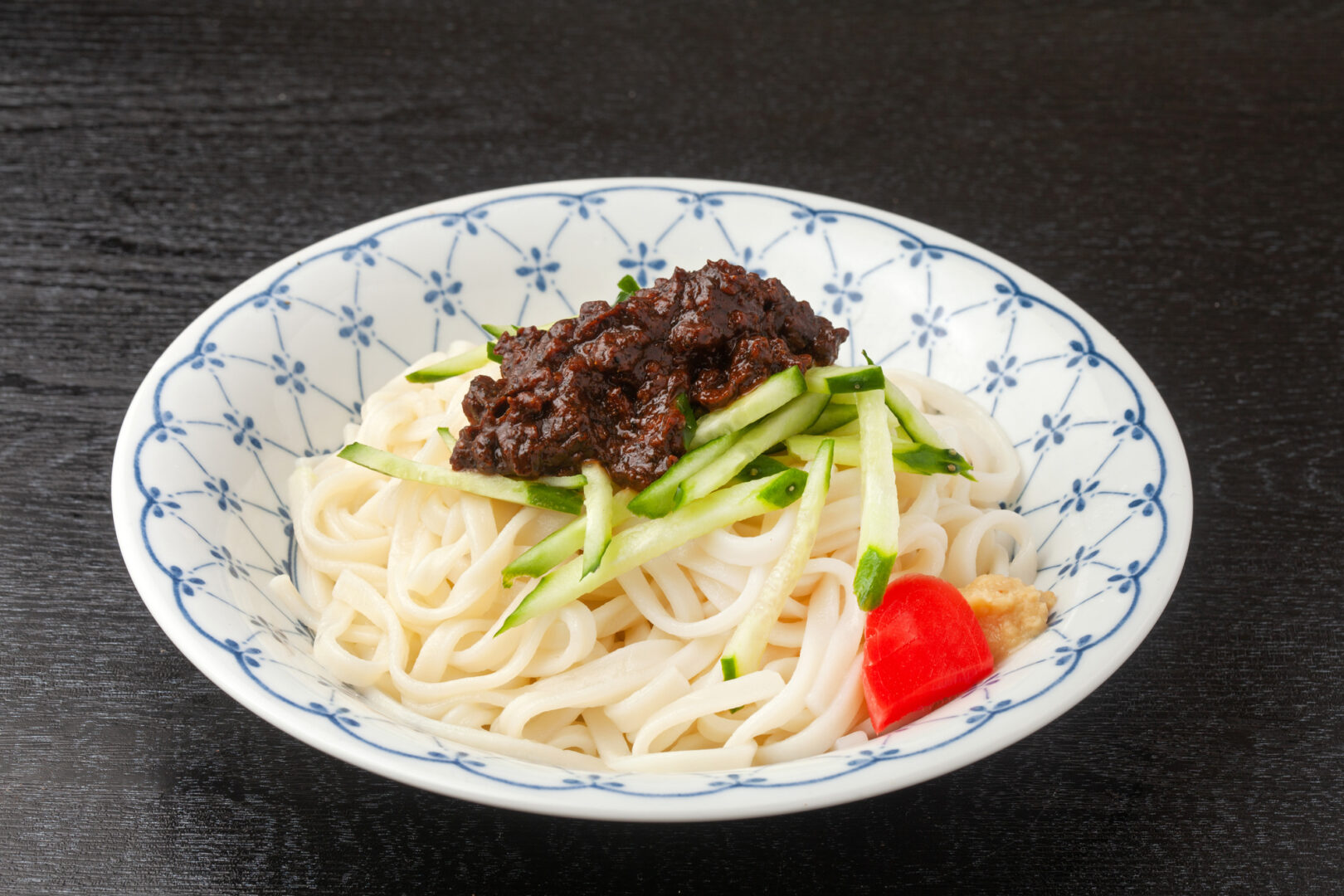
It is a dish that is handed down to Morioka City, Iwate Prefecture, and is said to have originated in China's "Jar Jar Noodles". The flat noodles are filled with meat miso and cucumber, long leek and red ginger. Add the chili oil or vinegar and garlic, mix well and eat it, and then finish with a soup called "chi-tan" by filling the finished bowl with raw eggs and boiled broth of noodles. "White Dragon", "Kojan" and "HOT JaJa" are famous.
Soki Soba (Okinawa)
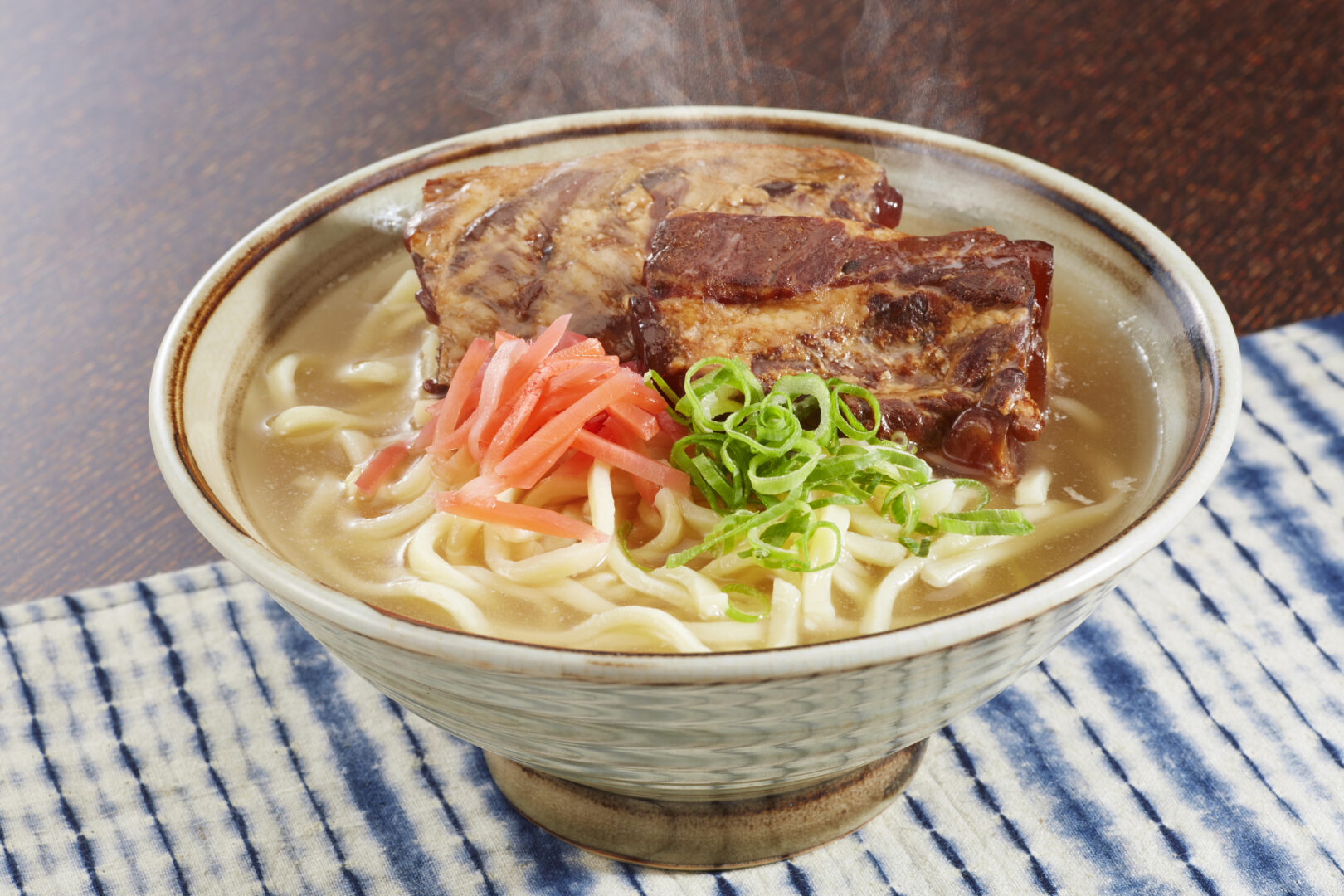
"Soki soba" is a dish made of stewed pork shark (soki) on top of Okinawan soba. The noodles with a unique texture and consistency made with flour and water, without using buckwheat flour, and the soup with pork bones, kelp and rice soup, and a sweet and boiled soft soki are exquisitely matched. "Asatoya Suba (Asatoya Suba)", "Okukikazaki Ichinan Minami", "Okinawa Soba Taira Noodle Shop International Street Store", and others are famous.
Black Ramen (Toyama Prefecture)
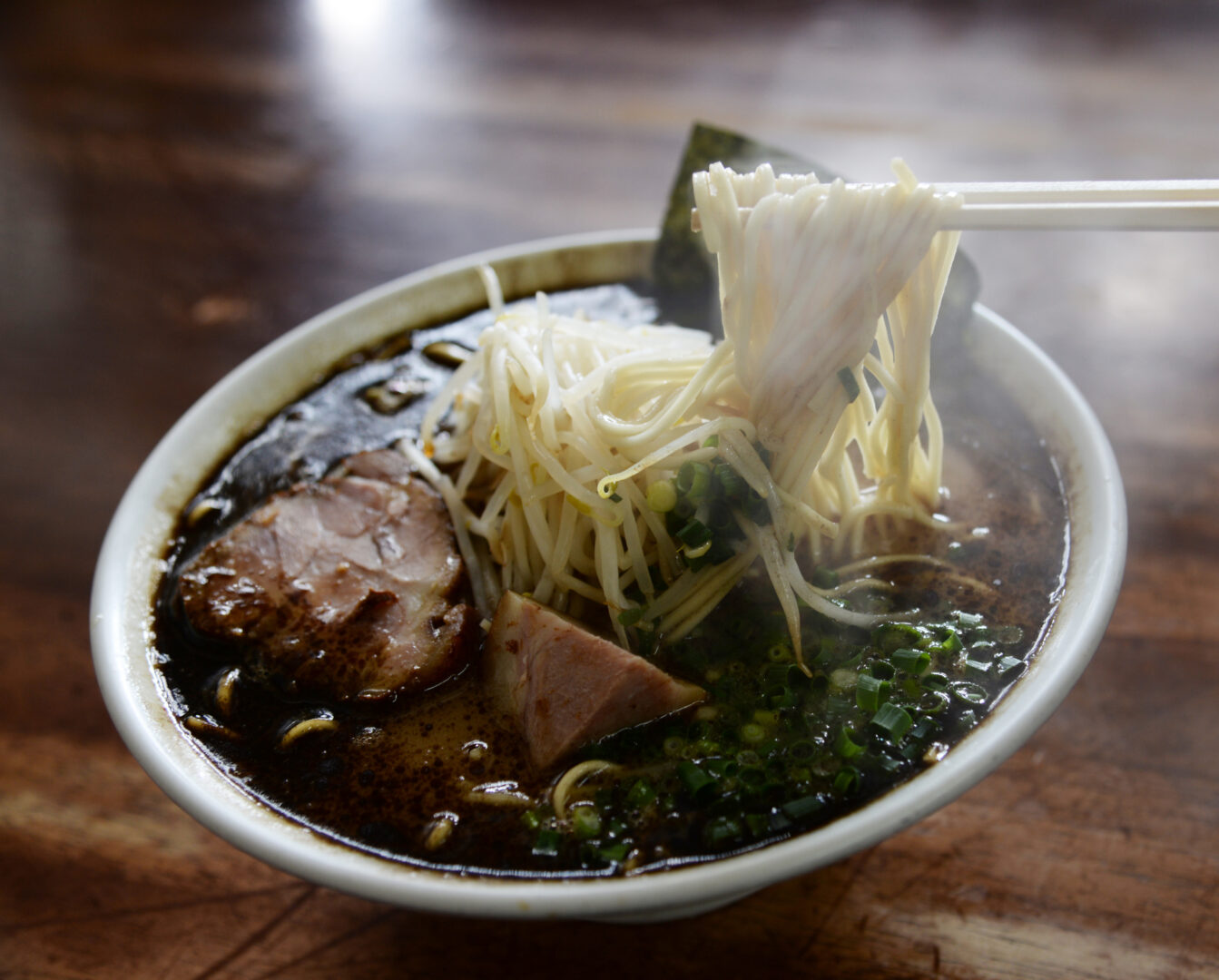
Black ramen, which originated in the center of Toyama City, is a local ramen featuring a black soup based on thick-mouthed oil. It is said to have been made for the purpose of salt supply for manual workers during the post-war reconstruction period, and it features a salty, punchy taste. The point is that thick noodles, which are not limited to soup, and plenty of ground black pepper are used. You can enjoy it with "Nishimachi Daiki", "Dharmaya Ramen", "Menya Iroha".
Lomen (Nagano)
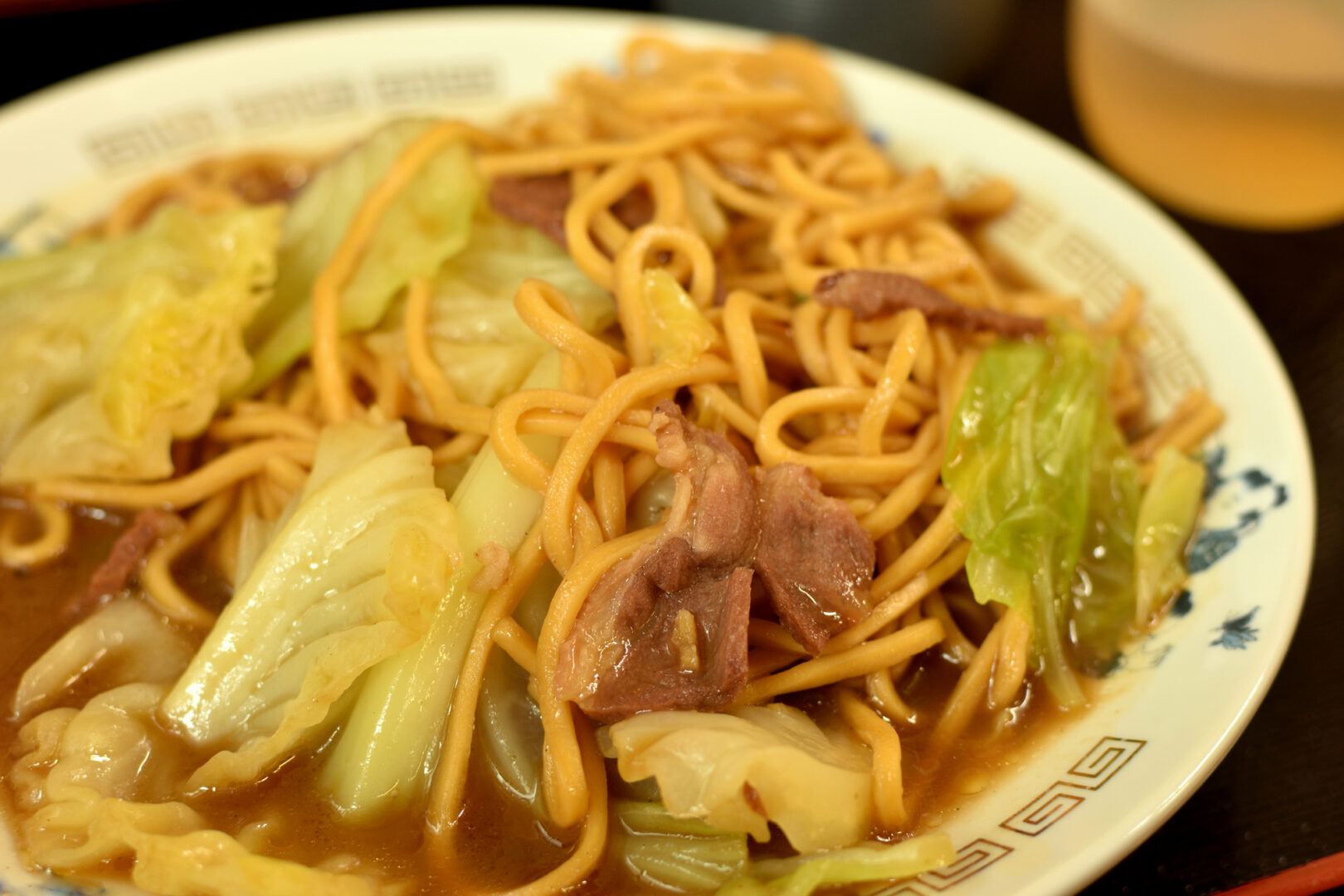
Lomen, a soul food in the city of Ina, Nagano, is a dish made of mutton and cabbage with thick, Chinese steamed noodles and stir-fried rice. There is a type that has a soup and a type of yakisoba without a broth, and it was originally called "fried meat noodles (charromen)", which was then named "romen" during the ramen boom. The soup type can be eaten at "Banrihonten" and "Hanakura", and the yakisoba type can be eaten at "Tamura Shokudo" and "Ushio".
Hoto (Yamanashi Prefecture)
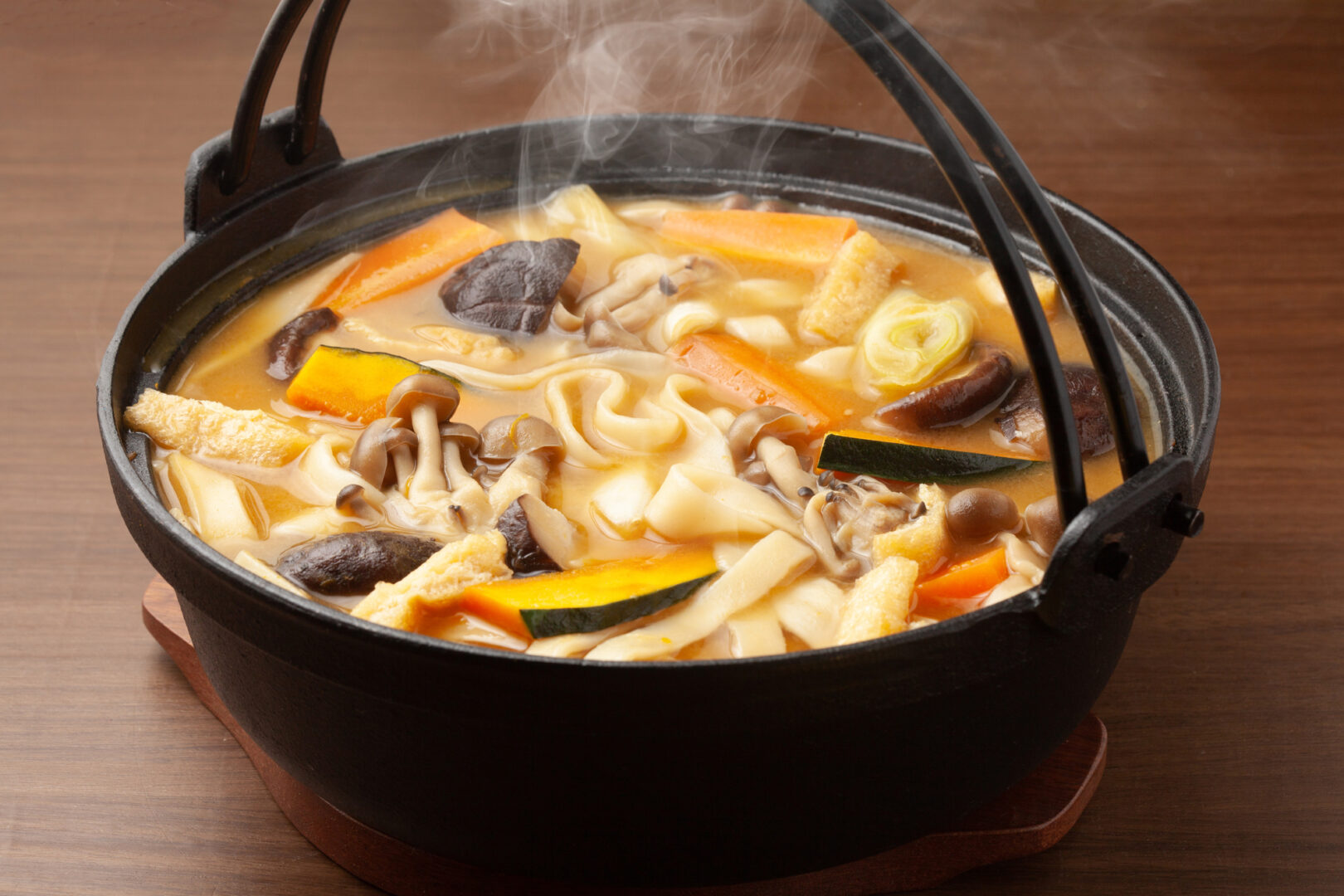
Hōtō is a local dish of Yamanashi Prefecture, made from wide flat-lined noodles made from flour, made from pumpkin and other vegetables and meat boiled in miso-style juices. Unlike udon noodles, the noodles do not use salt and are boiled in a raw state. The crumbled vegetables and miso are combined and thick. "Hōtō Hōnari", "Hōtō Fudo" and "Chiyodada" are popular among others.
Persimmon Leaf Sushi (Nara Prefecture)
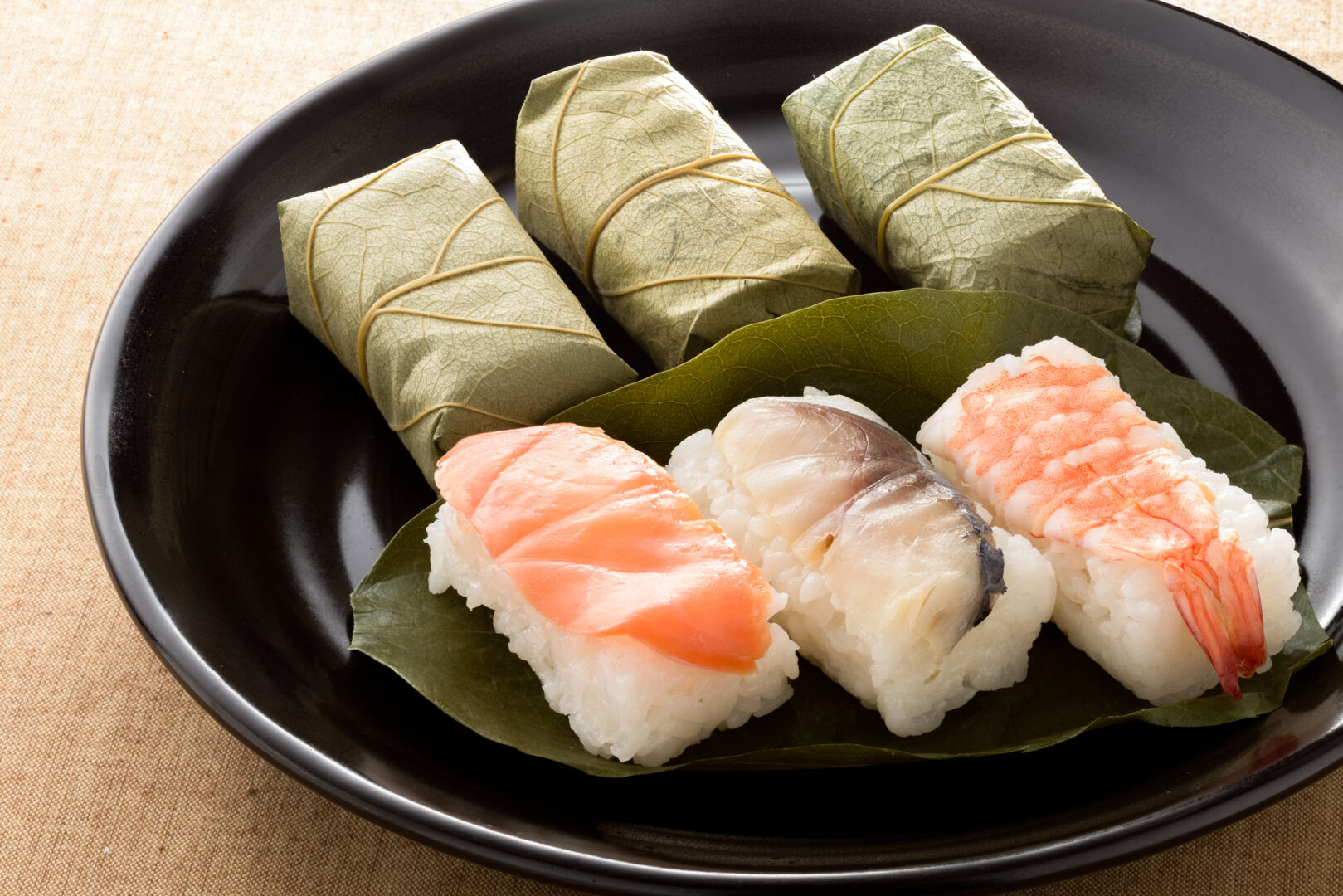
Persimmon leaf sushi is a local dish of Nara and Wakayama prefectures, in which fish fillets such as salted mackerel are placed on a bite-sized piece of vinegar rice and are wrapped in persimmon leaves. Not only does the preservation increase due to the antiseptic action and antibacterial and antiviral action of the persimmon leaves, but the aroma specific to the persimmon leaves is transferred to the vinegar rice to create a unique flavor. Famous for "Izazaki", "Hirasou" and "Otaki Chaya".
Tile Soba (Yamaguchi Prefecture)
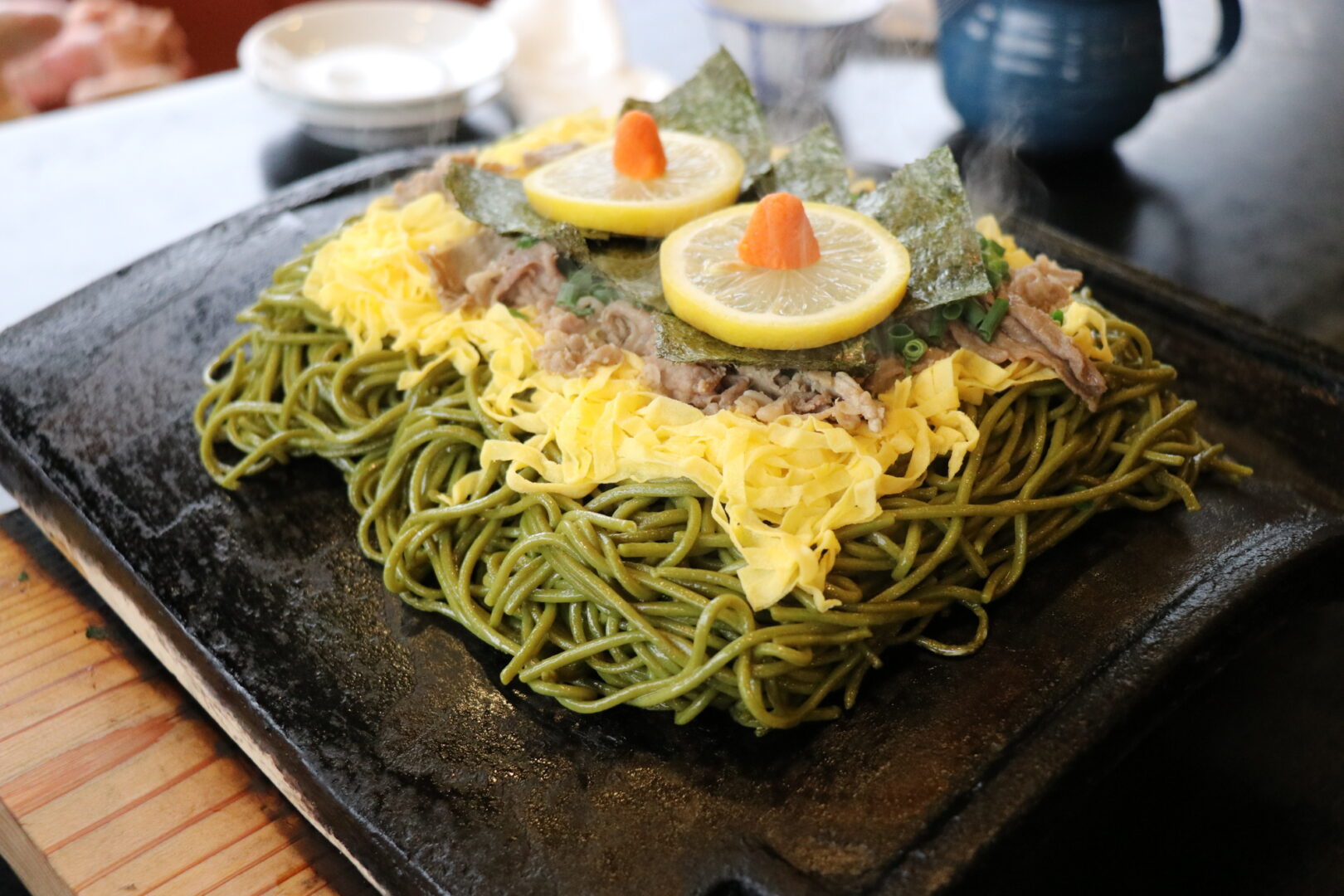
Kawasoba is a local dish of Shimonoseki City, Yamaguchi Prefecture. A dish inspired by an anecdote that soldiers used tiles to bake and eat ingredients during the Southwestern War. Put tea soba on top of the heated tiles, and top with brocade eggs, beef, nori, green onions, lemons, green leaves, etc. Put it on a warm noodle soup. You can taste it at "Ganso Kawarasoba Takase", "Kawarasoba Honten Ofuku", "Kawarasoba Yanagiya".
Chicken Rice (Kagoshima Prefecture)
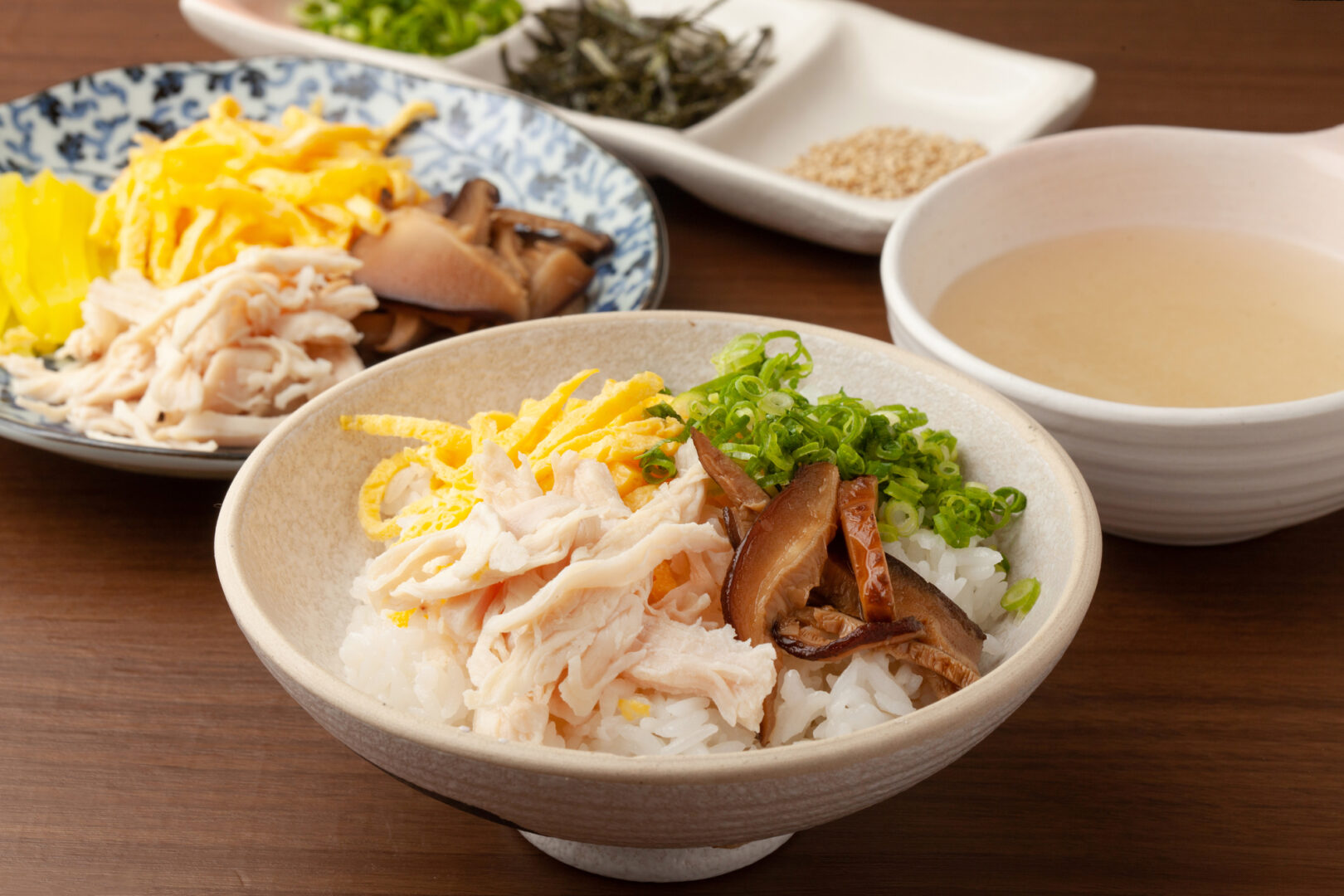
Chicken rice is a local dish of the Amami archipelago of Kagoshima, Japan. It is served with loosened chicken and brocade eggs over white rice, sweetly boiled dried shiitake mushrooms, pickled papaya, tangerine skin and other dishes, and served with hot chicken gala soup. At the beginning, it was cooked rice, but it became a style of soup after the war. "Minatoya Chicken Rice (Keihan)", "Keihan Hisakura (Hisakura)", and "Hamachidori-kan (Hamachidori-kan)", among others, are famous.