English
  Japanese
  Chinese (China)
  Chinese (Taiwan)
  Korean
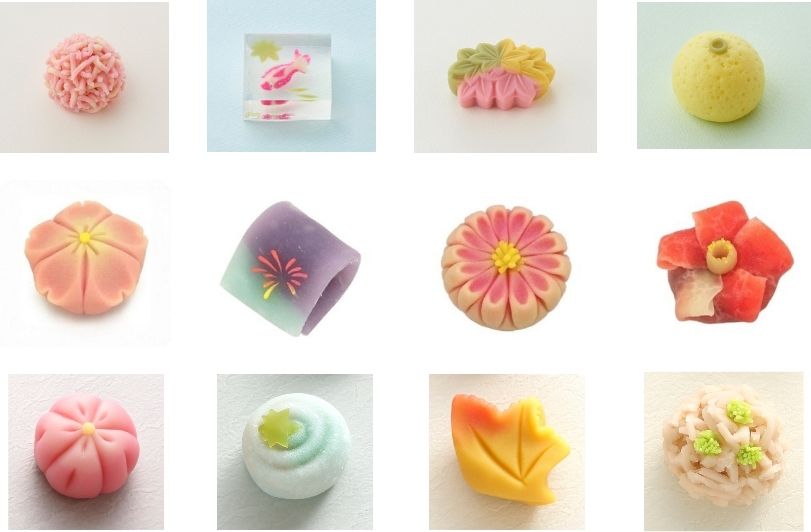
Events and seasonal style poems that have been transmitted to Japan since ancient times, flowers that bloom every season, and Japanese-raw confectionery (Wanamagashi) that imitates its crops in the fruitful season and represents the seasons. It is a waste to eat beautiful raw sweets formed with a smooth paste. We introduce the world of delicate and profound Japanese confectionery, which the spirit of the Japanese dwells on, to each season.
The world of "Japanese confectionery" that captures the colors of the season
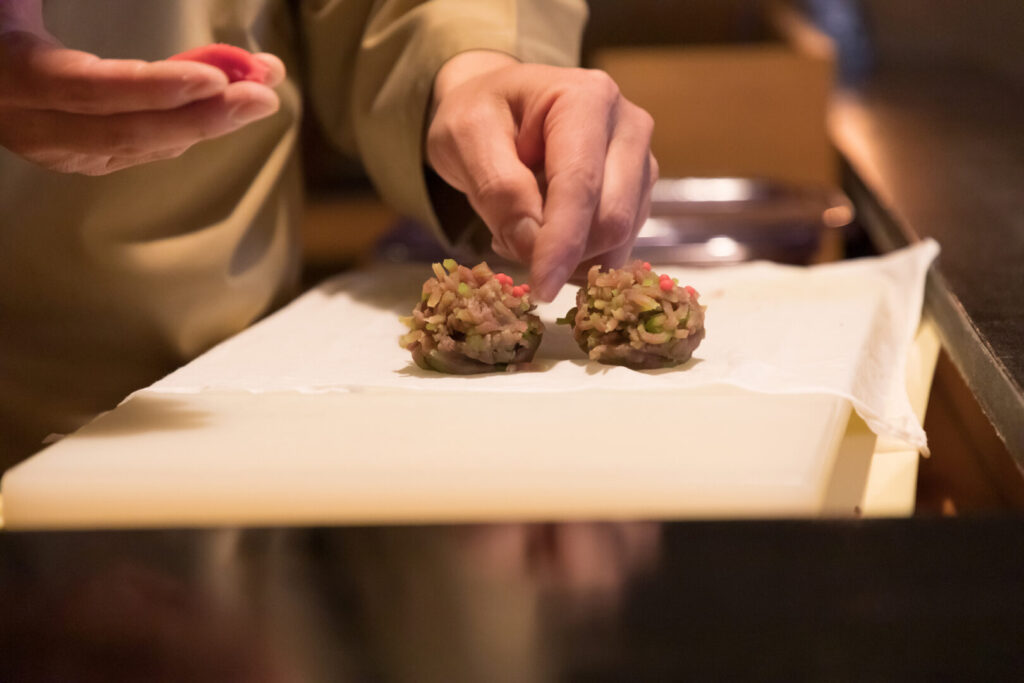
It began with the creation of dumplings made by processing tree nuts in the Jomon period, and in the Heian period, "camellia mochi" with rice cakes wrapped in bean paste sandwiched between camellia leaves appeared. After the Kamakura period, "dim sum" transmitted from the Tang Dynasty became the origin, japanese sweets spread to the common people as sugar became popular during the Edo period. At the same time as its base has spread, various Japanese sweets have been born, and it has reached the present day. Among such Japanese confectionery shops, the Japanese confectionery is introduced from three stores with a particularly long history and a reputation for delicate raw confectionery.
Toraya, who has also provided confectionery to the Emperor for five centuries
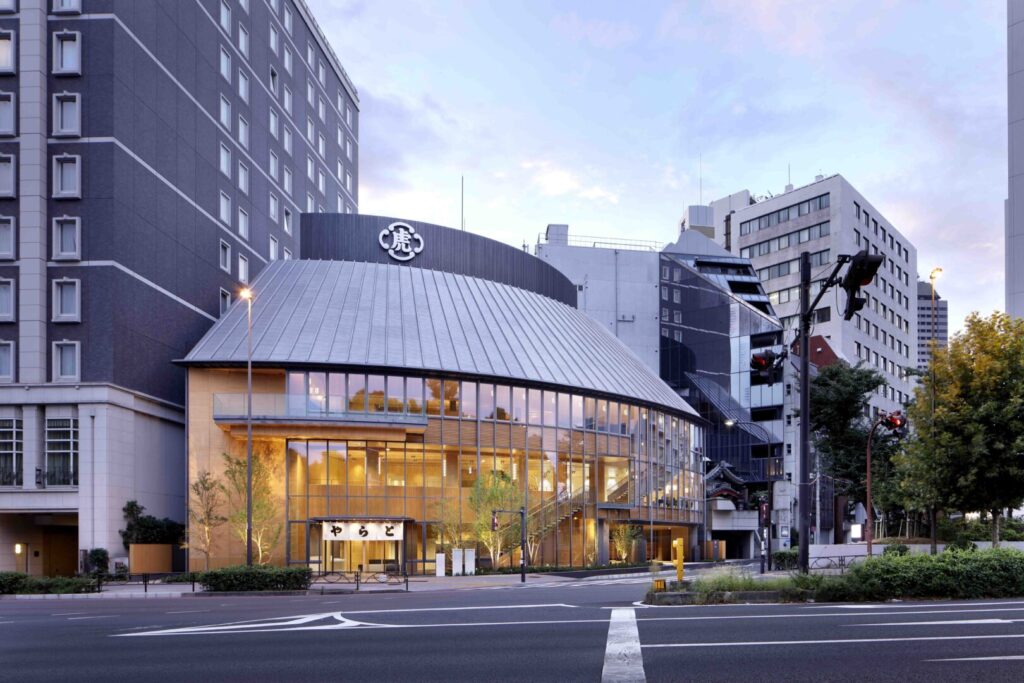
"Toraya" was founded in Kyoto during the late Muromachi period (c. 1467-1573 CE) and has been serving Japanese sweets for 500 years. Although the specific year of its founding was not clear, it began to store sweets at Gosho during the reign of Emperor Go-Yōtsune. Along with Tokyo Sento, the store in Kyoto has moved into Tokyo as it is, and it has been a long-established store in Akasaka for 140 years. There may be many people who think of yokan first when it comes to Toraya, but Yokan, which is brickered with carefully selected materials by skilled craftsmen, is respected by many people as a gift to those who care for its fine taste, it plays a role to expand its base, such as the development of small-shaped yokan and seasonal products that are easy to make souvenirs. There is also a reputation for delicate raw confectionery that reflects the season, and once in half a month, beautiful sweets with a sense of season are replaced. Since the raw confectionery is updated little by little depending on the year, it may be slightly different.
"Toraya" spring's raw confectionery
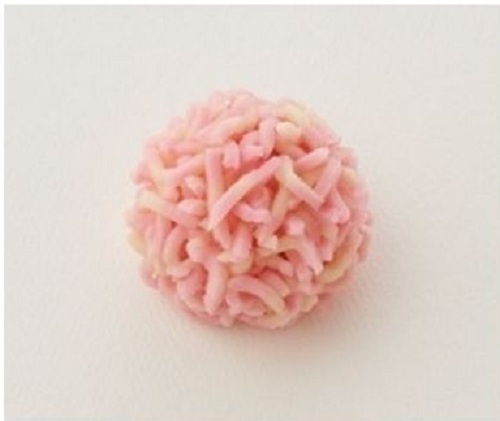
"Toozakura", which is recorded in 1979 materials, is one of the raw spring sweets. Strolling under the cherry blossoms in full bloom during the flower viewing season or having a feast under the cherry trees is a seasonal style poem that has been transmitted to Japan since ancient times, but sometimes there is a feeling of love for the mountain cherry blossoms that bloom in the mountains. "Yuzakura" is a raw confectionery that represents the dark and light of cherry blossoms that can be seen in the distant mountains. Ogura paste is wrapped inside.
"Toraya" summer's raw sweets
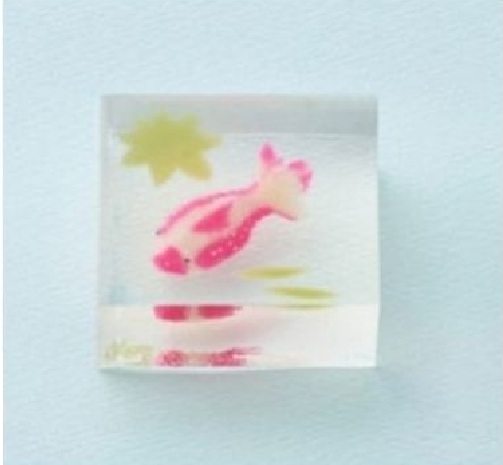
A goldfish swimming in glass pots and ponds that brings coolness when it comes to summer is the summer's season. The color also beautifully calls for Ryo, a summer-like confection that has a figure swimming in the shade of blue leaves floating on the surface of the water trapped in amber. I would like you to combine it with cold green tea. It is also a historic raw confectionery with a record in 1918.
"Toraya" autumn's raw confectionery
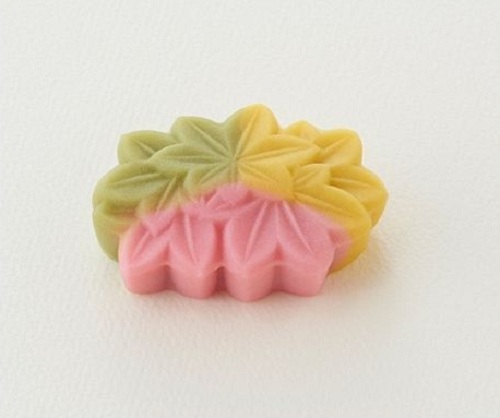
The vivid autumn leaves that color the mountains in the deepening autumn are also referred to as "Jinshiku", which is also likened to "Jinshiku", which weaves out ornate patterns. "Yamaji no Nishiki", which is shaped by colored and overlapping autumn leaves, is a raw confection wrapped in Gozen-an, which contains meat-kura. Think about the beautiful autumn leaves and want to taste the flavorful raw sweets. This raw confectionery is also surprising because its name remains in the material of 1918.
"Toraya" winter's raw sweets
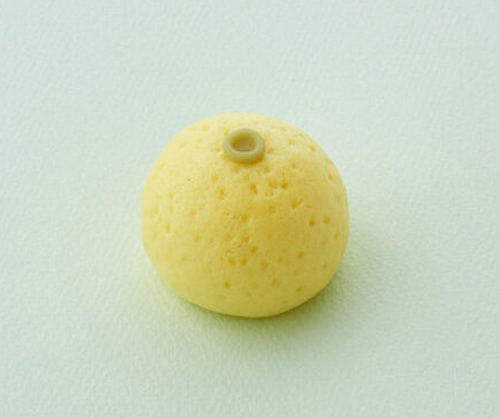
Yuzu has long been familiar in Japan. It is widely used not only for food but also for medicinal purposes, and on the day of the winter solstice there is a habit of taking a bath with yuzu. It was in 1840 that "Yuzugata", in the form of a long-familiar yuzu, appeared in the material for the first time. Described as "Joyo Yuzukata", this raw confection is familiar as Joyo Manju, which brings a seasonal scent, with the addition of fragrant yuzu skin grated.
List of stores in TorayaThis way.
"Tsuruya Yoshinobu" by the Imperial Court, the public house, and the famous tea ceremony
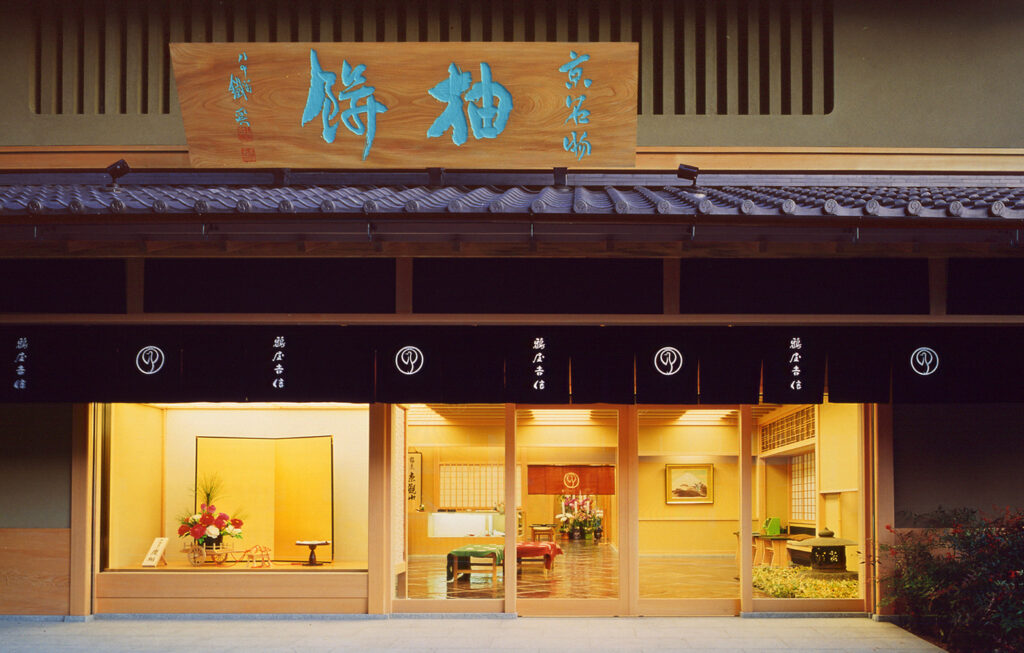
Yoshinobu Tsuruya, who was founded in Kyoto in 1803 and has spun its history as a royal servant of the Imperial Court (Chōtei) and the Kōjū (Kuge), as well as the prominent tea ceremony family. Representative confectionery include "Kyokanze", which is a confectionery made of Ogura Anko and Murasame (Soboroan), but raw confectionery that captures seasonal flowers and nature, I have been familiar with many tea men. In addition, while cherishing the traditional method of Kyoto confectionery, which continues with cotton, the confectionery shop also challenges the making of confectionery in line with the times, such as collaborations with characters and apparel brands. Raw sweets may not be handled depending on the year, so let's check what is required at the store.
"Tsuruya Yoshinobu" spring confectionery
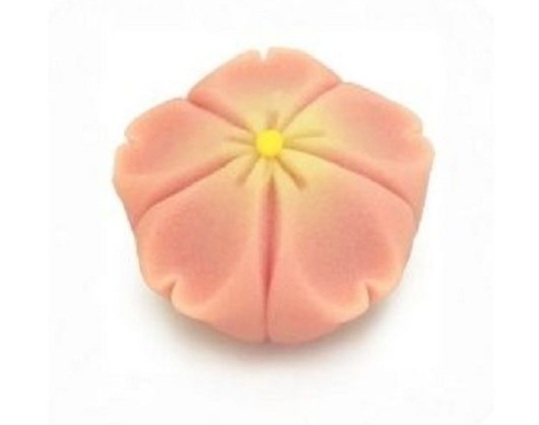
Satosakura is one of the cherry blossoms established as a flower in Kyoto. It is a raw confectionery that uses a soft and beautiful gradation of cherry blossoms by using the fingertips of a skilled craftsman and a spatula judge. The good texture and moderate sweetness are excellent with matcha.
"Tsuruya Yoshinobu" summer sweets
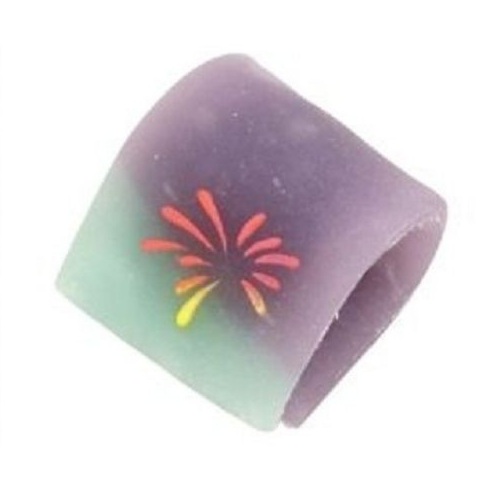
In a hot summer evening, when the dazzling sun set westward and died quietly, the raw confectionery represented the flamboyant colorful fireworks rising in the big sky. The cloth is wrapped in soft fabric and finished with fireworks in a stencil-like technique called "imprinting" using colored nectar. I would like you with cold green tea on a hot summer day.
Autumn confectionery of "Tsuruya Yoshinobu"
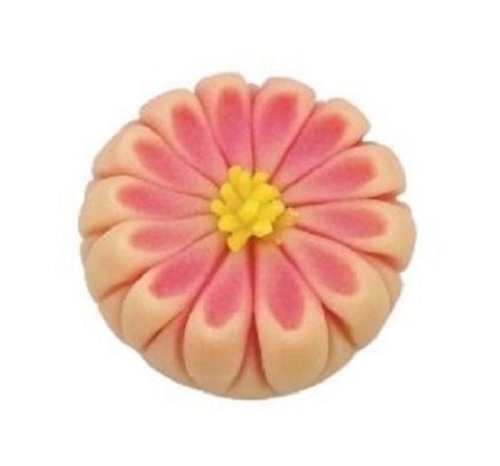
Misono (Misono) refers to the Gyoen (Gyoen), that is, a word that refers to the garden of the Kyoto Imperial Palace. "Gōen chrysanthemum" is used to describe the glossy chrysanthemum flowers that bloom in the Imperial Palace. A raw confection with two colors of fabric layered on top of each other and a craftsman shaped it with a spatula, expressing a delicate shade of chrysanthemum. I want to enjoy a relaxing autumn visit, thinking about the large chrysanthemums that bloom in the Kyoto Imperial Palace.
"Tsuruya Yoshinobu" winter sweets
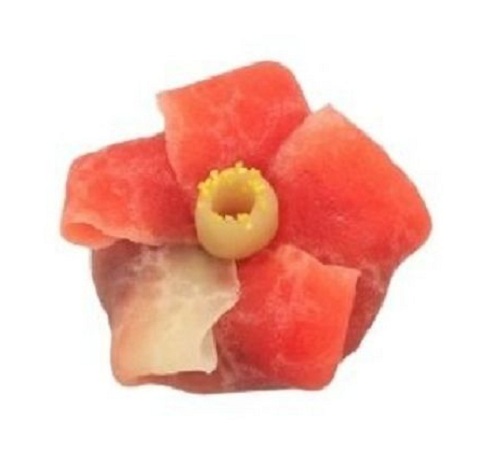
"Aratama camellia", which mimics the red-white camellia, is a congratulatory treat bearing the "Aratama" (a pillow word), which means "new". The camellia petals, which are carefully folded and expressed in the baked skin, are adorable. I want to enjoy matcha with important people and family as a raw confectionery that will make the beginning of the new year and early spring.
List of stores of Yoshinobu TsuruyaThis way.
"Sasaya Iori" with a reputation for Kyoto confectionery that feels the four seasons of Kyoto
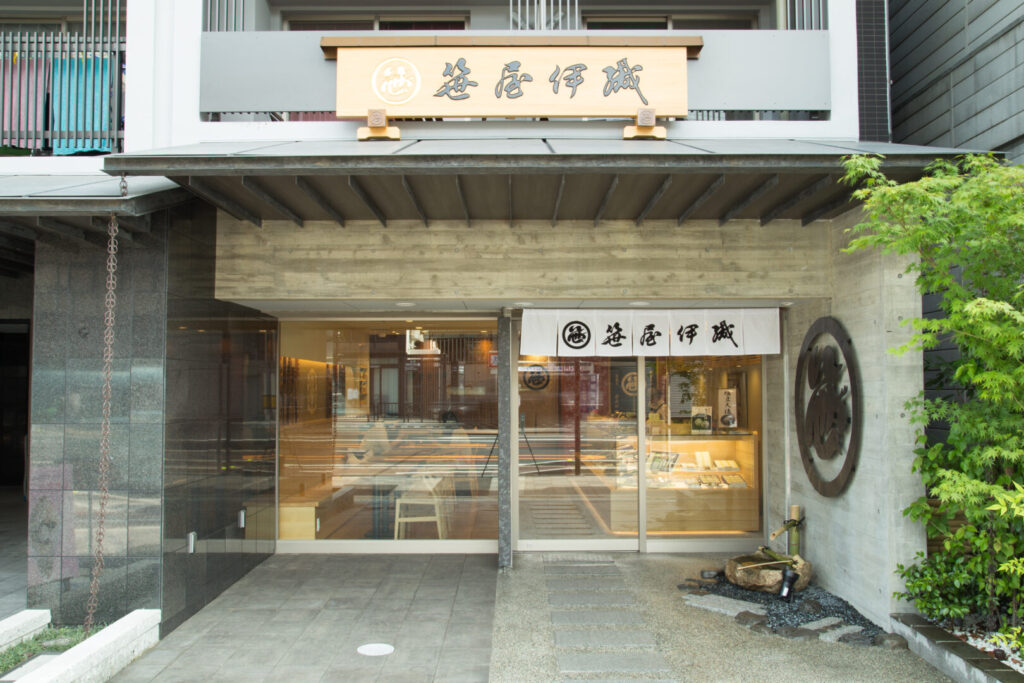
Sasaya Iori begins when the first generation, Sasaya Ihei (Whisper Hee), who ran a confectionery priest in the castle town of Ise, is expected to have his arm, and is called to Kyoto to ask him for the use of the Kyoto Imperial Palace. Founded in Kyoto in 1716, it is a long-established Kyoto confectionery company with a history of more than 300 years since then. Among the representative confectionery, there is "Dorayaki", which was created by the fifth generation head under a request from a monk from Toji, and it will be sold only for three days, including the 21st, the day of the death of Kobo Daishi. While he has a reputation for fine ingredients and Japanese sweets that make you feel the four seasons of Kyoto, Kyogashikasa is challenging new initiatives, such as building a cafe that incorporates Japanese and Western tastes. Since raw sweets change little by little depending on the year, it will be a pleasure to go through the difference.
"Sasaya Iori" spring sweets
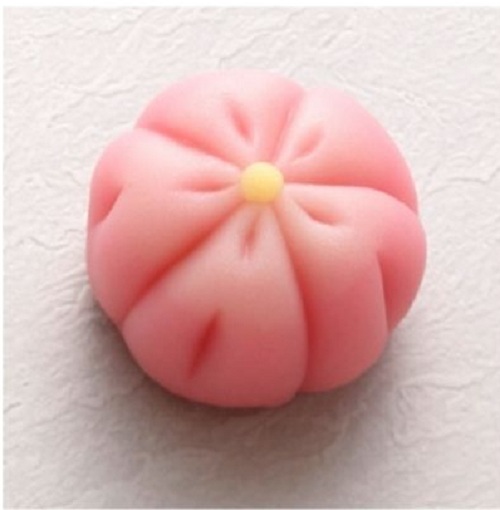
Along with the long-awaited spring visit, the cherry blossoms that color the streets of Kyoto are something that can lift the mood even if you just walk around the city while loving its flowers. The sweets you want to taste when you brew tea and take a break, while feeling the wind of the flower shadows under the cherry tree. The white bean, wrapped with a slight gradation, makes the Hanami feast even more tawy.
"Sasaya Iori" summer raw sweets
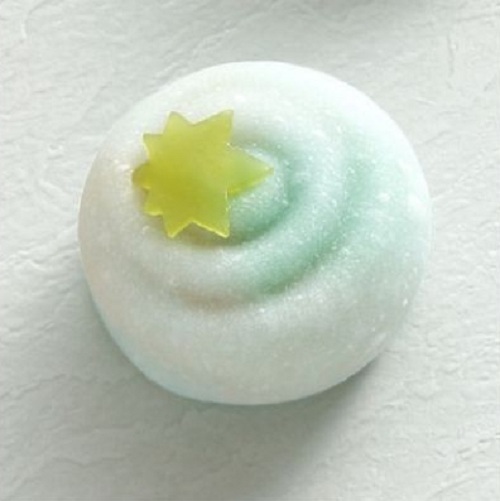
A summer visit with the sun shining on the crisp blue sky. If you bring the strong sun in the shade of the tree, you can feel a moment of comfort with a refreshing breeze. "Green Shine" is a treat as if you cut out one such summer frame. The raw confectionery, which is wrapped in soft-sweet white paste with "Yukihira", which is made up by adding egg white and white bean paste to the fertilizer, is light and delicious with a refreshing look.
"Sasaya Iori" Autumn Confectionery
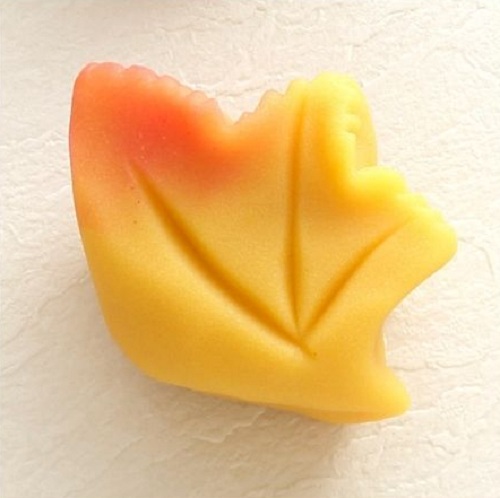
As the trees in the mountains begin to color, more and more people go out to hunt for red leaves in love with their beautiful appearance in autumn in Japan. The leaves of the fiery red or yellow trees color the mountains as if they were a Jintao. "Treetop no Nishiki" is a raw confectionery that captures the breathtaking beauty of the color of autumn. It represents the leaves of the autumn leaves, which are slightly red and colored, and wraps the white bean with a gentle flavor. I would like you to think of the shades of the mountains, carefully brewed with tea.
"Sasaya Iori" winter's raw confectionery
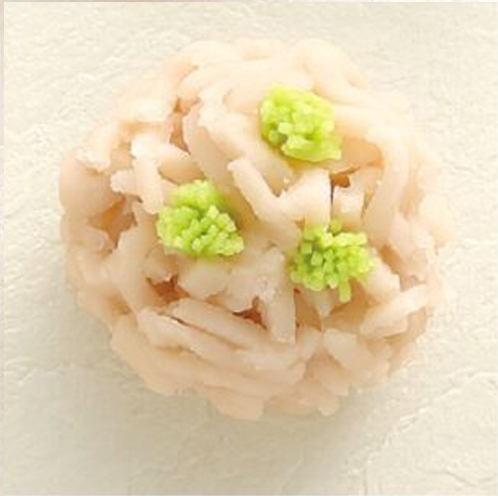
Out of the freezing cold and the deep snow and the frost that covers the earth, greenery such as Fukinoto, which is quietly sprouting and heralds spring, is a heartthrob, reminiscent of an authentic spring visit that will eventually visit. "Green in the Snow" is an emotional raw confection reminiscent of the time of thaw, which awaits spring. It is wrapped in kinton and colored green to describe the sprout of spring. I want you to come with a dress while thinking of spring coming soon in a warm room.
List of stores of Iori SasayaThis way.