English
  Japanese
  Chinese (China)
  Chinese (Taiwan)
  Korean
■The rich, complex flavor of “Shigemasu” sake, crafted from koji cultivated in a wooden “koji room”
Takahashi Shoten was founded in 1717 in Yame City, located in southern Fukuoka Prefecture.
They are deeply committed to sake brewing and continue to produce sake with a focus on quality, drawing on the skills and experience cultivated over their long history.
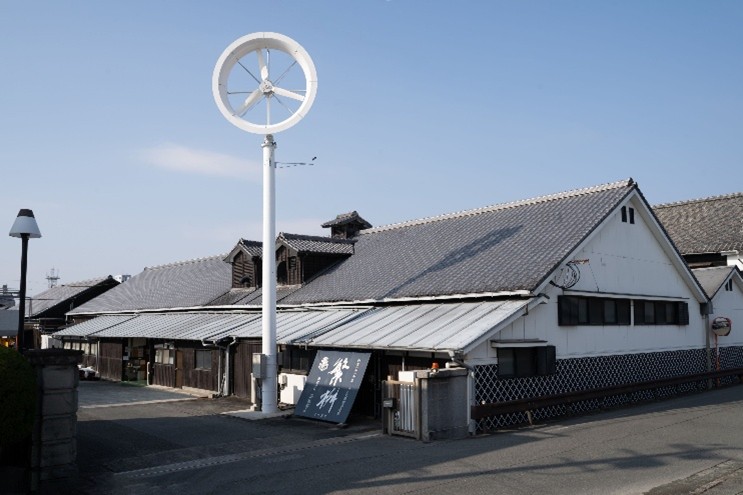
The flagship brand is "Shigemasu". Its dry flavor, which pairs well with any dish, has long been deeply loved by the local community.
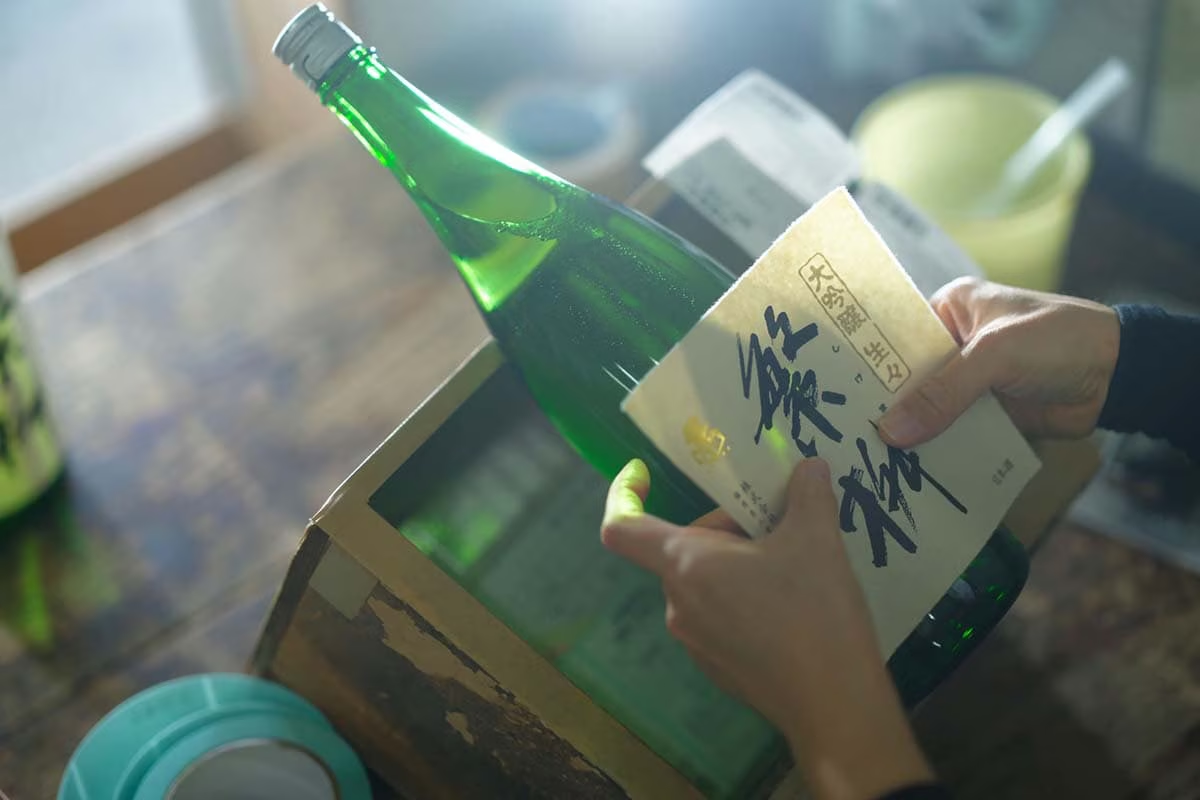
They are particularly passionate about “koji.”
Koji is made by cultivating “koji mold” on steamed rice, and it plays a pivotal role in determining the quality of sake. For this reason, “koji production” is considered one of the most critical steps in the sake-making process.

At Takahashi Shoten, koji is made by hand. Their brewers take great care and devote considerable time and effort to crafting it.
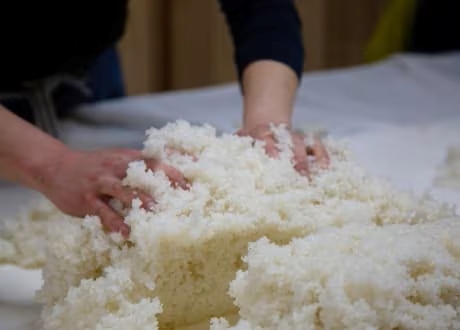
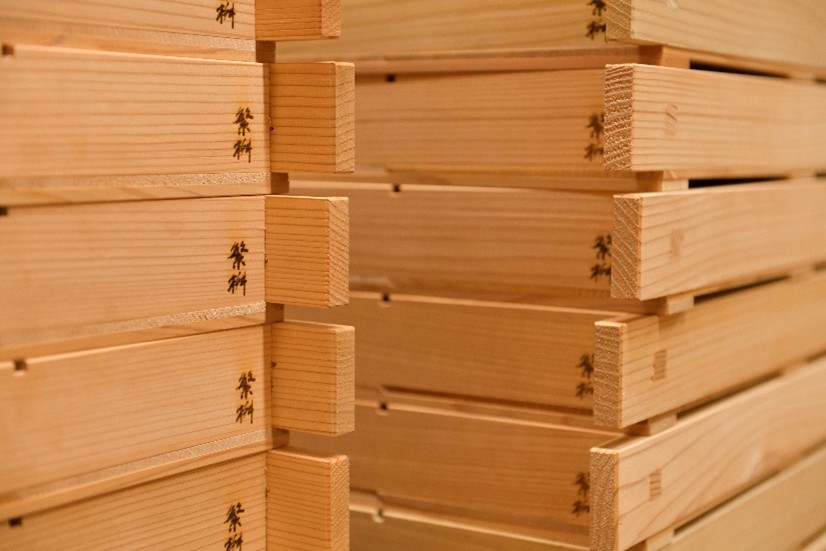
To mark its 300th anniversary, the company decided to further refine its expertise in koji production by constructing a new koji room (a room dedicated to making koji)—the largest of its kind in Japan, spanning approximately 130 square meters. Instead of the stainless steel commonly used today, they deliberately chose traditional “natural wood.” While natural wood requires significant maintenance, it provides an exceptionally comfortable environment for koji, which is a living organism. It is said that this will help cultivate even higher-quality koji.
■Obtained JAS organic certification; Expanding the lineup of environmentally friendly products
Takahashi Shoten values its local community while steadily expanding its overseas operations.
In 2022, the company became the first sake brewery to obtain the “JFS-C Standard,” an international food safety standard.
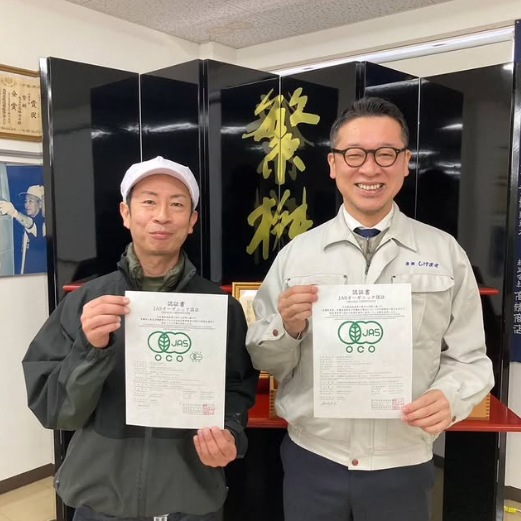
Furthermore, in 2025, it obtained JAS organic certification as an “organic alcoholic beverage.”
JAS Organic Certification is a system in which a third-party organization certifies that all processes—from the cultivation of raw materials to brewing and shipping—are properly managed in accordance with the national JAS Organic Standards. By obtaining this certification, the company aims to meet the growing global demand for environmentally conscious products.

In recent years, Takahashi Shoten has made the biggest splash in the sake industry with its venture into sake brewing in India. In February 2024, the company established a local subsidiary in Delhi, the capital of India.
India is a massive market with a population of approximately 1.4 billion, but many people do not drink alcohol for religious reasons, and the country has strict alcohol laws and high tariffs. Furthermore, there are states that prohibit the possession of alcohol altogether. Due to these high barriers to entry, the sake market in India remains largely untapped compared to other countries—essentially a “blue ocean.” Therefore, betting on the potential to become a “One and Only” pioneer, it decided to brew local sake in India.
By sourcing rice and water in India, establishing a brewery there to produce local sake, incorporating feedback from the Indian people, and selling sake that pairs well with Indian cuisine at a fair price unaffected by tariffs—they are steadily moving forward toward achieving this goal.
■ A Former Tunnel Engineer’s Challenge: The Future of a 300-Year-Old Legacy Brewery
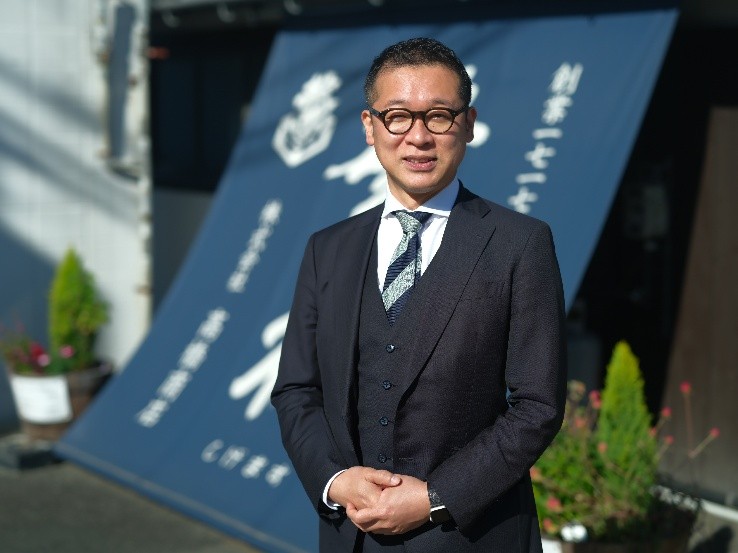
President Nakagawa, who continues to take on new challenges one after another, was actually a civil engineer in his previous job.
He specialized in the design and construction of shield tunnels for subways and other infrastructure projects. Later, following his marriage to the daughter of the previous president, he joined Takahashi Shoten. He notes that taking on a job with no prior experience required a great deal of courage, but he explains that the principle of “building while engaging earnestly with nature” applies equally to civil engineering and sake brewing, and that he is able to apply his past experience to his current work.
In the sake industry, where most professionals come from within the sector itself, the knowledge and ideas gained from other industries are a valuable asset. They bring a fresh perspective to sake brewing, market development, and management, injecting new energy into these areas.
Many sake enthusiasts are eagerly anticipating what new chapter this long-established Kyushu brewery—boasting a history of over 300 years—will write next.
■ Recommended Items
Daiginjo Hakoiri Musume
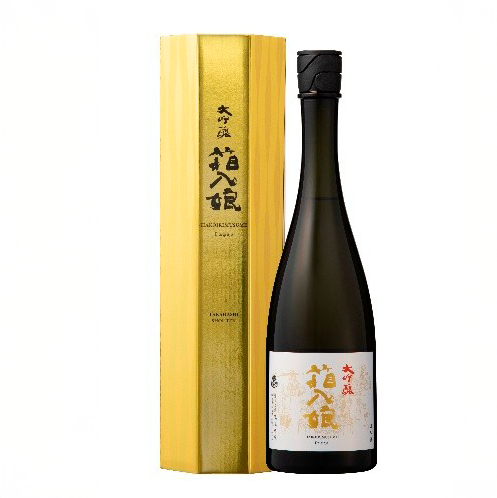
“Hakoiri Musume” refers to a daughter who has been raised with the utmost care, as if she were kept in a box. True to its name, this daiginjo sake is brewed with the utmost care and skill, just as one would raise a beloved daughter.
This renowned sake has even been served in Japan Airlines (JAL) international first-class cabins, and its elegant aroma and flavor captivate those who taste it.
Best served at room temperature or chilled.
Shigemasu Junmai Daiginjo 50
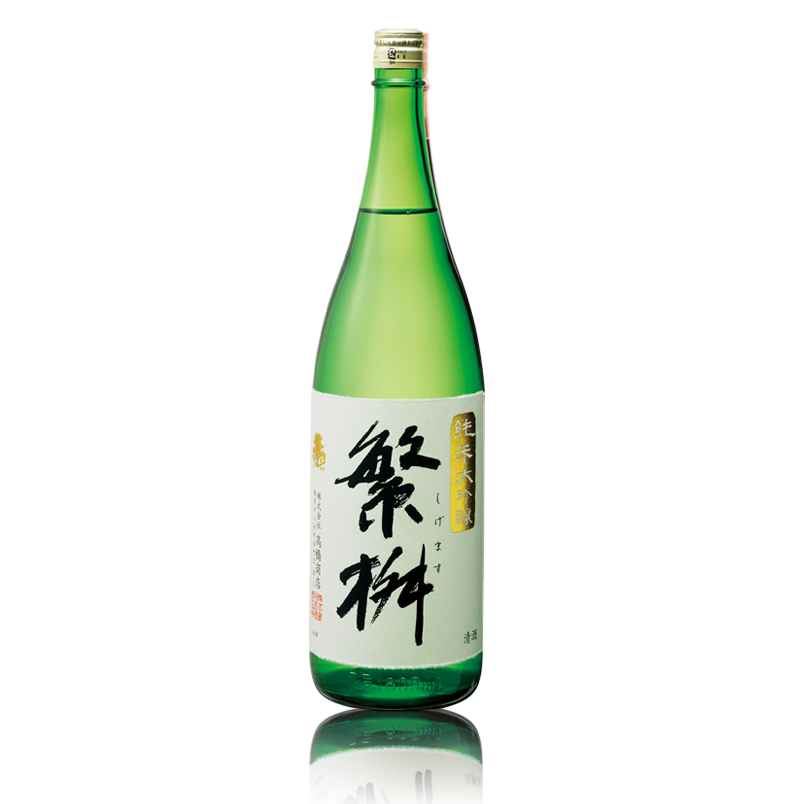
This sake boasts an exquisite, subtly fruity ginjo aroma and a slightly dry yet full-bodied flavor. Crafted with masterful skill to achieve a perfect balance, it’s the kind of sake that makes you reach for another cup before you know it. Whether enjoyed at room temperature or well-chilled, this is a truly exceptional sake made with the utmost dedication.
Shigemasu Classic Tokubetsu Junmai
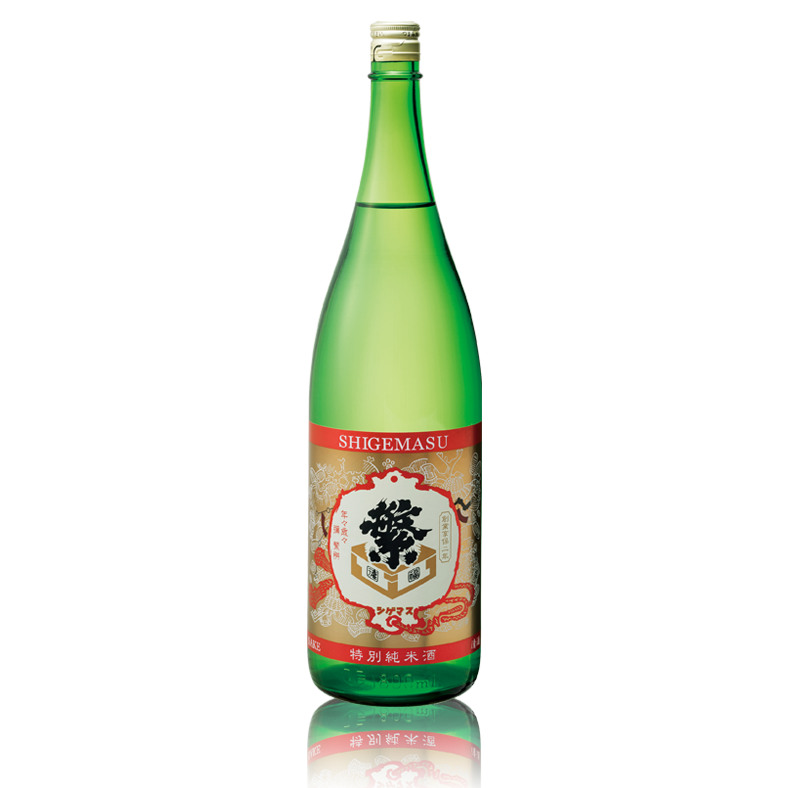
This junmai sake is brewed using “Yume Ikkon,” a sake rice variety developed right here in its home prefecture of Fukuoka, which has been carefully polished. When you take a sip, a rich umami flavor spreads across your palate, followed by a refreshing finish. Enjoyable across a wide range of temperatures—from room temperature to warm—this is a junmai sake you’ll want to drink every day.
Shigemasu Ghin no Sato Junmai Ginjo
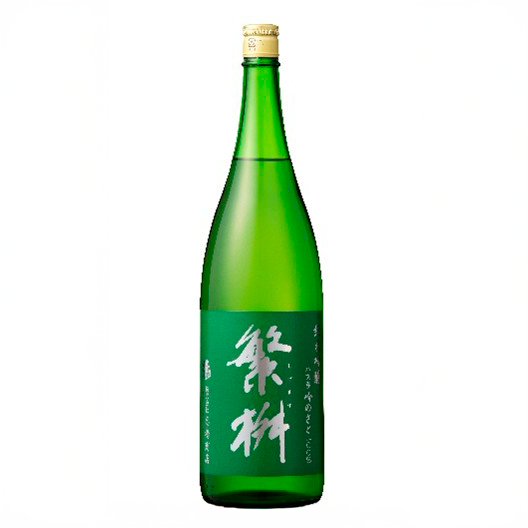
“Ghin no Sato” was developed by Fukuoka Prefecture in response to demand for high-quality rice. It is a sake rice variety that is growing in popularity because it produces sake of a quality comparable to that of “Yamada Nishiki,” the highest-grade sake rice.
This sake is characterized by the rich umami of high-quality rice and a full-bodied flavor. We recommend chilling it in the refrigerator before enjoying.
[Takahashi Shoten Company profile]
Address: 2-22-1 Moto Machi, Yame City, Fukuoka Prefecture
Access:
· About 20 minutes by taxi off the JR Kagoshima Main Line Hainuzuka Station
・12 minutes by car from Kyushu-do Yame IC
Phone number: 0943-23-5101
Official website:http://www.shigemasu.co.jp/
* This article is machine translated from Japanese to other foreign languages