Plum flower festival

Plum flower festival

Event Overview

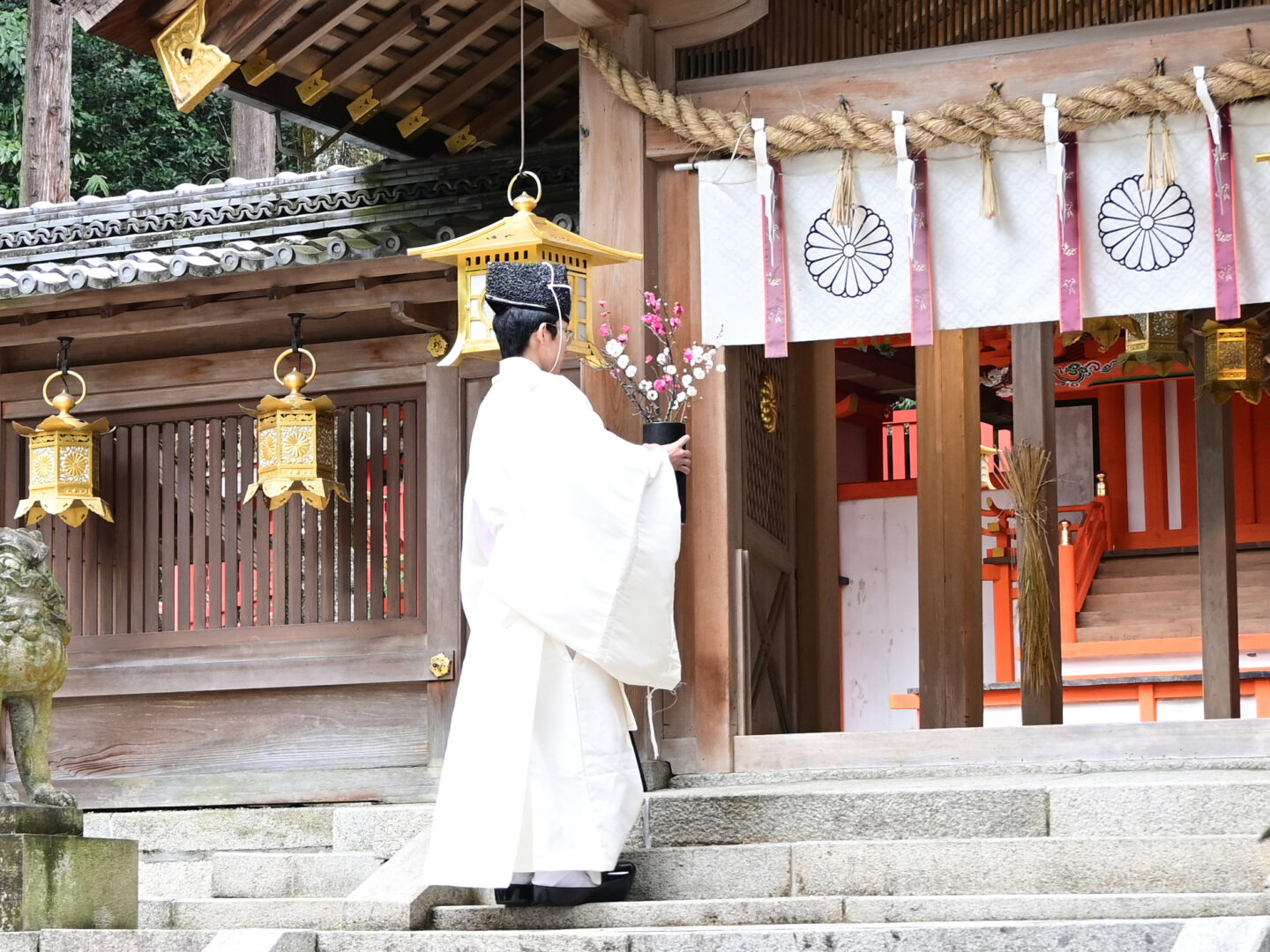
It was the oldest plum forest in the prefecture, and was designated as the "Kaori Scenery Hyakuseki", a famous victory, "Hanioka Bairin". It was unavoidably cut down due to a virus, but was newly planted with plums and various flowers, and was regenerated as a plum forest where you can enjoy the four seasons.

Info

Kintetsu-Himaoka Station → A short walk
3km 10 minutes from Hanshin Expressway Water Run Entrance via National Route 170
40 units/paid (first 30 minutes free)

Event Period

Price

Free

Event Category

Enodal, annual events, flower view, nature

The information provided reflects the details available at the time of the survey.
Please note that facility details may change due to the facility’s circumstances, so please check for the latest information before visiting. This content has been translated using machine translation.

Information provided by: JTB Publishing

This content uses automatic translation services. Automatic translations may not always be accurate.
Please note that the translated content may differ from the original meaning. We ask for your understanding when using this content.

Related Events

New Festivals

One sheet at the foot of Mount Ikoma, which continues from Taiko, to the east of the Osaka Plain, with the sanctuary "Kozu-dake" at Okayama as the Motogū, and the shrine is located at the foot of the shrine. At the time of the founding of the Kasugasaisha Shrine, he was referred to as Motokawachi Kazinomiya, who was known as the god of worship and the guardian deity of the imperial family, the Tengo Roof Life and Hiri Gojin. The new festival is a festival that offers new grains and appreciates the fruit. In addition, the "Akigo Festival", which is held on the second Saturday of October and Sunday, where 23 futon drums enter the city, and the "Akigo Festival", which will be held on December 23 at the end of the year, will be held at the end of the year. Special rituals such as are also performed.

Natsugoshi ceremony

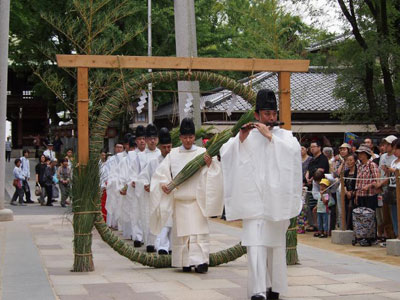
In your daily life, a ritual that has been handed down since ancient times, in which the sins and sins committed unknowingly are transferred to the shape of the body and body. A large kamari provided in front of the main shrine is followed by the Shinto priest, followed by the general worshipers, and exorcise sin and sultry. The transfer will be awarded from June 1st to the day of the Great Exorcism ceremony. Image courtesy:(C) Ishikiri Tsuruya Shrine

Cherry blossom festival

The Haimaoka Shrine nestled in the east of the Osaka Plain, surrounded by the trees at the foot of Mount Ikoma, which is connected to the border with the Nara Basin. The Kasuga Taisha Shrine in Nara, also known as "Motokasuga" because it invited the two gods of this company, flourished with the prosperity of Fujiwara. On the south side of the sando road is the Pihaoka Bairin, known as a plum attraction, and to the northeast of the shrine is a park where cherry blossoms and azaleas bloom.

Mita Uejin

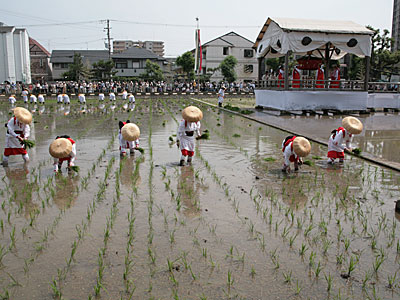
One of Japan's three major rice planting rituals. On the stage set up in Kanda, Shinto performing arts such as Tami Mai, Mitashiro Mai, and the Fuyu warrior event are dedicated. In the rice planting dance and the Sumiyoshi dance dance lightly around Kanda. An important intangible folk cultural property of the country that tells Osaka of its summer visit. Image courtesy of Sumiyoshi Taisha

Cherry Blossom Festival

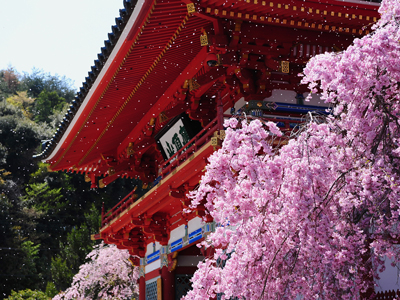
About a 30-minute drive from Shin-Osaka Station is Katsuoji Temple, famous for its late-blooming cherry blossoms. Around the time when the cherry blossoms in the lower world drop their flowers, the cherry blossoms in the mountains greet the see. Step into the 80-thousand-tsubo precinct, and a stunning weeping zakura with a deep green in its back, greets the worshipers. The contrast between several types of cherry blossoms and nature seems to be looking at a wide painting. This temple is also known as "the temple of winning luck", and every day there are no worshipers from all over the country to receive "winning dharma" when praying for luck or success. Dharma, who has been successful in the precinct, is dedicated to the place. Image courtesy of Katsuoji Temple

Zhenhua Festival

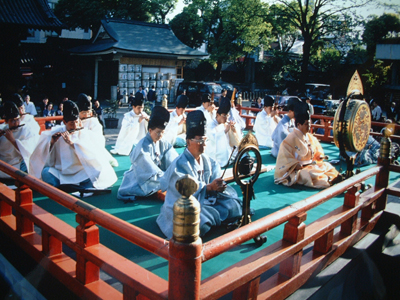
In ancient times, it was believed that during the flower season, the spirits of epidemics would scatter on the fallen flowers. The imperial court established a ritual to pacify these spirits as the "Hana-tame no Matsuri" in the Jingi-ryō of the Nara period. Traditionally held solemnly, various events are conducted, including the main shrine ceremony on the 25th, offerings of kagura, gagaku, and bugaku. The "Spring Ancestor Festival," which honors the ancestors of the parishioners, is also held. *Depending on the situation, there may only be the sacred rites. As of 2026, the roof replacement work of the main shrine is underway.

Contact Us: Business & Personal Inquiries

By proceeding, you agree to our Terms of Use And confirm you have read our Privacy Policy .

Notes

· We are available for inquiries 24 hours a day. Responses will be provided between 9:00 and 18:00 (including weekends, public holidays, and year-end/New Year holidays).
· Depending on the nature of your inquiry, it may take some time for us to respond.

RURUBU & ALL WAY JAPAN
Privacy Overview

This website uses cookies so that we can provide you with the best user experience possible. Cookie information is stored in your browser and performs functions such as recognising you when you return to our website and helping our team to understand which sections of the website you find most interesting and useful.