Window rock

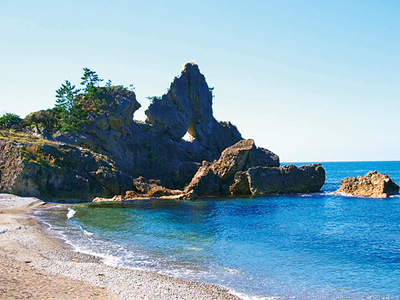
Window rock

Info

Noto Railway Anamizu Station → Noto Chuo Bus 30 minutes to Wajima, bus stop: Wajima Ekimae off, Oku Noto sightseeing development bus to Soyogiguchi/Udezu 33 minutes, bus stop: Soyogi Exit off, 5 minutes on foot
50 minutes from Noto Satoyama Kaido Anamizu IC
50 units

Spot Category

Stones, rock formations, cape, coast, cliffs


Symbol of the Sogi Coast

The information provided reflects the details available at the time of the survey.
Please note that facility details may change due to the facility’s circumstances, so please check for the latest information before visiting. This content has been translated using machine translation.

Information provided by: JTB Publishing

This content uses automatic translation services. Automatic translations may not always be accurate.
Please note that the translated content may differ from the original meaning. We ask for your understanding when using this content.
Related Spots

Hekura Island

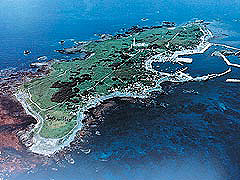
An island floating about 50 km north of Wajima Port, with a circumference of 6 km. From early June to late October, around 800 fishermen from Wajima City, Ama Town, travel to the island to fish for seaweed, abalone, and turban shells. Currently, an environment suitable for permanent settlement has been established, and about 30 households live there, allowing visitors to see fishermen at work and the tranquil scenery of a fishing village, making it an island that does not feel touristy. The entire island is a bird sanctuary. In addition to many birdwatchers visiting, the surrounding sea is home to fish such as sea bream and rockfish. There are also attractions like Okutsuhime Shrine and Ryujin Pond.

Time Nation (Honke State)

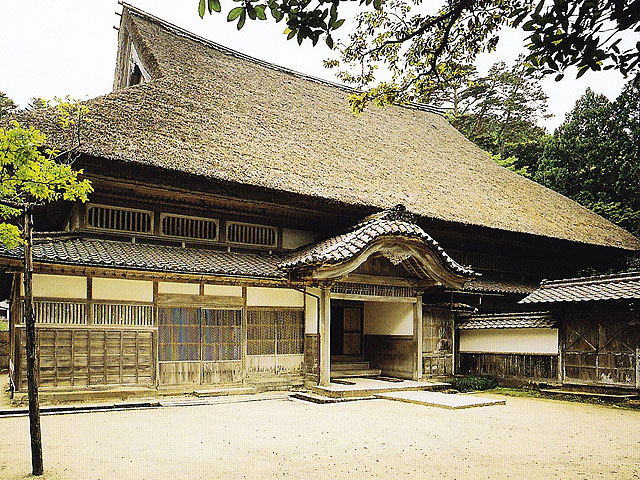
After the Battle of Noto, he was swept away by Noto, and his surviving child, Tokikoku, lived in this land and became a high-ranking farmer. Since then, the time-state has been a family that lasts for 25 s until the current head. The surviving house is a thatched-style house built from Tenpo 2 (1831) to 28 years. It gives a sense of the height of the style reminiscent of the samurai in various places, such as the entrance of the Tang Dynasty, the front of the city with the gold ceiling, and the nouba with the name of the butterfly butterfly. I also want to see a garden called a garden from the end of the Edo period.

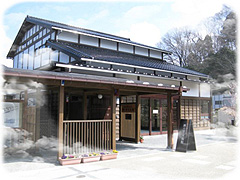
Shozen Village Exchange Hall in Khibi, Wajima

Mozen, located north of Noto Kongo, is an area that flourished as Mozen-cho of Tojiji Temple. Ji-ji Temple was founded in the first year of Yuankyō (1321) by Zenzan Zen Master. Along with Eiheiji Temple in Fukui, it flourished as the Soto sect Omotoyama, and in the middle of the Edo period, it counted more than 16,000 Sueji temples. Motoyama moved to Yokohama, which became Soin. Later, the mountain gates and the Hōdou were rebuilt, and Yunsui and others are still practicing today. At the Shouzen-no-Sato Exchange Hall in Kushibi, Wajima-shi, the panel introduces the exhibition of historical materials related to Ojijiji, the training of cloud water, and the culture and history of the front of the gate, so it is recommended to tour it together.

Hiyoyama Park

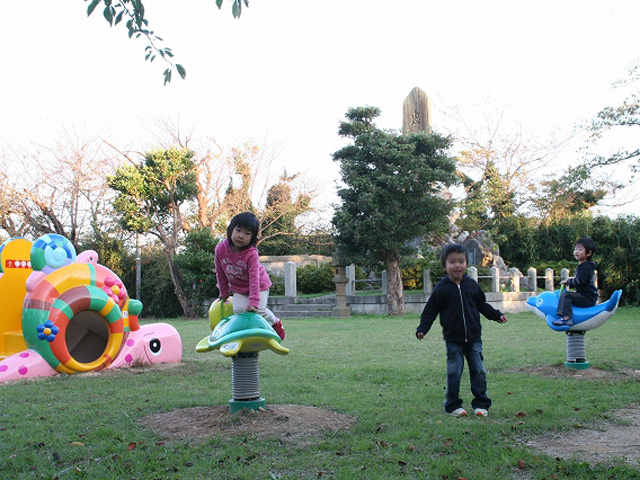
A park located on top of Hiyori Mountain at an elevation of 25m on the west side of Tsukumo Bay. It is a viewpoint where you can enjoy the scenic view of the bay, and from the observation deck in the grassy area with playground equipment, you can see Tsukumo Bay and even the distant Tateyama mountain range. In spring, cherry blossoms bloom, making it a great spot for picnics.

Godzilla Rock

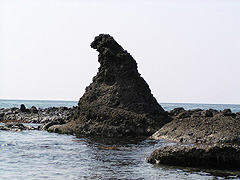
A rock about 4m high located on the Akagami Coast at the tip of the Noto Peninsula. It is named because its shape resembles Godzilla breathing fire towards the western sky. Due to the ground uplift caused by the Noto Peninsula earthquake in Reiwa 6, it has become connected to the land, but the Godzilla rock against the backdrop of the sinking sunset over the sea is worth seeing.

The Great Temple

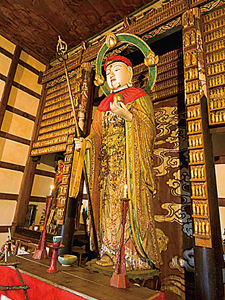
Established in the first year of Kan'ei (1624) and rebuilt at its current location during the Genroku period (1688-1704). The human bone Jizo statue created by Shingai Shojin is famous. This vividly colored Jizo statue stands 4m 33cm tall, and the white parts of the face, neck, chest, hands, and feet are said to be filled with the bones of unconnected spirits that no one worships. There is also a Jūbutsudō that houses Shingai Shojin's self-portrait, nenbutsu writings, and images of welcoming deities.

Contact Us: Business & Personal Inquiries

By proceeding, you agree to our Terms of Use And confirm you have read our Privacy Policy .

Notes

· We are available for inquiries 24 hours a day. Responses will be provided between 9:00 and 18:00 (including weekends, public holidays, and year-end/New Year holidays).
· Depending on the nature of your inquiry, it may take some time for us to respond.

RURUBU & ALL WAY JAPAN
Privacy Overview

This website uses cookies so that we can provide you with the best user experience possible. Cookie information is stored in your browser and performs functions such as recognising you when you return to our website and helping our team to understand which sections of the website you find most interesting and useful.