Tatsunokuchi Hill Park

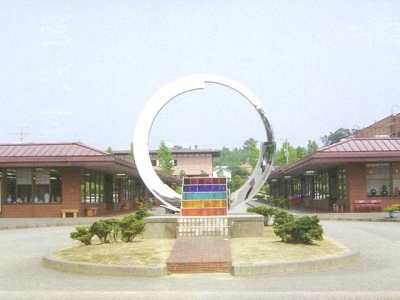
Tatsunokuchi Hill Park

Info

From JR Komatsu Station, take the Hokutetsu Kaga Bus Sano Line bound for Tatsuguchi for 32 minutes, get off at the bus stop: Tatsuguchi Kuryou Park Entrance, and it's a short walk. Alternatively, from JR Kanazawa Station, take the Hokuriku Railway Bus bound for Ishikawa Zoo via Yotsumatsu for 1 hour and 2 minutes, get off at the bus stop: Tatsuguchi Kuryou Park Entrance, and it's a short walk.
12km20 minutes from Komatsu IC on Hokuriku-do via prefectural road 25, 54, 22
670 units

Business Hours

9 to 17 o'clock (tennis court is ~ 21 o'clock)

Price

Free entry (facilities, rides are charged)

Spot Category

Park, swimming pool

The information provided reflects the details available at the time of the survey.
Please note that facility details may change due to the facility’s circumstances, so please check for the latest information before visiting. This content has been translated using machine translation.

Information provided by: JTB Publishing

This content uses automatic translation services. Automatic translations may not always be accurate.
Please note that the translated content may differ from the original meaning. We ask for your understanding when using this content.
Related Spots

Tatsunokuchi Onsen Soyuriyama's hot water

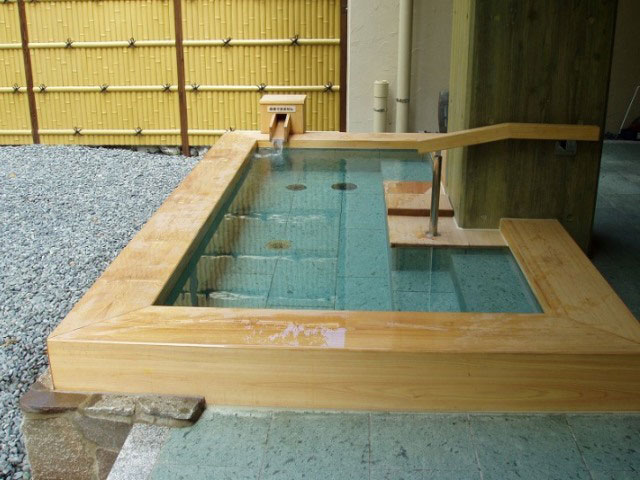
The communal bath of Tatsuguchi Onsen, with the concept of "invited by the light of the lanterns, leisurely enjoying the hot springs." The bathhouse drawing from the skin-friendly sodium sulfate and chloride spring features an indoor bath with a sauna overlooking greenery and a garden-style outdoor bath surrounded by trees, with a monthly gender rotation. The outdoor bath consists of a cypress bath and a rock bath made of natural stones, both full of charm. There is also a tatami-floored salon, making it a great place to relax.

KAM Nomi City Kutani Ware Museum | Experience Hall |

The "KAM Nomi City Kutani Ware Museum," consisting of four facilities including a museum, memorial hall, and artisan workshop, is located within the Kutani pottery village. One of those facilities is this experience hall. The painting experience using Kutani ware pigments to decorate white porcelain dishes and cups, as well as "Kutani Pottery Happy Pieces," which remakes broken Kutani pottery shards into accessories, are recommended as they can be done easily. The hand-throwing and wheel-throwing pottery experience using Kutani clay takes about 2 hours.

Kutani Pottery Village

The "Kutani Pottery Village," which boasts a history that began in the early Edo period, gathers the diverse charms of Kutani ware. Within the premises, there are facilities such as the "Gosai-kan," where you can learn about the production process and history of Kutani ware, the "Asakura Ikkyoku Memorial Hall," where you can closely admire masterpieces, and the "Experience Hall," where you can casually enjoy painting and pottery experiences, all part of the "KAM Nomi City Kutani Ware Museum." There is also an arcade street lined with galleries from 12 Kutani ware companies. Every May, the "Kutani Chawan Festival" is held, and in October, the "Kutani Pottery Village Festival" takes place, allowing visitors to fully enjoy seeing, learning, creating, playing, and buying Kutani ware.

Hiyoyama Park

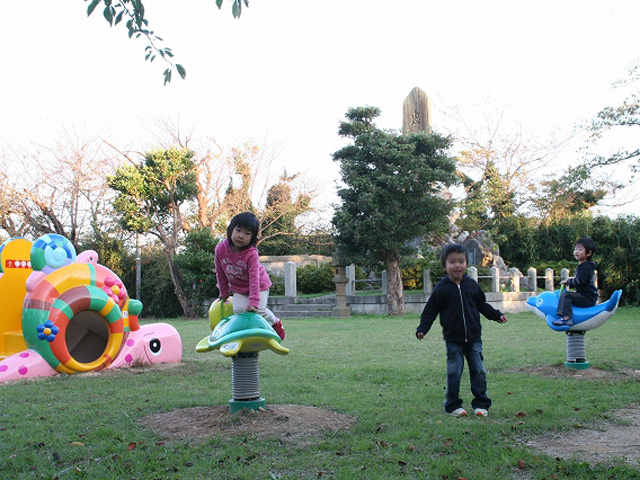
A park located on top of Hiyori Mountain at an elevation of 25m on the west side of Tsukumo Bay. It is a viewpoint where you can enjoy the scenic view of the bay, and from the observation deck in the grassy area with playground equipment, you can see Tsukumo Bay and even the distant Tateyama mountain range. In spring, cherry blossoms bloom, making it a great spot for picnics.

Godzilla Rock

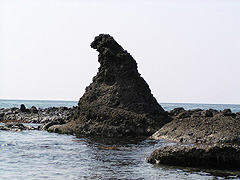
A rock about 4m high located on the Akagami Coast at the tip of the Noto Peninsula. It is named because its shape resembles Godzilla breathing fire towards the western sky. Due to the ground uplift caused by the Noto Peninsula earthquake in Reiwa 6, it has become connected to the land, but the Godzilla rock against the backdrop of the sinking sunset over the sea is worth seeing.

The Great Temple

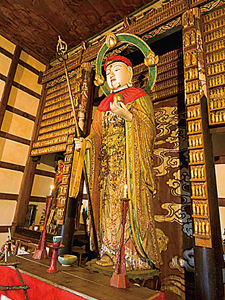
Established in the first year of Kan'ei (1624) and rebuilt at its current location during the Genroku period (1688-1704). The human bone Jizo statue created by Shingai Shojin is famous. This vividly colored Jizo statue stands 4m 33cm tall, and the white parts of the face, neck, chest, hands, and feet are said to be filled with the bones of unconnected spirits that no one worships. There is also a Jūbutsudō that houses Shingai Shojin's self-portrait, nenbutsu writings, and images of welcoming deities.

Contact Us: Business & Personal Inquiries

By proceeding, you agree to our Terms of Use And confirm you have read our Privacy Policy .

Notes

· We are available for inquiries 24 hours a day. Responses will be provided between 9:00 and 18:00 (including weekends, public holidays, and year-end/New Year holidays).
· Depending on the nature of your inquiry, it may take some time for us to respond.

RURUBU & ALL WAY JAPAN
Privacy Overview

This website uses cookies so that we can provide you with the best user experience possible. Cookie information is stored in your browser and performs functions such as recognising you when you return to our website and helping our team to understand which sections of the website you find most interesting and useful.