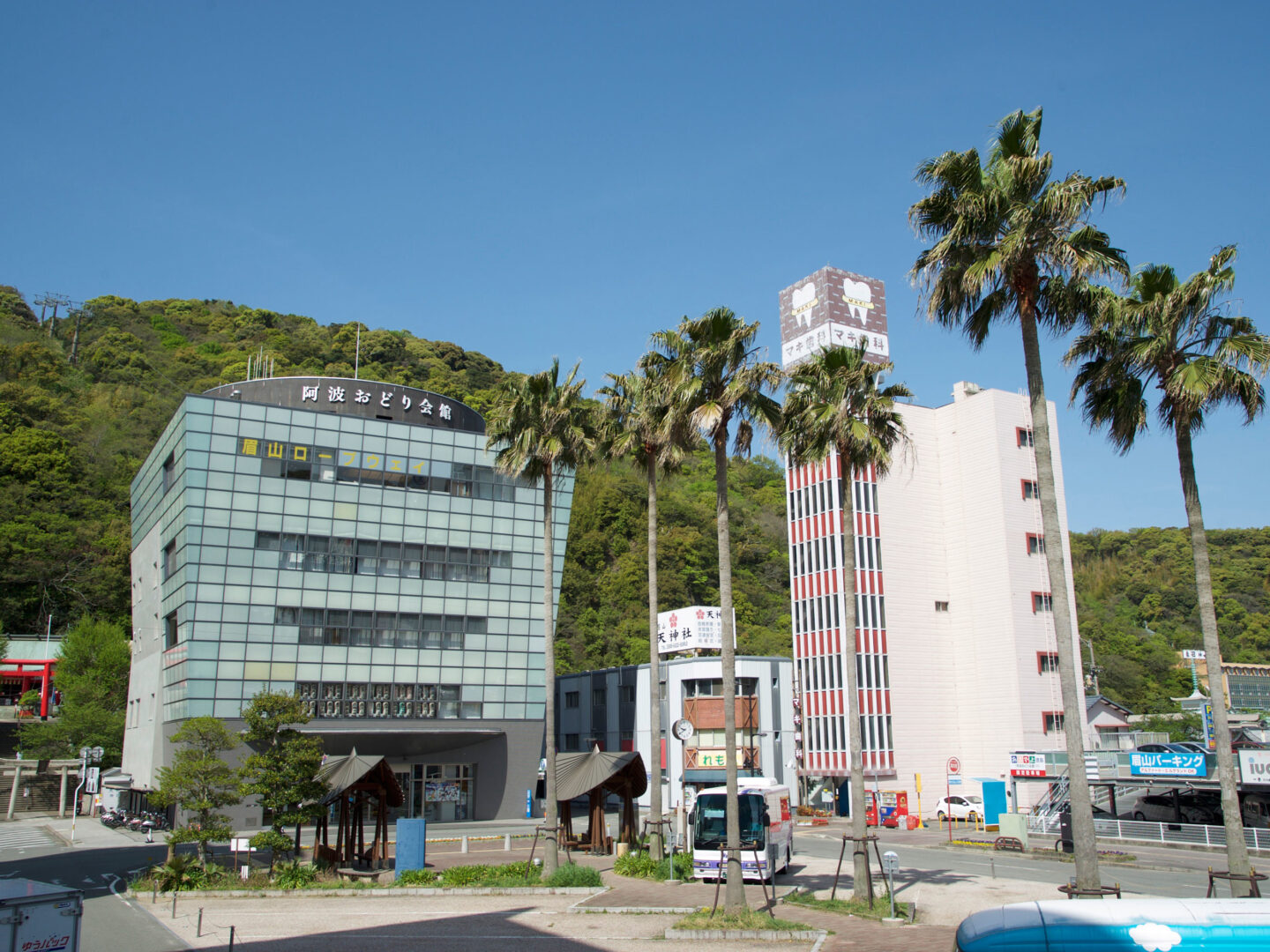
Awa Odori Hall

Awa Odori Hall

Info

JR Tokushima Station → 10-minute walk
5km 10 minutes from Tokushima Road via National Route 11 from Tokushima IC
26 units/1 hour 330 yen

Business Hours

9~21時。施設により異なる

Price

Differ by facility

Spot Category

Theater, cinema, and entertainment hall


You can learn more about Awa Odori

The information provided reflects the details available at the time of the survey.
Please note that facility details may change due to the facility’s circumstances, so please check for the latest information before visiting. This content has been translated using machine translation.

Information provided by: JTB Publishing

This content uses automatic translation services. Automatic translations may not always be accurate.
Please note that the translated content may differ from the original meaning. We ask for your understanding when using this content.
Related Spots

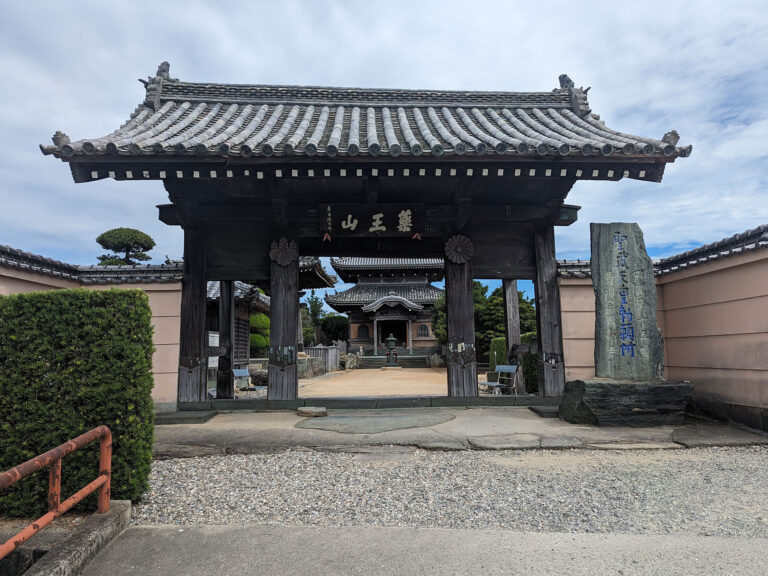
Zuiganji Temple

The Zen temple of the Rinzai sect (Rin Zaishu) Myoshinji school, which stands at the foot of the mountain at Byeshan. It is known for its Ikizumi-style garden, which was built in the early Edo period. The garden, which cleverly uses the slopes at the foot of the mountain, is equipped with tea rooms and a triple treasure pagoda, and has a sophisticated style. The Kiri Shitan lantern, which carved a statue of Maria on lanterns during the Edo period when Christianity was banned, and which he pretended to be Jizo-son, cannot be overlooked.

Joraku-ji Temple

The main Buddha is a Maitreya bodhisattva, which appears in this world and is said to save the sentient life, 5.67 billion years after the death of the Buddha, and is the only future Buddha in the Shikoku Reiba. As the Hirohō Daishi practiced in this area, the Maitreya appeared along with many bodhisattvas to perform preaching, so the Daishi carved the figure into a spirit tree and erected the Dou to make it the main temple. The gaiji was erected by the disciples of the Daishi, Shen Ren Shen, Prayoken and others. It was burned by the soldiers of the Shōen-Jen (1573-92), and the Hisuga family re-emerged in Manji 2 (1659). It enshrines the Daiji on the crotch of the tree of the sacred tree of Araragi on the right hand side of the main hall, and is called the "Araragi Daiji".

Kokubunji Temple

One of the Kokubun-ji temples established nationwide by order of Emperor Shomu, founded by Gyoki. At that time, it was a large temple complex equipped with a seven-story pagoda, serving as a place for prayers for national protection, but it was burned down during the Tensho era (1573-1592) by the troops of Chosokabe. Later, in the first year of Kanpo (1741), it was rebuilt by the monk Kosan Yoshi and became a Soto Zen temple. Over a long period, it was reconstructed, including the construction of the Daishi Hall during the Tempo era (1830-1844). The current main hall, built in the Bunka-Bunsei period (1804-1830), enshrines the tablets of Emperor Shomu and Empress Komyo. The temple grounds feature the impressive Awa Kokubun-ji Garden, made with large stones of blue stone from the local Awa region.

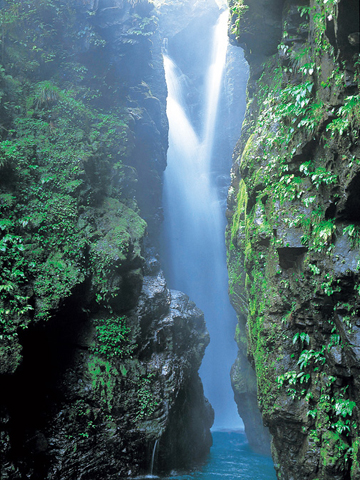
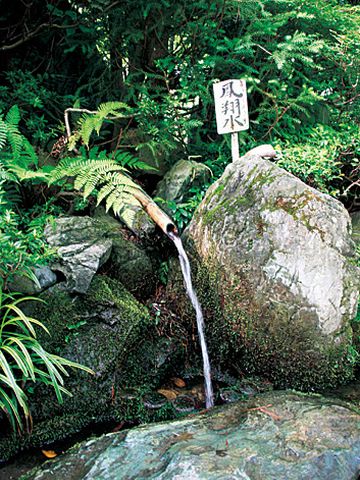
Roaring Falls

One of Shikoku's leading waterfalls in the upper reaches of the Kaifu River. A powerful landscape continues, including large and small waterfalls such as the upstream fixed waterfall and the bird return waterfall. There are festivals in the summer and autumn, and there are also rituals that enter from Ryūō-ji in the summer and from Tōjō-jinja in the autumn, along with Mikoshi in the Takijar. A promenade is maintained around the area.

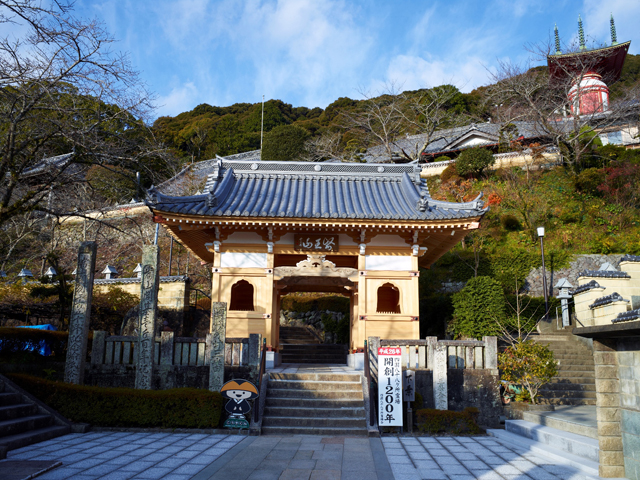
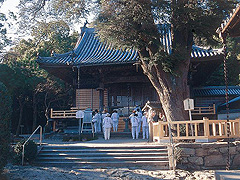
Yakuo Temple

The 23rd dasho of the Shikoku Reiba, which is transmitted to the beginning of Hongjin 6 (815). There are 33 stone steps to the main hall and 42 steps to the male, and worshipers of bad years can be seen climbing by placing coins at each step. In addition, there is Yugito (Yugito), which was built in commemoration of the year 1150 of Shikoku Reiba, when climbing 61 steps of Danjoyaku (Danjoyaku) slope.

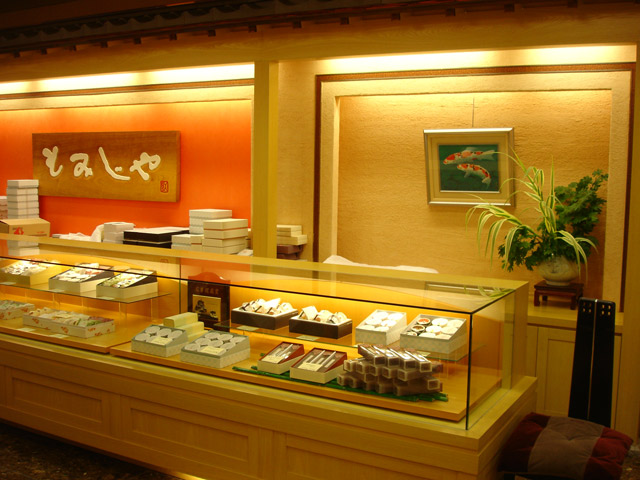
Momijiya

A long-established confectionery store that has been around 140 years in existence. He continues to make Japanese sweets using specialty products from Tokushima. He also sells such items as 140 yen and bread made from Yamamomo, which is made from yamomo and wrapped in soft rice cakes.

Contact Us: Business & Personal Inquiries

By proceeding, you agree to our Terms of Use And confirm you have read our Privacy Policy .

Notes

· We are available for inquiries 24 hours a day. Responses will be provided between 9:00 and 18:00 (including weekends, public holidays, and year-end/New Year holidays).
· Depending on the nature of your inquiry, it may take some time for us to respond.

RURUBU & ALL WAY JAPAN
Privacy Overview

This website uses cookies so that we can provide you with the best user experience possible. Cookie information is stored in your browser and performs functions such as recognising you when you return to our website and helping our team to understand which sections of the website you find most interesting and useful.