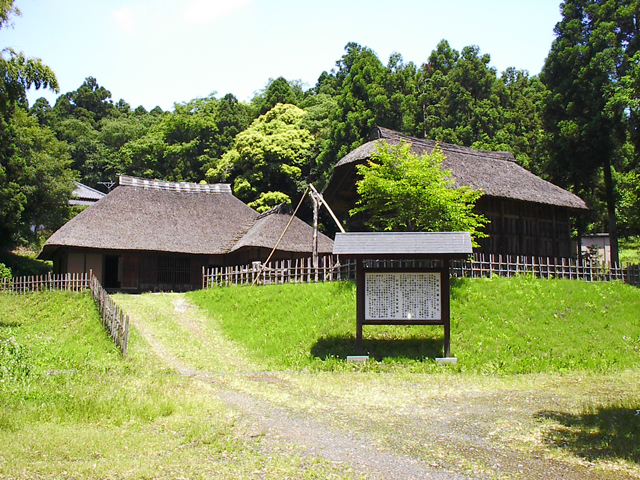
Ake no Genki-kan

Ake no Genki-kan

Info

JR Shimokan Station → 20 minutes by car
25km 30 minutes from Joso IC on the Ken-O Road via National Route 294
120 units/free

Business Hours

10 ~ 22 o'clock (Reception is ~ 21 o'clock)

Price

Adult 750 yen, silver (65 years and over) 650 yen, children (3 years old to elementary school students) 300 yen, under 3 years of age free

Spot Category

Hot Spring Spots and More


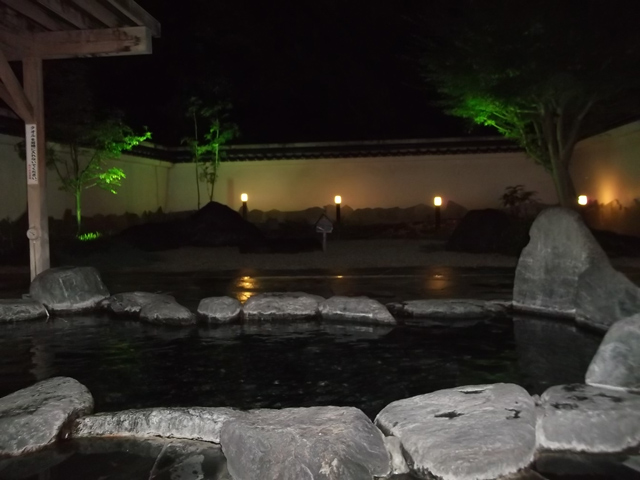
Japanese-style open-air bath at Akeno Genki-kan
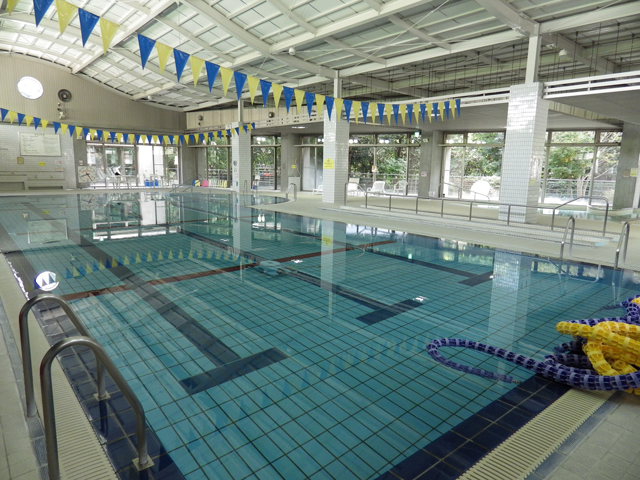

Main Pool

The information provided reflects the details available at the time of the survey.
Please note that facility details may change due to the facility’s circumstances, so please check for the latest information before visiting. This content has been translated using machine translation.

Information provided by: JTB Publishing

This content uses automatic translation services. Automatic translations may not always be accurate.
Please note that the translated content may differ from the original meaning. We ask for your understanding when using this content.
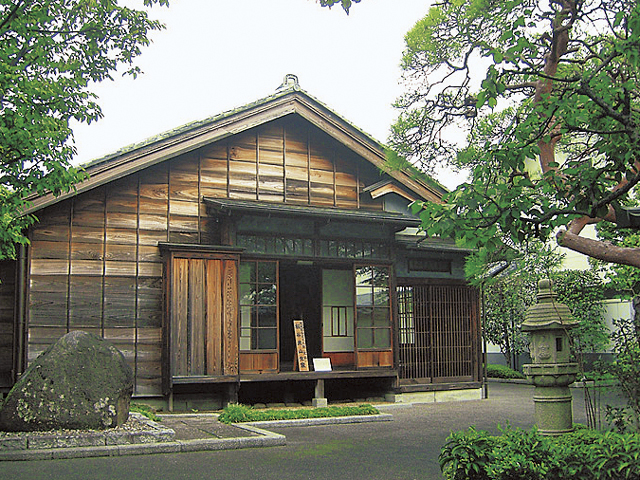
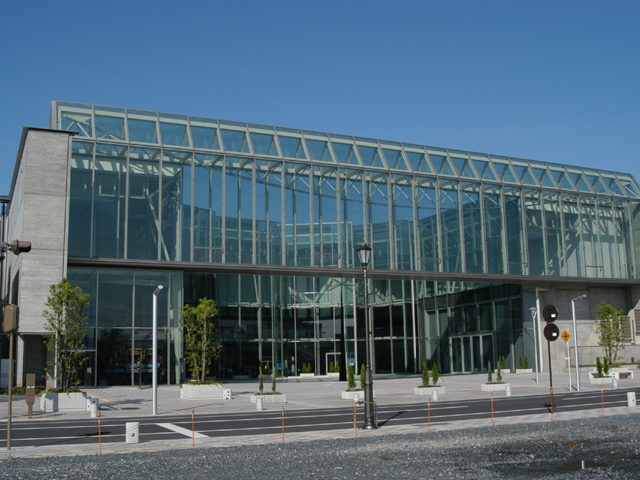
Related Spots

Itani Namiyama Memorial Hall

The memorial hall of Itaya Namiyama, a native of Chikusei City, the first potter to receive the Order of Culture. You can tour the three-sided bonkmouth flame-style round kiln [Sanputa Kiguchi and Uenshi Kimarugama], which you built yourself, and works and materials. Namiyama's work is characterized by a quiet and noble style. Take 30 minutes.

Museum of Art

A community-based museum that collects and displays writers with a connection to the local area, mainly works by potter Itaya Namiyama and Western-style painter Shigeru Morita. You can admire the works of Namiyama's "Saigaku Kiku Flower Figure" and Shigeru Morita's oil painting "Kurokawa Noh", as well as works by human national treasure lacquer artist Isao Onishi. In addition, the company holds a planned exhibition that presents outstanding works of art several times a year.

Prefectural West Comprehensive Park

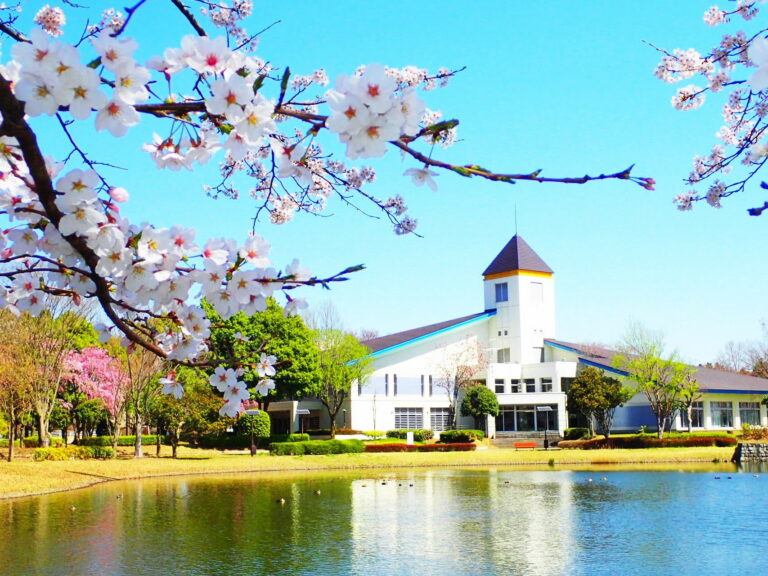
A comprehensive park located almost in the center of Chikusei City. There is a wide variety of facilities for full-scale sports facilities and children's playgrounds, including multi-purpose exercise square, tennis courts, Target Bird golf, barbecue square, athletic square and children's square near a large pond. In addition, the play corner where you can enjoy skateboarding and in-line skating is also very well received. In addition, the installation of a marathon course (about 2km per lap), which is ideal for jogging and walking, and the popular children's square, where large play equipment is popular, is equipped with a jabujabu pond (only in summer) where you can enjoy water play.

Hongkei Temple

The year of Oei 21 (1414) is a famous temple of the Jodo sect, reportedly as the Genjon. A great deal of donation was made by the Tokugawa family to rebuild the main hall and bell tower (currently under reconstruction facilities and cannot be seen), from where they were deeply devoted to the tenth-generation Ryokujinjin, and established it as a bodhi-ji temple. The main hall, which is the best of the temple architecture of the early Edo period, is renovated in 2007. You can feel the power of the Tokugawa shogunate in the Buddhist tools and furnishings. On the left side of the main hall is the tomb of Chihime.

Shomei Temple

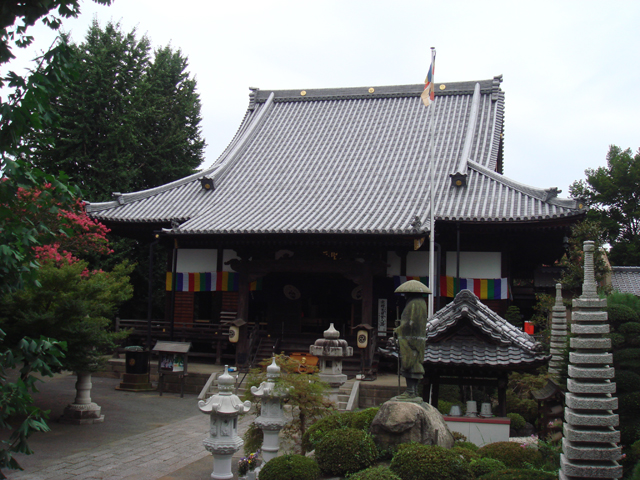
A temple of the Jōdo Shinshu Hongan-ji school. The first generation of the Seiki family, Asamitsu, who also participated in the shogunate as a sensei crowd, invited the younger brother of the clan, Shinbutsu, to open. It is said that the name of the temple, the name of the temple, is derived from the name of the law that Asamitsu came to the house and gave it to him. It holds a number of cultural treasures, including the "Shōjo Kanashu", which is said to be the autograph of Kinji, as well as portraits and wooden statues of the morning light, the Mireya Gate, and the Nijomon. At the back of the precinct, where there is a large ginkgo tree and a bronze statue of the saint, there are tombs ranging from the first morning light to the fourth generation Tokihiro.

Private Gardens

An ancillary facility of the Kasumigaura City History Museum, which was a relocation of a wealthy local farmhouse from the Edo period, consisting of two buildings: a thatched main building and Itakura, which used to be a grain warehouse.

Contact Us: Business & Personal Inquiries

By proceeding, you agree to our Terms of Use And confirm you have read our Privacy Policy .

Notes

· We are available for inquiries 24 hours a day. Responses will be provided between 9:00 and 18:00 (including weekends, public holidays, and year-end/New Year holidays).
· Depending on the nature of your inquiry, it may take some time for us to respond.

RURUBU & ALL WAY JAPAN
Privacy Overview

This website uses cookies so that we can provide you with the best user experience possible. Cookie information is stored in your browser and performs functions such as recognising you when you return to our website and helping our team to understand which sections of the website you find most interesting and useful.