Kaya Inn

Kaya Inn

Info

JR Hamakanaya Station → 5 minutes walk
3km 5 minutes from Futtsu Kanaya IC via Prefectural Road 237
25 units/free

Business Hours

12 to 19 o'clock

Price

Adults 700 yen, elementary school students 500 yen, infants (2 years old to preschoolers) 300 yen

Spot Category

Hot Spring Spots and More


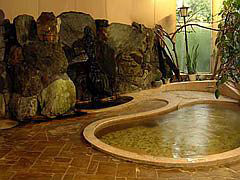
Large Baths for Men at Kaya Inn

The information provided reflects the details available at the time of the survey.
Please note that facility details may change due to the facility’s circumstances, so please check for the latest information before visiting. This content has been translated using machine translation.

Information provided by: JTB Publishing

This content uses automatic translation services. Automatic translations may not always be accurate.
Please note that the translated content may differ from the original meaning. We ask for your understanding when using this content.
Related Spots

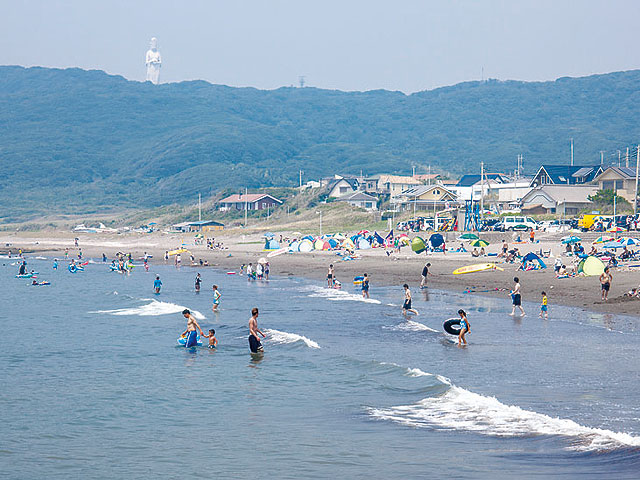
Shinmaiko swimming beach

It is highly transparent and can be relatively leisurely. On a good day, you can see the Yokohama Bay Bridge and the Landmark Tower across the sea, or Mount Fuji if you are lucky. Behind is the Tokyo Bay Guanyin, surrounded by rich greenery, where you can soak up and refresh nature.

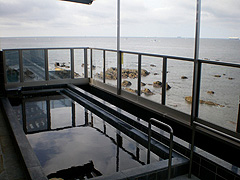
Natural hot spring seaside yuganaya

Day bathing is possible at a hot spring inn with an excellent view of an open-air bath with a view of Tokyo Bay. You can also see the ocean from inner water. The spring is a bicarbonate spring that smooths the skin, and is also referred to as "beautiful skin hot water". In addition to a restaurant with a sense of openness (rest area), you can enjoy a variety of meals such as tasting of "Kajime" miso soup, which is good for the original body at the first floor stand. The room for accommodation is 17,900 yen with two meals on weekdays, with an ocean view and a bath in all rooms. You can enjoy fresh fish shellfish dishes from the attached fisherman's dish Kanaya, such as the cooking of a bok (with a live fish).

Souvenir Market Hammers in Boso

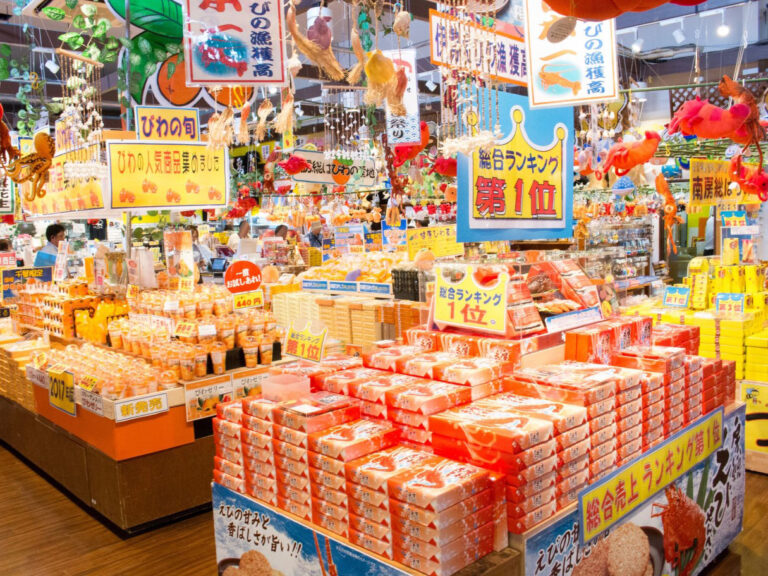
A souvenir place in the market place "The Fish" near Kanaya Port where you can enjoy shopping and eating. There are roughly three thousand Boso souvenirs, ranging from local Kanaya specialties to local specialties such as the Boso specialty lowa, confectionery, and liquor, to the specialties of all parts of the Boso Peninsula. In the peanut corner, the most popular are "Eating Bamboo Charcoal Peanuts" and "Yachimata-no-Kaku-no-Ku-no-Ku", which are limited to this store. "Marugoto Biwa Jelly" and "Biwa Sherbet" for loquat products, and the Boso-tribe T-shirt with Hammers original design, are best worn at the festival in Boso's dialect.

Suwa Shrine

On the occasion of the Ojō Kōki, who was appointed as the lord of Osugasō, Shimousa Province, he was invited by Shinano Suwa Taisha Shrine as the god of the lord of the territory. He has since been revered as the god of industrial development, the god of wisdom, and in recent years as the god of advanced learning. The present main shrine is of the 1853 (Kaei 6) construction, and the annual festival "Sawara no Taisai (Autumn Festival)", which takes place in October every year, is designated as a national important intangible folk cultural property.

Daishoji Temple

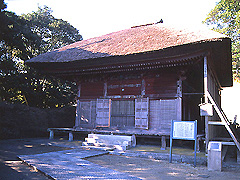
The temple of the Tendai sect, known as Narikiri (Namikiri), is a temple of the Tendai sect that collects the thick faith of the fishing people for great fishing prayers and sea protection. The main priest, Fudō Myōō, was reportedly picked up from the sea by the wives of the fishermen of the land during the middle Kamakura period and laid them here to rest. The thatched-roofed Fudō, which houses Fudō Myo, is designated as a national important cultural property, and is presumed to have been erected during the Muromachi period.

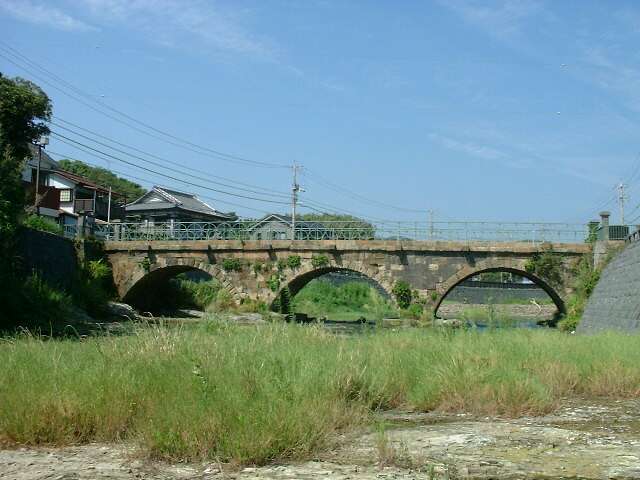
The bridge of glasses

Western-style Mie-bashi, a masonry method, on the lower Nagao River at Takiguchi, Shirahama. Because there are three arches, it is not really glasses, but it has come to be called a glasses bridge from the appearance of moving to the river. The bridge was built in Meiji 21 (1888) with a donation of 399 yen and 40 yen from the villagers. He said he had walked across the river before the construction. It is a sturdy bridge that, in wartime, tanks passed through it without being broken by the Great Kanto Earthquake. Repair work was carried out in 1977 and 1993, and the figure remains at the time of construction. Prefectural Designated Tangible Cultural Property. Japan's Meihashi Hyakusyo.

Contact Us: Business & Personal Inquiries

By proceeding, you agree to our Terms of Use And confirm you have read our Privacy Policy .

Notes

· We are available for inquiries 24 hours a day. Responses will be provided between 9:00 and 18:00 (including weekends, public holidays, and year-end/New Year holidays).
· Depending on the nature of your inquiry, it may take some time for us to respond.

RURUBU & ALL WAY JAPAN
Privacy Overview

This website uses cookies so that we can provide you with the best user experience possible. Cookie information is stored in your browser and performs functions such as recognising you when you return to our website and helping our team to understand which sections of the website you find most interesting and useful.