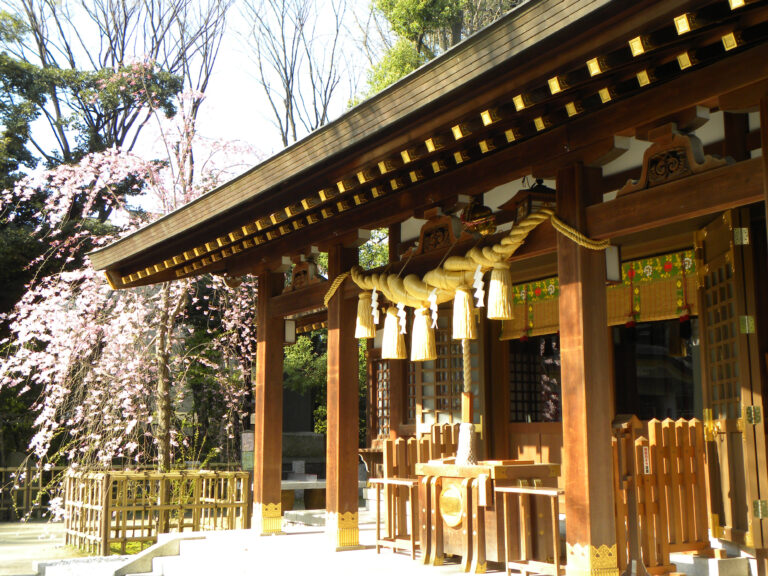
Jindaiji Natural Hot Spring Takamori no Sato

Jindaiji Natural Hot Spring Takamori no Sato

Info

Keio Chōfu Station → Transfer car 10 minutes
4km 5 minutes from Chūdo Kōfu IC via National Route 20 and Metropolitan Route 121
50 units/free

Business Hours

From 10 to 22 o'clock

Price

Weekday adults 1080 yen, children (infants to elementary school students) 650 yen, adults 1180 yen on Saturdays, Sundays and holidays, children 750 yen.

Spot Category

Hot Spring Spots and More


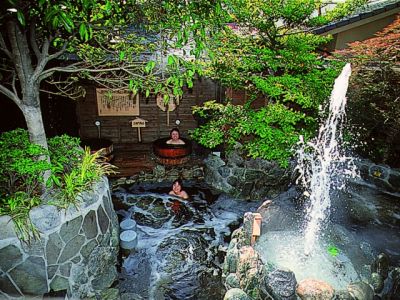
An open-air bath with unique tubs on the garden-inspired grounds

The information provided reflects the details available at the time of the survey.
Please note that facility details may change due to the facility’s circumstances, so please check for the latest information before visiting. This content has been translated using machine translation.

Information provided by: JTB Publishing

This content uses automatic translation services. Automatic translations may not always be accurate.
Please note that the translated content may differ from the original meaning. We ask for your understanding when using this content.
Related Spots

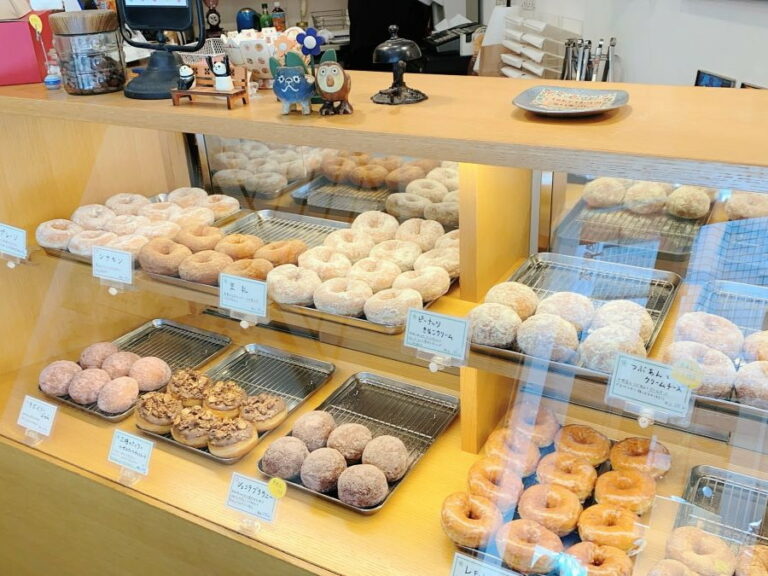
Donut workshop repolo

The popular store is fluffy doughnuts, which are made by a dough method that does not absorb oil as much as possible. The donut is easy to eat for both young and old. The unique doughnuts of the store are attractive.

Shinomiya Orchards

It grows 12 varieties of rabid-eye blueberries and blackberries. You can also walk to Jindai-ji Temple and Jindai Botanical Park.

Mayo Terrace

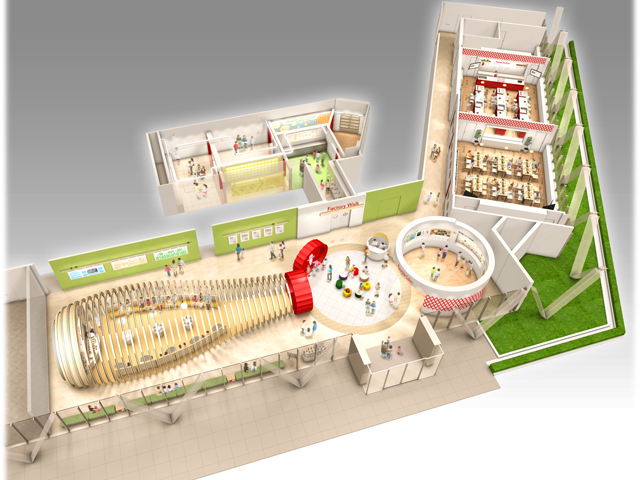
A facility where you can experience the history of Kewpie Mayonnaise, the secret of deliciousness, thoughts and ideas for manufacturing.

Maehama Beach Beach

The white sand is beautiful and the most popular beach in Kozujima. The water is highly transparent. The Environment Agency's water quality survey has been the only one in Tokyo. Warden resident from August 1 to the end.

Kiyomizu Temple

The ancient temple where the bell tower, the mizuya, and the kanyondō are designated as tangible cultural objects of the city. The bell tower is said to be erected in Tenpo 13 (1842), and is built by an Irimoya house, with copper-paneled sculptures of Suzaku, Seiryu, White Tiger, and Genbu, with a bell about 72cm in the center suspended. The Kannon-do, which is located at the top of the steep stairs, is said to be rebuilt in 1850, and is said to have been decorated with a lot of sculptural decorations, which is a good representation of the trend of the late Tokugawa period.

Nitta Shrine

The shrine of Yukari Nitta, located a few minutes walk from Musashi-Nitta Station on the Tokyu Electric Railway Tama River Line. It began to be enshrined as Nitta Daimyojin in order to quell the spirit of Nitta Yoshikoshi (the child of Yoshisada), who was murdered by Yaguchi's passing in 1358. Also known by the Jōruri and Kabuki "Shinrei Yaguchi Watari", the middle-Edo orchid scholar and writer Hiraga Gennai visits, and the "yamori", which is made of sacred Shinotake in the precinct, is believed to be the birthplace of the demon arrow.

Contact Us: Business & Personal Inquiries

By proceeding, you agree to our Terms of Use And confirm you have read our Privacy Policy .

Notes

· We are available for inquiries 24 hours a day. Responses will be provided between 9:00 and 18:00 (including weekends, public holidays, and year-end/New Year holidays).
· Depending on the nature of your inquiry, it may take some time for us to respond.

RURUBU & ALL WAY JAPAN
Privacy Overview

This website uses cookies so that we can provide you with the best user experience possible. Cookie information is stored in your browser and performs functions such as recognising you when you return to our website and helping our team to understand which sections of the website you find most interesting and useful.