Asama Jomon Museum

Asama Jomon Museum

Info

Shinano Railway Miyoda Station → 8 minutes on foot
5km 10 minutes from Saku IC on Joshinetsu Road via Prefectural Road No. 9
130 units

Business Hours

9:30 to 17:00 (entry is ~ 16:30)

Price

Adult 500 yen, dwarf 300 yen (groups of 20 or more people, discount 100 yen in winter)

Spot Category

Museum, Science Museum, Museum, Other Experience Facilities

The information provided reflects the details available at the time of the survey.
Please note that facility details may change due to the facility’s circumstances, so please check for the latest information before visiting. This content has been translated using machine translation.

Information provided by: JTB Publishing

This content uses automatic translation services. Automatic translations may not always be accurate.
Please note that the translated content may differ from the original meaning. We ask for your understanding when using this content.
Related Spots

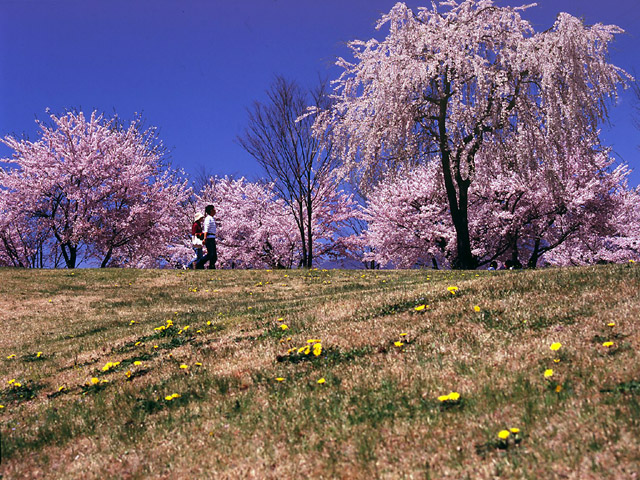
Snow Window Park

The park, which boasts a site area of 60,000 sq m, was built on a scenic spot with a view of Mount Asama. There's a well-equipped baseball field, a multi-purpose ground, and a fun-to-play Chibiko square, where the holidays are packed with families and young people sweating from sports. Toilets and parking are also maintained. On the wide lawn part, numerous cherry trees are planted.

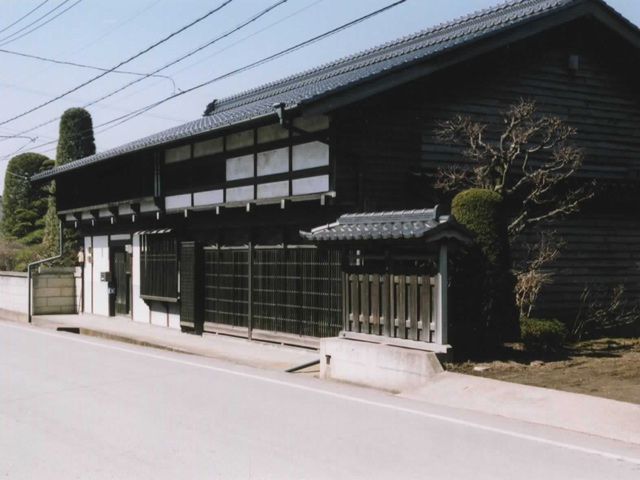
Odaishuku

It is lined with eye-catching main wall walls of a dozo and white walls, a wall with a thousand-lattice window, and a wall wall under a heavy construction, forming a gentle townscape. Once a small-scale farming village with five cases of travel, the daimyō stayed in the ornate Oiwake-shuku, and many princesses took advantage of this place. For this reason, it is also called "Princess's Inn". Also, on August 16 every year, the Odaijuku Festival is held in connection with a worship doll given by Princess Wadomiya.

Shinraku Temple

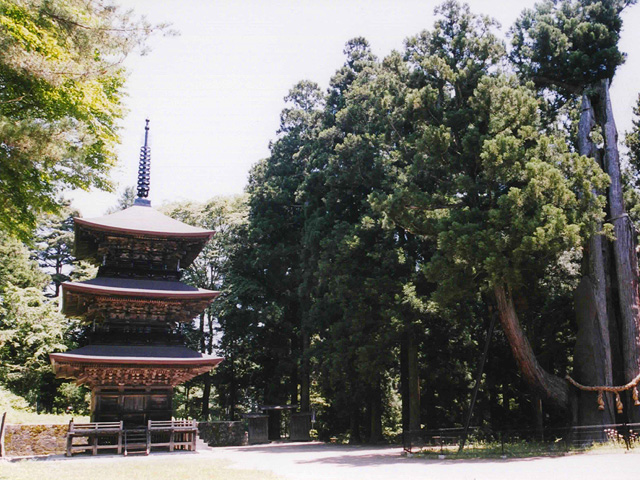
Yomei 2 (587) An ancient temple reportedly erected by Prince Shotoku's father, Emperor Yomei to quell the eruption of Mount Asama. In the wide precincts, there are many places to see, such as the main hall with a chrysanthemum, the Mie Tower designated as Nagano Prefectural Treasure, the Kanon-do, the thousand-year-old Jindai cedar, the 20-meter-high parenting Jizo-son, and the pond of Onuma, the birthplace of the Kōga Saburo legend. "Ryūjin Matsuri," Miyoda-cho's largest event to be held on the last Saturday of July, with the motif of the legend of Saburo Kōga, who was incarnated as a dragon, begins at this ancient temple.

Kōtoku-ji Temple

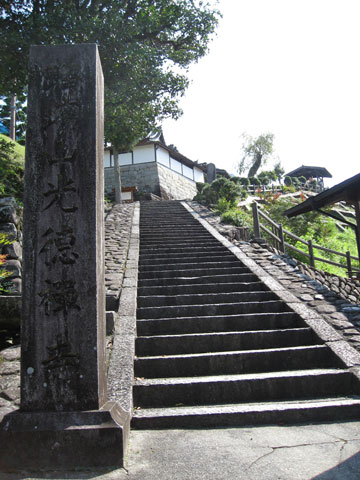
An ancient temple of the Rinzai sect, located on a high ground overlooking the townscape. Kaesan was in the year of Meiyo 9 (1500). In Kyoho 10 (1725), the main hall, which was erected by the Hayashi family, includes the Uguisu-tsuku corridor, the Yamaoka Tetsushu flat-profile, and the Owari Tokugawa family's basket. The back of the back [kuri] next to the main hall houses a basket with a car devised by the priest in the Tenpo years. In the shrine under the entrance stone steps, Enmei Jizo, which is said to save women, is celebrated. As the festival approaches in April, the stone gets wet at night due to the temperature difference between day and night. The Honson Yakushi Nyorai was by a Buddhist master, Kiyama, of Gyeongsang 4 (1599). Chubu 49 Yakushi No. 21.

Myokaku-ji Temple

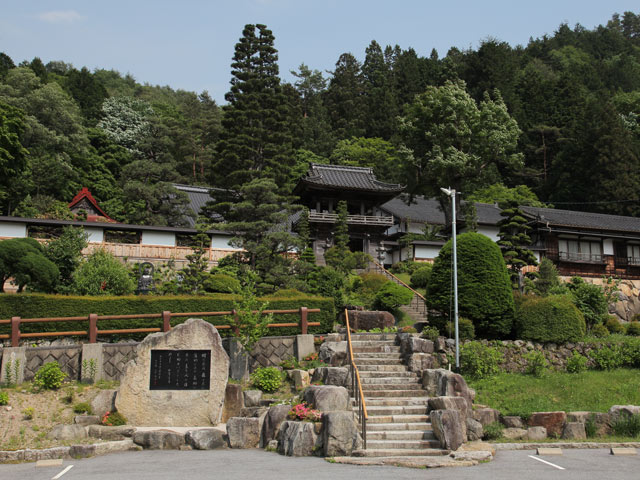
The ancient temple of the Rinzai Myoshin-ji school, which is lined with the main temple and the Jōō-dō and the bell-roomon. It is said to be about 700 years ago, but was rebuilt in Kyoho 11 (1726) after it was destroyed by fire. The gardens are well-maintained, and the flowers of the four seasons add color. The main hall was rebuilt in 2018 for aging.

Hakusan Shrine

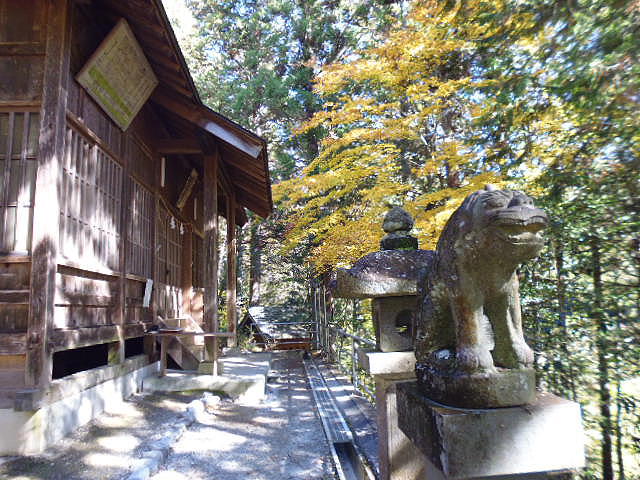
Natural wood of cypress and cedar thrives on the grounds. The four shrines (important cultural property) of Kumano, Izu, Hakusan, and Zao, which are about 1m away from the side where the bills of the first year of Kenbu (1334) remain inside the Okiya in Ishigaki (Oiya). All of them are considered to be the oldest Kamakura architecture in Nagano Prefecture, which is characterized by the roof of Ichikensha style cypress skin. The entrance with the inscription of 1439 was left behind, indicating that it was the center of the culture of Kiso Valley.

Contact Us: Business & Personal Inquiries

By proceeding, you agree to our Terms of Use And confirm you have read our Privacy Policy .

Notes

· We are available for inquiries 24 hours a day. Responses will be provided between 9:00 and 18:00 (including weekends, public holidays, and year-end/New Year holidays).
· Depending on the nature of your inquiry, it may take some time for us to respond.

RURUBU & ALL WAY JAPAN
Privacy Overview

This website uses cookies so that we can provide you with the best user experience possible. Cookie information is stored in your browser and performs functions such as recognising you when you return to our website and helping our team to understand which sections of the website you find most interesting and useful.