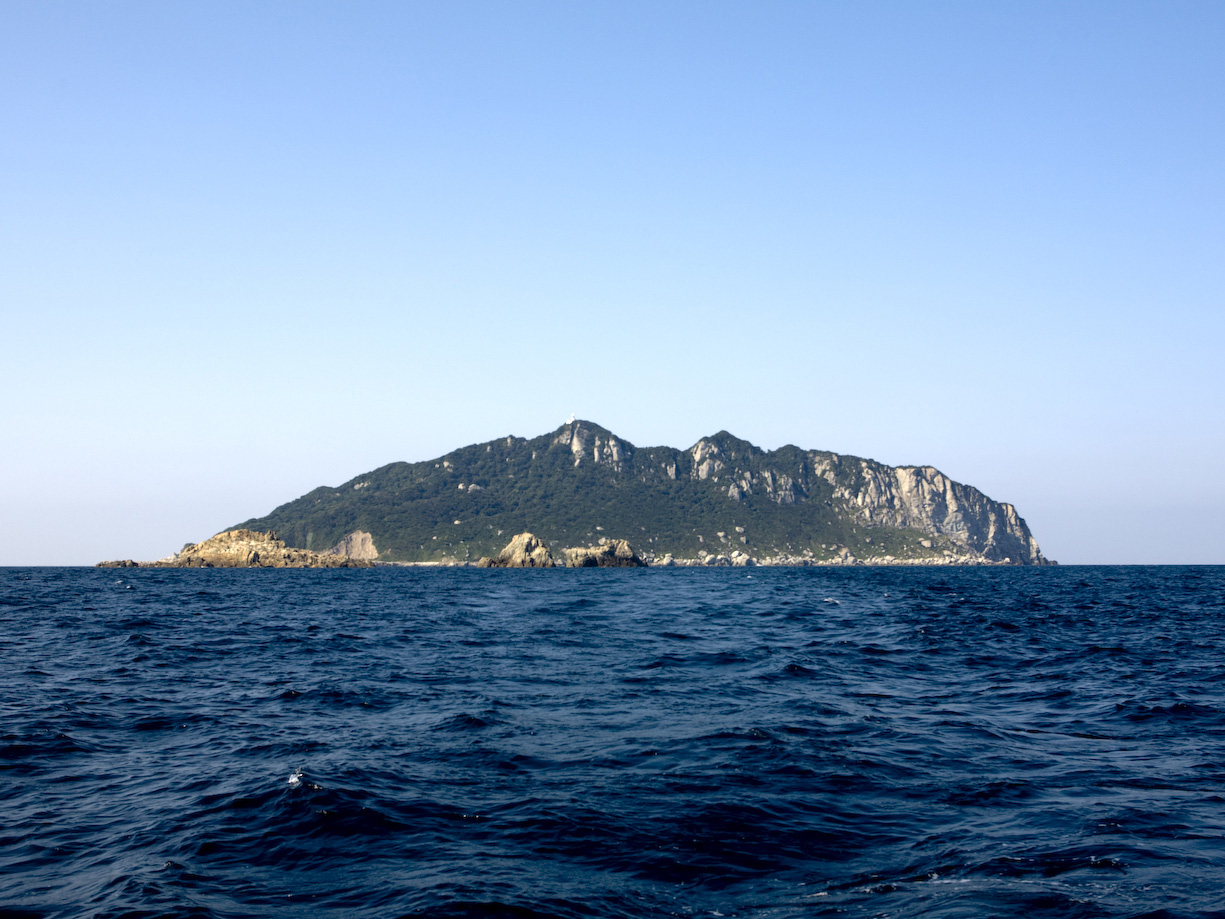
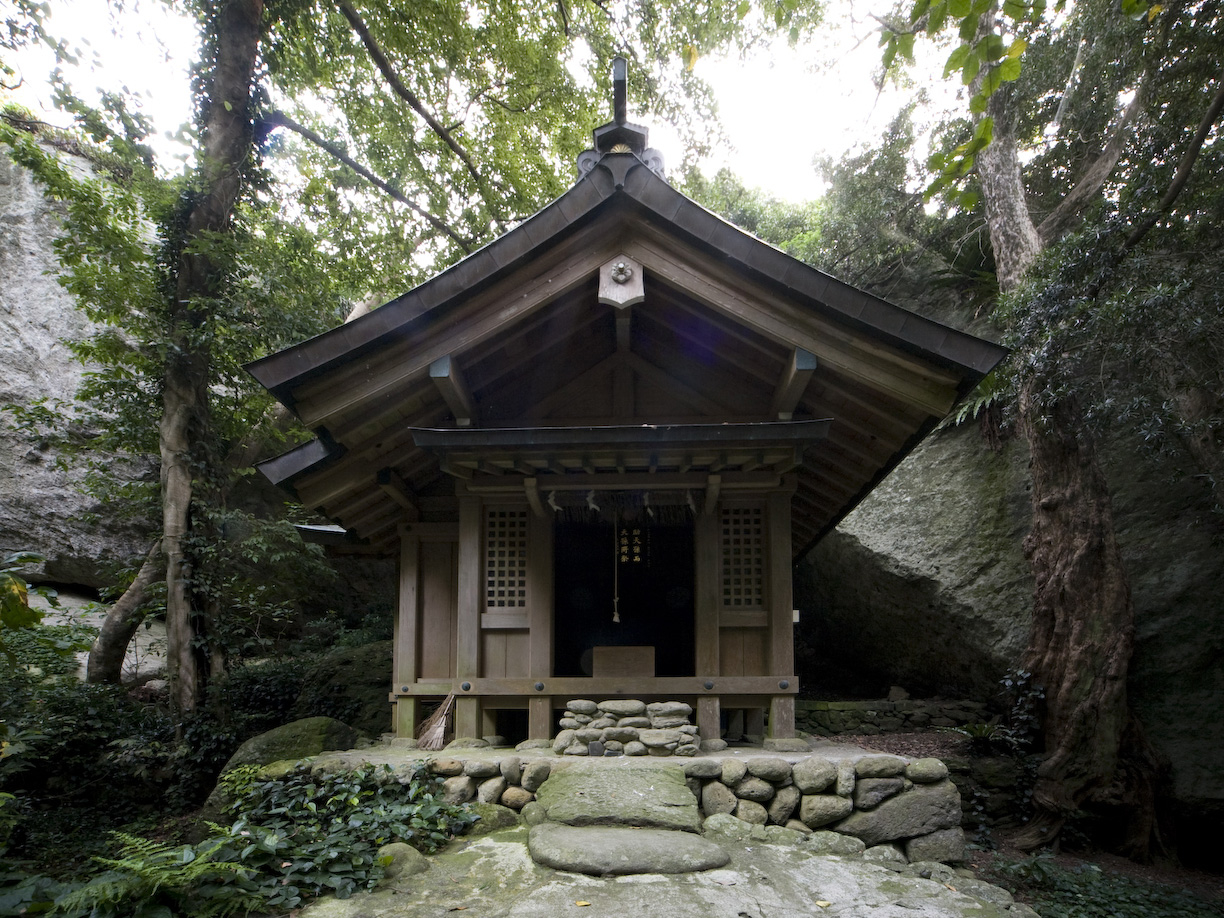
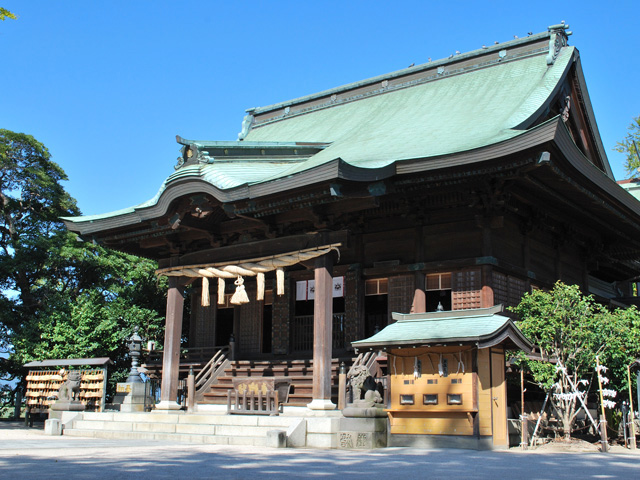
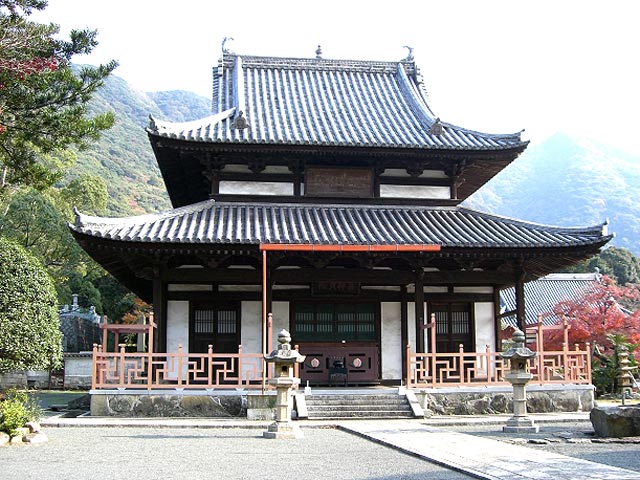
Okinoshima (Munakata Taisha Okitsugu)

Okinoshima (Munakata Taisha Okitsugu)

Info

Business Hours

No entry to the island

Price

No entry to the island

Spot Category

Island, Shrines and Temples


Okinoshima called "God's Island"


The shrine stands in the deep green mountains

The information provided reflects the details available at the time of the survey.
Please note that facility details may change due to the facility’s circumstances, so please check for the latest information before visiting. This content has been translated using machine translation.

Information provided by: JTB Publishing

This content uses automatic translation services. Automatic translations may not always be accurate.
Please note that the translated content may differ from the original meaning. We ask for your understanding when using this content.
Related Spots

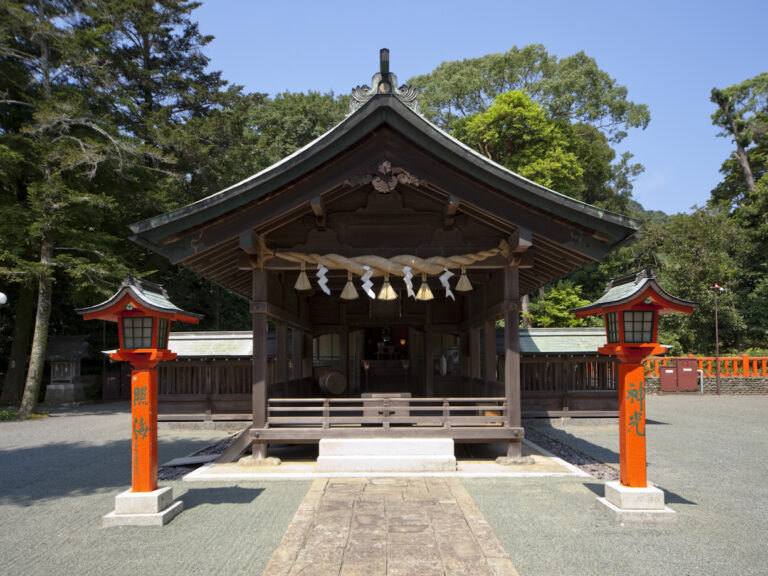
Munakata Taisha Nakazumiya

Floating about 11km off the coast of the mainland of Kyushu, Oshima is the largest island in Fukuoka Prefecture with a circumference of about 15km. The Nakatsu-gū, which celebrates the first pillar of the Three Goddesses of Munakata, the Dantsu-Hime-no-gami, is located by the port of Oshima on the southwestern shore of the island, and is located across the sea to face the Munakata Taisha Bezū. The main shrine is built in the first half of the 17th century and is designated by the Fukuoka Prefecture. It is also said to be the birthplace of the Tanabata legend, and the Milky Way flows in the precincts, along with the Ohime Shrine and the Kenkyū Shrine, which also benefit from the bounds. The Nakazumiya Tanabata Festival is an early summer wind poem that continues from the Kamakura period. It is one of the constituent assets of the World Heritage Site "" "Kamishukuru Island" Munakata/Okinoshima and Related Heritage Groups ".

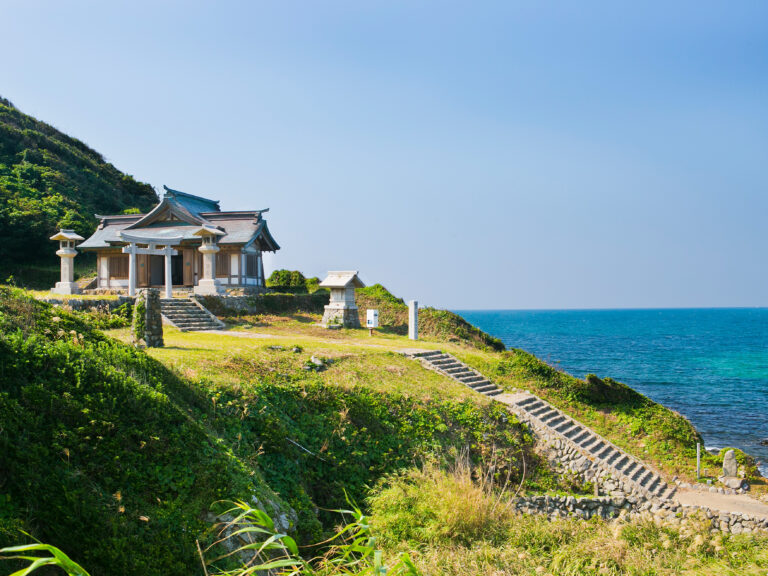
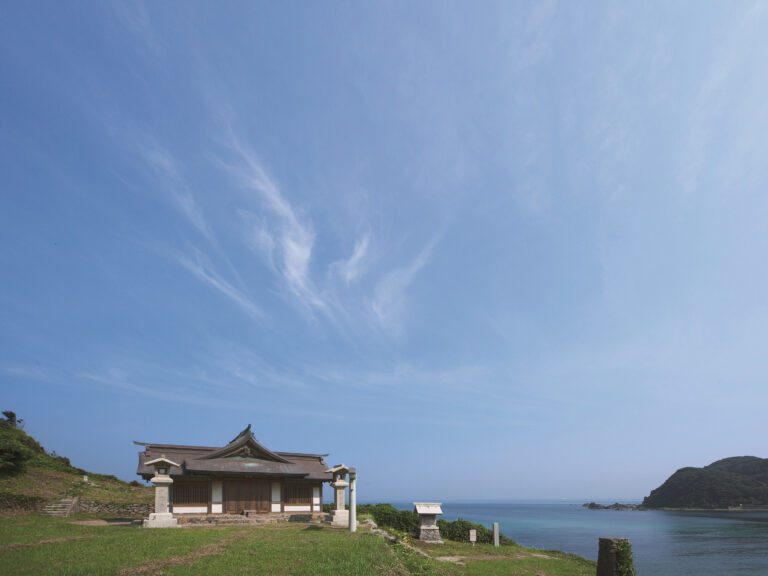
Munakata Taisha Okitsugu Palace

A shaishō in the Okinoshima (Munakata Taisha Okitsugu) on the north side of the Ōshima. Okinoshima, whose entire island is a sacred body, has been banned from common people since ancient times due to strict contraindications. For that reason, he has been worshiping the island floating far off this land. From the stone monument engraved with "Kannobu 3rd year (1750)" standing beside the stone steps to the camp, it can be seen that a camp was built in the middle of the Edo period. The present place of worship was built in 1933 (Showa 8). On a good day, you can visit the Okinoshima which floats on a horizontal line about 50km away from here. It is one of the constituent assets of the World Heritage Site "" "Kamishukuru Island" Munakata/Okinoshima and Related Heritage Groups ".

"Kamukuru Island" Munakata, Okinoshima and related heritage groups

"Kamikuru Island" The Munakata-Okinoshima and the Associated Heritage Group is a valuable heritage group where the tradition of worshiping "Kamikuru Island" developed in the course of active foreign exchanges in ancient East Asia and has been inherited to this day. In Okinoshima (also known as Munakata Taisha Okitsugu), ancient ritual ruins have been defended in an almost untouched state. Its rituals also spread to the Munakata Taisha Nakatsu-gū on Ōshima and the Munakata Taisha-betsu-gū on the mainland of Kyushu, and the Okitsu-gū-gō-kō-kō-kō-kō-kō-kō-kō-kō-kō-kō-kō-kō on the island of Kyushu was also established. The Niihara-Nuzan Kofun group is a group of tombs of the ancient royal family Munakata who built the tradition of faith.

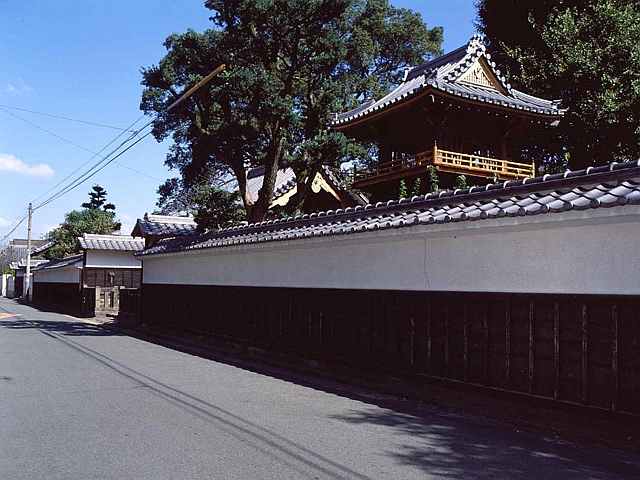
Teramachi

A town where temples were collected during the Edo period for the defense of Kurume Castle. It is lined with 17 temples, and still retains the features of the Edo period. In each quaint temple there are tombs of many of the predecessors who were active in Kurume. The most well-known people are King Shishi Takayama Hikokuro, the founder of Kurume mochi, Inoue Den, the founder of Kurume Atsuji, Motozo Sakamoto, and the Western painter Harue Koga.

Suiten Palace

Sōhō-gū of Suiten-gū, which is located throughout the country. The beginning was that Ise, who served Emperor Andoku's birth mother, Takakura Taira Nakamiya [Azechi no Tsuboune], enshrined the spirit of the Heike, who had perished in the Battle of Nōnoura, to mourn. It is known as the guardian deity of asanis, child-giving, water-relief, and children.

Fukuju Temple

The temple of Obaku sect in a corner of Adachi Forest Park. The feudal lord, Tadamasa Ogasawara, was erected in Kanbun 5 (1665). It was later vanished by military fire and fire of Chōshū Cavalry at the end of the Tokugawa period. The main hall was rebuilt in Kyoho 2 (1717). Kaesando and others were built after the Meiji era. There is a garden behind the main hall, and the Sesshu Garden, which has natural stones in a borrowed view of Mount Ashitate, is a must. Please note that some of the precincts in the direction of the back mountain are unwatchable.

Contact Us: Business & Personal Inquiries

By proceeding, you agree to our Terms of Use And confirm you have read our Privacy Policy .

Notes

· We are available for inquiries 24 hours a day. Responses will be provided between 9:00 and 18:00 (including weekends, public holidays, and year-end/New Year holidays).
· Depending on the nature of your inquiry, it may take some time for us to respond.

RURUBU & ALL WAY JAPAN
Privacy Overview

This website uses cookies so that we can provide you with the best user experience possible. Cookie information is stored in your browser and performs functions such as recognising you when you return to our website and helping our team to understand which sections of the website you find most interesting and useful.