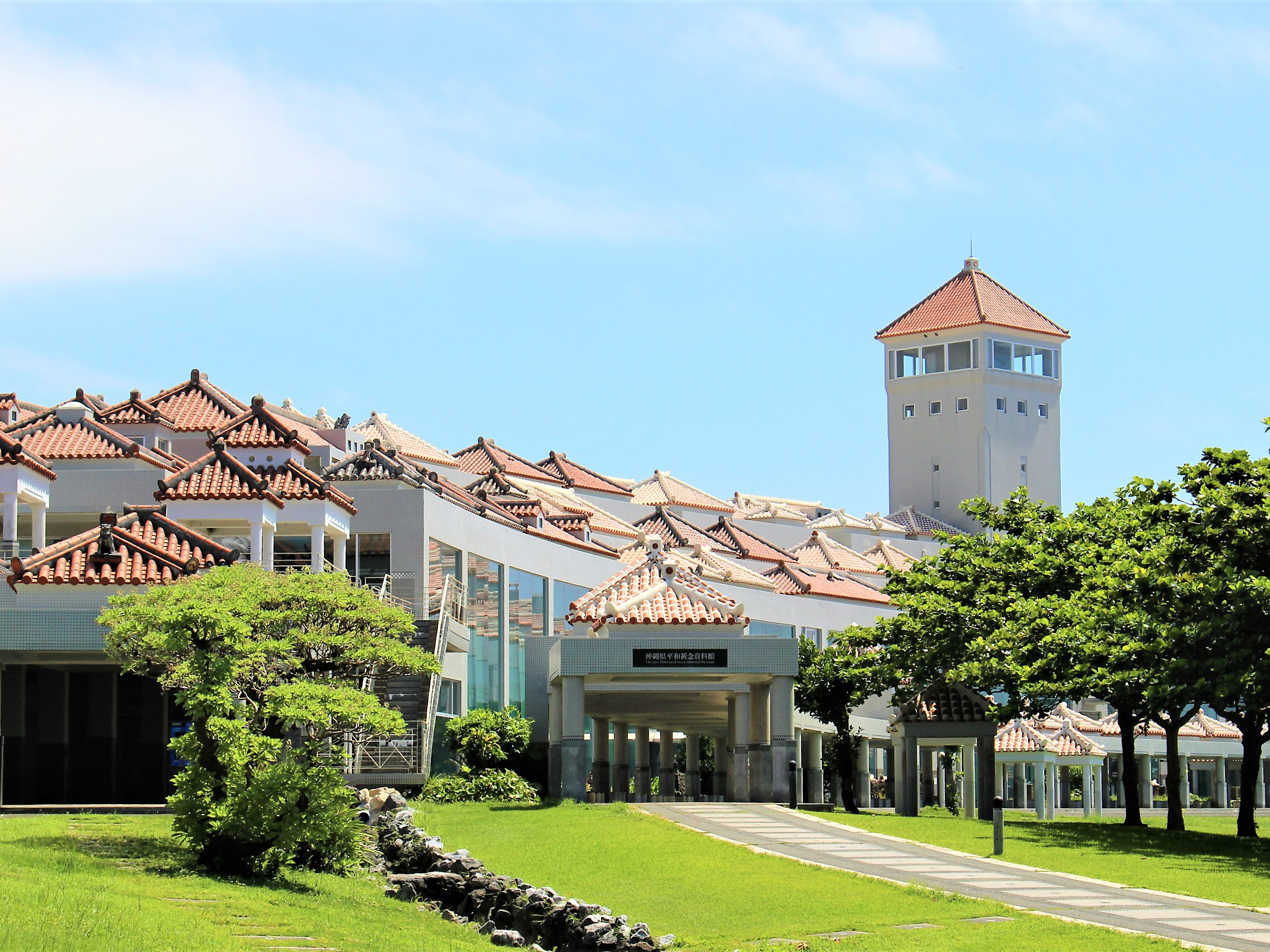
Okinawa Peace Prayer Museum

Okinawa Peace Prayer Museum

Info

Yui Rail (Okinawa City Monorail) Akamine Station → 35 minutes by car
20km 40 minutes from Naha Airport, Okinawa via National Route 331
250 units/free

Business Hours

9 to 17 o'clock (entry is ~ 16:30)

Price

Viewing fee 300 yen for adults, 150 yen for dwarfs

Spot Category

Museums・Science Museums・Archives


Okinawa Prefecture Peace Prayer Museum Exterior

The information provided reflects the details available at the time of the survey.
Please note that facility details may change due to the facility’s circumstances, so please check for the latest information before visiting. This content has been translated using machine translation.

Information provided by: JTB Publishing

This content uses automatic translation services. Automatic translations may not always be accurate.
Please note that the translated content may differ from the original meaning. We ask for your understanding when using this content.
Related Spots

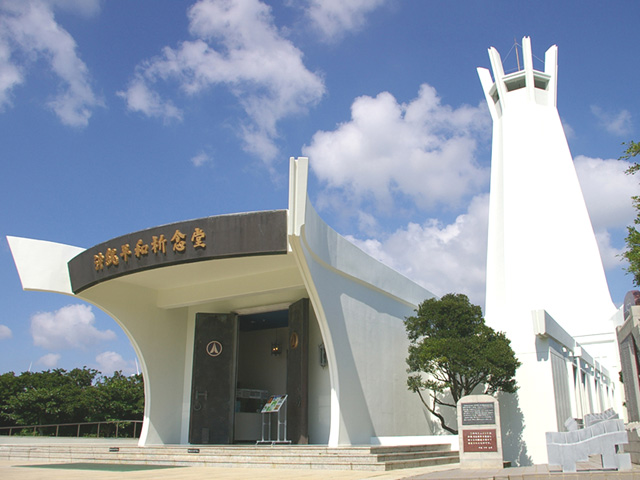
Okinawa Peace Prayer Hall

A towering chalk building within the Peace Prayer Park. Constructed as a symbol of the desire for peace and mourning for the war dead of all Okinawans and others. In the hall, there is a focus on the statue of Okinawa Peace Prayer, which was created by an artist from Okinawa, Masayama Yamada for over 18 years. "War and Peace", a series of paintings created by Nishimura Tateo [Nishimura Keiyu] with a thought for peace, adorns the walls. There is also a museum that displays large works given by prominent painters who agree with the idea of the prayer hall, and a Kiyira butterfly garden that houses some of the country's largest butterflies and giant butterflies. A bronze statue of a "boy" by sculptor Tadayoshi Sato is installed on the site. Take 30 minutes.

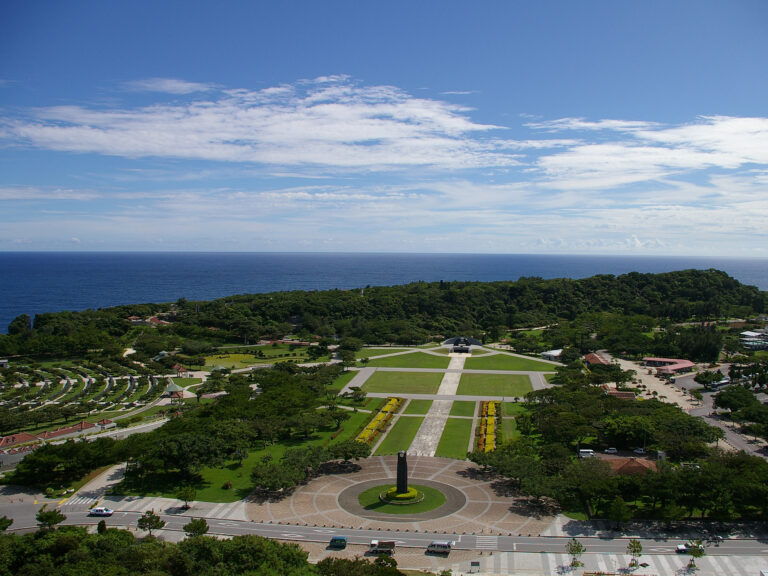
Peace Prayer Park

It was established as a peace prayer park in Mabuni, Itoman, the site of the end of the Okinawa War, and serves as a base for transmitting wishes for permanent peace. In the garden, there are many places to inscribe in the heart, such as the Okinawa Prefectural Peace Prayer Museum, the cornerstone of peace [Ishiji], the Okinawa Peace Prayer Hall, the National Okinawa War Veterans Cemetery and the memorial towers of each prefecture. There is a Wi-Fi free spot at the park office. 100 yen (Saturday, Sunday, and public holidays) for each of the in-park EV buses.

Around Mabuni Hill

Inside the Peace Prayer Park. A number of cenotapes line the area around Mabuni Hill, which became the last battleground of the Battle of Okinawa, so as not to forget its times of tragedy and terror. On the hill, there are monuments to the National Okinawa War Veterans Cemetery, which enshrined the remains of the war dead that had been enshrined in various places, and memorial towers of each prefecture. There stands a statue of three boys, built with the thoughts of peace, friendship, and sibling love. Right beside it is the Okinawa Normal Kenjino Tower. The men's section of the Okinawa Normal School, 289, who were killed in the war on Okinawa, and 17 of the head of the school and other staff members are enshrined. The daimeito stand on the 32nd Army Commander Lieutenant General Mitsuru Ushijima and the Chief of the Military Staff, Lieutenant General Chung Isamu, on top of the 32nd Army Command bunker that they had been muffled until the end of it.

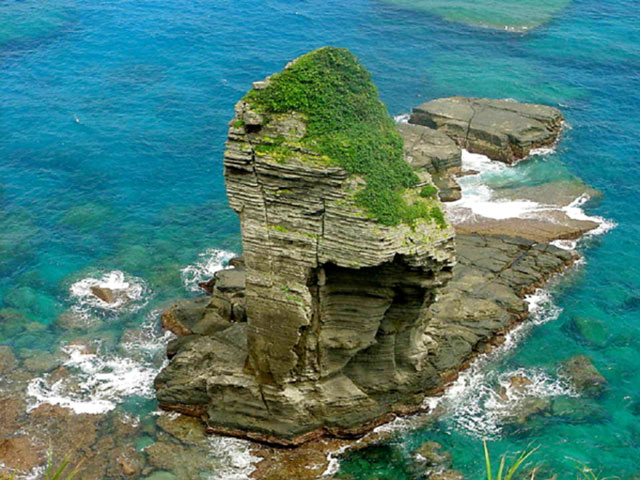
Tachin rock

Among the islands of Yonaguni, which are surrounded by sheer cliffs, the east-south is the area with the most severe and masculine landscapes. It is dotted with strange rocks that have been created over time due to the rough open sea. Close to Higashizaki, there is the Sannine stand, which shows the fault, which is divided into several layers, as a rock face. From the observation deck, the warship rock, which looks like a warship as its name suggests, is still washed by the waves. About a five-minute walk from Saint-Ninudai, there is a standing rock with a legend that a young man who could no longer descend from the top of the rock was helped by God.

Roaring Falls

A waterfall with a height of about 20m appears when you drive about 5 minutes into the mountains from the National Highway No. 58 Ikuta intersection.

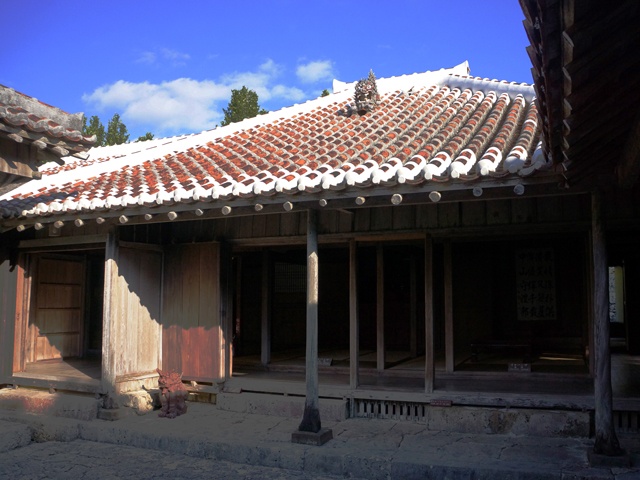
Nakamura Family House

It is a royal farm house built about 280 years ago, and has been spared the war disaster of the Okinawa War to completely leave the private house structure of the Ryukyu Dynasty period. Since he was a local head of state around the year of Kyoho 10 (1720), he also has a stately status as a form of a shabby house. Other features include kitchens with low roofs to use the attic called tungwa for storage, and pig huts called fools. The influence of medieval Japanese houses and Chinese architecture can be seen everywhere, telling the life of a wealthy farmer in the Ryukyu period.

Contact Us: Business & Personal Inquiries

By proceeding, you agree to our Terms of Use And confirm you have read our Privacy Policy .

Notes

· We are available for inquiries 24 hours a day. Responses will be provided between 9:00 and 18:00 (including weekends, public holidays, and year-end/New Year holidays).
· Depending on the nature of your inquiry, it may take some time for us to respond.

RURUBU & ALL WAY JAPAN
Privacy Overview

This website uses cookies so that we can provide you with the best user experience possible. Cookie information is stored in your browser and performs functions such as recognising you when you return to our website and helping our team to understand which sections of the website you find most interesting and useful.