English
  Japanese
  Chinese (China)
  Chinese (Taiwan)
  Korean
Welcome to Nishio! Nishio is a beautiful place full of historical tales and abundant nature. In particular, Nishio’s matcha is renowned all over Japan. Enjoy its deep aroma and its history. What attracts visitors to Nishio are old temples and shrines that are scattered throughout the city, and colorful flowers in full bloom everywhere. Also, you cannot miss the ruins of Nishio Castle and other historical buildings. Come and visit Nishio and its gastronomy and superb views.
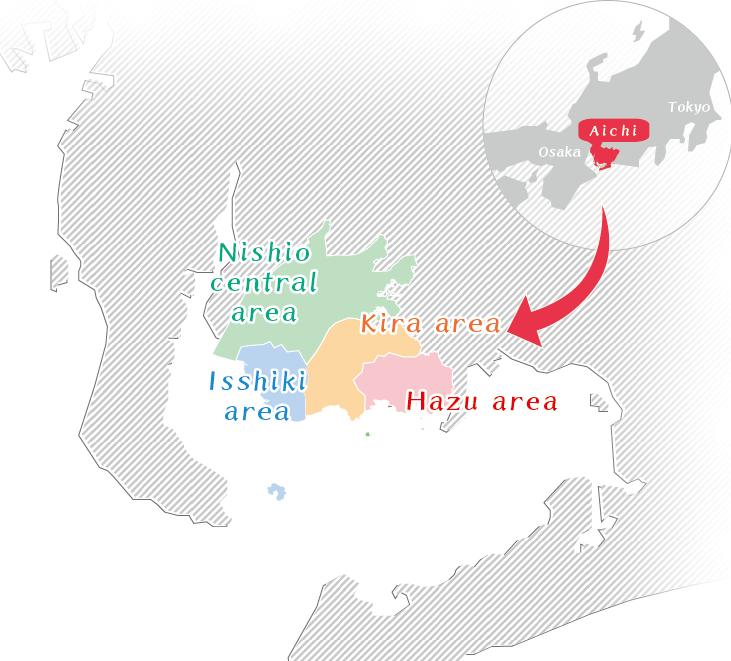
Nishio Area: The Historic and Cultural Heart of the City
Kira Area: The Homeland of the Noble Lord Kira Kozukenosuke
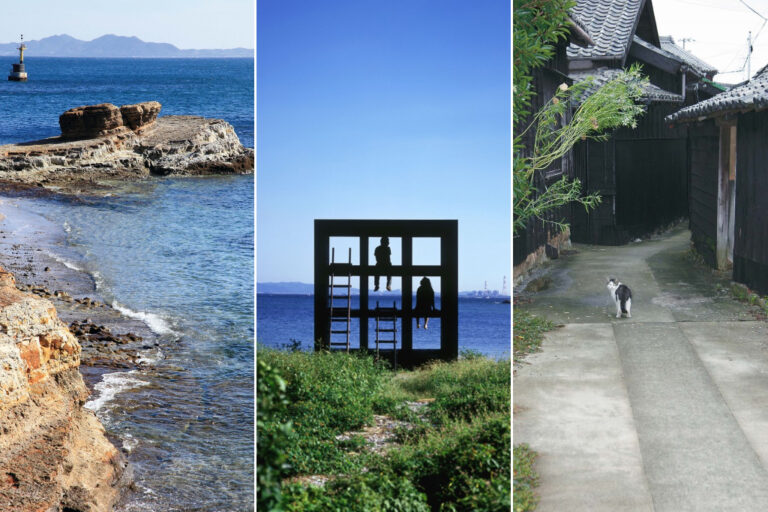
Isshiki Area: Home of Sakushima Art and Premium Eel Farming
Hazu Area: Blessed with Nature — Where the Sea Meets the Mountains
Access Information
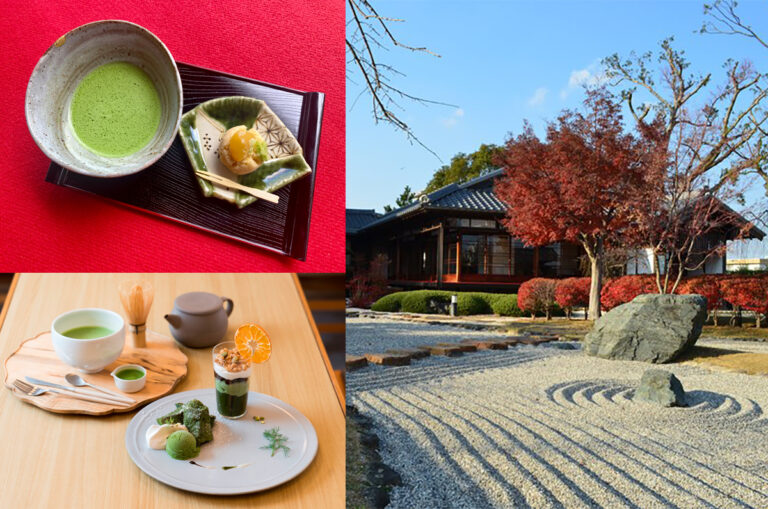
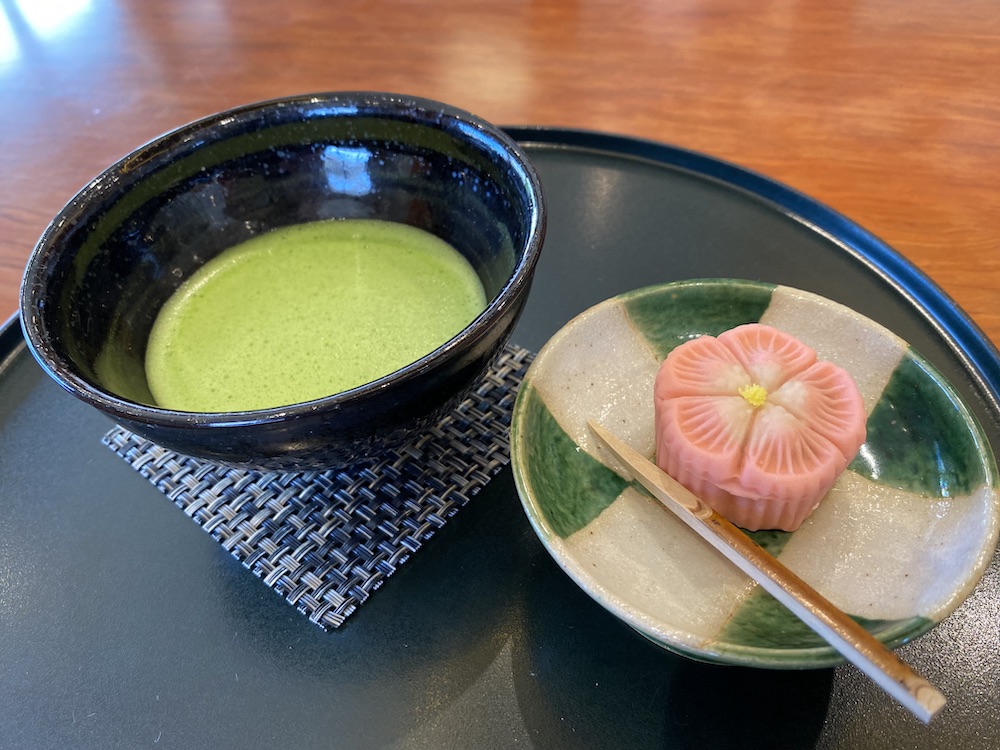
Matcha
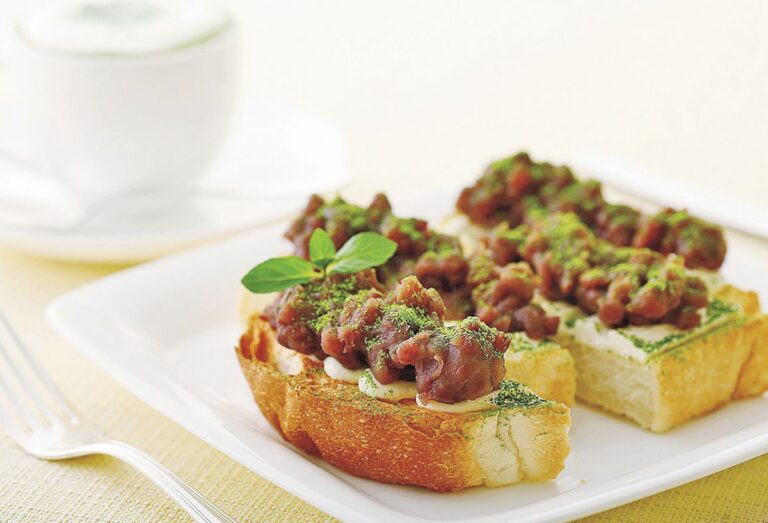
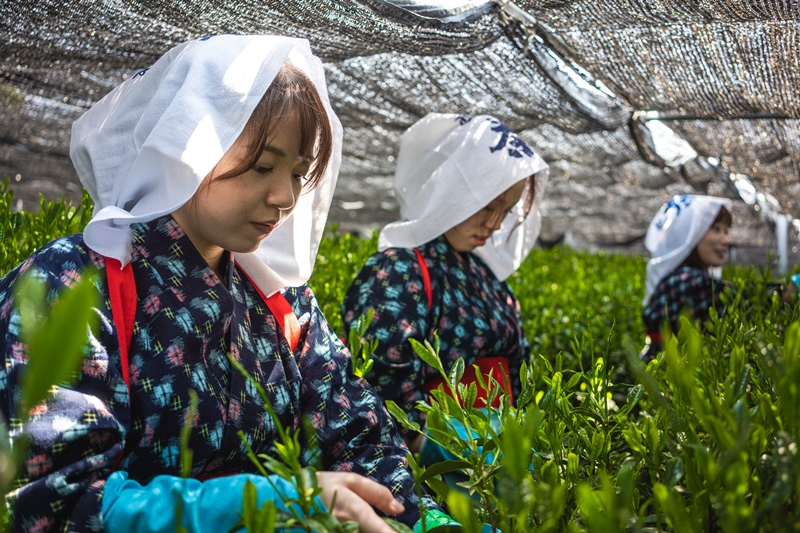
Nishio is known as one of the leading production areas of matcha in Japan, and this location has been particularly well known since the Edo period for the production of Owari Sencha (Owari green tea). Even today, Nishio’s matcha is highly regarded both domestically and internationally for its high quality. There are many cafes and restaurants in Nishio where you can experience Nishio’s matcha culture and enjoy matcha sweets and dishes.

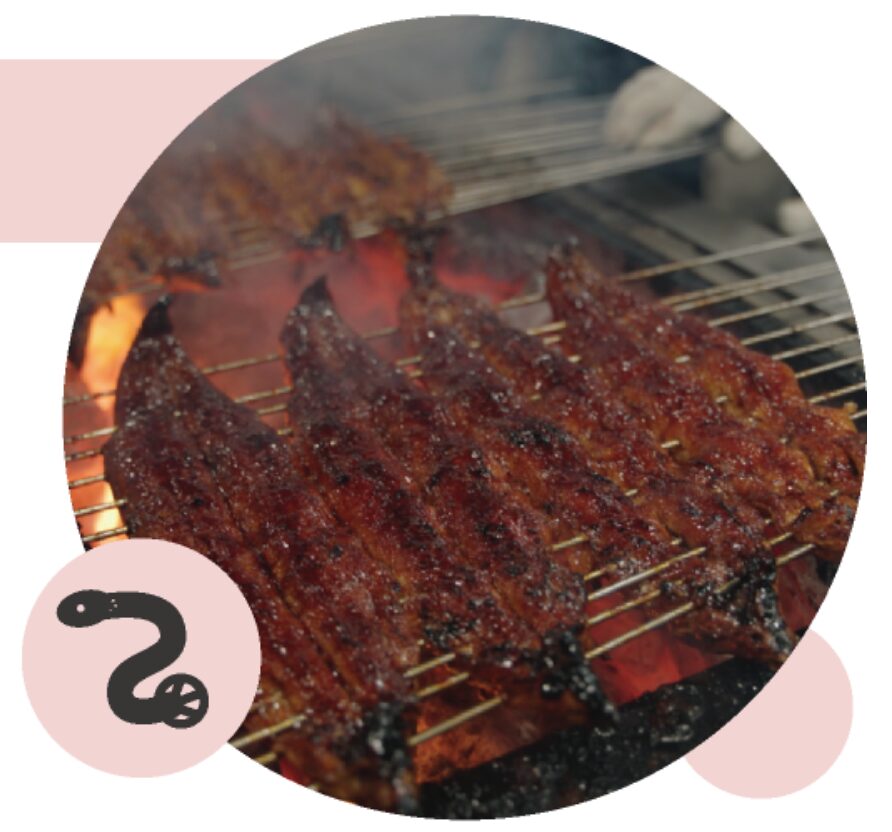
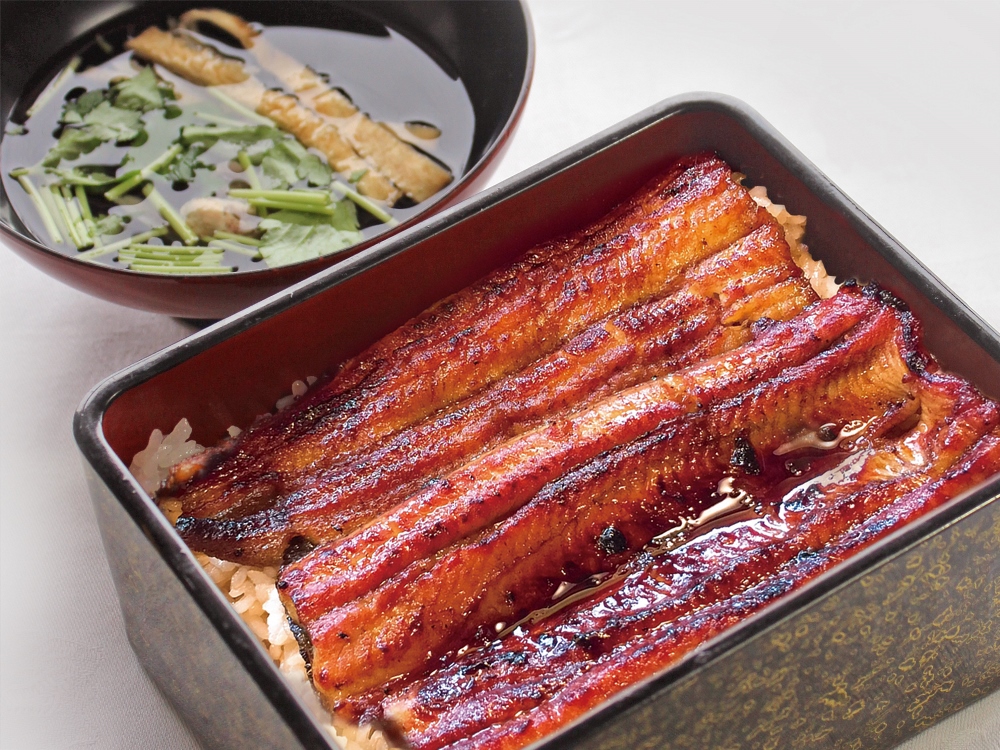
Eel
Isshiki-cho, located in the southwestern part of Nishio, has been a thriving eel farming area for more than 100 years, taking advantage of its rich natural environment and clean water quality, and has been supplying high-quality eels all over Japan. Isshiki eels, which have been certified as a regional brand, are characterized by their fatty, plump, and soft flesh. Locally, there are many eel restaurants where customers can enjoy a variety of eel dishes offering deep flavors from traditional cooking techniques.
History and Culture
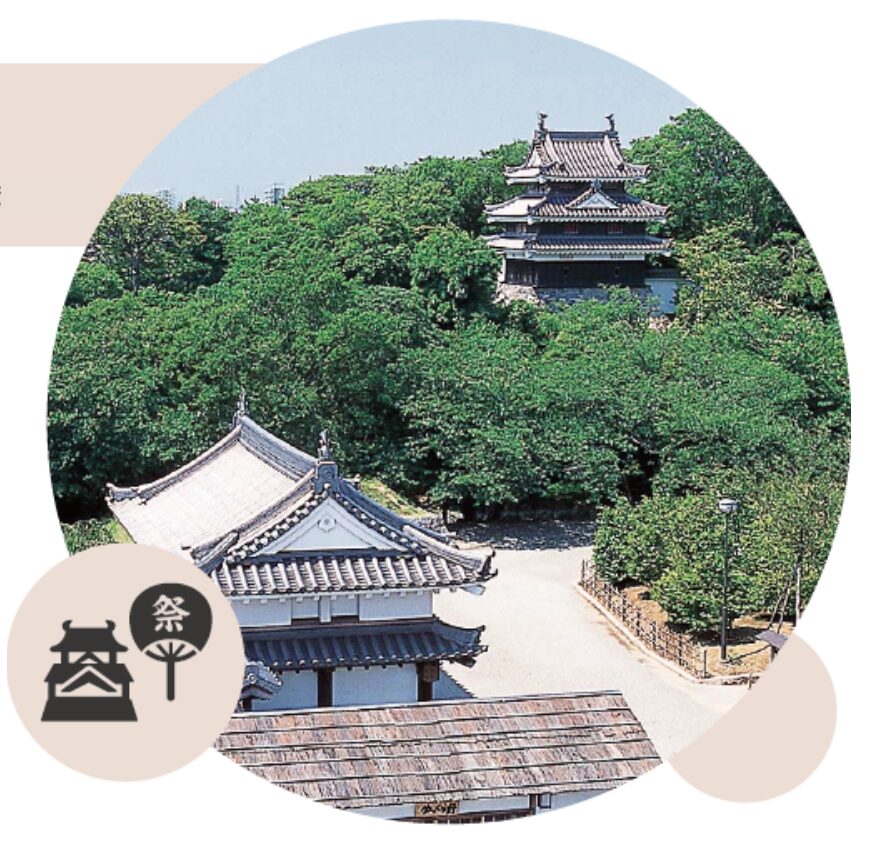
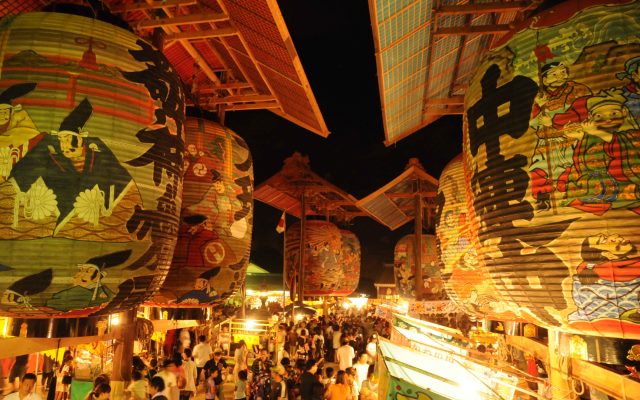
This area has flourished as the border region between Owari and Mikawa provinces. In particular, Nishio Castle was one of the most important strongholds during the Sengoku period. The area was under the control of the Matsudaira clan (later the Tokugawa clan), the guardian of Mikawa Province, and prospered under the direct control of the Edo shogunate during the Edo period. There are also many unique festivals, such as the Nishio Gion Festival and the Mikawa Isshiki Grand Lantern Festival, which have continued for over 400 years. Nishio people are preserving their local traditional cultures and passing them on to the next generation.
Mikawa Bay
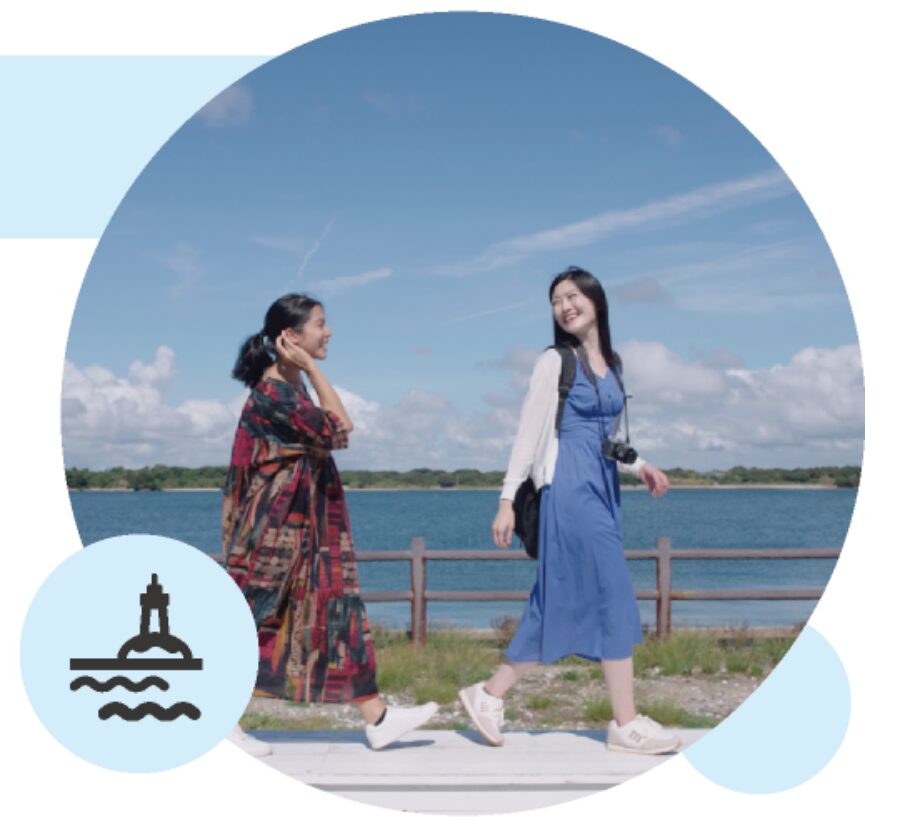
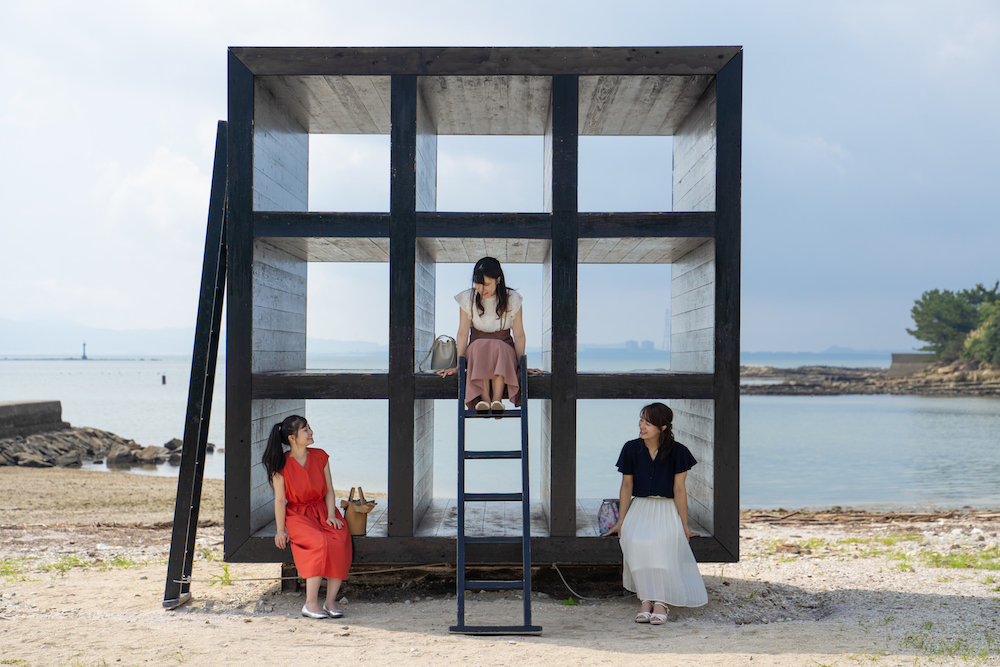
Nishio faces Mikawa Bay and offers beautiful coastal scenery. Sakushima Island, located in Mikawa Bay, is known as a unique tourist destination where art and nature are in harmony. The island attracts visitors with regular art events and hiking trails surrounded by lush greenery, giving them time to enjoy being away from their everyday lives.
Fresh Seafood
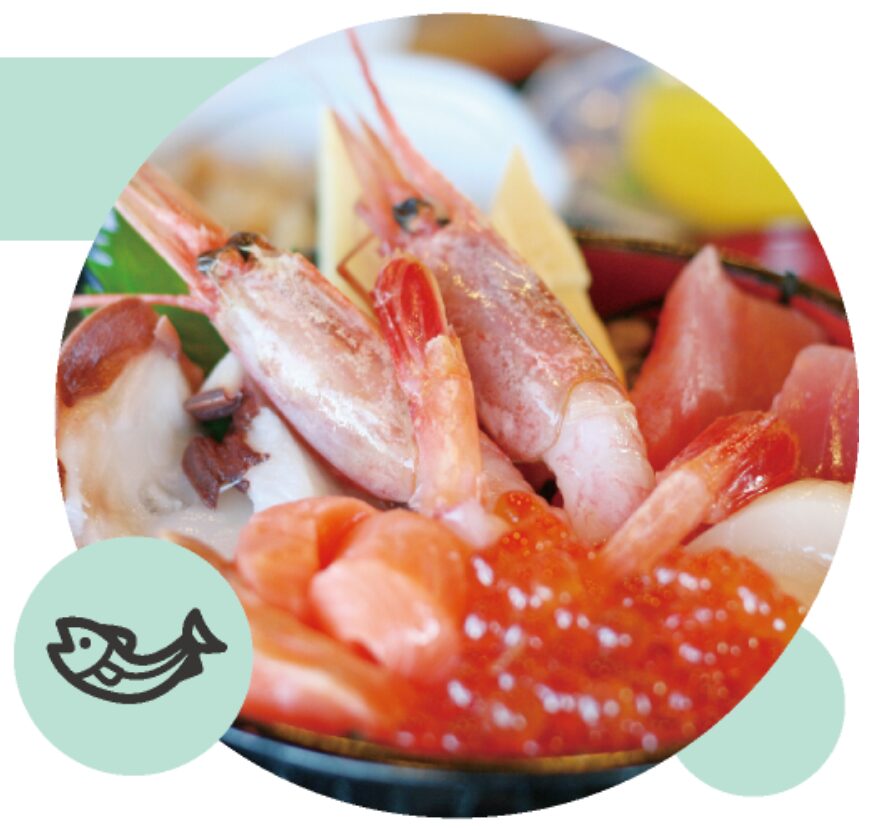
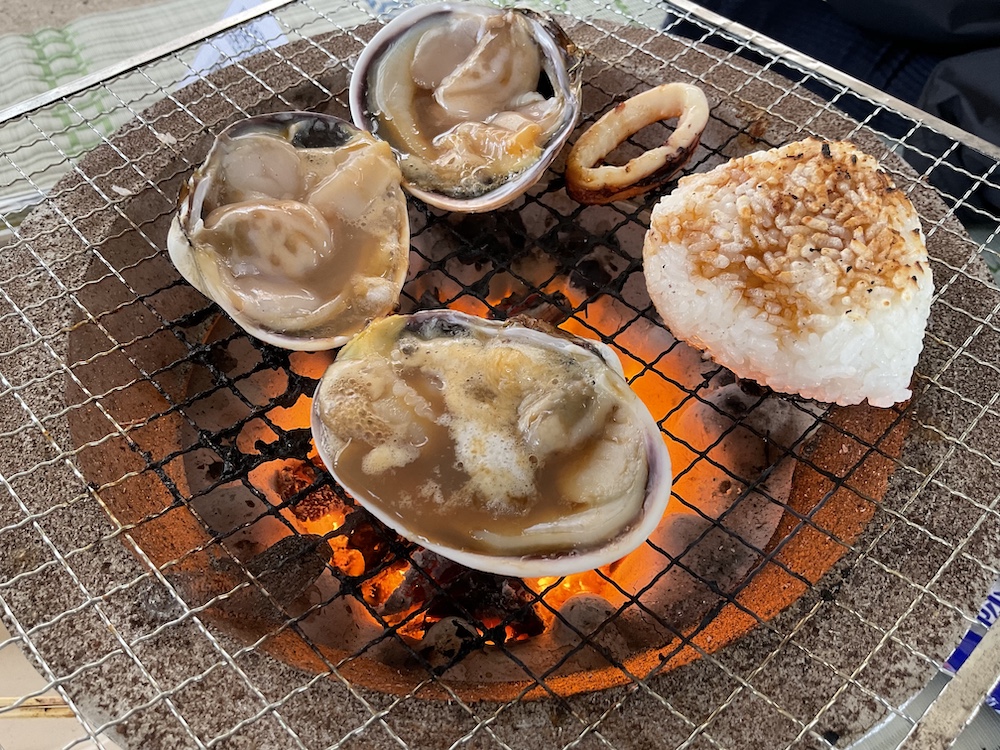
Nishio faces Mikawa Bay and is surrounded by seas rich in seafood. Dishes made with the seafood caught in the bay are loved by local people and visitors from afar. Fresh clams caught in Mikawa Bay represent the best of Nishio’s seafood. A seafood market and direct sales shops are well stocked so that you can taste the unique flavors of Nishio offered in local seafood and sushi restaurants.
Hot Springs
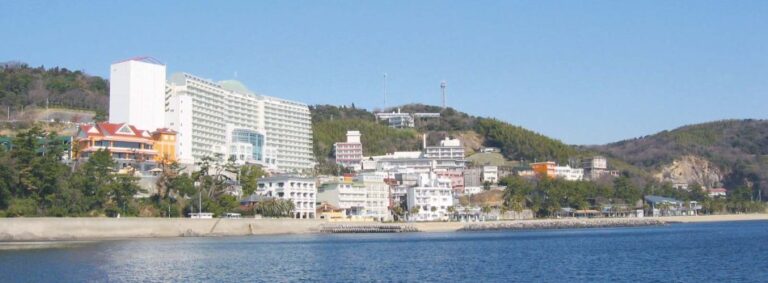
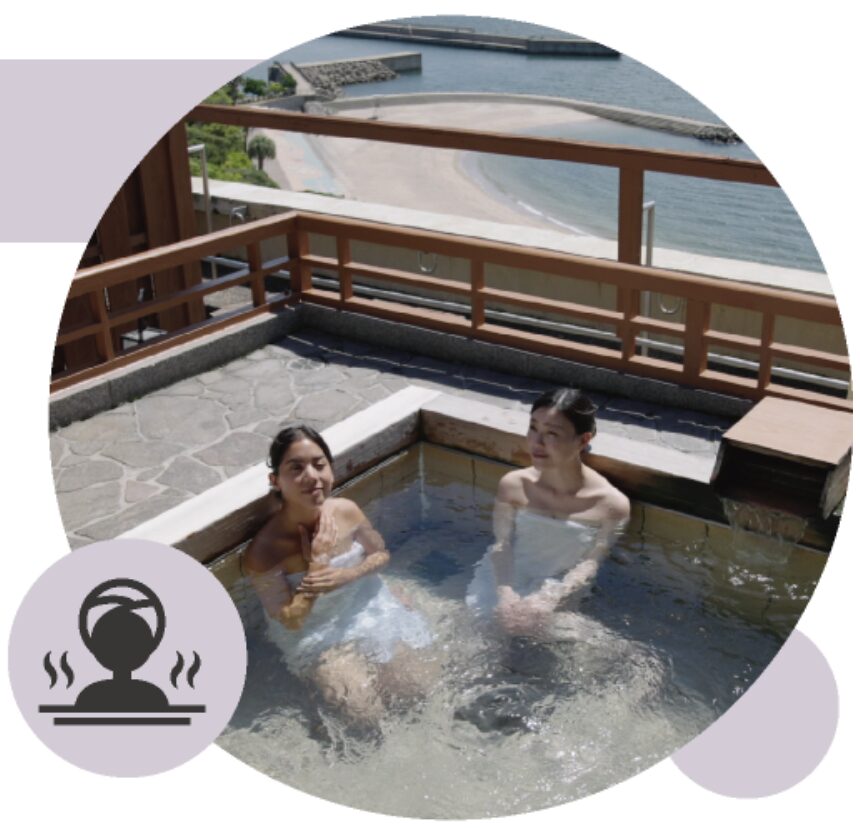
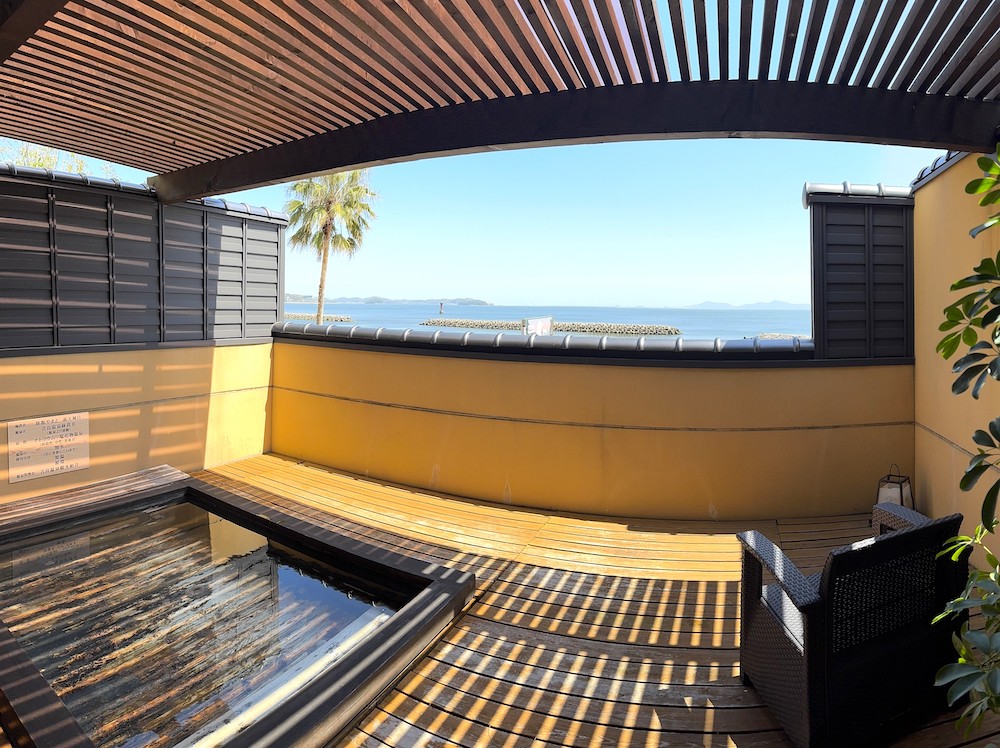
This hot spring with its wonderful view of the sea has been popular since the Meiji Era, and gave rise to a small spa-resort in the 1930s. The chloride thermal water helps against neuralgia, muscle aches, and fatigue. Spend a leisurely afternoon in the open-air bath and take in the ocean view. Of course the food is great, too: Enjoy the taste of fresh seafood from Mikawa Bay!
Little Kyoto “Nishio”
Tokugawa leyasu (the founder of the last shotate in Japan) appointed one of his retainers as the lord of Nishio Castle in 1561 to rule Nishio, which prospered as a castle town yielding 60,000 koku of rice.
Traditional arts and culture have always flamed and been passed down in Nishio even to this day at historic temples and sites, through traditional performing arts and festivals such as Daimyo Gyoretsu.
Why not take a walk along the streets imagining yourself as a princess or samurai?
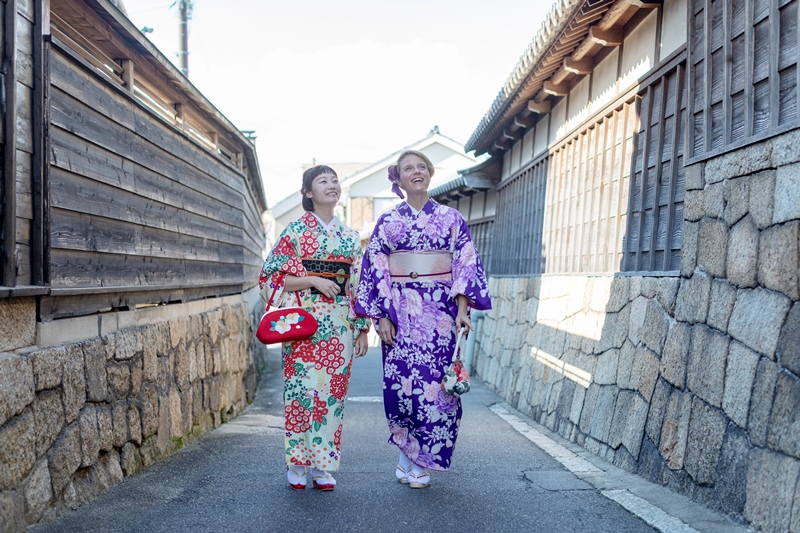
Relationship with Kyoto culture
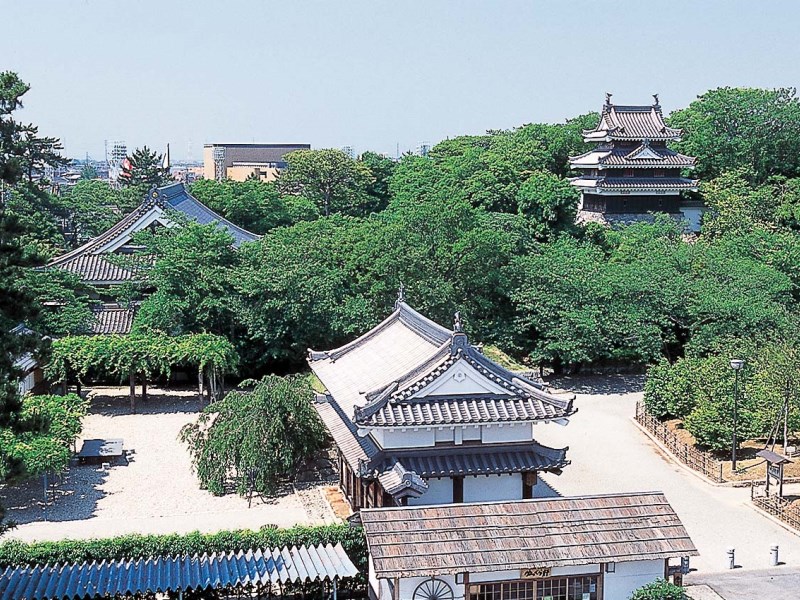
Nishio, which flourished as a castle town after the Warring States period, is the central city of the southern area of Nishimikawa. In Meiwa 1 (1764), Ogyu-Matsudaira entered the castle and developed it into a castle town of 60,000 koku of rice (traditional unit of volume, approx. 180.4 liters). In the city there is the Choenji Temple, which is famous for being the ancestral temple of the Itakura clan, such as Itakura Katsushige, Itakura Shigemune, and Itakura Shigenori who served as Kyoto Deputy. The collection of pieces related to Kyoto culture include works from the Kano School, paintings by Shokado Shojo, and writings by Kobori Enshu, Ishikawa Jyozan, and Hon'ami Kōetsu.
“Kagi Mantou” is held at Mt. Mantou in August, which is an Obon festival simillar to Kyoto's “Daimonjiyaki” bonfire. It has become a summer tradition.
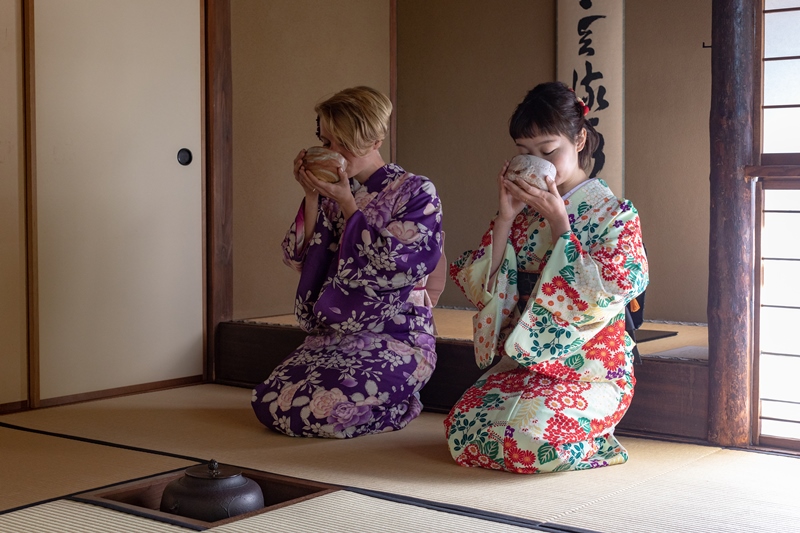
Nishio matcha, a local specialty, is said to have brought about the custom of a monk of the Zen Jissoji Temple drinking tea. Nishio matcha is enjoyed by many locations in Nishio city. The Midori River, which flows through the city, is a place of relaxation for the locations, with cherry blossom trees planted on both banks. The bridges over this river are given quaint names such as Nijo Bridge, Sanjo Bridge, and Shijo Bridge.
In Heisei 7 (1995) Nishio was accepted as a member of the All Japan Kyoto Association with the aim of recovering Nishio's culture and history. Since then, the city has called it self ”Mikawa's Little Kyoto /Nishio”.