Night Removal Bell (Sugasan Daijiji Temple)

Night Removal Bell (Sugasan Daijiji Temple)

Event Overview

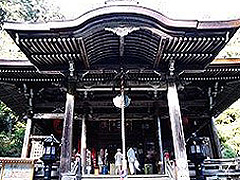
It was erected in the first year of the Great Treasure (701) by Emperor Bunmu's royal service; the 44th place of the 88 places of the Shikoku Reiba; and the night-removal bells can be found by the general public if they are lined up; a 10-minute walk from the lower temple parking lot.

Info

JR Matsuyama Station → 1 hour and 5 minutes by car; or JR Shikoku bus 1 hour and 10 minutes to Kuma-Kogen-cho, bus stop: Kuma Junior High School front and drop off, 15 minutes on foot
25km 40 minutes from Matsuyama Road Matsuyama IC via National Route 33
30 units/free, no car entry into the precinct

Event Period

Price

Free

Event Category

Seasonal Festivals & Annual Events

The information provided reflects the details available at the time of the survey.
Please note that facility details may change due to the facility’s circumstances, so please check for the latest information before visiting. This content has been translated using machine translation.

Information provided by: JTB Publishing

This content uses automatic translation services. Automatic translations may not always be accurate.
Please note that the translated content may differ from the original meaning. We ask for your understanding when using this content.
Related Events

Night Removal Bell (Iwaya Temple)

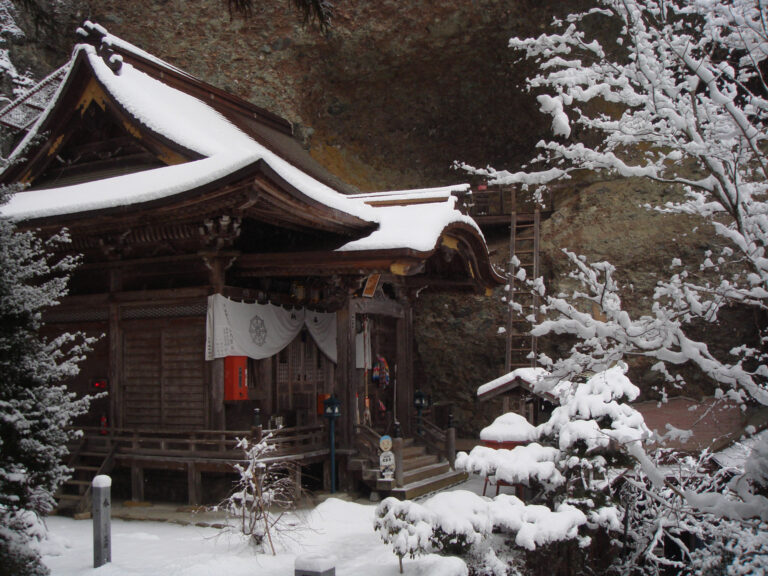
The 45th place of the Shikoku Reiba, 88-kasho, was recreated by Hirohito 6 (815). The whole mountain is considered the main temple, and the main hall stands on a vertical large rock wall of about 100m. He lost most of the Dōto due to a fire in 1898, but was then rebuilt to the present day. In 2007, Daishido became a National Designated Important Cultural Property. The public can also participate in the night bell, from 23:30.

Mita-planting festival

The Daiyama-jinjin worships Shintoku, who was taught to make rice to Kihana Kaiyahime. As an agricultural deity among a number of Shinto virtues, we pray for the five grain fertility, and on the day, three Shinkoshi units go to the Saita Matsuri-no-mikoshi temple. The jade seedlings, which were carefully raised to serve the subspecies festival, are offered along with the shrine, and the ceremony is solemnly performed. The priesthood alone is dedicated. Held annually on May 5, Lunar calendar.

Spring festival

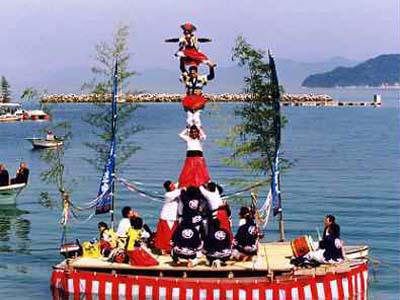
It is said to have been passed on to the Imabari region from Kagura in Ise around the end of the Edo period, and prayed for the five rice bounty, and because of the desire to "get closer to God even a little bit," he developed into the three-nary. At the top of the lion, which will collapse if it does not become one heart, children from the kindergarten to the elementary school, called Shishiko, go up and dance with fans and bells. In particular, the lion lion (Kuo district) of the Ryujin Shrine on the 18th (Sun) is set on a ship that is unstable due to the wind, and is able to respond to the cheers of the crowd on the opposite bank and throw luck cakes from the ship. is there.

Azalea festival

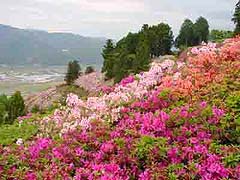
You can enjoy about 63,000 azaleas. There is an observation deck, which overlooks the Ozu Basin and the Hiji River.

Contact Us: Business & Personal Inquiries

By proceeding, you agree to our Terms of Use And confirm you have read our Privacy Policy .

Notes

· We are available for inquiries 24 hours a day. Responses will be provided between 9:00 and 18:00 (including weekends, public holidays, and year-end/New Year holidays).
· Depending on the nature of your inquiry, it may take some time for us to respond.

RURUBU & ALL WAY JAPAN
Privacy Overview

This website uses cookies so that we can provide you with the best user experience possible. Cookie information is stored in your browser and performs functions such as recognising you when you return to our website and helping our team to understand which sections of the website you find most interesting and useful.