Yuda Onsen

Yuda Onsen

Info

Spot Category

Hot Spring Spots and More

Outline

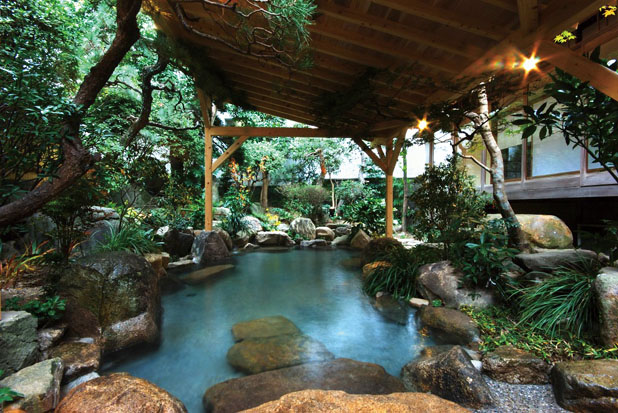
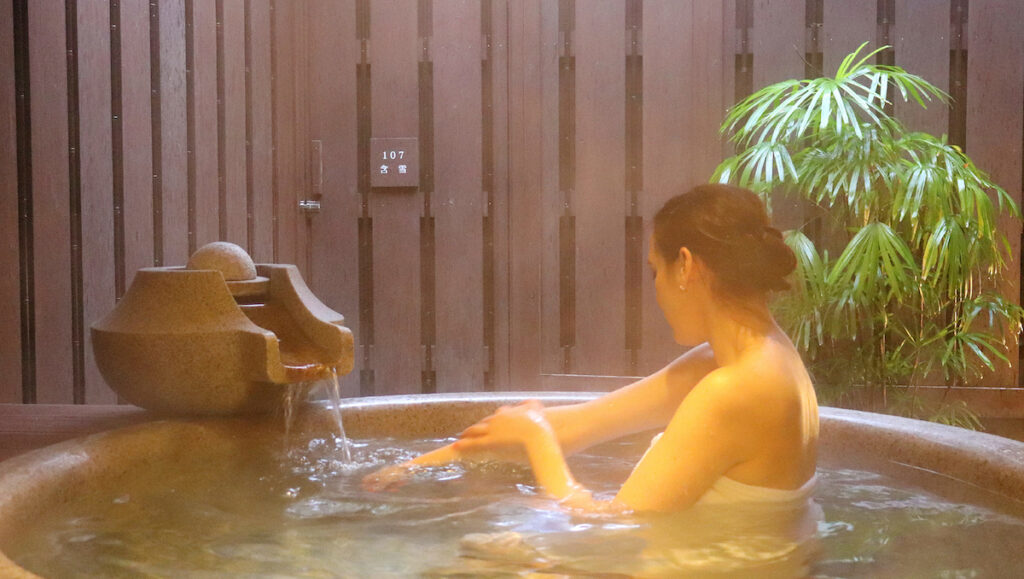
The name Yuda originates from the rice fields where hot spring water naturally gushed forth. The alkaline simple spring is colorless and clear, and its water quality remains unchanged over time, with no decrease in temperature or water volume. Supporting more than 30 inns and hot spring facilities, Yuda Onsen proudly holds the title of the greatest hot spring town on the Sanyo Road.

As for when the hot spring first emerged, a document from the provincial government (kokuga) dated 1200 (Shōji 2) mentions the name “Yuda,” indicating that the spring has been flowing for at least 810 years, and possibly even longer.

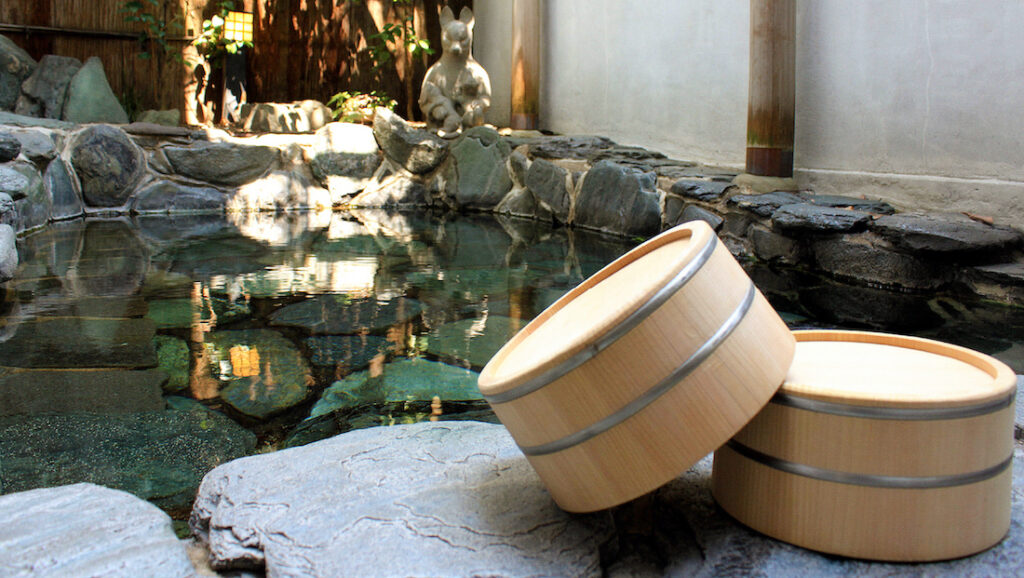
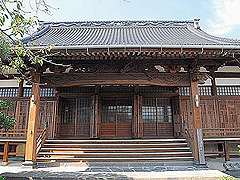
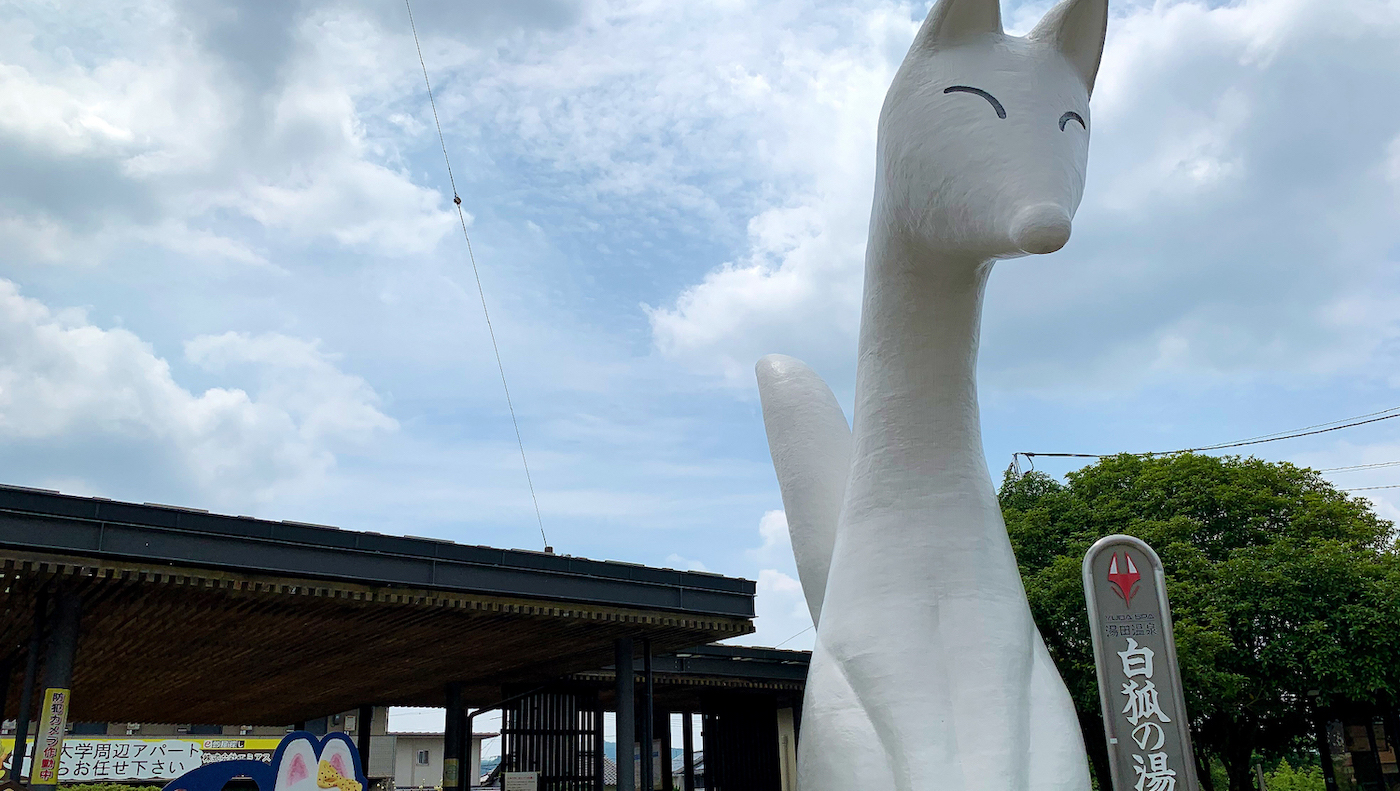
According to the legend of the discovery of the hot spring, around the Eishō era (1504–1521), a white fox came every night to soak its wounded paw in a small pond within the grounds of a temple at the foot of Mt. Gongen in Yuda. Curious about this, the temple’s monk scooped up some water from the pond and found it to be warm. He then asked a nearby farmer to dig around the pond, where hot water gushed out, along with a gold statue of Yakushi Buddha. A hall was built to enshrine the statue as the guardian deity of the hot spring. People began to worship the statue and bathe in the hot spring, which became known as “Shirokitsu no Yu” (The White Fox’s Bath), famous for curing even incurable diseases. This legend is believed to have led to the prosperity of the hot spring.

Another legend tells of Ōuchi Yoshitaka, who was suffering from severe elbow pain. One day, an old monk visited him and poured water from a small jar over the afflicted area, miraculously curing Yoshitaka’s ailment. The old monk introduced himself as “one who resides in Ontō Ryūsen” and left after receiving Yoshitaka’s cherished inkstone. Later, the inkstone was found placed in a small hall in Asakura, prompting Yoshitaka to soak his hand in a nearby pond, where he felt the warmth of the water. He gathered local farmers to dig around the area, leading to the discovery of the hot spring. This event led to the establishment of Ontōzan Ryūsenji Temple in 1525 (Daiei 5), according to legend.
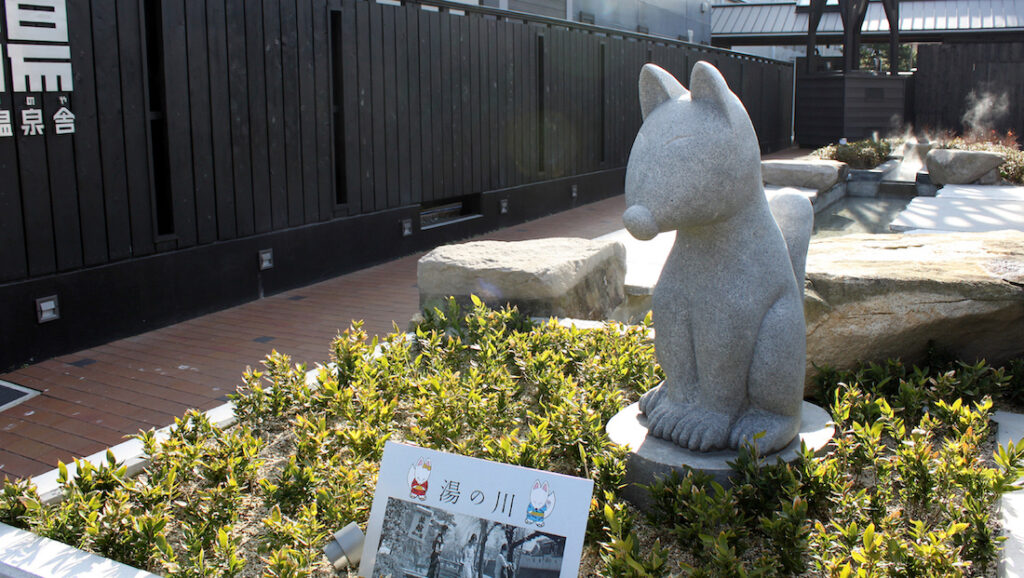
Foot Baths
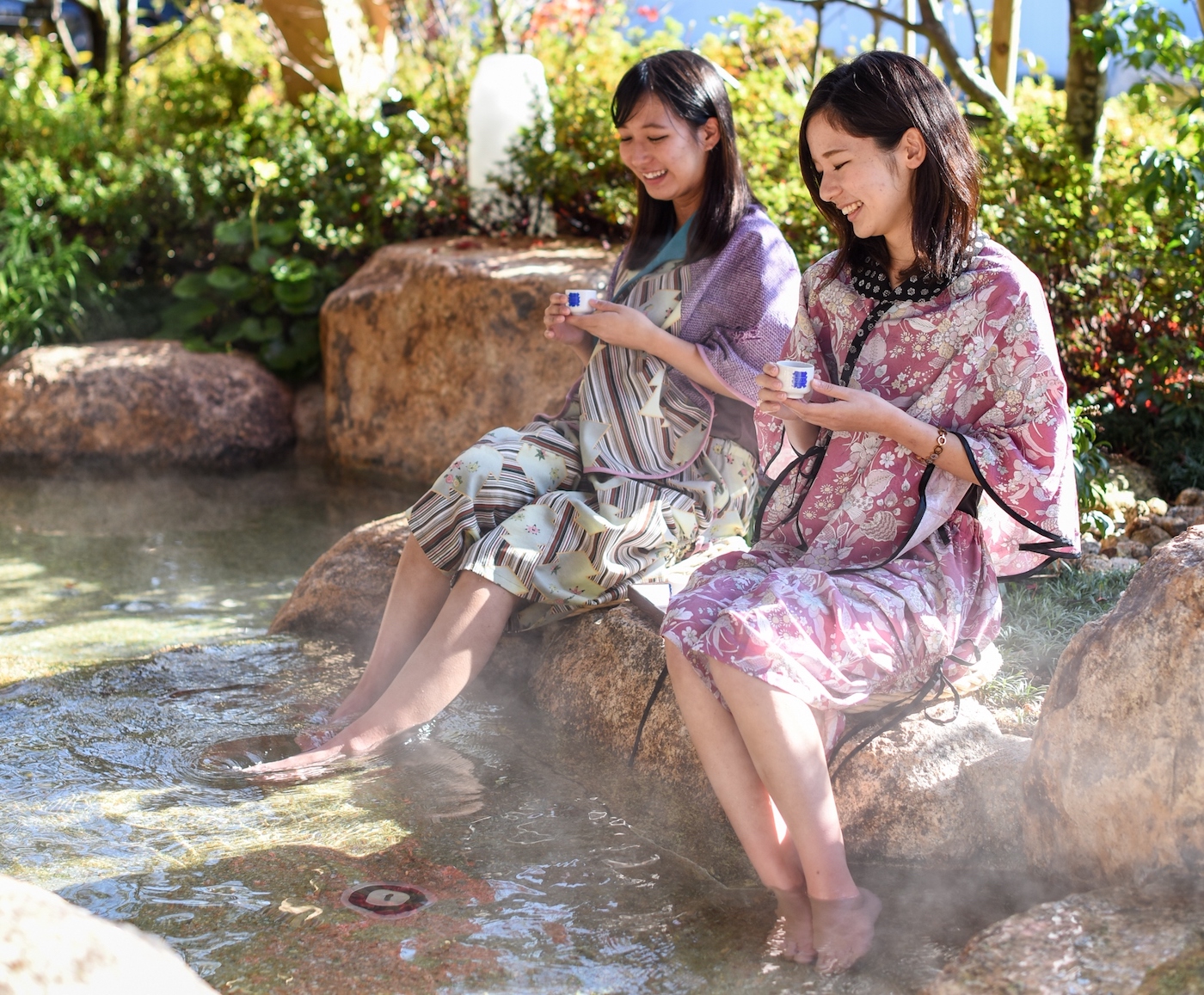
There are five “foot baths” in the Yudaonsen area, and everyone is free to use them.
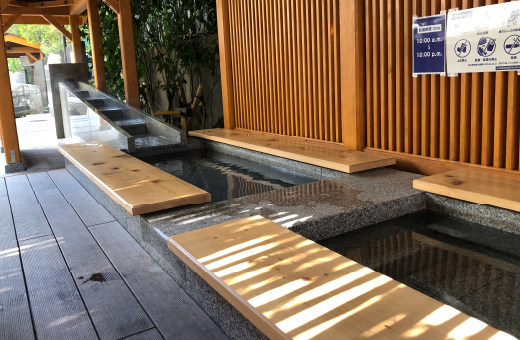
Yunoko Way (footpath between Matsudaya Hotel and UBL Hotel Matsumasa)

Opening hours 10:00-22:00
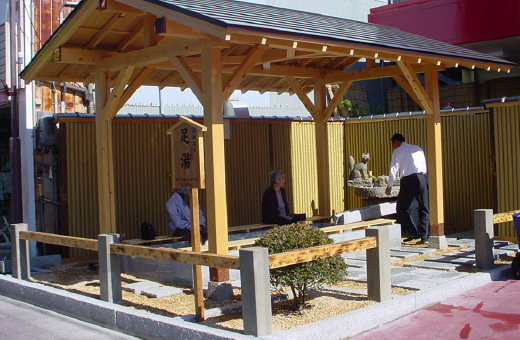
Yunomachi St.

Opening hours 10:00-22:00
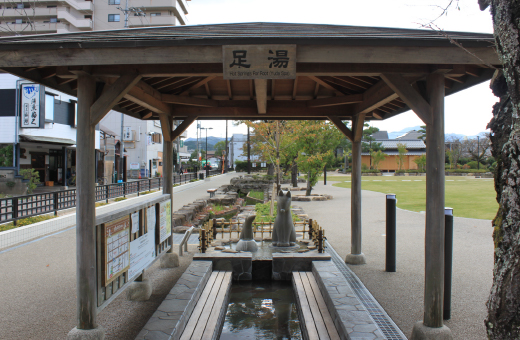
Inoue Park

Opening hours 10:00-22:00
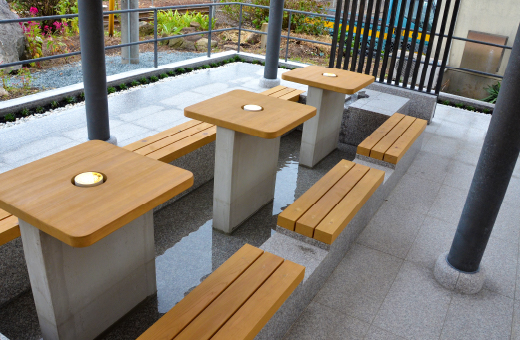
Yuda Onsen Station

Opening hours 10:00-22:00
Copyright Yamaguchi Tourism Convention Association All Rights Reserved.
Return to Yamaguchi City Home>>

Related Spots

Panjokorges pear hunt

There are three pear gardens near Changmon Gorge, and you can enjoy the 20th century or the rip-off of a good water (1 kg700 yen to take-out) from the end of late August. There is also a union stand along National Highway No. 9.

Road Station Nagandogorge

Roadside station is located at the entrance of the Meishatsu "Nagamokyo", where the SL Yamaguchi-go is seen. It is the only direct-selling shop where a large number of speciality products from Adō, Yamaguchi City can be purchased for the meat of the brand wagyu "Ato wagyu". Tokusa apple jam, apple cake and apple pie are also popular. At the restaurant, you can enjoy dishes using Japanese beef.

Chomonkyo Gorge

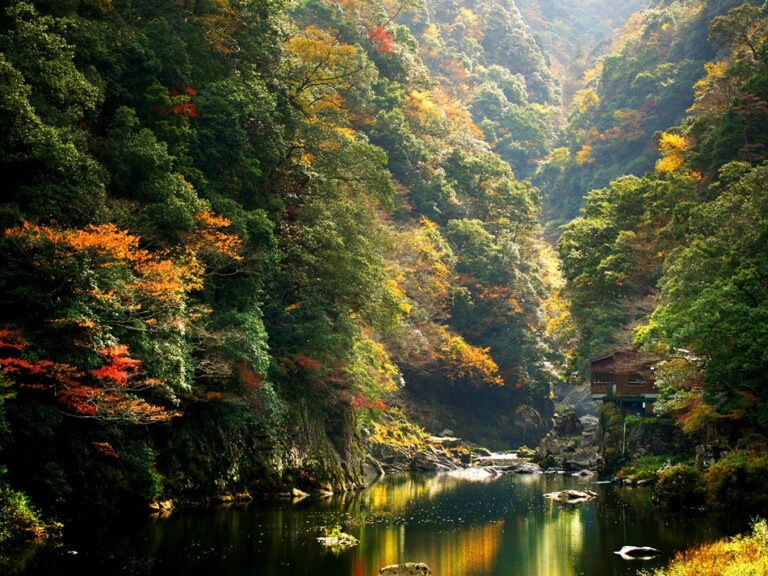
A beautiful gorge that spans across Ato, Yamaguchi City and Kawakami, Hagi City. It was formed by the erosion of quartz porphyry by river water, with steep cliffs resembling folding screens rising from both banks, revealing deep pools. Countless holes, known as potholes, have been carved into the rock walls by water, creating a unique landscape. From the entrance marked by the poetry monument of poet Chuya Nakahara's "Winter at Nagato Gorge" to the downstream Ryugu Pool, there is a comfortable hiking course of about 5.1 km. It takes about 1 hour and 40 minutes to reach, passing through the deep-colored Kayanokuchi and Bozu Rock. It is a place you definitely want to visit during the fresh green and autumn foliage seasons. Selected as one of the "100 Natural Wonders of Japan to Leave for the 21st Century."

The paradise temple

Yae cherry blossoms in Yamamonwaki are chanted in his work "Kyorakuji"; one of the "Senzaki Hakkei", which Misuzu chants over the landscape of Senzaki.

Benten Island

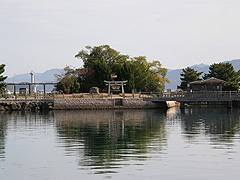
Benten-jima, which enshrines the Itsujima Shrine; now adjacent to the artificial island, but in the days of Misuzu, it floated in the Itsuto Senzaki Bay; the work "Benten-jima" is a reminder of what it was like at the time.

Sixteen Rahan

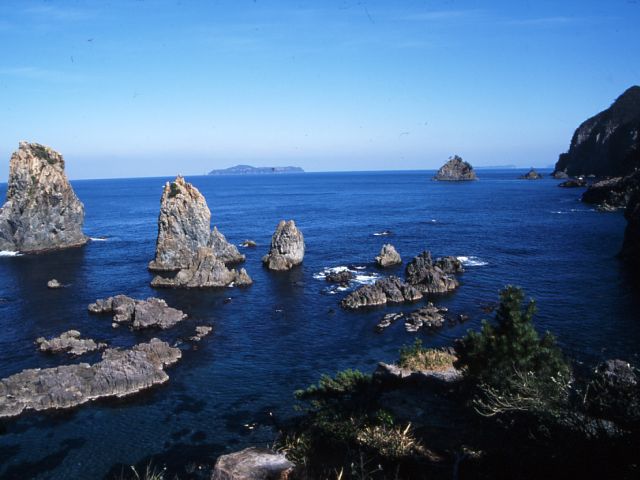
One of the highlights of the Qinghai Island sightseeing steamship round course. The large and small rocks rising on the sea look like 16 Alahans. The Hanazuura/Shizuura course is about 50 minutes, and the course is sometimes changed from the middle of the voyage due to weather and sea elephant conditions.

Contact Us: Business & Personal Inquiries

By proceeding, you agree to our Terms of Use And confirm you have read our Privacy Policy .

Notes

· We are available for inquiries 24 hours a day. Responses will be provided between 9:00 and 18:00 (including weekends, public holidays, and year-end/New Year holidays).
· Depending on the nature of your inquiry, it may take some time for us to respond.

RURUBU & ALL WAY JAPAN
Privacy Overview

This website uses cookies so that we can provide you with the best user experience possible. Cookie information is stored in your browser and performs functions such as recognising you when you return to our website and helping our team to understand which sections of the website you find most interesting and useful.