Tōshunji Temple

Tōshunji Temple

Info

About 10 minutes walk from JR Yamaguchi Line Yamaguchi Station to get off the bus stop in front of the prefectural office
Yamaguchi City Community Bus “Ōuchi Route” – Stop No. 62-4, Tōshunji Temple
98 cars

Business Hours

8:00 to 17:00

Price

Free

Spot Category

Shrines・Temples・Churches

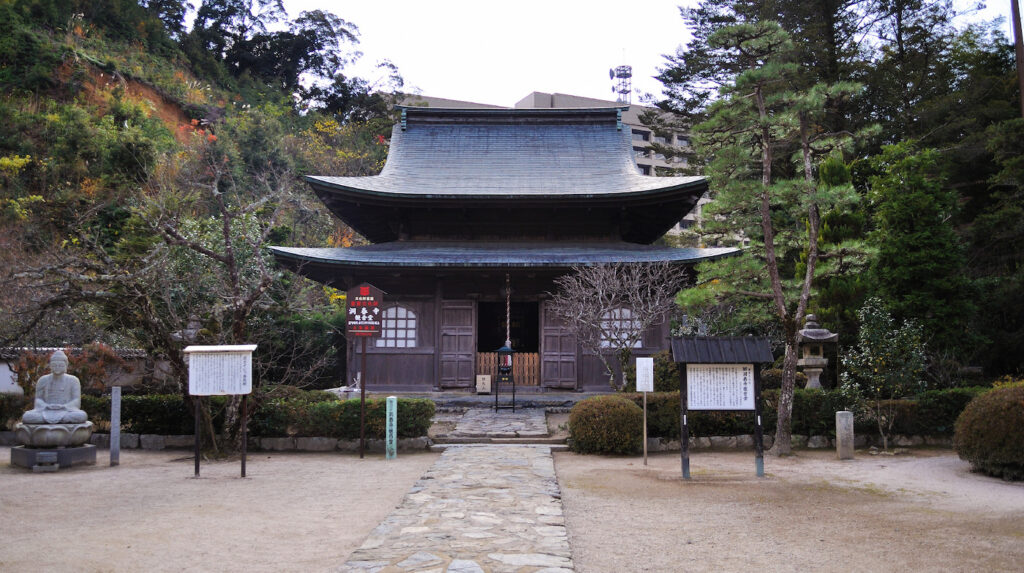
A treasure trove of cultural properties such as the Important Cultural Property-designated sanmon gate, and in the late Edo period, a place where domain samurai stirred up fiery spirit.

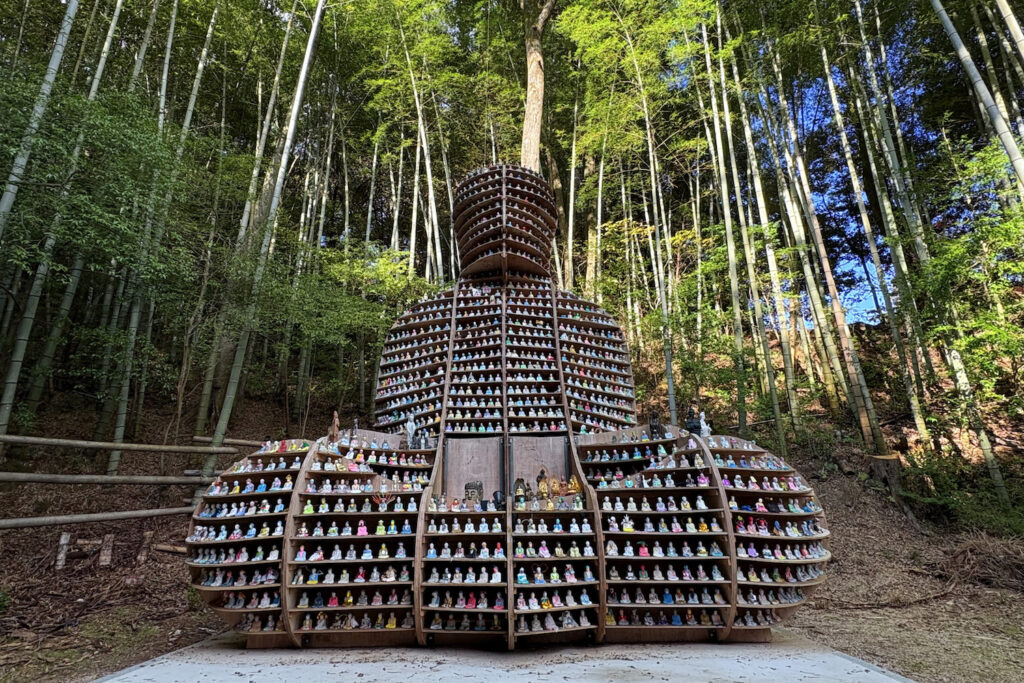
Tōshunji Temple is the family temple of Mōri Motonari, and its cemetery includes a spirit monument dedicated to Inoue Kaoru. In recent years, Maru II, the temple’s canine head priest, has become a beloved local figure. The temple grounds also feature the Nomura Art Museum, which exhibits items related to Meiji Restoration patriots.

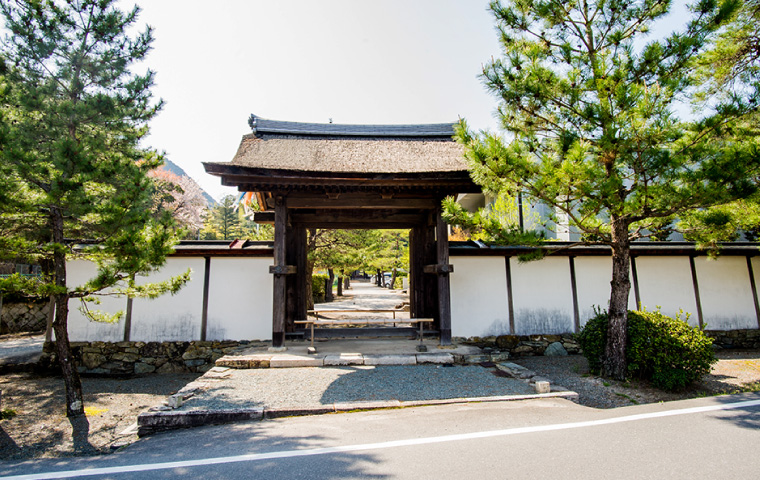
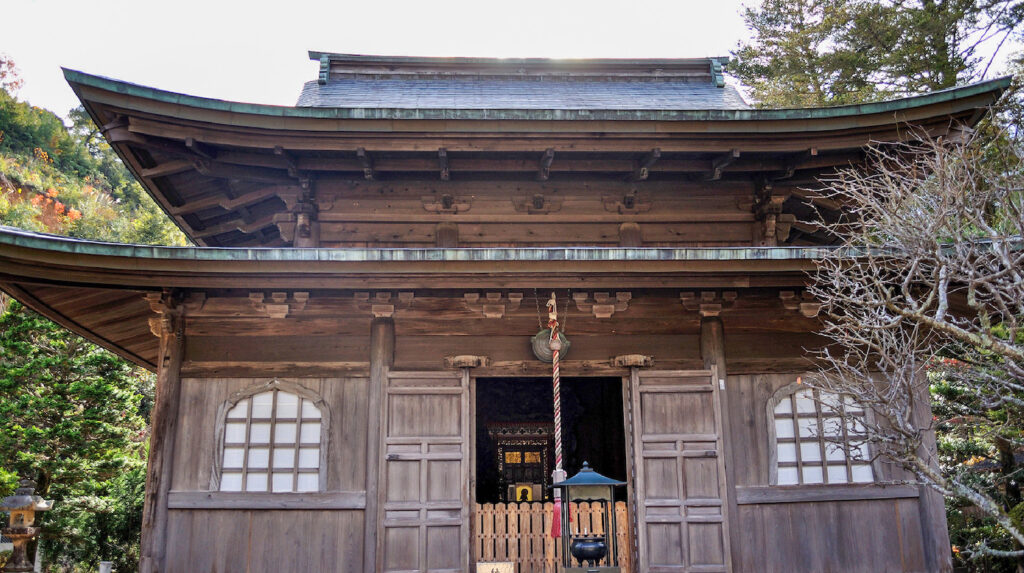
The site originally housed Kokuseiji Temple, founded in 1404 (Ōei 11) by Ōuchi Moriharu, the 26th head of the Ōuchi clan, to honor his spirit. The sanmon gate, now designated an Important Cultural Property by the national government, still retains its original appearance. Originally, Tōshunji Temple, along with Jōei-ji Temple, stood in Yoshida Kōriyama Castle town (present-day Akitakata City, Hiroshima Prefecture), the Mōri clan’s home base. After the Battle of Sekigahara, the Mōri clan was relocated to the two provinces of Bōchō (modern-day Yamaguchi Prefecture). As a result, Jōei-ji Temple was moved to its current location and merged with Kokuseiji Temple, while Tōshunji Temple was relocated to Hagi. The temple remained known as Jōei-ji until the end of the Edo period. When the domain headquarters were transferred to Yamaguchi, the temple was requisitioned by the domain as a storage site for weapons and supplies. Following the First Chōshū Expedition, retainers who opposed the domain’s decision to submit to the shogunate gathered at the temple to demand a retraction. Their demands were rejected, and in their grief and fury, they drew their swords and struck the temple pillars—many of these scars remain visible today. During the Second Chōshū Expedition (Shimonoseki War), the Kōjō Army, one of the militia units of the Chōshū Domain led by Inoue Kaoru, was temporarily stationed at the temple.

In 1863 (Bunkyū 3), Jōei-ji Temple was relocated to its current location in Miyano. Later, after the Meiji Restoration, in 1871 (Meiji 4), Tōshunji Temple was moved from Hagi to its present location in Yamaguchi, where it remains to this day.

Copyright Yamaguchi Tourism Convention Association All Rights Reserved.
Return to Yamaguchi City Home>>

Related Spots

Panjokorges pear hunt

There are three pear gardens near Changmon Gorge, and you can enjoy the 20th century or the rip-off of a good water (1 kg700 yen to take-out) from the end of late August. There is also a union stand along National Highway No. 9.

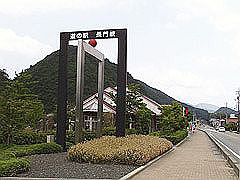
Road Station Nagandogorge

Roadside station is located at the entrance of the Meishatsu "Nagamokyo", where the SL Yamaguchi-go is seen. It is the only direct-selling shop where a large number of speciality products from Adō, Yamaguchi City can be purchased for the meat of the brand wagyu "Ato wagyu". Tokusa apple jam, apple cake and apple pie are also popular. At the restaurant, you can enjoy dishes using Japanese beef.

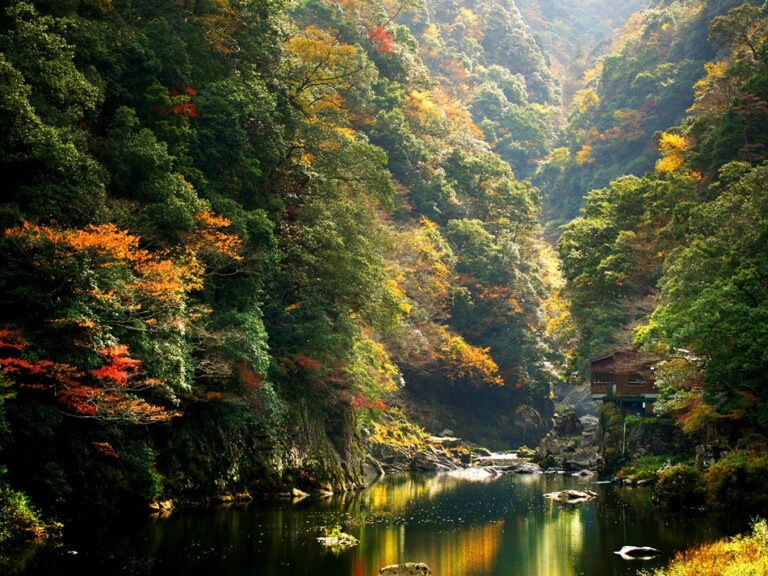
Chomonkyo Gorge

A beautiful gorge that spans across Ato, Yamaguchi City and Kawakami, Hagi City. It was formed by the erosion of quartz porphyry by river water, with steep cliffs resembling folding screens rising from both banks, revealing deep pools. Countless holes, known as potholes, have been carved into the rock walls by water, creating a unique landscape. From the entrance marked by the poetry monument of poet Chuya Nakahara's "Winter at Nagato Gorge" to the downstream Ryugu Pool, there is a comfortable hiking course of about 5.1 km. It takes about 1 hour and 40 minutes to reach, passing through the deep-colored Kayanokuchi and Bozu Rock. It is a place you definitely want to visit during the fresh green and autumn foliage seasons. Selected as one of the "100 Natural Wonders of Japan to Leave for the 21st Century."

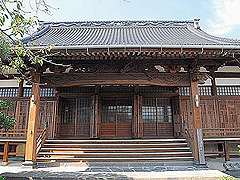
The paradise temple

Yae cherry blossoms in Yamamonwaki are chanted in his work "Kyorakuji"; one of the "Senzaki Hakkei", which Misuzu chants over the landscape of Senzaki.

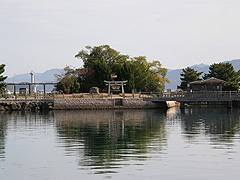
Benten Island

Benten-jima, which enshrines the Itsujima Shrine; now adjacent to the artificial island, but in the days of Misuzu, it floated in the Itsuto Senzaki Bay; the work "Benten-jima" is a reminder of what it was like at the time.

Sixteen Rahan

One of the highlights of the Qinghai Island sightseeing steamship round course. The large and small rocks rising on the sea look like 16 Alahans. The Hanazuura/Shizuura course is about 50 minutes, and the course is sometimes changed from the middle of the voyage due to weather and sea elephant conditions.

Contact Us: Business & Personal Inquiries

By proceeding, you agree to our Terms of Use And confirm you have read our Privacy Policy .

Notes

· We are available for inquiries 24 hours a day. Responses will be provided between 9:00 and 18:00 (including weekends, public holidays, and year-end/New Year holidays).
· Depending on the nature of your inquiry, it may take some time for us to respond.

RURUBU & ALL WAY JAPAN
Privacy Overview

This website uses cookies so that we can provide you with the best user experience possible. Cookie information is stored in your browser and performs functions such as recognising you when you return to our website and helping our team to understand which sections of the website you find most interesting and useful.