Takidanji Temple

Takidanji Temple

Info

Spot Category

Shrines・Temples・Churches

History & Culture | Temples and Shrines | Tojinbo・Oshima・Mikuni Port Area
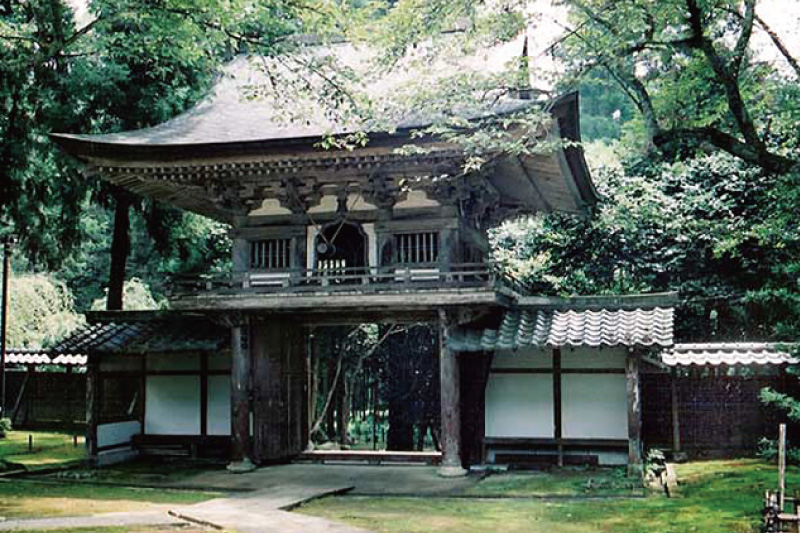
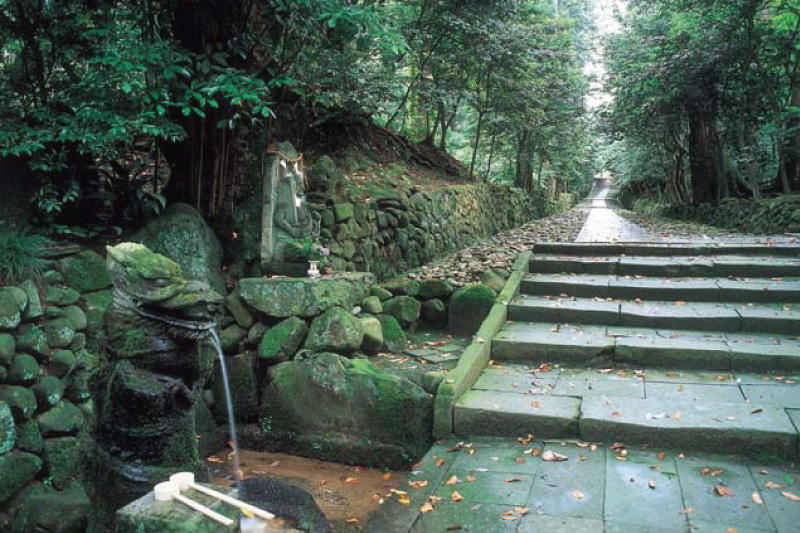
Moss-Covered Approach and a Designated Scenic Garden of Japan

This temple was founded in 1375 (Eiwa 1) by the revered monk Eiken Shōnin. It houses many National Treasures and Important Cultural Properties. In the treasure hall, visitors can view exhibits such as letters written by Sengoku warlords who once ruled the Fukui region.
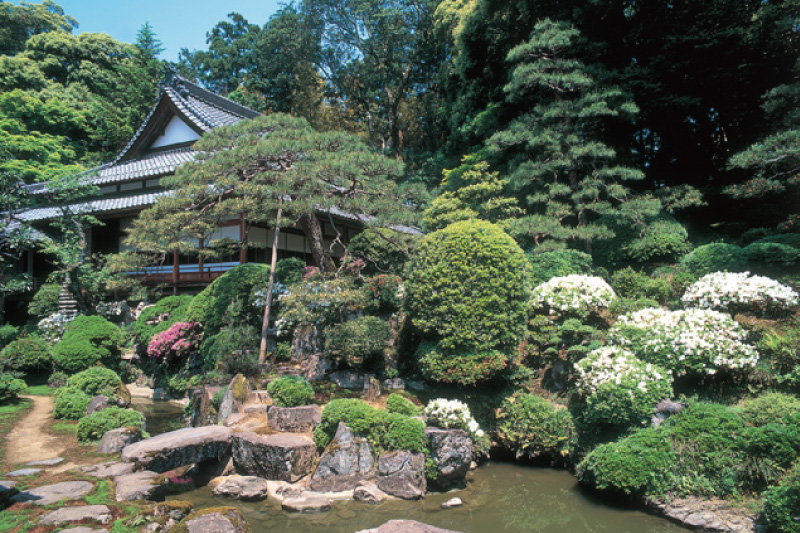
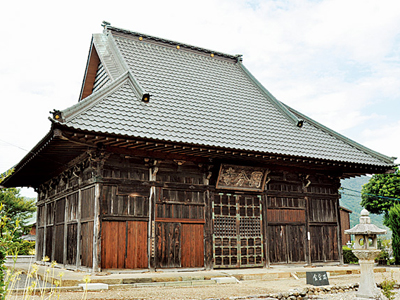
In early spring, camellias bloom along the temple approach, leading visitors to the temple gate (bell tower) donated by Shibata Katsuie, a Sengoku warlord who served Oda Nobunaga. In spring, Somei Yoshino and weeping cherry trees come into full bloom, and the Tsukiyama-style pond garden—designated as a National Scenic Site—offers calm and elegant scenery throughout all seasons. The Main Hall, Kannon Hall, temple kitchen and abbot's quarters, temple gate, guardian shrine, and Founder's Hall are all designated Important Cultural Properties. In 2018 (Heisei 30), the temple was also recognized as part of a Japan Heritage site.

This information is current as of March 2024. It is based on details provided by shops and facilities, and may be subject to change. For the latest information, please contact the shops or facilities directly.

Copyright©DMO Sakai Tourist Bureau All Rights Reserved.

Return to Sakai City Home >>
Related Spots

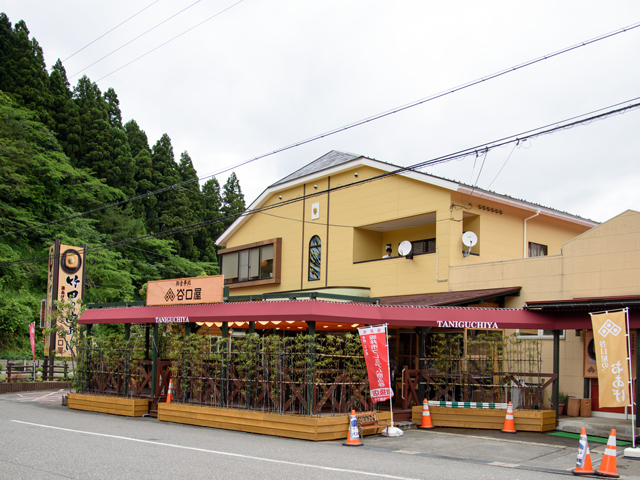
Takeda's oil-raising Taniguchi-ya

In 1925, the company provided an oil raising that continued to carry on the traditional method of production for three generations. It is 13cm square and 4cm thick enough to be overwhelming, crisp and crispy. The soybeans are made from domestic soybeans, and the water is made from Hakusan Zenjo, which consists of underground water from Lingfeng Hakusan. The bittern is focused on materials, such as the use of natural bittern made from Echizen-cho, Fukui Prefecture, which is made from a natural country that has been laid for one winter. There are restaurants where you can eat freshly fried oil, and in addition to fried oil, the concession stands also sell sweets using homemade soy milk. Sweets are made with modest sweetness and delicious without the use of additives as much as possible.

Fukui Prefectural Green Center

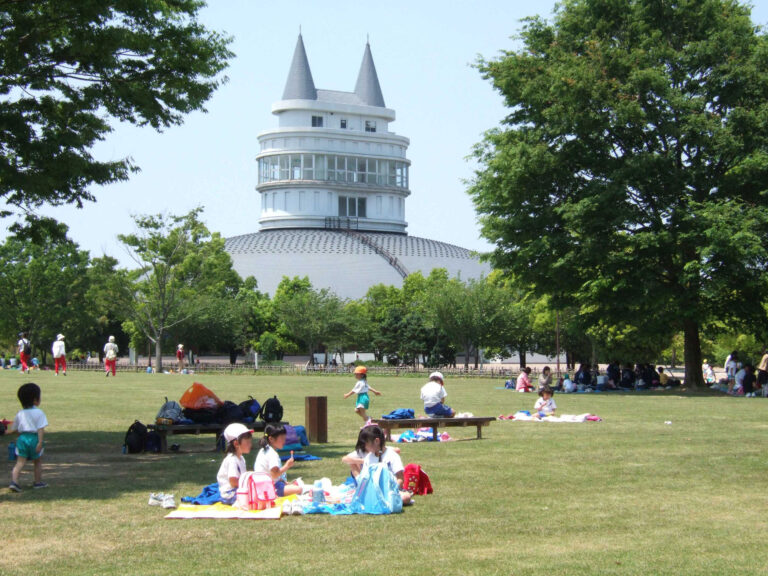
A comprehensive park facility where you can get acquainted and learn about greenery and flowers while enjoying the vast nature of about 20 hectares. Approximately 900 kinds of trees and 65,000 trees are planted in the garden, and symbolic facilities such as Woodroom Fuqui, Wood House Kupu, Flower Exhibition Greenhouse (commonly known as Onion House), large wooden playground equipment, and Lawn Square are located. Especially in the flower display greenhouse, many flowers are blooming throughout the year. There are also frequent events on flowers, greenery and trees, such as horticulture and lectures and garden-building events.

Ningataya PA [Up]

The first parking area where you go through the mountain area and enter Fukui Prefecture. It is located between the Kanazu IC and the Maruoka IC on the Hokuriku Expressway, about 7.5km from the Kanazu IC. The facility is a small-scale PA with only a 24-hour convenience store "FamilyMart", but it's a quiet place surrounded by green rural scenery and recommended for refreshment breaks. In addition to the usual standard products, the convenience store also sells Fukui souvenirs such as "Maysugase" and "Taniguchi-ya no Oage".

Shirahama Beach

As the name suggests, the beach boasts a white sandy beach, which is popular among young people and families.

Seongshan Park

A small, projecting in the center of the coast of Takahama-cho, a park that maintained the entire peninsula. Where Takahama Castle was built during the Muromachi period, the site of the Honmaru remains. Eight natural caves, known as Hachinana no Kishatsu, are scattered throughout the park. Among them, there is a famous mirror cave that is large enough to allow a small boat to pass through, and there is a promenade where you can see the view of the cave and rock formations from the entrance of the park.

Kokubunji Temple

It is one of the Kokubunji temples that were erected in the countries by Emperor Shōmu's royal service, and only the Shakado, built in the year of Gyeongsang 15 (1610), is extant, and the main temple, etc., is a state-designated historical site of the wooden statue of Nyorai (an important cultural monument), is laid to rest.

Contact Us: Business & Personal Inquiries

By proceeding, you agree to our Terms of Use And confirm you have read our Privacy Policy .

Notes

· We are available for inquiries 24 hours a day. Responses will be provided between 9:00 and 18:00 (including weekends, public holidays, and year-end/New Year holidays).
· Depending on the nature of your inquiry, it may take some time for us to respond.

RURUBU & ALL WAY JAPAN
Privacy Overview

This website uses cookies so that we can provide you with the best user experience possible. Cookie information is stored in your browser and performs functions such as recognising you when you return to our website and helping our team to understand which sections of the website you find most interesting and useful.