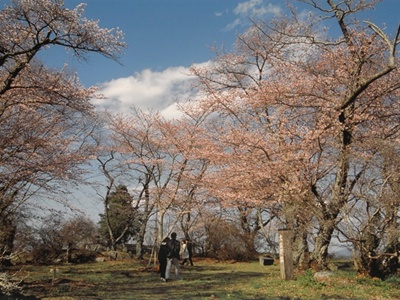
From the roadside station, mushiori no village

From the roadside station, mushiori no village

Info

JR Aizu-Kawaguchi Station → 40 minutes to Aizu-bus Oashi, bus stop: Shimosakura (Kari Mushiori-no-Sato) get off, 5 minutes walk; or Aizu Railway Aizu-Tajima Station get off, 35 minutes by bus
55km 1 hour 30 minutes from Banetsu-do Aizu-Sakashita IC
57 cars/regular cars 57 cars, large 5 cars, disabled 3 cars, EV1

Business Hours

Orihime Exchange Hall 9-17: 00, Arumushi Crafts Museum 9-17: 00 (until 16:30 in the entrance), Local Food Tradition Hall Shoma-an 11-15: 00 (14:30 LO)

Price

Museum of aremushi crafts 300 yen for adults, 150 yen for dwarfs

Spot Category

Other sightseeing spots, pottery and handicraft experience


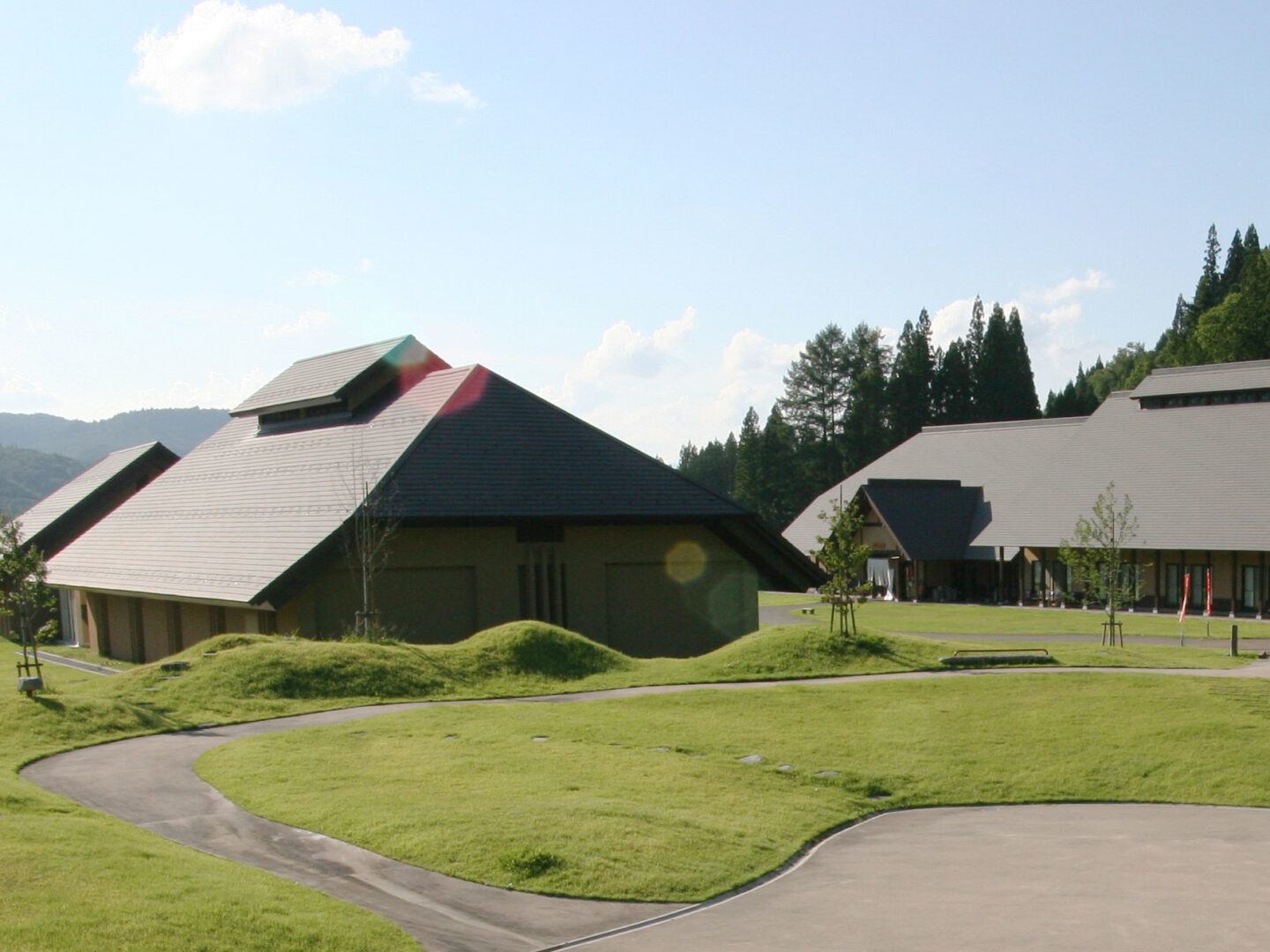
Road station appearance


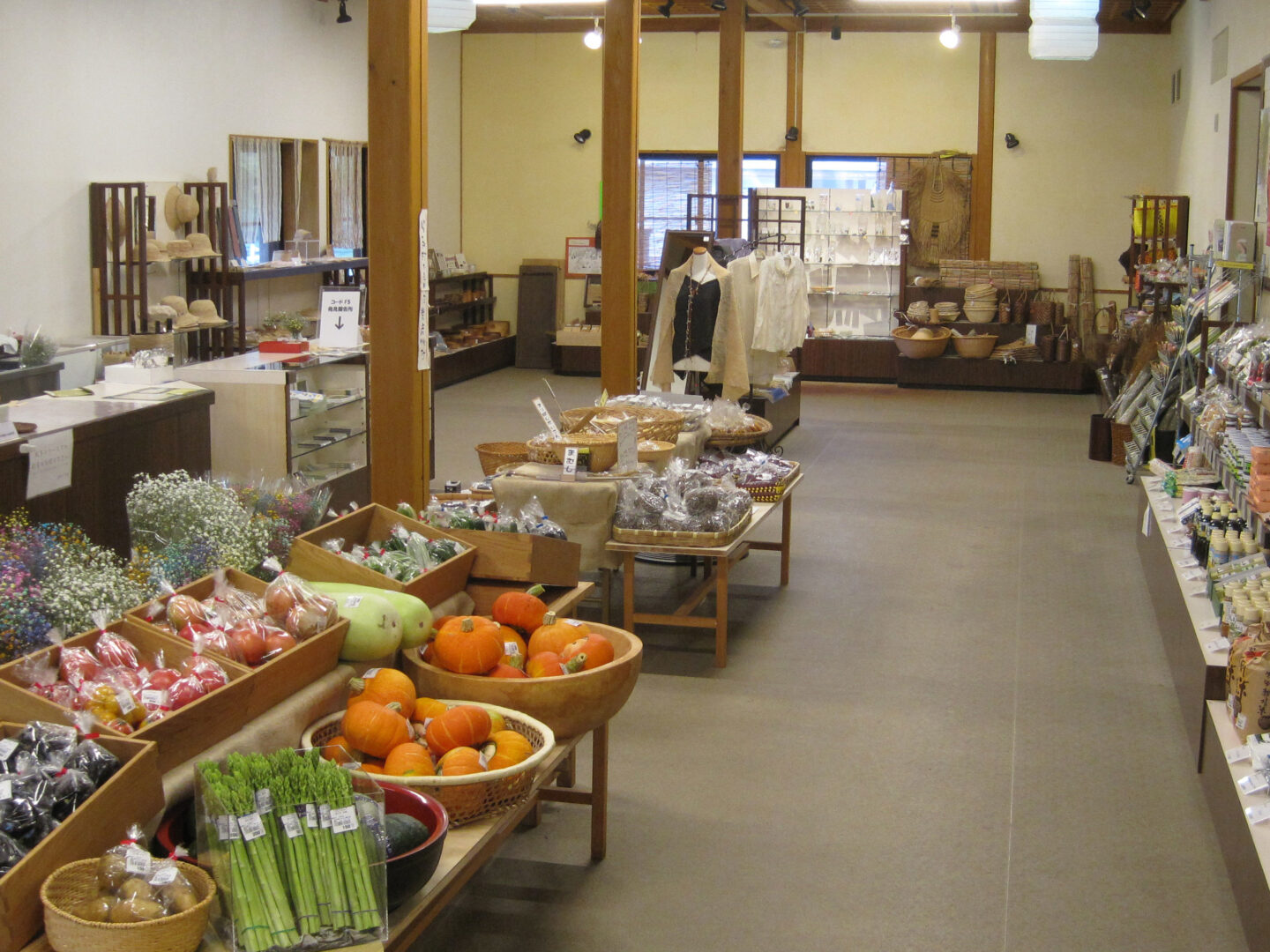
Orihime Exchange Hall
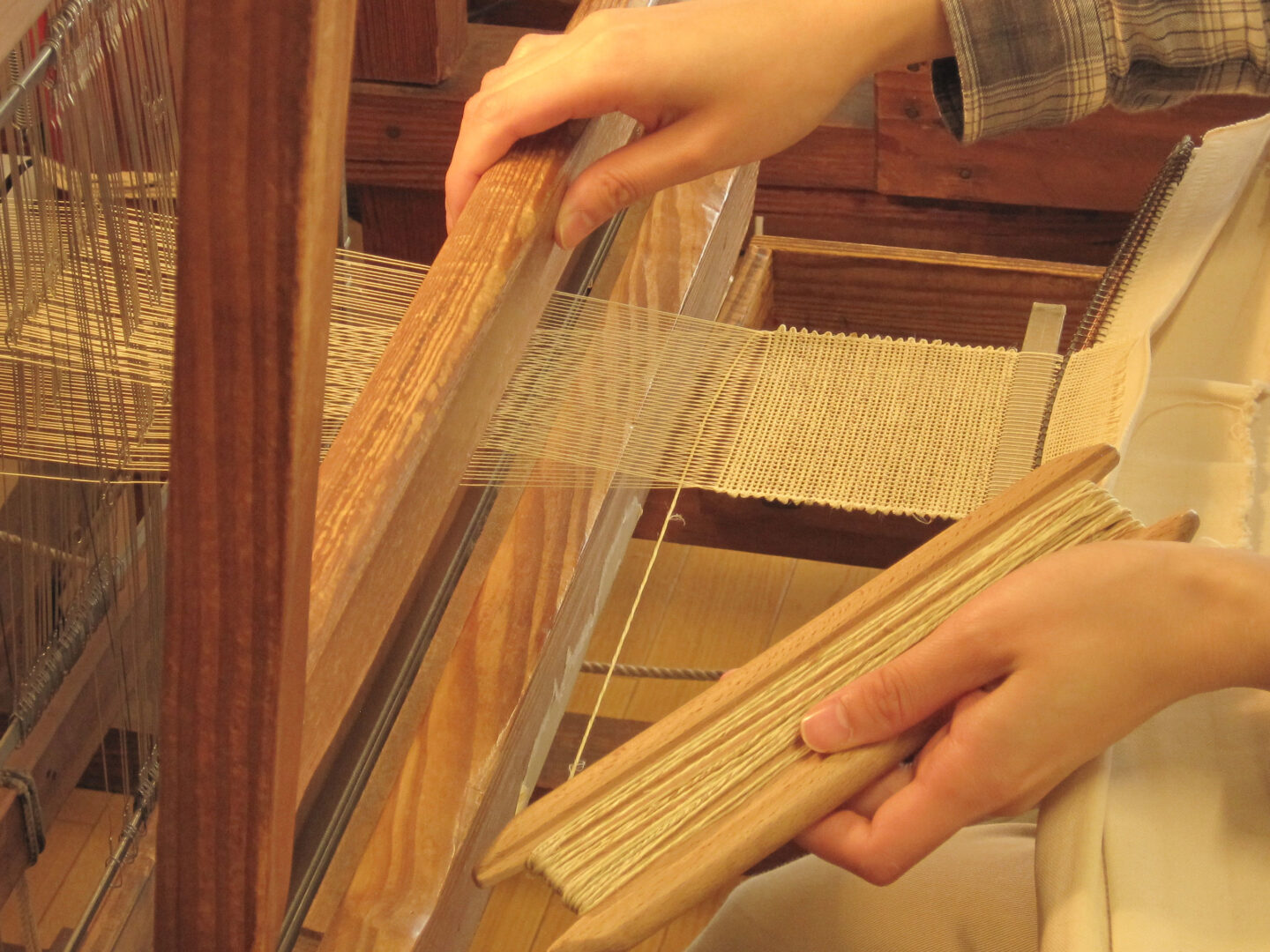

Making a kamushi experience coaster
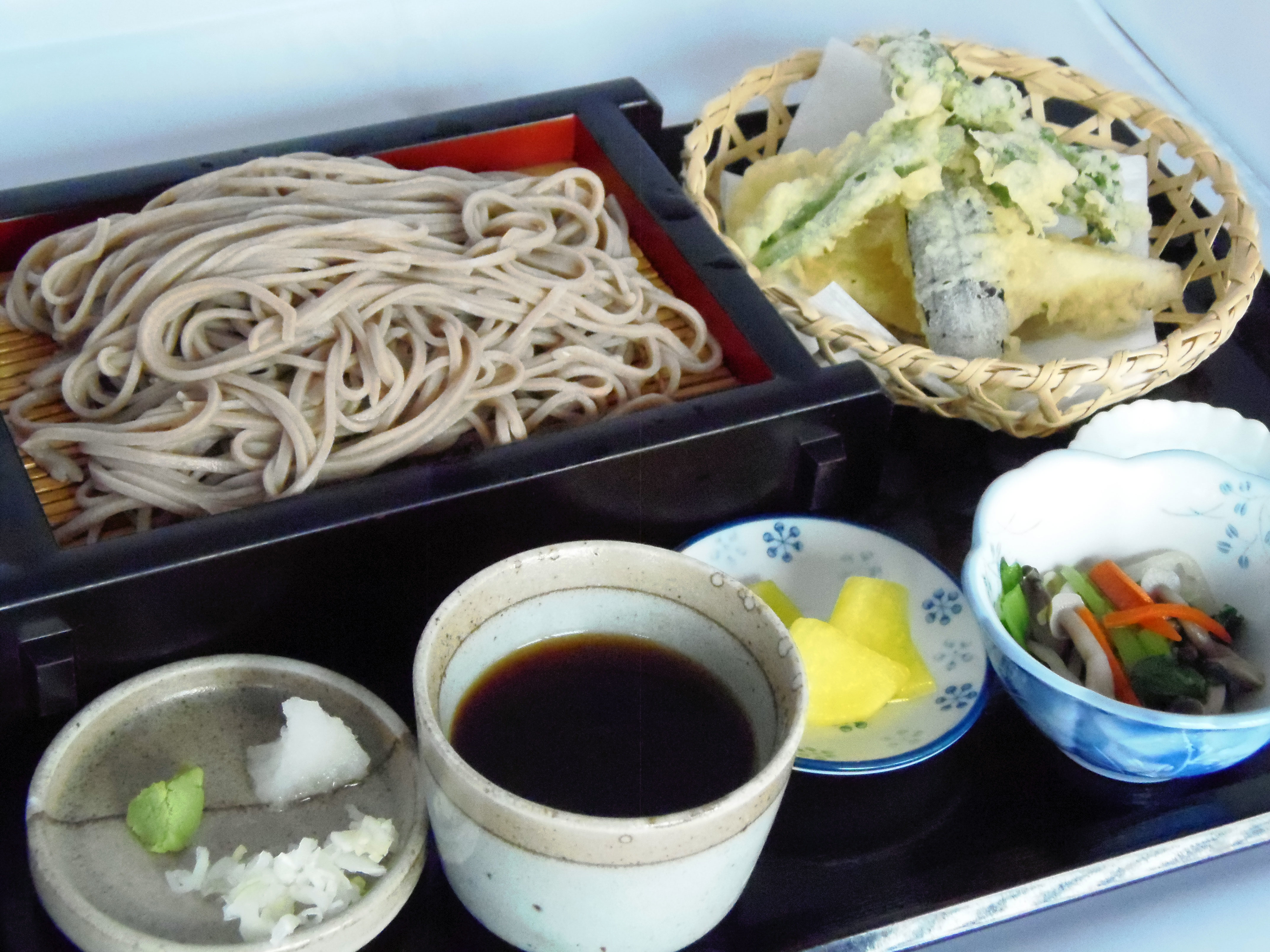

Menu "Seiro Soba Mugi Tempura Set" of the local food tradition hall, Maan-an

The information provided reflects the details available at the time of the survey.
Please note that facility details may change due to the facility’s circumstances, so please check for the latest information before visiting. This content has been translated using machine translation.

Information provided by: JTB Publishing

This content uses automatic translation services. Automatic translations may not always be accurate.
Please note that the translated content may differ from the original meaning. We ask for your understanding when using this content.
Related Spots

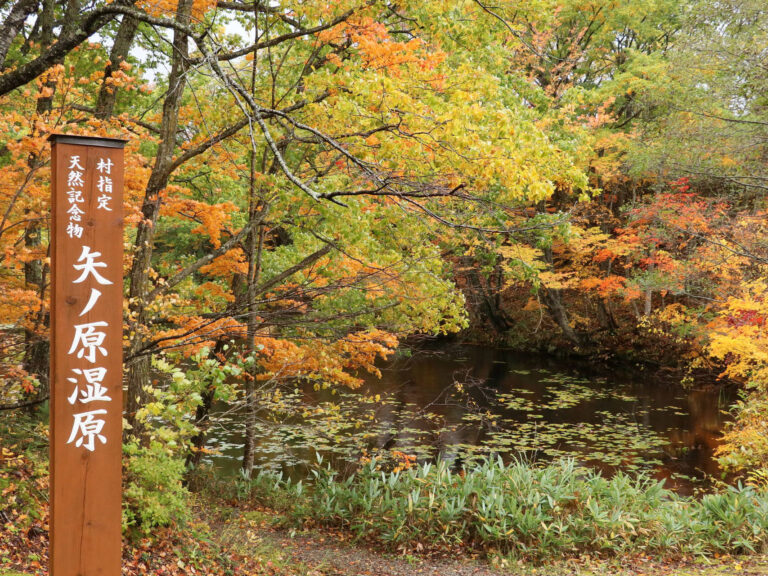
Yanohara Moor

It is the second oldest wetland in Japan (said to have been formed about 80,000 years ago) where about 280 species of plants are found. There is a promenade of about 30 minutes per lap, along with springs such as Dokanshimizu. Japan's smallest hatchyard dragonfly is seen in July and August.

Koma moor

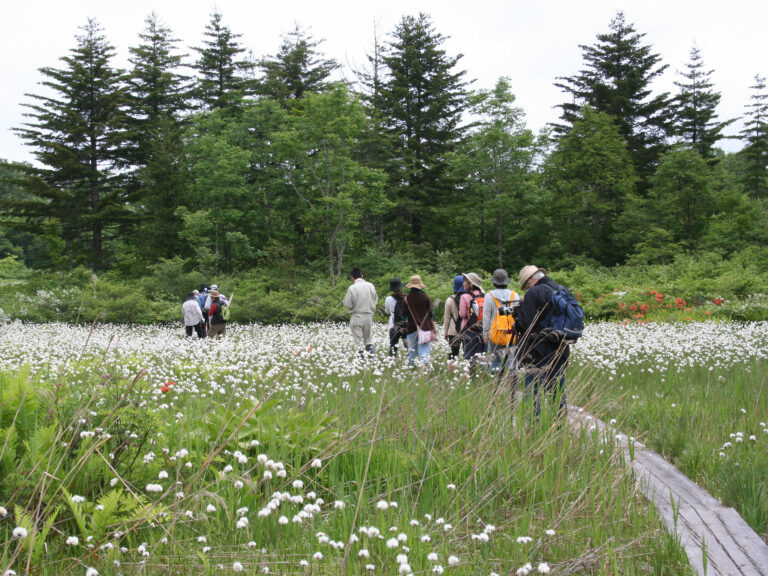
The Komatsuki moor, which spans Showa-mura and Minamiaizu, is a moor with plants such as spring water basho, summer cotton sedge, and nickouki sedge, as well as rare flora and fauna such as the hatchno dragonfly. It is also designated as a natural monument protection area of the country, and you can see various figures according to the season. Currently, only access from Route 401 is available.

Matsumoto family

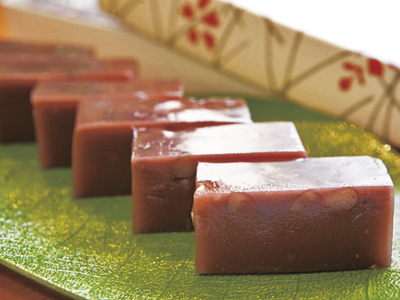
Founded in the second year of Bunsei (1819). We sell handmade yokan made using carefully selected Hokkaido adzuki beans and traditional methods. Mizuyokan is available in packs of 5 for 1,050 yen and Yunohana yokan in packs of 5 for 780 yen. If you stay at Higashiyama Onsen, it's a local tradition to buy Matsumoto family's yokan to take home.

Seongshan Park

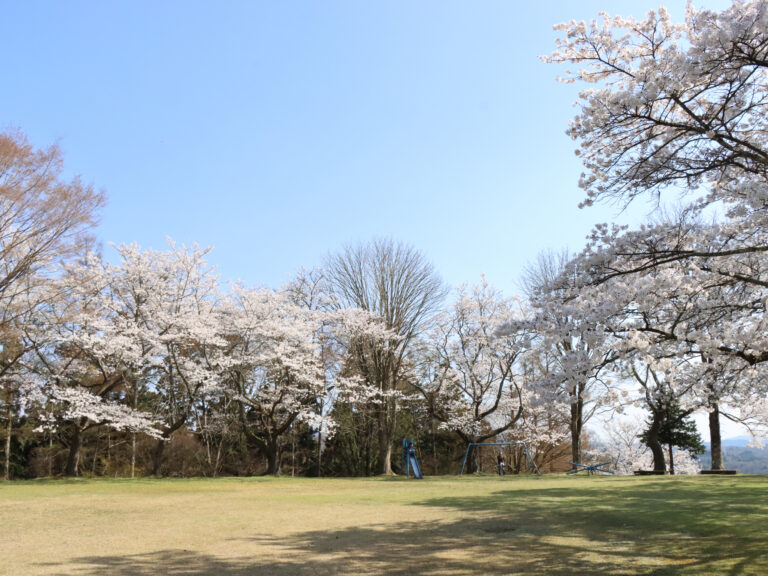
There are 80 kinds of trees, including cherry blossoms and azaleas, and you can enjoy each season.

Seongshan Park

A stretch of Mt. Oshita at an altitude of 410m is the site of Miharu Castle. In the first year of Eishō (1504), it is said to have been built by the Sengoku daimyōda Yoshiaki [Yoshiaki]. During the Edo period, it became the residence of the Akita clan of the Miharu Domain, but the building was demolished after the Meiji Restoration. The Honmaru remains as a park. The front gate of the former Sanchun Domain Shinsho was relocated down the park, and is now used as the school gate of Sanchun Elementary School.

Contact Us: Business & Personal Inquiries

By proceeding, you agree to our Terms of Use And confirm you have read our Privacy Policy .

Notes

· We are available for inquiries 24 hours a day. Responses will be provided between 9:00 and 18:00 (including weekends, public holidays, and year-end/New Year holidays).
· Depending on the nature of your inquiry, it may take some time for us to respond.

RURUBU & ALL WAY JAPAN
Privacy Overview

This website uses cookies so that we can provide you with the best user experience possible. Cookie information is stored in your browser and performs functions such as recognising you when you return to our website and helping our team to understand which sections of the website you find most interesting and useful.