Museum Park Ibaraki Prefecture Nature Museum

Museum Park Ibaraki Prefecture Nature Museum

Info

Tobu Atago Station → 15 minutes by Ibaraki Kyuukou Bus to Iwai Garage, get off at the Natural History Museum Entrance bus stop, and walk for 15 minutes. Alternatively, from Tsukuba Express (Metropolitan New Urban Transport) and Kantou Railway Moriya Station → 30 minutes by Kantou Railway Bus to Iwai Bus Terminal, get off at the Natural History Museum Entrance bus stop, and walk for 10 minutes.
10km 20 minutes from Joban-do-Tani-Wahara IC via National Route 294 and Prefectural Road No. 3
1000 units

Business Hours

9:30 to 17:00 (entry is ~ 16:30)

Price

The entrance to the main building and outdoor facilities is 610 yen for the regular period, 380 yen for high school students, 110 yen for elementary and junior high school students. The planned exhibition is 850 yen for general, 520 yen for high school students, 170 yen for elementary and junior high school students. There are fees for all-70-year-olds and outdoor facilities. Details are required by official website

Spot Category

Museum, Science Museum, Museum, Other Experience Facilities


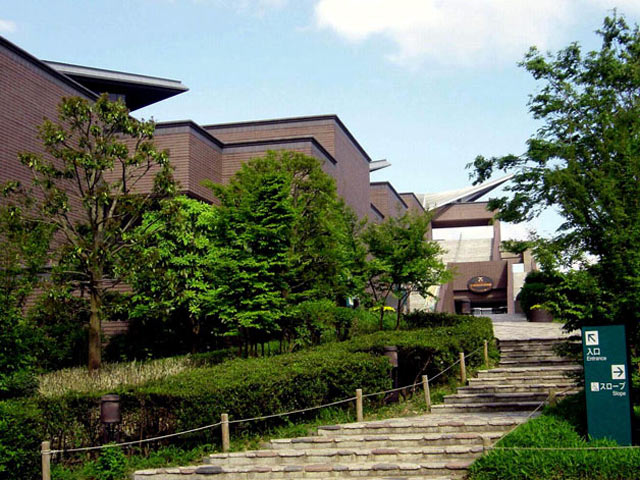
Entrance


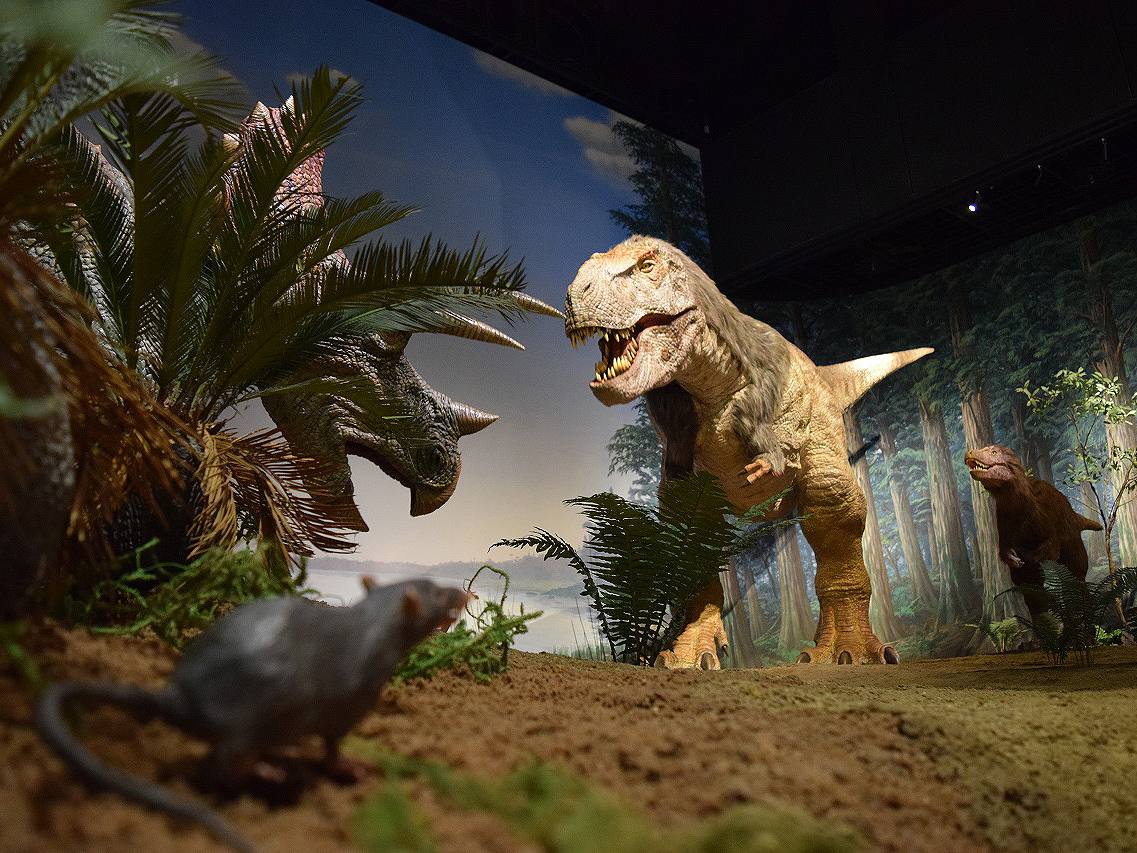
Tyrannosaurus in plumage


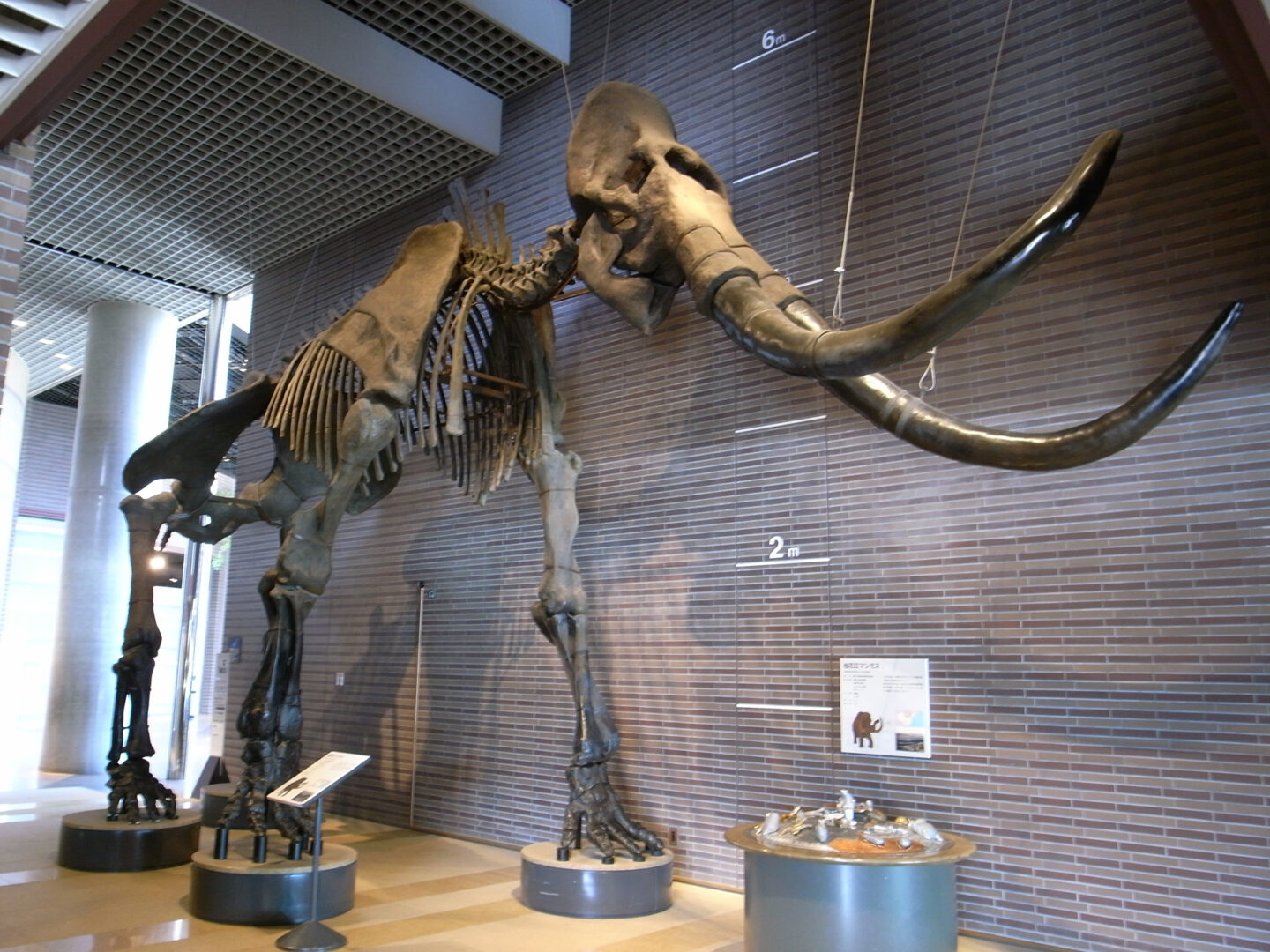
Songhua River Mammoth, one of the world's largest
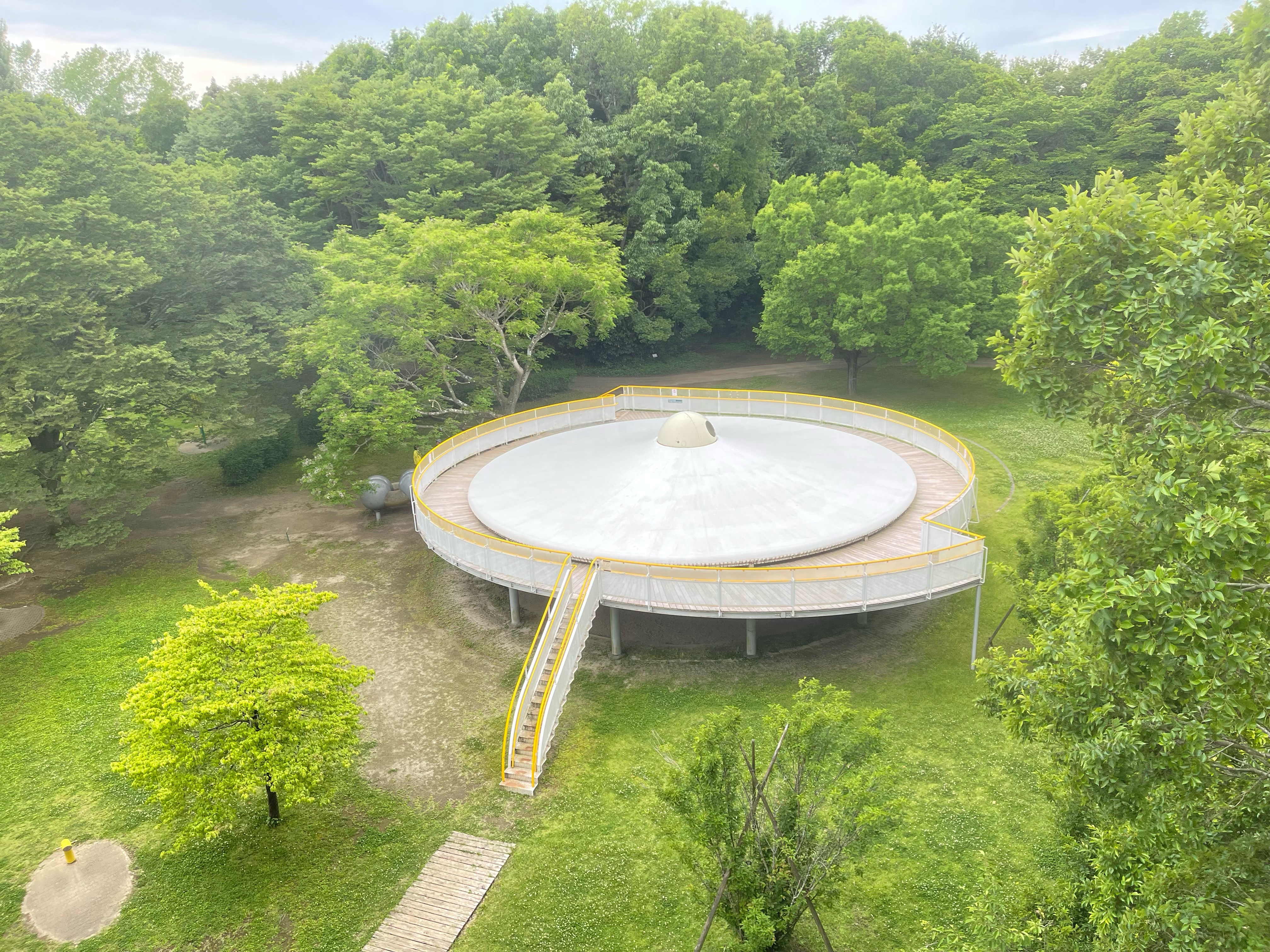

Outdoor facilities Animal Nest (trampoline)

The information provided reflects the details available at the time of the survey.
Please note that facility details may change due to the facility’s circumstances, so please check for the latest information before visiting. This content has been translated using machine translation.

Information provided by: JTB Publishing

This content uses automatic translation services. Automatic translations may not always be accurate.
Please note that the translated content may differ from the original meaning. We ask for your understanding when using this content.
Related Spots

Yasaka Park

In the city of Bando, a comprehensive park with facilities such as an athletics stadium and a swimming pool. There are statues of dinosaurs such as Tyrannosaurus and Triceratops in the park, which are impressive. In spring, as many as 400 cherry blossoms bloom and many visitors visit.

Sakai Castle Site Park

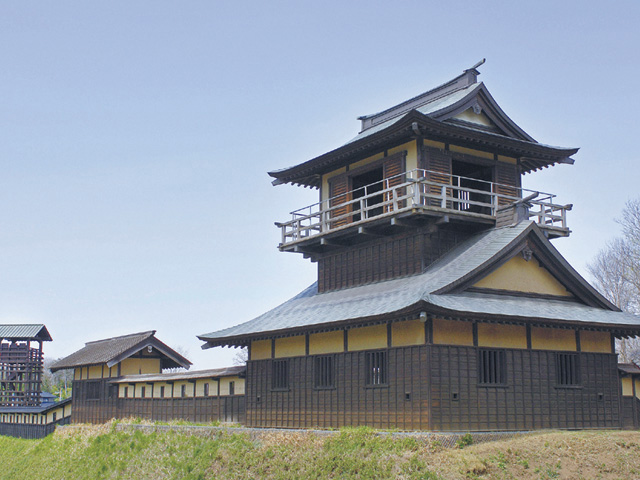
Sakaii Castle, which was built as the Hōjō clan's base for advancing to the Hokukan East at the end of the Sengoku period. It was left in ruins by Toyotomi Hideyoshi's defeat of Odawara, but the outer walls and earthworks remain today. It seems that the park, where the main temple and the two-tiered temple are located, slipped back in time to the Warring States period, such as restoring the main gate, which was then called the second floor gate, to the original excavation. In the garden, in addition to Yoshino Yoshino in the spring, you can also enjoy the local cherry blossoms, which are single and have dainty pink petals.

King Shrine

Tenroku 3 (972) A shrine dedicated to the Heirō-mon of Genjon. A wooden sitting statue carved in the 33rd anniversary by the third daughter of the Shōmon, Nyozoani, is celebrated as a sacred body in order to comfort the soul of his late father. At the end of the approach to the tall cedar-lined trees, there is a hall of worship with a thatched roof reminiscent of those days. The main shrine has a coat of arms in the shape of a tethered horse, which was reportedly carved to show that the Shōmon on the Suruma would not flinch the anti-flag to the court again.

Hongkei Temple

The year of Oei 21 (1414) is a famous temple of the Jodo sect, reportedly as the Genjon. A great deal of donation was made by the Tokugawa family to rebuild the main hall and bell tower (currently under reconstruction facilities and cannot be seen), from where they were deeply devoted to the tenth-generation Ryokujinjin, and established it as a bodhi-ji temple. The main hall, which is the best of the temple architecture of the early Edo period, is renovated in 2007. You can feel the power of the Tokugawa shogunate in the Buddhist tools and furnishings. On the left side of the main hall is the tomb of Chihime.

Shomei Temple

A temple of the Jōdo Shinshu Hongan-ji school. The first generation of the Seiki family, Asamitsu, who also participated in the shogunate as a sensei crowd, invited the younger brother of the clan, Shinbutsu, to open. It is said that the name of the temple, the name of the temple, is derived from the name of the law that Asamitsu came to the house and gave it to him. It holds a number of cultural treasures, including the "Shōjo Kanashu", which is said to be the autograph of Kinji, as well as portraits and wooden statues of the morning light, the Mireya Gate, and the Nijomon. At the back of the precinct, where there is a large ginkgo tree and a bronze statue of the saint, there are tombs ranging from the first morning light to the fourth generation Tokihiro.

Take-san Ocean

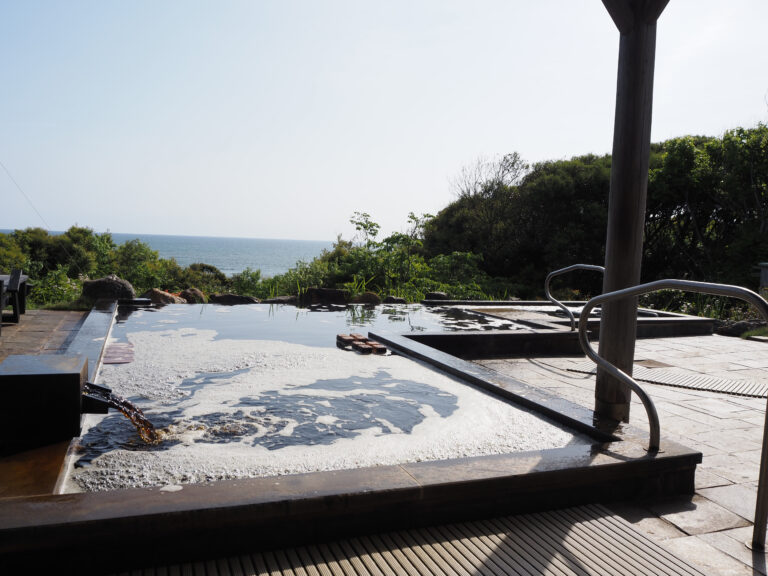
A health promotion hot spring facility established in a corner of Hokota City, blessed with a tropical climate along the Kashimanada coastline. The building features an elaborate design with a circular corridor, and the open-air bath with a view of the sea is pleasantly breezy. The large bath has two tubs, and the water quality is a yellow-brown sodium-chloride strong saline hot spring. Additionally, there is a 25m x 4-lane heated swimming pool for swimwear use and a training room, making it a facility perfect for refreshing oneself.

Contact Us: Business & Personal Inquiries

By proceeding, you agree to our Terms of Use And confirm you have read our Privacy Policy .

Notes

· We are available for inquiries 24 hours a day. Responses will be provided between 9:00 and 18:00 (including weekends, public holidays, and year-end/New Year holidays).
· Depending on the nature of your inquiry, it may take some time for us to respond.

RURUBU & ALL WAY JAPAN
Privacy Overview

This website uses cookies so that we can provide you with the best user experience possible. Cookie information is stored in your browser and performs functions such as recognising you when you return to our website and helping our team to understand which sections of the website you find most interesting and useful.