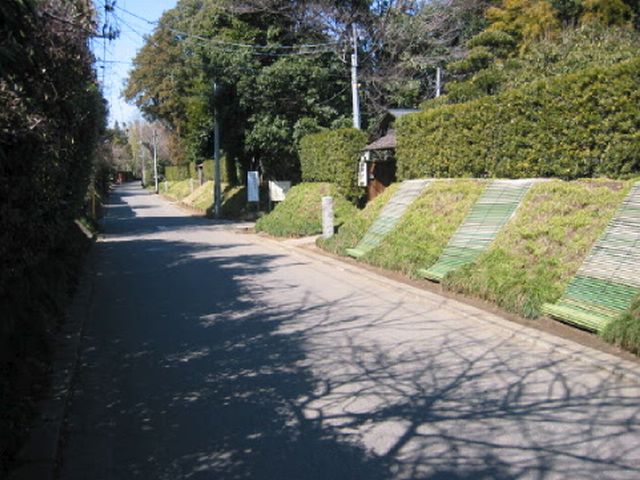
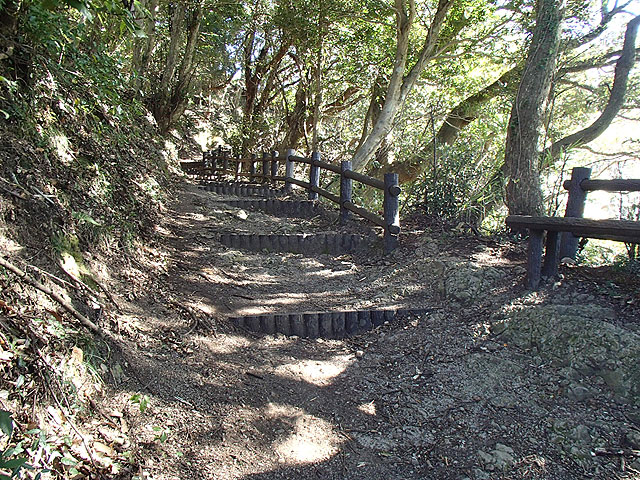
Sakura samurai residence (former Kawara family, former Tajima family, former Takei family residence)

Sakura samurai residence (former Kawara family, former Tajima family, former Takei family residence)

Info

JR Sakura Station → 15-minute walk
10 minutes from Tokan TSE Sakura IC
10 cars

Business Hours

9 to 17 o'clock (entry is ~ 16:30)

Price

The tour is 250 yen for the former Kawara family house, former Tajima family house, and former Takei family house, and 120 yen for students (free for elementary and junior high school students on Saturdays, Sundays and holidays).

Spot Category

Historic Building


The samurai residence street that conveys the image of the castle town to the present
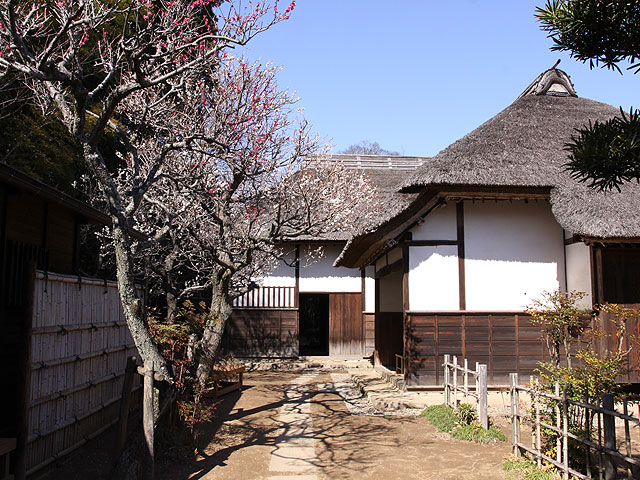

Former Kawara House

The information provided reflects the details available at the time of the survey.
Please note that facility details may change due to the facility’s circumstances, so please check for the latest information before visiting. This content has been translated using machine translation.

Information provided by: JTB Publishing

This content uses automatic translation services. Automatic translations may not always be accurate.
Please note that the translated content may differ from the original meaning. We ask for your understanding when using this content.
Related Spots

Kuramiya Honpo Kuramiya

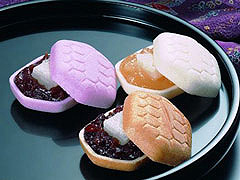
A Japanese confectionery store founded in 1882. The specialty Kuraroku mochi is in the middle of rice cakes, and there are three types of rice paste, koshi paste, tsubu paste, and white paste, each of which is 150 yen. It is a confectionery related to the Kura Rokuishi with a turtle pattern handed down to the Hotta family of the Sakura feudal lord, and has a hexagonal shape in the shape of a turtle shell. You can also pour hot water and eat it as a hot dish. The storehouse on the site displays antiquities. Time is from 10 to 16 o'clock, 550 yen with tea dessert.

Yamani miso

Founded in the 20th year of the Meiji era (1887), it is a long-established company now in its fourth generation under the current president. They are particular about carefully selected domestic ingredients, and by not only boiling but also steaming the soybeans, they create miso with a beautiful color and rich umami flavor.

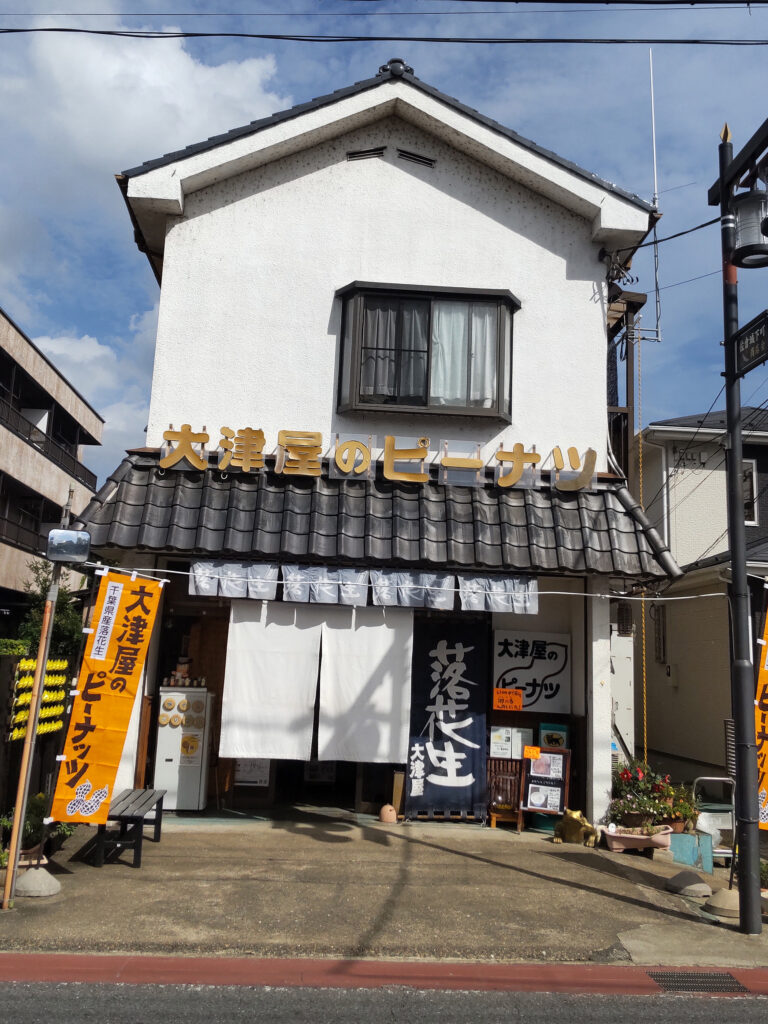
Peanuts in Otsuya

Since its establishment in the 8th year of the Taisho era (1919), this shop has been processing and selling flavorful peanuts harvested in Chiba Prefecture. The roasted in-shell and flavored peanuts, crafted with skilled techniques, have an irresistible deliciousness. Their recommended product is the additive-free peanut butter, which is rich, fragrant, and naturally sweet. It is versatile for use in cooking as well as on bread. They also offer a variety of original products that are perfect for snacks. The rich peanut monaka ice cream made with peanut butter is easy to eat with one hand, making it perfect for a stroll in Sakura.

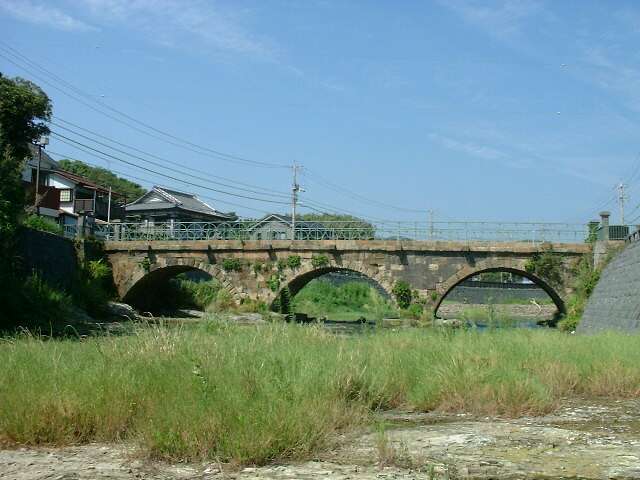
The bridge of glasses

Western-style Mie-bashi, a masonry method, on the lower Nagao River at Takiguchi, Shirahama. Because there are three arches, it is not really glasses, but it has come to be called a glasses bridge from the appearance of moving to the river. The bridge was built in Meiji 21 (1888) with a donation of 399 yen and 40 yen from the villagers. He said he had walked across the river before the construction. It is a sturdy bridge that, in wartime, tanks passed through it without being broken by the Great Kanto Earthquake. Repair work was carried out in 1977 and 1993, and the figure remains at the time of construction. Prefectural Designated Tangible Cultural Property. Japan's Meihashi Hyakusyo.

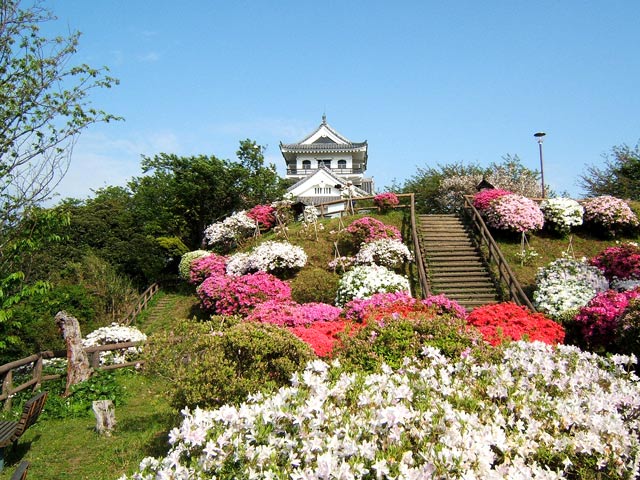
Seongshan Park

A park that maintained the remains of the residence of the Sengoku daimyō Satsumi clan in Boso. The hillside area, which has a good view, is dotted with Tateyama Castle, Tateyama City Museum, and Japanese gardens. It is also popular as a flower park, and you can enjoy about 200 plums that bloom from early January to mid-March, 1200 camellias and about 500 cherry trees in the spring, and 6400 azaleas and seasonal flowers in April.

Toyama

The mountain is known as the setting for "Nanso Satomi Hakkenden" [Nanso Satomi Hakkenden] by Takizawa Hakinen. At the foot of the mountain, there is Fushihime's gaunole [Rokeketsu], where Fushihime [Fushihime], the daughter of Yoshimi Satomi [Satomi Yoshizane], is told that she lived in hiding with her dog, Yatsubusa. It is a gentle mountain at an altitude of 350m, and there is also a two-hour hiking course from the walking center attached to Iwai Station to Iwama Lake [Iwabuko], and a course that goes around the Hakkenden-related area, such as the ancient battleground of Satami. Six hours of travel.

Contact Us: Business & Personal Inquiries

By proceeding, you agree to our Terms of Use And confirm you have read our Privacy Policy .

Notes

· We are available for inquiries 24 hours a day. Responses will be provided between 9:00 and 18:00 (including weekends, public holidays, and year-end/New Year holidays).
· Depending on the nature of your inquiry, it may take some time for us to respond.

RURUBU & ALL WAY JAPAN
Privacy Overview

This website uses cookies so that we can provide you with the best user experience possible. Cookie information is stored in your browser and performs functions such as recognising you when you return to our website and helping our team to understand which sections of the website you find most interesting and useful.