Ichihara Lakeside Museum of Art

Ichihara Lakeside Museum of Art

Info

Kominat Railway Takataki Station → 20 minutes walk
5 minutes from Ichihara Tsurumai IC, Ken-Odo, via Prefectural Road No. 168
77 units

Business Hours

10 ~ 17 o'clock (Saturday, the day before the holiday from 9:30 to 19 o'clock, Sunday, and public holidays from 9:30 to 18 o'clock)

Price

Different by exhibition

Spot Category

Museums and Galleries

The information provided reflects the details available at the time of the survey.
Please note that facility details may change due to the facility’s circumstances, so please check for the latest information before visiting. This content has been translated using machine translation.

Information provided by: JTB Publishing

This content uses automatic translation services. Automatic translations may not always be accurate.
Please note that the translated content may differ from the original meaning. We ask for your understanding when using this content.
Related Spots

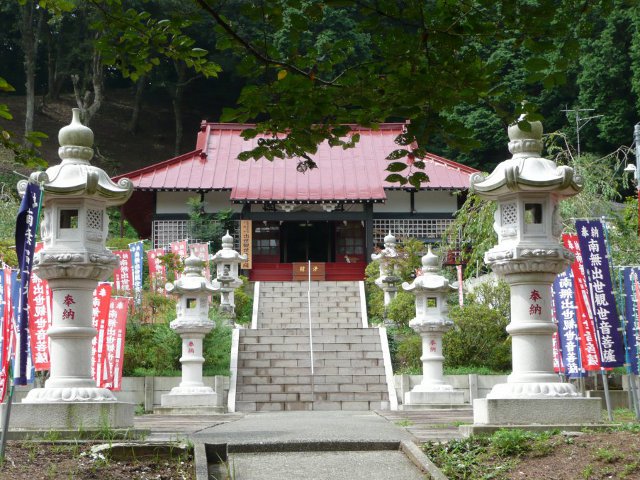
Rikoku-ji Temple

From the Yōrai Gorge Station, we reach the Guanyin Bridge by crossing two bridges, Baobei Bridge and Swan Bridge. The Taikobashi is a two-line vermite bridge, and if you walk it, you can feel a considerable gradient. The official name of Iseonggoji is Rikoku-ji. It is said to be the place where Minamoto no Yori, who was torn to the battle of Ishibashi, put his application on the line to Guanyin-sama.

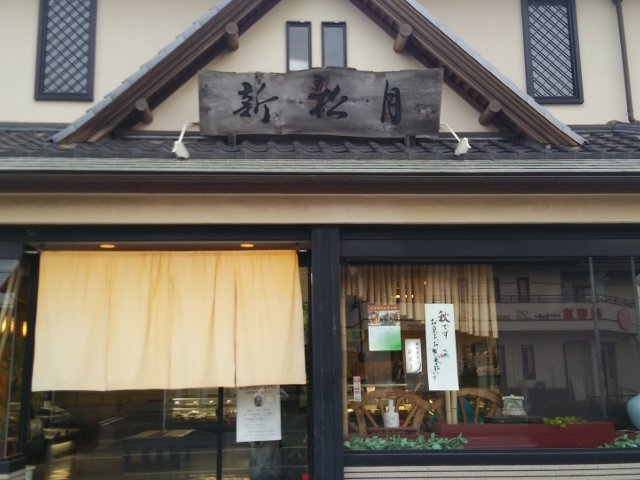
New pine moon

The popular pure gold Kuroshio monaka was created in an era after the war when there were few sweet treats, using plenty of bean paste. There are three varieties: tsubuan and goma-an at 220 yen each, and one with gyuhi at 230 yen, with gold leaf baked into the skin. The recommended offering sweet, Ousu, which has a chewy dough filled with white bean paste and Tanba black beans, is 210 yen each.

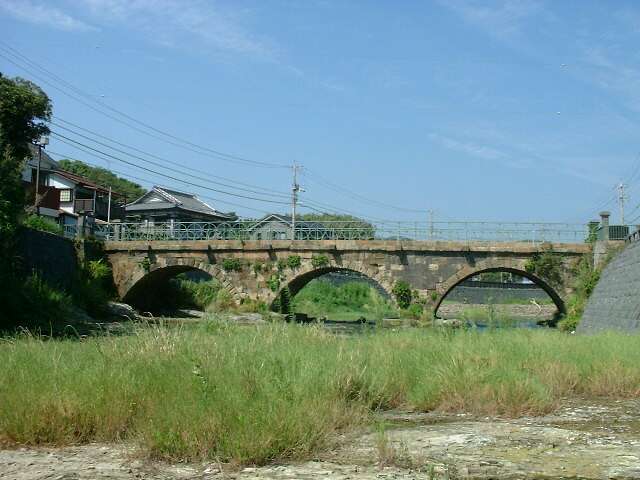
The bridge of glasses

Western-style Mie-bashi, a masonry method, on the lower Nagao River at Takiguchi, Shirahama. Because there are three arches, it is not really glasses, but it has come to be called a glasses bridge from the appearance of moving to the river. The bridge was built in Meiji 21 (1888) with a donation of 399 yen and 40 yen from the villagers. He said he had walked across the river before the construction. It is a sturdy bridge that, in wartime, tanks passed through it without being broken by the Great Kanto Earthquake. Repair work was carried out in 1977 and 1993, and the figure remains at the time of construction. Prefectural Designated Tangible Cultural Property. Japan's Meihashi Hyakusyo.

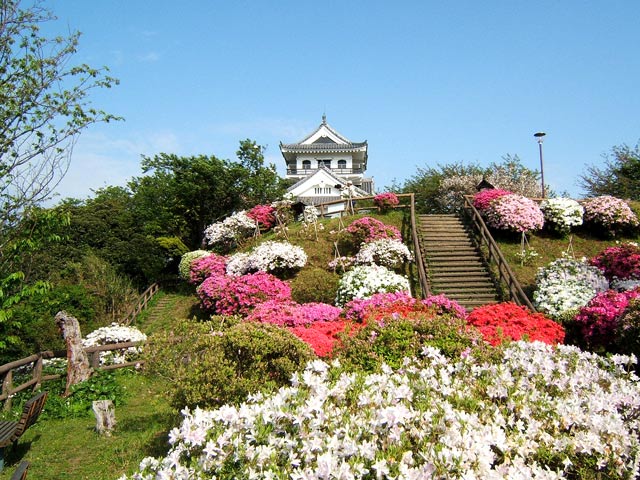
Seongshan Park

A park that maintained the remains of the residence of the Sengoku daimyō Satsumi clan in Boso. The hillside area, which has a good view, is dotted with Tateyama Castle, Tateyama City Museum, and Japanese gardens. It is also popular as a flower park, and you can enjoy about 200 plums that bloom from early January to mid-March, 1200 camellias and about 500 cherry trees in the spring, and 6400 azaleas and seasonal flowers in April.

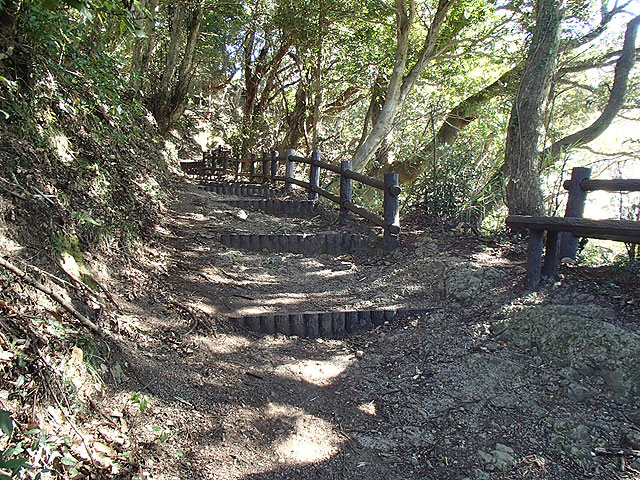
Toyama

The mountain is known as the setting for "Nanso Satomi Hakkenden" [Nanso Satomi Hakkenden] by Takizawa Hakinen. At the foot of the mountain, there is Fushihime's gaunole [Rokeketsu], where Fushihime [Fushihime], the daughter of Yoshimi Satomi [Satomi Yoshizane], is told that she lived in hiding with her dog, Yatsubusa. It is a gentle mountain at an altitude of 350m, and there is also a two-hour hiking course from the walking center attached to Iwai Station to Iwama Lake [Iwabuko], and a course that goes around the Hakkenden-related area, such as the ancient battleground of Satami. Six hours of travel.

Contact Us: Business & Personal Inquiries

By proceeding, you agree to our Terms of Use And confirm you have read our Privacy Policy .

Notes

· We are available for inquiries 24 hours a day. Responses will be provided between 9:00 and 18:00 (including weekends, public holidays, and year-end/New Year holidays).
· Depending on the nature of your inquiry, it may take some time for us to respond.