Yoshino Plum Village

Yoshino Plum Village

Info

15-minute walk from JR Hinatawada Station to Ume Park, Ome City
10 km, 25 minutes from Ken-O Expressway Ome IC via Route 5 and National Route 411 (to Ome City Ume Park)
44 cars / Use Yoshino Umegou First Parking Lot, Yoshino Umegou Second Parking Lot, etc.

Business Hours

Freedom to walk

Price

Freedom to walk

Spot Category

Flower viewing spot


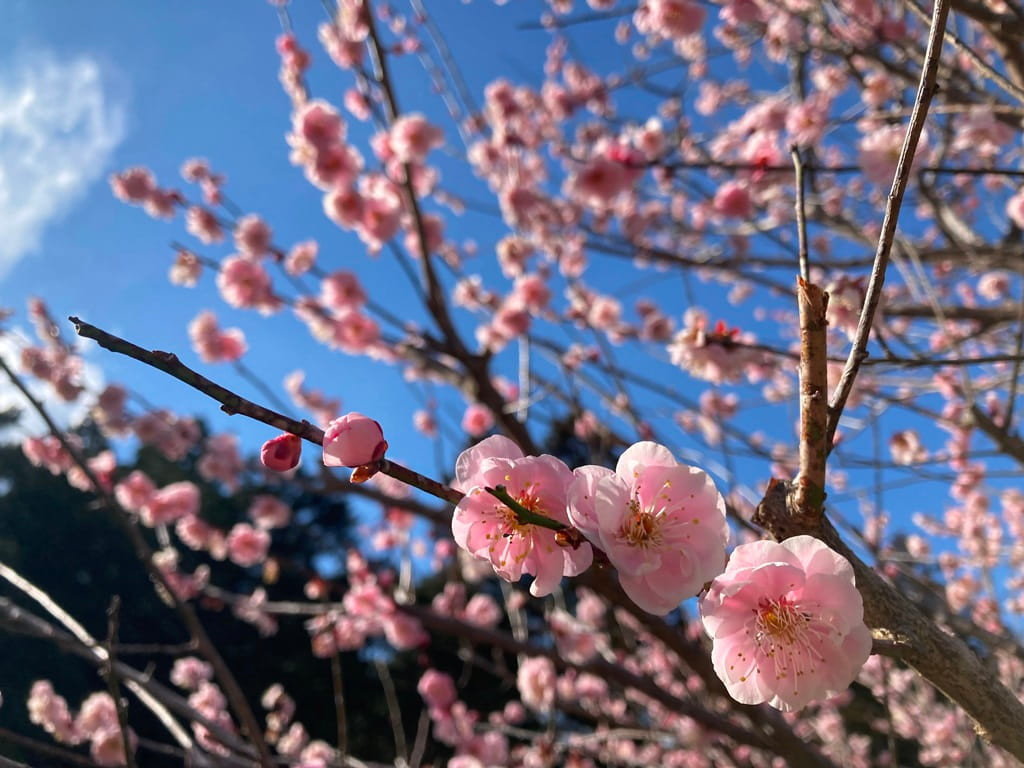
Red plums planted in "Ome City Ume Park"
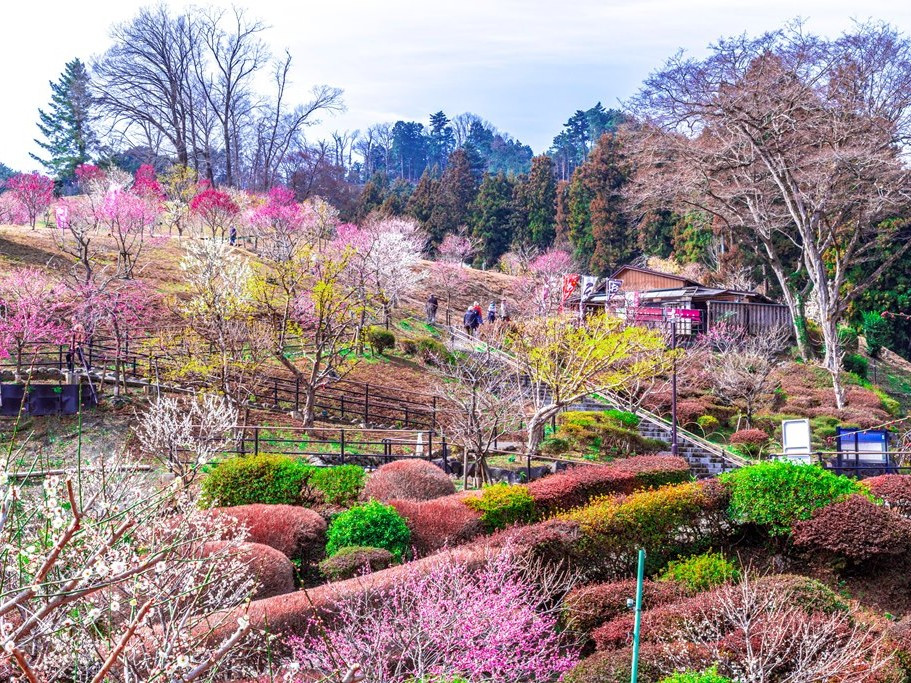

The representative plum spot of Yoshino Umegou "Ome City Ume Park"
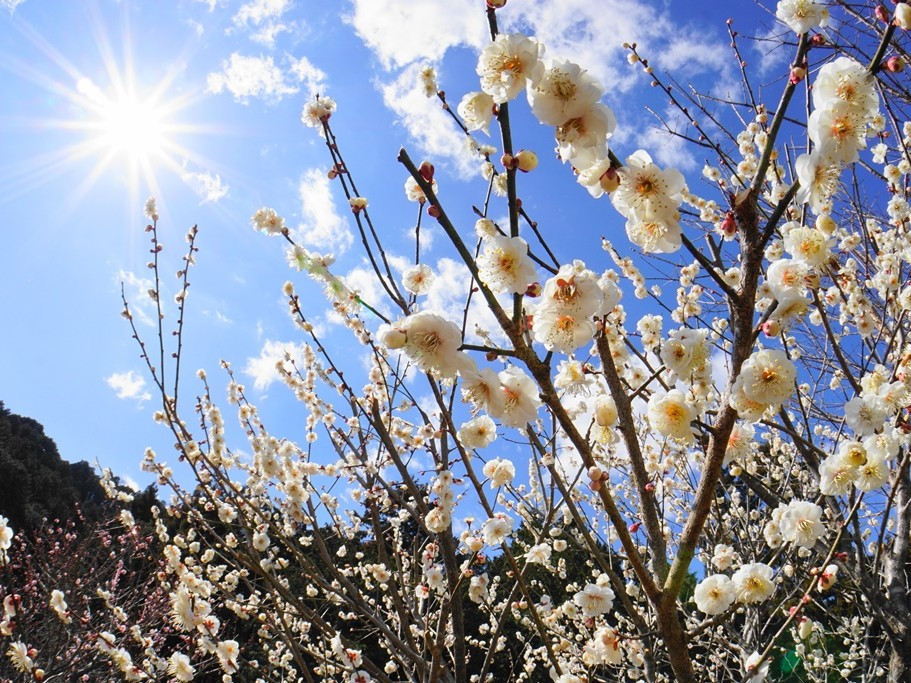

Plum blossoms in Yoshino Umegou bloom from mid-February to mid-March
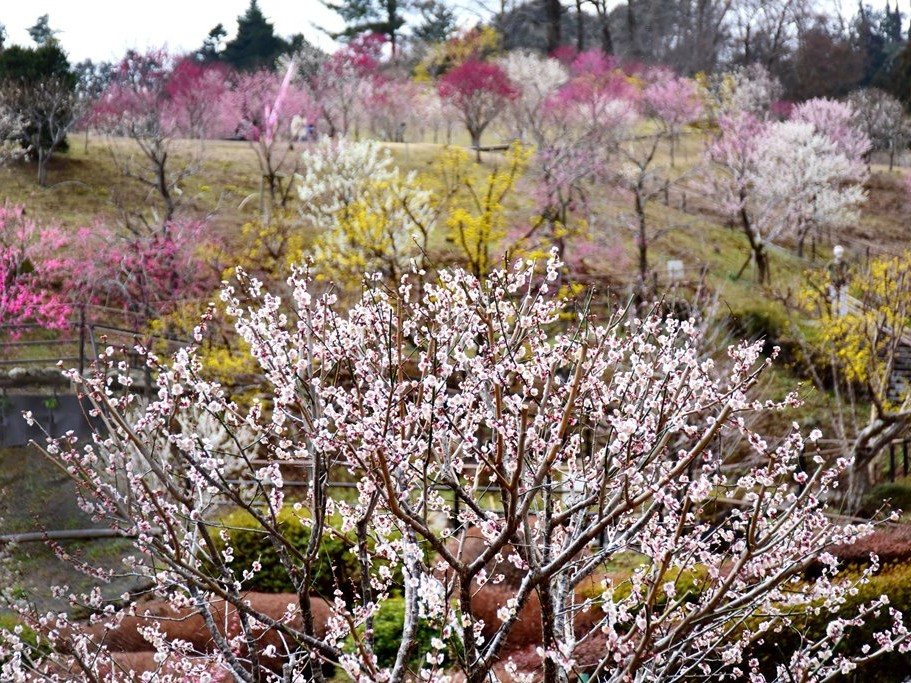

"Ome City Ume Park" features about 150 varieties and approximately 1,200 plum trees in full bloom.

The information provided reflects the details available at the time of the survey.
Please note that facility details may change due to the facility’s circumstances, so please check for the latest information before visiting. This content has been translated using machine translation.

Information provided by: JTB Publishing

This content uses automatic translation services. Automatic translations may not always be accurate.
Please note that the translated content may differ from the original meaning. We ask for your understanding when using this content.
Related Spots

Goumei Garden

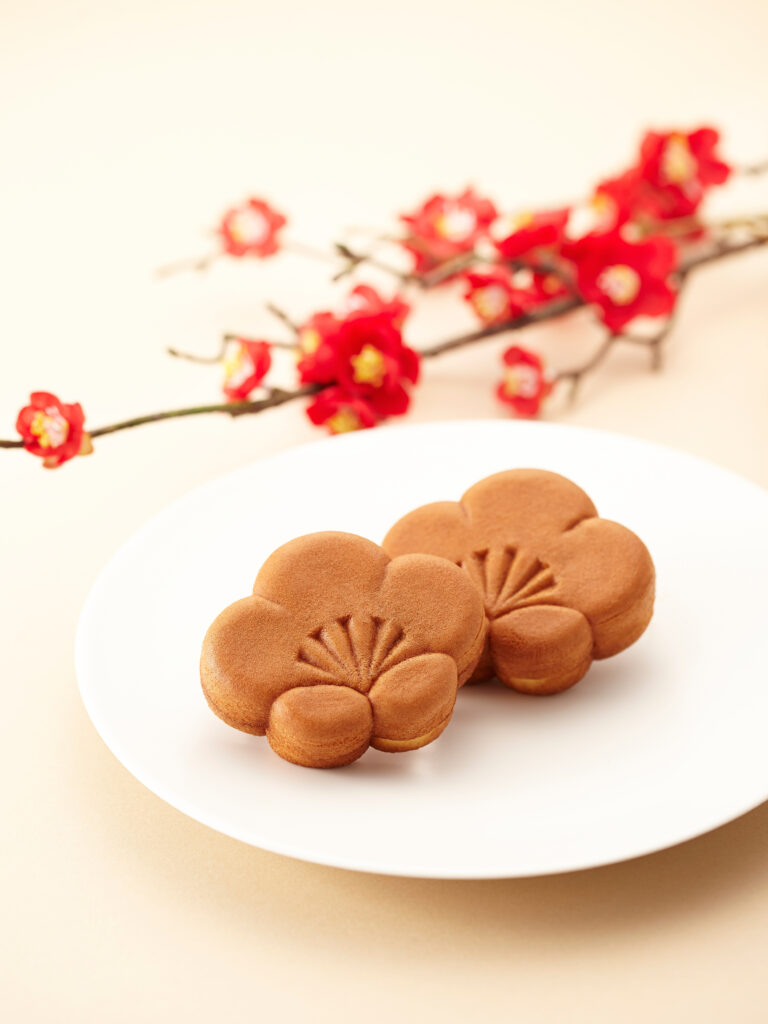
A Japanese sweets shop using plums located near Ume Park in Aomi City, Yoshino Umegou. Popular plum sweets with rich flavors include the plum blossom-shaped "Koubai Manju," which is made by wrapping smooth red bean paste kneaded in an iron pot with castella, and "Ume Kinu," a plum rice cake made with plum wine, making them perfect souvenirs from Umegou. In the shop's sweet corner, unique items such as "Aoi Ume Kuzukiri," which can only be tasted here, and "Aoi Ume Soft Serve" made with homemade green plum syrup are offered. During lunch hours from 11 AM to 3 PM, you can also enjoy the "Kuri Okowa Zen" served with plum wine.

Mount Mitake and Sunrise Hiking Course

This area, which stretches 4 km east to west on the south side of the Tama River from Hinatawada Station to Futamatao Station on the JR Ome Line, serves as the gateway to Chichibu Tama Kai National Park. It is dotted with tourist spots such as the symbolic Ume Park in Aomi City, the Yoshikawa Eiji Memorial Museum, and the Aomi Kimono Museum. True to its name as the village of plums, you can find plum blossoms in the precincts of shrines and temples like Tensawa-in, Sokuseiji, and Atago Shrine, as well as in privately owned gardens, which are open to the public as open gardens, making it a recommended place to stroll around. Ume Park in Aomi City had all its plum trees cut down in 2014 due to the plum disease "Ume Ring Spot Virus," but replanting began in 2016. Currently, about 1,200 trees of approximately 150 varieties are being planted, gradually restoring the former landscape. The Yoshino Umegou Plum Festival is held from mid-February to mid-March.

Mitake Visitor Center, Tokyo

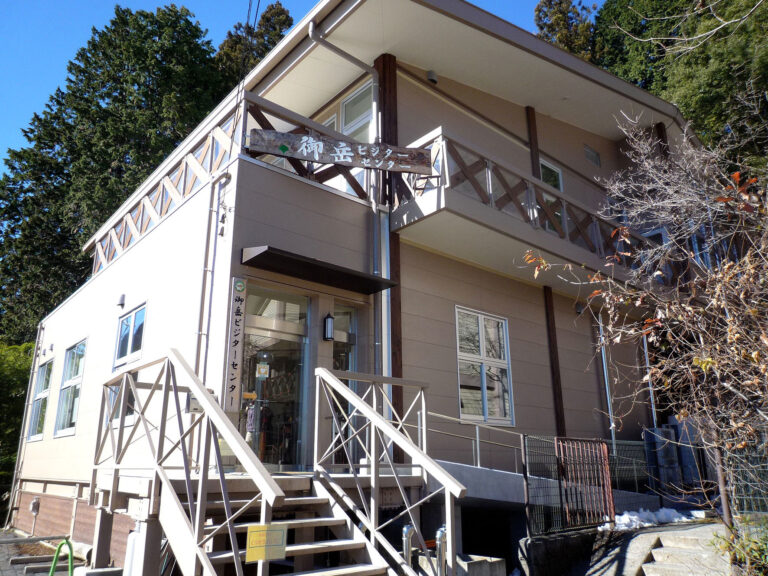
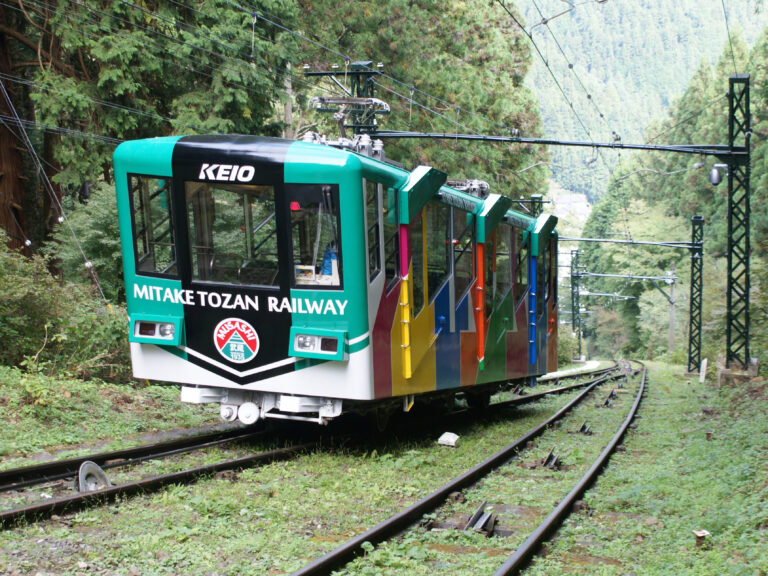
Known as a sacred mountain of mountain worship and popular for hiking, Mount Mitake has a visitor center located in the Oshi village on the summit. An interpreter (nature guide) is stationed there, providing information about the nature and hiking courses of Mount Mitake, and answering various questions. Inside the facility, there are interactive exhibits that allow visitors to learn about the nature, history, and culture of Mount Mitake's flora and fauna in a fun way. In addition to slide presentations introducing the four seasons of Mount Mitake, a variety of programs such as craft experiences and nature classes are also held. There is a rest area where food and drinks are allowed, making it easy to use.

Maehama Beach Beach

The white sand is beautiful and the most popular beach in Kozujima. The water is highly transparent. The Environment Agency's water quality survey has been the only one in Tokyo. Warden resident from August 1 to the end.

Rabbit or

The specialty of the shop is the dorayaki, priced at 240 yen each. The honey-infused skin is packed with chunky red bean paste, and its simple sweetness lingers. Since it often sells out by the evening, it's best to make a reservation if you plan to visit after 4 PM.

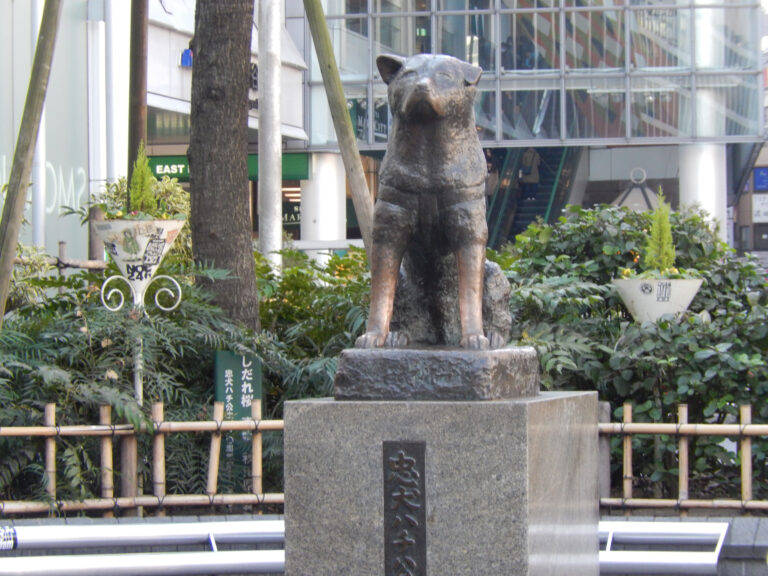
Statue of Hachiko

A statue of an Akita dog at Hachikoguchi, Shibuya Station. A meeting spot in Shibuya that was obvious. The bee was an Akita dog who lived between Taisho and early Showa years, and the dog that kept waiting in front of Shibuya Station for the return of its owner, Tokyo Imperial University College of Agriculture, Eisaburo Ueno, who died suddenly for about nine years. A statue by sculptor Teru Ando was created in 1934, but Hachi died the following year. The statue was also lost due to the metal donation of World War II, but was rebuilt in 1948 by Teru Ando's son, Takeshi.

Contact Us: Business & Personal Inquiries

By proceeding, you agree to our Terms of Use And confirm you have read our Privacy Policy .

Notes

· We are available for inquiries 24 hours a day. Responses will be provided between 9:00 and 18:00 (including weekends, public holidays, and year-end/New Year holidays).
· Depending on the nature of your inquiry, it may take some time for us to respond.

RURUBU & ALL WAY JAPAN
Privacy Overview

This website uses cookies so that we can provide you with the best user experience possible. Cookie information is stored in your browser and performs functions such as recognising you when you return to our website and helping our team to understand which sections of the website you find most interesting and useful.