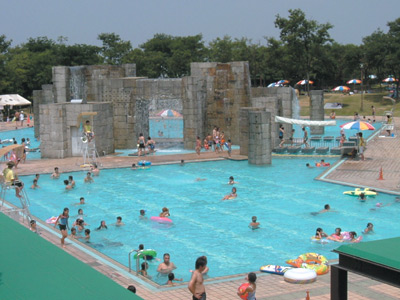
Kyoto Prefectural Yamashiro General Sports Park (Solar Hill) Family Pool

Kyoto Prefectural Yamashiro General Sports Park (Solar Hill) Family Pool

Info

JR Uji Station → Take the bus to Taiyōgaoka, get off at the bus stop: Taiyōgaoka (only on Saturdays, Sundays, and holidays), and walk a short distance. Alternatively, take the bus to Iichūmae or Ryokuenzaka, get off at the bus stop: Taiyōgaoka Gate-mae, and walk 10 minutes. Or take the bus from Keihan Uji Station to Taiyōgaoka, get off at the bus stop: Taiyōgaoka (only on Saturdays, Sundays, and holidays), and walk a short distance. Alternatively, take the bus to Iichūmae or Ryokuenzaka, get off at the bus stop: Taiyōgaoka Gate-mae, and walk 10 minutes. Or take the bus from Kintetsu Ōkubo Station to Keihan Uji Station or JR Kōheki Station, get off at the bus stop: Taiyōgaoka Nishi Gate-mae, and walk 10 minutes.
8km 15 minutes from Keiji Bypass Uji Nishi IC via Prefectural Road 69
1300 vehicles / 500 yen for regular cars per day, 1700 yen for large vehicles (free if exiting the same gate in less than 30 minutes), may be full on Saturdays, Sundays, and holidays.

Business Hours

9 AM to 5 PM (entry until 3 PM, last swimming until 4:30 PM)

Price

Adults 1200 yen, high school students 850 yen, elementary and middle school students 550 yen, infants (4 years and older) 150 yen.

Spot Category

Pool, Park

The information provided reflects the details available at the time of the survey.
Please note that facility details may change due to the facility’s circumstances, so please check for the latest information before visiting. This content has been translated using machine translation.

Information provided by: JTB Publishing

This content uses automatic translation services. Automatic translations may not always be accurate.
Please note that the translated content may differ from the original meaning. We ask for your understanding when using this content.
Related Spots

Kōsōji Temple

It is located at the foot of Mount Asahi, and if you follow a gentle slope called Kotosaka, you will end up in a Chinese-style mountain gate. This road, with beautiful cherry blossoms and Yamabuki in spring and beautiful autumn leaves, is said to have a thin babble flowing on both sides sounding like the sound of a koto. It was built in Fushimi Fukakusa by Dōgen of the Soto sect, but was destroyed by the soldier fire. It was re-established as its current location in the first year of Keian (1648) by Naomasa Nagai, the lord of the main castle of Yodo. It is a training dojo for Zen, and the main temple of Fushimi Castle, the main temple, the Zen temple, and the Kaisan temple are quietly located.

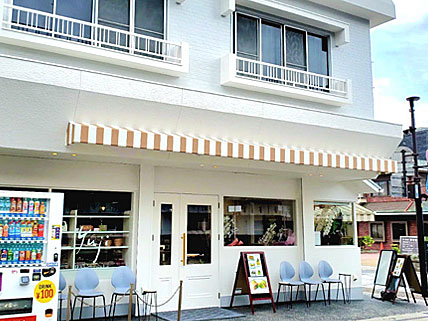
Patisserie Yuji

A short walk from JR Uji Station, a patisserie along the old Nara Kaido. A pastry chef who took over the locally loved store for many years wields his arms. There are many sweets such as macaroons, roll cakes, baked goods, and many are filled with matcha like Uji. Among them, the adult flavor "Terrine Chocolat" is an elegant flavor with plenty of fine cacao, and its varied lineup with the addition of matcha and hojicha is popular.

Notojō Inabusa Yasukane

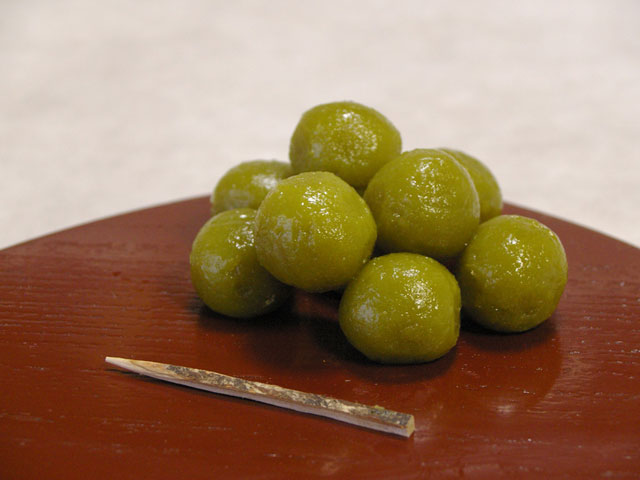
A traditional Japanese sweets shop with a charming storefront located on the approach to the Byodoin Temple in Uji. Established in the 2nd year of the Kyōhō era (1717). In the 6th year of the Kaei era (1853), it was granted the title of "jō" from the Omuro Gosho (now Ninna-ji), making it a historic and prestigious shop. It offers a variety of Uji-style Japanese sweets made using traditional methods, but the most popular item is the "Cha no Dango (Tea Dumpling)." It is well-regarded for its mild sweetness and the flavor of matcha.

Chōan Temple

Emperor Yomei's third prince, Maruko, and Yamazakura, are believed to be self-made, and are located at the temple of Nishikoku Yakushi Reiba No. 26. The ancient temple of the Rinzai sect Nanzenji school. Sidare zakura, Someyoshi Shino and Yamazakura are planted in the precinct.

Atago Shrine

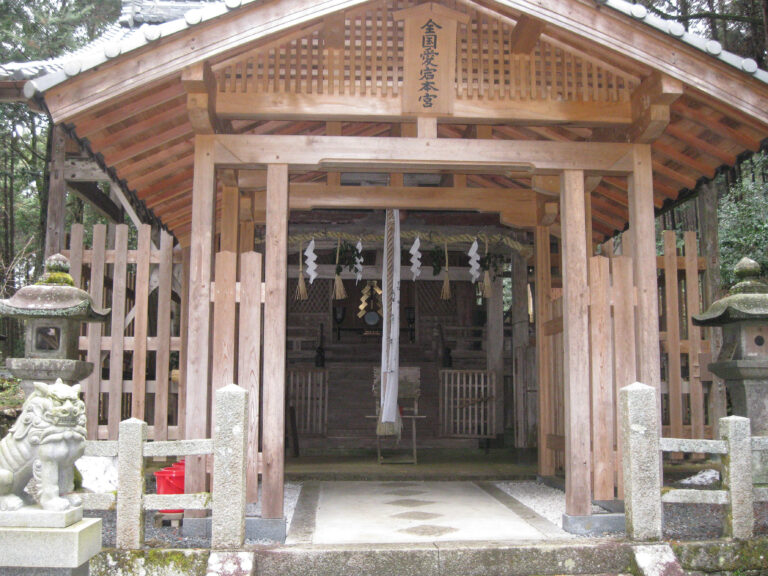
It is said to be the main shrine of Atago Shrine all over the country, and is known as the former Atago. The main shrine, which is said to have been erected during the Kamakura period, is a National Designated Important Cultural Property. The gods of the gods are the god of fire, the god of fire, the spirit of fire [Homusubi no Mikoto], and the great power of the great power.

Kannonji Temple

It blends into the idyllic satoyama landscape. It is said that in the Imperial Court of Emperor Tenmu, the Imperial Court of the Emperor of the Emperor, the priest, the priest, the priest, and the priest, Ryoben, on the wishes of the Emperor Shōmu, built a gaiji addition. The statue of the eleven-faced Kannon standing (national treasure) of the main statue was enshrined in Tenpyo 16 (744). It is a wood-shin-dried lacquer statue made in the late Tenpyo period to convey the breath of the ornate Tenpyo. It was also a connexus of Nara and Kōfuku-ji Temple, so it flourished under the asylum of Mr. Fujiwara, but it was burned down in the Middle Ages. Currently, only the main hall (Ōmido) stands quietly.

Contact Us: Business & Personal Inquiries

By proceeding, you agree to our Terms of Use And confirm you have read our Privacy Policy .

Notes

· We are available for inquiries 24 hours a day. Responses will be provided between 9:00 and 18:00 (including weekends, public holidays, and year-end/New Year holidays).
· Depending on the nature of your inquiry, it may take some time for us to respond.

RURUBU & ALL WAY JAPAN
Privacy Overview

This website uses cookies so that we can provide you with the best user experience possible. Cookie information is stored in your browser and performs functions such as recognising you when you return to our website and helping our team to understand which sections of the website you find most interesting and useful.