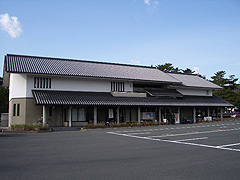
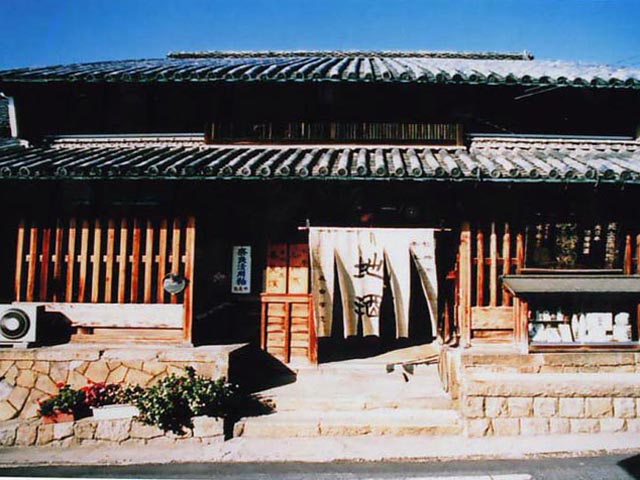
You can obtain Nara-zuke made from sake lees unique to sake breweries. This additive-free natural food is made by repeatedly pickling fresh local vegetables in ginjo sake lees mixed with shochu and brown sugar. The beautiful amber color and varying textures depending on the ingredients can be enjoyed. There are various types of Nara-zuke available for 300 yen each, including bamboo shoots, cucumbers, daikon, eggplant, watermelon, and ginger, all pickled fresh in the morning.

You can obtain Nara-zuke made from sake lees unique to sake breweries. This additive-free natural food is made by repeatedly pickling fresh local vegetables in ginjo sake lees mixed with shochu and brown sugar. The beautiful amber color and varying textures depending on the ingredients can be enjoyed. There are various types of Nara-zuke available for 300 yen each, including bamboo shoots, cucumbers, daikon, eggplant, watermelon, and ginger, all pickled fresh in the morning.

Info

15 minutes on foot from JR Horyuji Station
10 minutes via Prefectural Road 5, 2.5 km from Nishi-Meihan Expressway Horyuji IC

Business Hours

8:30 to 18:00

Price

Admission is free (there is a fee for exclusive use of the multipurpose hall)

Spot Category

Tourist information center and visitor center

The information provided reflects the details available at the time of the survey.
Please note that facility details may change due to the facility’s circumstances, so please check for the latest information before visiting. This content has been translated using machine translation.

Information provided by: JTB Publishing

This content uses automatic translation services. Automatic translations may not always be accurate.
Please note that the translated content may differ from the original meaning. We ask for your understanding when using this content.
Related Spots

Hokanji Temple

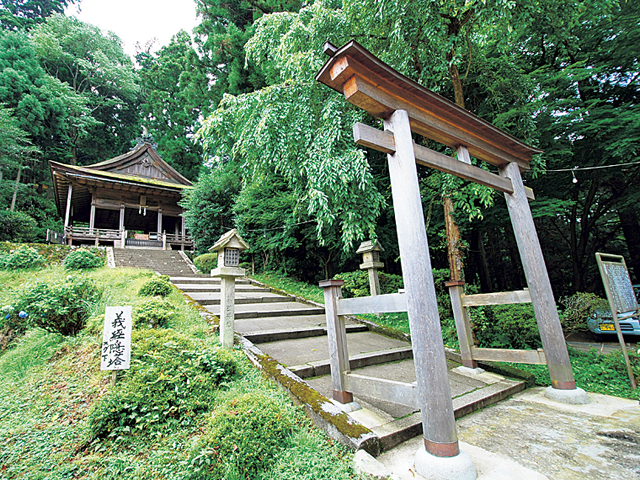
In the 30th year of Suiko (622), Prince Yamashiro no Oe built this temple wishing for the recovery of his father, Prince Shotoku. It is also called Miidera, named after the land. It adopted the Horyu-ji style of temple layout and was equipped with seven halls, but there are no buildings from the time of its founding. The three-story pagoda, praised for its beauty along with Horyu-ji and Hoki-ji as the three towers of Ikaruga, was lost to a lightning fire in 1944 (Showa 19) and was rebuilt in 1975 (Showa 50) using traditional construction methods. The lecture hall houses two Asuka period Buddha statues: the seated statue of Yakushi Nyorai (Important Cultural Property) and the standing statue of Kokuzo Bosatsu (Important Cultural Property), along with six Heian period Buddhas.

Ikaruga Cultural Property Center

Opened in March 2010, near the Fujinoki Tumulus, known for the discovery of luxurious burial goods. Replicas of the splendid horse gear and crowns, as well as a video of the excavation, are displayed inside a replica of the stone coffin.

Longsenji Temple

The root dojo of Shugendo, which is invariably attended by those who aspire to Mt. [Omine-san], is said to be the beginning when an actor discovered a spring in the Dorogawa and celebrated the Great King of Yagai. The gayer cleans himself with the shimizu of the precinct before entering the mountain.

Golden Mare Shrine

World Heritage Site Enki Shiki Nai Taisha Mei Shrine. It is an old shrine that stands quietly in Okushinhon of Mt. Yoshino, and is the god of the landowner of Mt. Kinen (from Mt. Yoshino to Mt. A World Heritage shrine dedicated to Kanayama Bikokami [Kanayama Hikokami], also known as Kinsei Myojin [Konsho Myojin]. Since the Middle Ages, it is known as the line of Shugendo. A gilt-copper kyoshiki (national treasure) buried by Fujiwara Michinosho was excavated during the Edo period. A little further down the shrine, the Hidden Tower of the Yoshitsugu, which is said to have been hidden by a pursuer, remains. When he was surrounded by his pursuers, he kicked the roof and ran away, so he is also called a tower of kicking.

Golden Temple

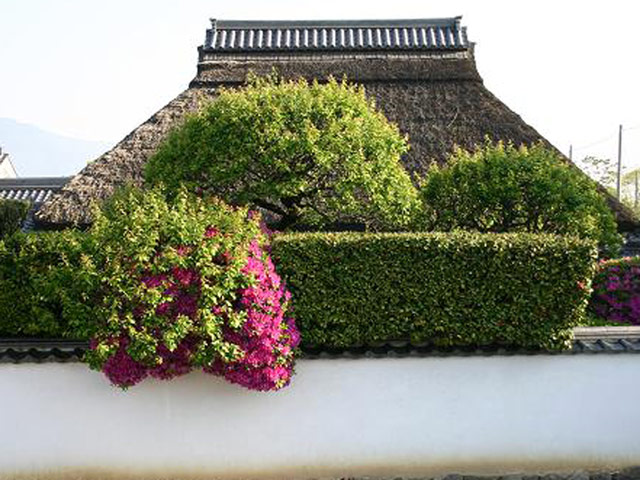
It is said to have been founded in the late Heian period by Taira Shigemori. The three statues of the Honson Yakushi of the Fujiwara era are enshrined in the main hall. It is also known as a famous place of button, and in the season, 1000 glossy buttons of 100 species bloom. Azalea, Oyama Aenge and Small Chrysanthemum are also beautiful.

Contact Us: Business & Personal Inquiries

By proceeding, you agree to our Terms of Use And confirm you have read our Privacy Policy .

Notes

· We are available for inquiries 24 hours a day. Responses will be provided between 9:00 and 18:00 (including weekends, public holidays, and year-end/New Year holidays).
· Depending on the nature of your inquiry, it may take some time for us to respond.

RURUBU & ALL WAY JAPAN
Privacy Overview

This website uses cookies so that we can provide you with the best user experience possible. Cookie information is stored in your browser and performs functions such as recognising you when you return to our website and helping our team to understand which sections of the website you find most interesting and useful.