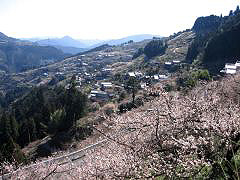
Kamensei Umebayashi

Kamensei Umebayashi

Info

JR Gojo Station → Nara Kotsu Bus 20 minutes bound for Totsugawa, bus stop: Kaminao Wada north exit, 3 minutes on foot
10km 15 minutes from Gojo IC on Kyonawa-do via National Route 310-168
100 units/paid

Business Hours

Free tour only during the Kanmei period (within the scope of common sense so as not to be a nuisance to the garden owner or neighborhood because of private land)

Price

Freedom to walk

Spot Category

Animal habitat, plant group fabric, flower viewing spot

The information provided reflects the details available at the time of the survey.
Please note that facility details may change due to the facility’s circumstances, so please check for the latest information before visiting. This content has been translated using machine translation.

Information provided by: JTB Publishing

This content uses automatic translation services. Automatic translations may not always be accurate.
Please note that the translated content may differ from the original meaning. We ask for your understanding when using this content.
Related Spots

Golden Temple

It is said to have been founded in the late Heian period by Taira Shigemori. The three statues of the Honson Yakushi of the Fujiwara era are enshrined in the main hall. It is also known as a famous place of button, and in the season, 1000 glossy buttons of 100 species bloom. Azalea, Oyama Aenge and Small Chrysanthemum are also beautiful.

Great Tower Cosmic Park Star of the Country

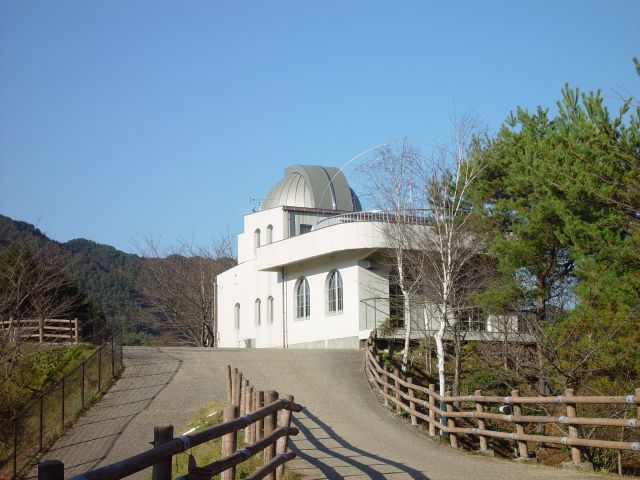
Leisure facilities with a focus on astronomical observation. It is located in a deep mountain, clear air is ideal for astronomical observation. In addition to the main observatory with a 45cm reflecting telescope, the planetarium, accommodation with a hot spring 2 meals per night from 11,000 yen to 11,000 yen, and a bungalow with a dome.

Senju-an Kiku River

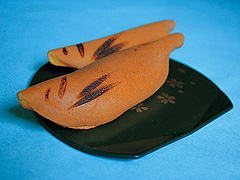
A long-established confectionery shop that stands facing the former Ise Kaido. It was founded in the late Edo period. Sakura-yu 155 yen, which won a gold prize at the National Confectionery Expo, is an image of Ayu swimming in the clear stream of the Yoshino River. There are many types, such as 145 yen, baked one by one, and 245 yen, Minenotsuki, which wraps a large chestnut, and the conversation with the people at the store is lost while choosing sweets.

Longsenji Temple

The root dojo of Shugendo, which is invariably attended by those who aspire to Mt. [Omine-san], is said to be the beginning when an actor discovered a spring in the Dorogawa and celebrated the Great King of Yagai. The gayer cleans himself with the shimizu of the precinct before entering the mountain.

Golden Mare Shrine

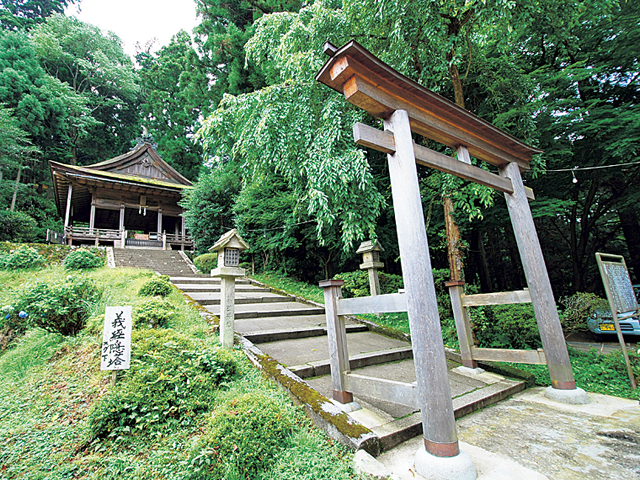
World Heritage Site Enki Shiki Nai Taisha Mei Shrine. It is an old shrine that stands quietly in Okushinhon of Mt. Yoshino, and is the god of the landowner of Mt. Kinen (from Mt. Yoshino to Mt. A World Heritage shrine dedicated to Kanayama Bikokami [Kanayama Hikokami], also known as Kinsei Myojin [Konsho Myojin]. Since the Middle Ages, it is known as the line of Shugendo. A gilt-copper kyoshiki (national treasure) buried by Fujiwara Michinosho was excavated during the Edo period. A little further down the shrine, the Hidden Tower of the Yoshitsugu, which is said to have been hidden by a pursuer, remains. When he was surrounded by his pursuers, he kicked the roof and ran away, so he is also called a tower of kicking.

Hasedera Temple

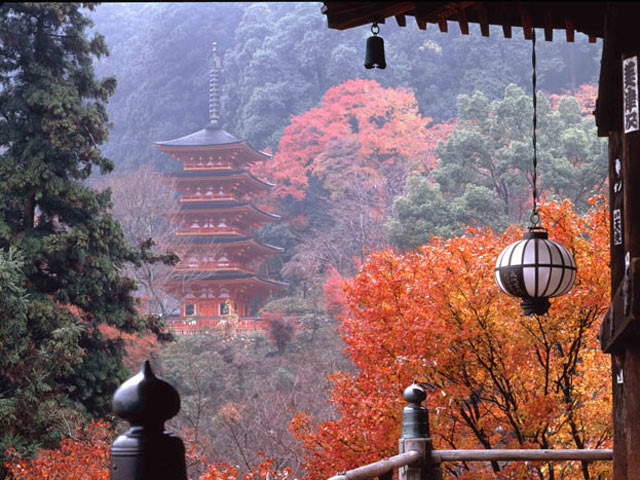
The 8th sacred site of the Western Country. According to legend, in the first year of the Juchō era (686), the monk Dōmyō enshrined the copper plate illustration of the Lotus Sutra (National Treasure) in the stone chamber of the western hill for Emperor Tenmu. In the 4th year of the Shōwa era (727), the monk Tokudō, under the orders of Emperor Shōmu, enshrined the Eleven-faced Kannon statue on the eastern hill. Although it suffered repeated fires, it was restored with the help of the imperial court and Toyotomi Hidenaga. The stone steps leading from the Nio Gate, consisting of 399 steps (Important Cultural Property), continue to the main hall (National Treasure). The stage-style main hall was rebuilt by Tokugawa Iemitsu in the 3rd year of the Keian era (1650). The principal image, an Eleven-faced Kannon standing statue (Important Cultural Property) from the Muromachi period, is a giant statue standing 10 meters tall. The temple treasures can be viewed in the temple treasure storehouse during spring and autumn. The hydrangeas and approximately 7,000 peony plants are also famous.

Contact Us: Business & Personal Inquiries

By proceeding, you agree to our Terms of Use And confirm you have read our Privacy Policy .

Notes

· We are available for inquiries 24 hours a day. Responses will be provided between 9:00 and 18:00 (including weekends, public holidays, and year-end/New Year holidays).
· Depending on the nature of your inquiry, it may take some time for us to respond.

RURUBU & ALL WAY JAPAN
Privacy Overview

This website uses cookies so that we can provide you with the best user experience possible. Cookie information is stored in your browser and performs functions such as recognising you when you return to our website and helping our team to understand which sections of the website you find most interesting and useful.