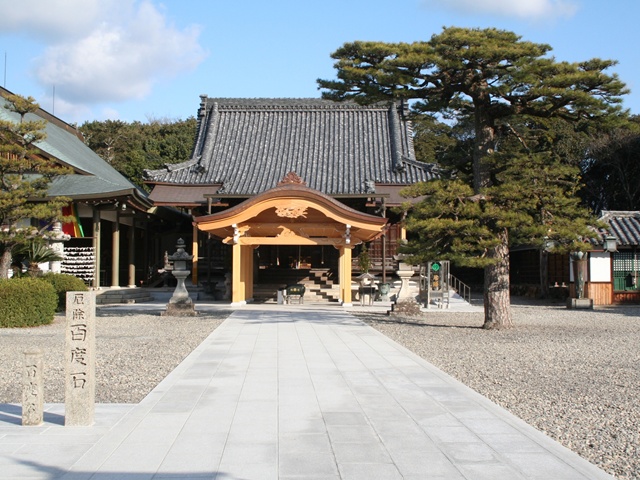
Kokawa Temple

Kokawa Temple

Info

JR Kokawa Station → 15-minute walk
2km 5 minutes from Kyonawa-do Kawakazu IC via Prefectural Road No. 7
100 cars/normal car 500 yen, micro bus 1000 yen, large bus not allowed

Business Hours

The main hall is from 8 to 17 o'clock

Price

Precinct freedom. Main hall chancel visit 400 yen

Spot Category

Shrines・Temples・Churches


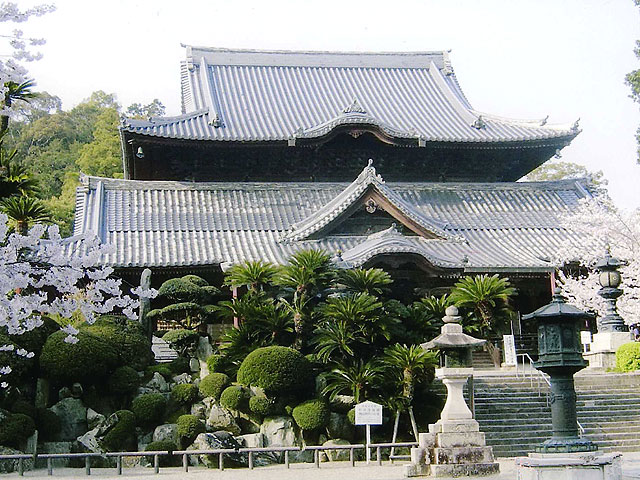
Kokawa-ji Garden (National Designated Meishatsu) and Honcho (National Designated Important Cultural Property)
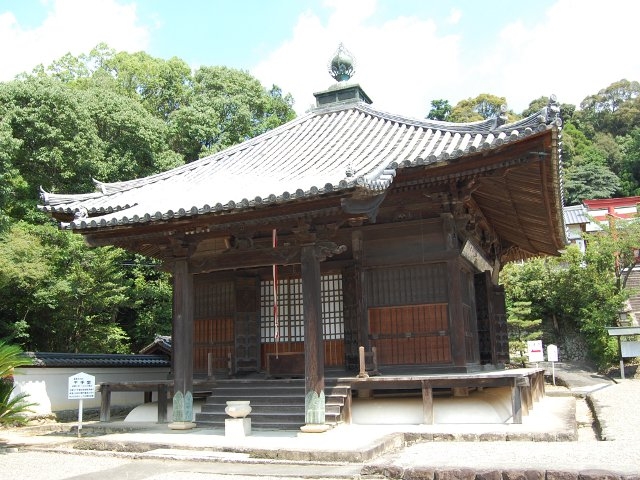

Sendō (National Designated Important Cultural Properties)
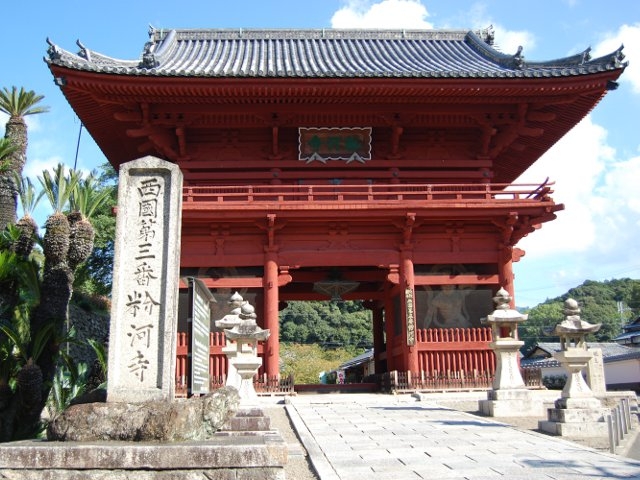

Daimon (National Designated Important Cultural Property)
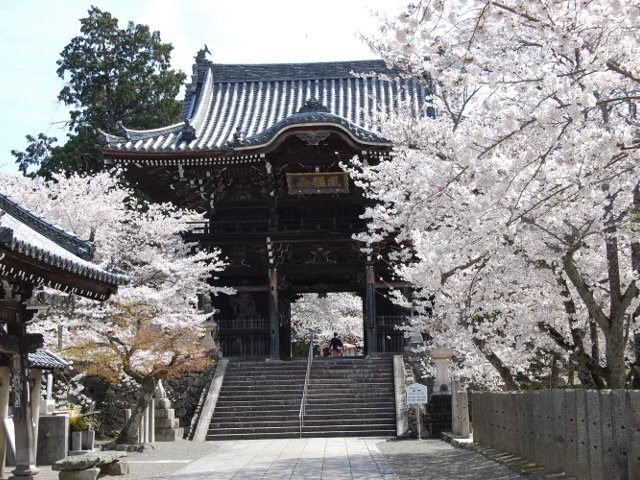

Zhongmen (National Designated Important Cultural Property)

The information provided reflects the details available at the time of the survey.
Please note that facility details may change due to the facility’s circumstances, so please check for the latest information before visiting. This content has been translated using machine translation.

Information provided by: JTB Publishing

This content uses automatic translation services. Automatic translations may not always be accurate.
Please note that the translated content may differ from the original meaning. We ask for your understanding when using this content.
Related Spots

Guanyin Nagata

It is said that the temple was founded during the Heian period; it became a prayer temple for the Kishu family after the main temple of the temple, although most of the precincts were burned to the ground during Hideyoshi's attack on Kishu.

Jintsu Onsen

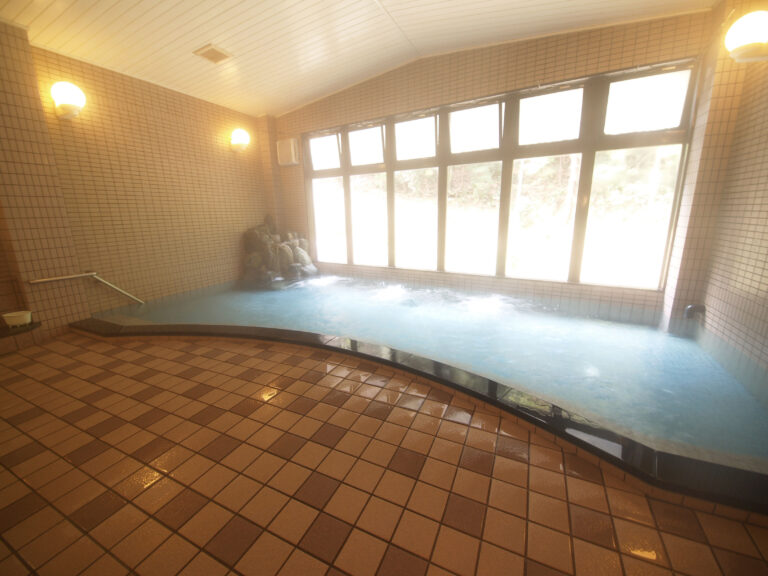
和歌山県紀の川市にある日帰り温泉施設。自噴の湯は潮の満ち引きなどによって、色の濃淡が変化する不思議な泉質。全国でも珍しい浸透性殺菌力があり、美容と健康にすぐれているという。バレルサウナも完備。天然温泉とサウナを楽しめる。

Tokoji Temple

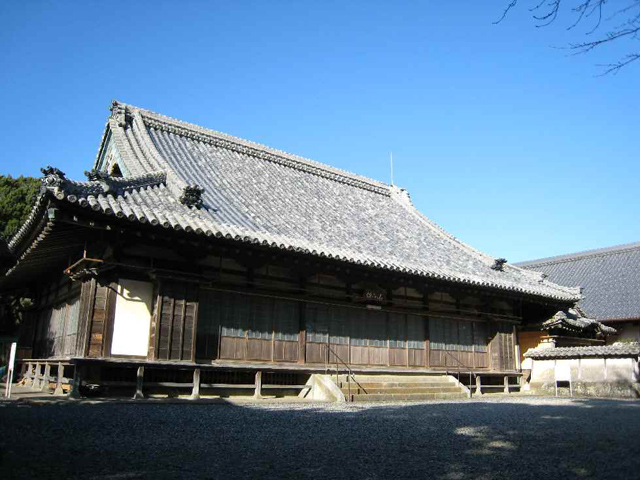
A Tendai sect temple located by the banks of the Yunotani River. The main deity, the seated statue of Yakushi Nyorai, is 3 meters tall and has accumulated hot spring deposits over many years, solidifying into stone. In the past, hot spring water gushed from its left chest, leading to the affectionate name "Yunomune Yakushi," which later evolved into "Yunomine."

Muryouji

A temple of the Rinzai sect, Tofukuji school, founded by the master Kokan. In the 6th year of Tenmei (1786), when the temple was severely damaged by a tsunami, the monk Gukai rebuilt it, and his friend, the painter Maruyama Okyo, painted the sliding door paintings for the main hall as a celebration of the reconstruction, which were delivered to the temple by his disciple Nagasawa Rosetsu. During his stay at this temple, Rosetsu also left behind many fusuma paintings, which is why Muryouji is also called "Rosetsu Temple."

Maruyama Park

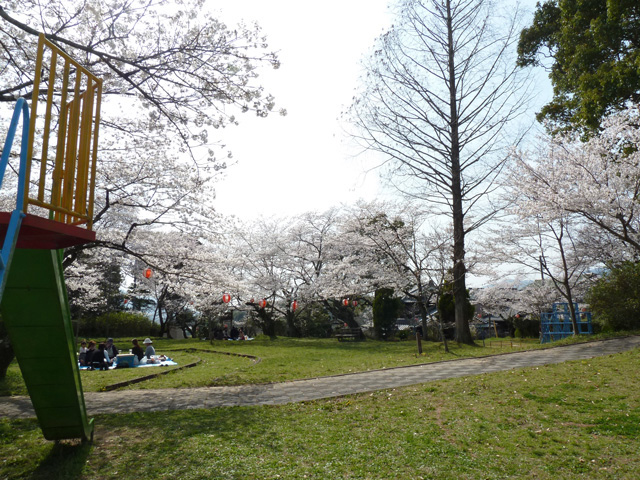
It is located on a hill on the north side of Hashimoto Station, overlooking the city area of Hashimoto. It is also famous as a cherry blossom spot. In addition, the Ryōzan [Misasagiyama] burial mound in the garden is a 45m diameter circle with a 6m wide moat around it, and boasts the largest in Wakayama Prefecture.

Contact Us: Business & Personal Inquiries

By proceeding, you agree to our Terms of Use And confirm you have read our Privacy Policy .

Notes

· We are available for inquiries 24 hours a day. Responses will be provided between 9:00 and 18:00 (including weekends, public holidays, and year-end/New Year holidays).
· Depending on the nature of your inquiry, it may take some time for us to respond.

RURUBU & ALL WAY JAPAN
Privacy Overview

This website uses cookies so that we can provide you with the best user experience possible. Cookie information is stored in your browser and performs functions such as recognising you when you return to our website and helping our team to understand which sections of the website you find most interesting and useful.