Nachi-san Seiganto-ji

Nachi-san Seiganto-ji

Info

JR Kii Katsuura Station → 28 minutes by Kumano Kotsu Bus to Nachi Station via Nachiyama, get off at the bus stop: Shrine and Temple Front Parking Lot, 15 minutes on foot
From Kiseido Susami IC, 100 km via National Route 42, 1 hour and 30 minutes
80 cars / 800 yen

Business Hours

The three-story pagoda is open from 8:30 to 16:00

Price

Free access to the precincts (300 yen admission for the three-story pagoda)

Spot Category

Shrines・Temples・Churches


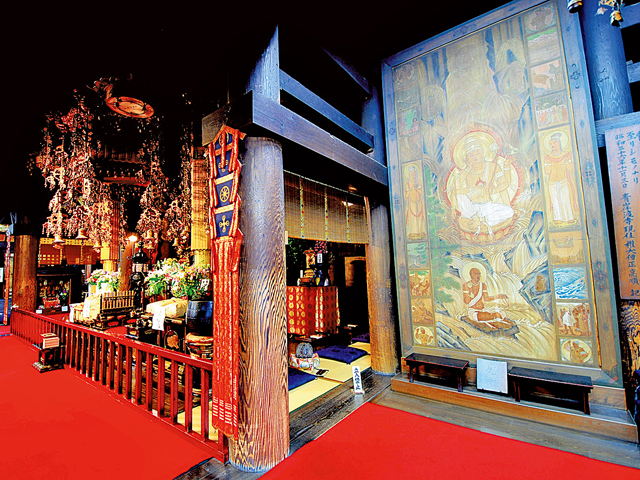
Main hall inner sanctum


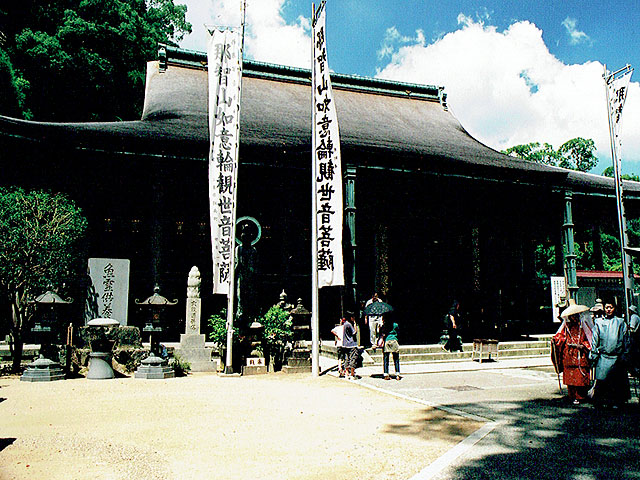
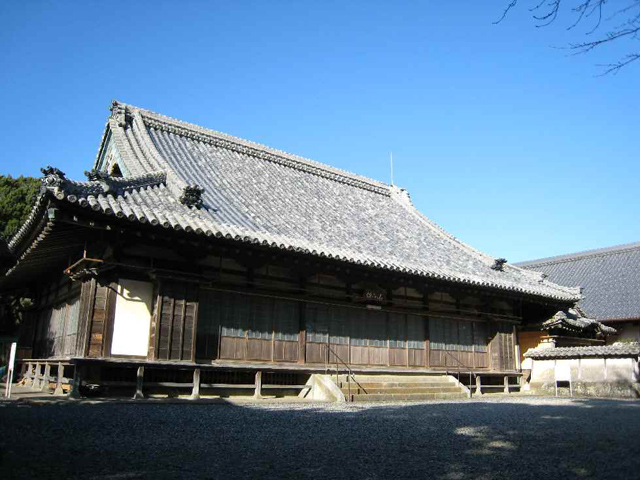
Main hall (Important Cultural Property)
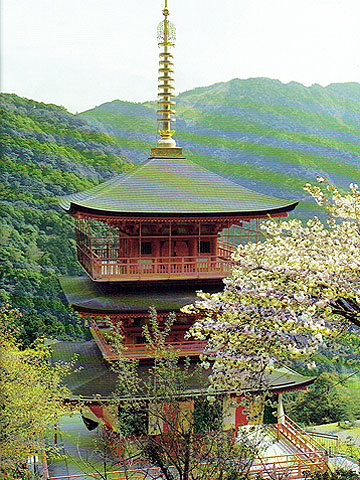

Three-story pagoda and Nachi Falls
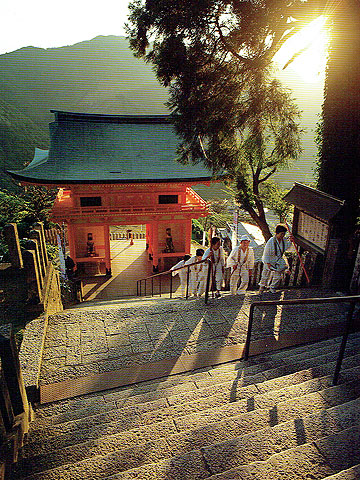

Mountain gate (Nio Gate)

The information provided reflects the details available at the time of the survey.
Please note that facility details may change due to the facility’s circumstances, so please check for the latest information before visiting. This content has been translated using machine translation.

Information provided by: JTB Publishing

This content uses automatic translation services. Automatic translations may not always be accurate.
Please note that the translated content may differ from the original meaning. We ask for your understanding when using this content.
Related Spots

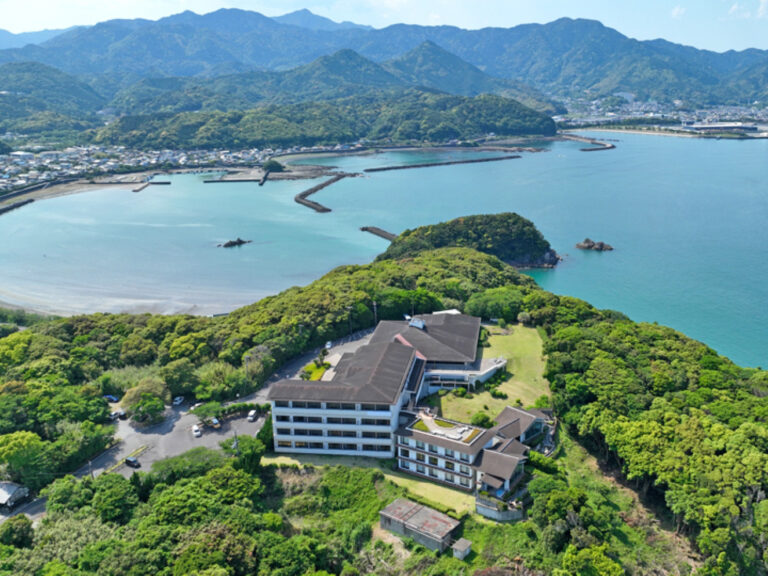
Vacation Village Nanjian Katsuura

A hot spring located in Nachi-Katsuura Town, blessed with a warm climate and hot springs brought by the Kuroshio Current. Day-use bathing is also available. The spacious public bath offers a panoramic view of Kumano-nada and is called "Mezame no Yu" because you can see the sunrise. The vacation village has a rich menu for meals, making it recommended for an overnight stay.

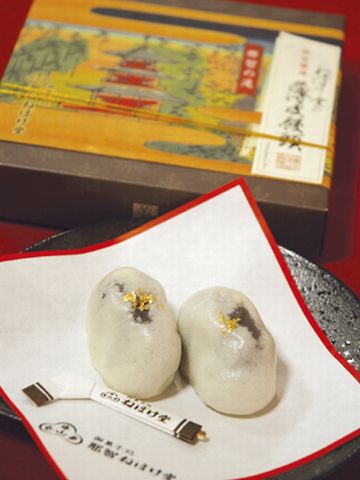
Ganso Kuroame no Sato Nachi Nebokedo

A large souvenir shop located on the right side of the road heading to Nachi Mountain. The spacious interior features a candy manufacturing corner where you can observe the candy-making process through glass. Popular items include various candies made with a secret black candy caramel. Among them, the black candy karinto manju is often sold out due to its popularity. The original black candy soft serve ice cream is also well-received. The shop is named after Ota Shokuzan, a master of kyoka (a form of Japanese poetry) from the Edo period, who loved tea and sweets. Local seafood and pickled plums from the Kumano region are also sold. A restaurant is located at the back left of the shop, where you can enjoy a fresh tuna bowl for 1,350 yen. There is also a reasonably priced udon shop in the annex.

Yamaguchi Kōhōdō

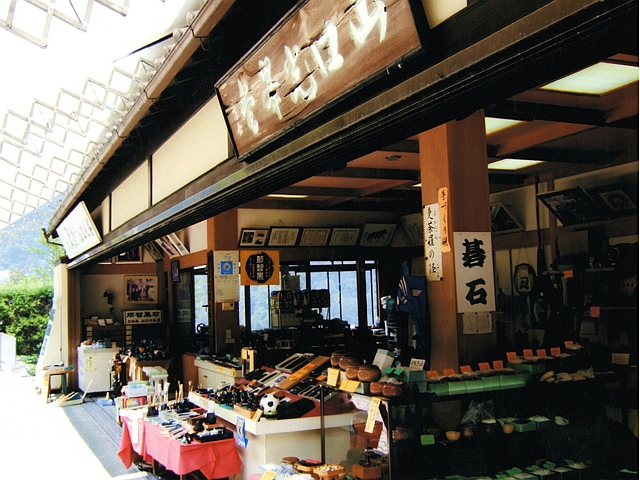
A specialty shop for suzuri (ink stones) located halfway along the approach to Kumano Nachi Taisha. The Nachi black stone produced in the Kumano region has been used for ink stones and go stones since ancient times, and especially ink stones made from Nachi black stone have been highly regarded by calligraphers since the Edo period. Standard ones start from 6,600 yen, handmade ones from 11,000 yen, and custom-made "Mandala no Michi" and "Ishi no Sasayaki" start from 13,200 yen. The weight, color, and luster in your hand truly reflect the elegance of the real thing. Confident in their quality, the shop always recommends trying it out. Other products include go stones, flower vases, paperweights, and sculptures. You can observe the production scene at the storefront, and they will engrave your name or any preferred text on the purchased items.

Tokoji Temple

A Tendai sect temple located by the banks of the Yunotani River. The main deity, the seated statue of Yakushi Nyorai, is 3 meters tall and has accumulated hot spring deposits over many years, solidifying into stone. In the past, hot spring water gushed from its left chest, leading to the affectionate name "Yunomune Yakushi," which later evolved into "Yunomine."

Muryouji

A temple of the Rinzai sect, Tofukuji school, founded by the master Kokan. In the 6th year of Tenmei (1786), when the temple was severely damaged by a tsunami, the monk Gukai rebuilt it, and his friend, the painter Maruyama Okyo, painted the sliding door paintings for the main hall as a celebration of the reconstruction, which were delivered to the temple by his disciple Nagasawa Rosetsu. During his stay at this temple, Rosetsu also left behind many fusuma paintings, which is why Muryouji is also called "Rosetsu Temple."

Maruyama Park

It is located on a hill on the north side of Hashimoto Station, overlooking the city area of Hashimoto. It is also famous as a cherry blossom spot. In addition, the Ryōzan [Misasagiyama] burial mound in the garden is a 45m diameter circle with a 6m wide moat around it, and boasts the largest in Wakayama Prefecture.

Contact Us: Business & Personal Inquiries

By proceeding, you agree to our Terms of Use And confirm you have read our Privacy Policy .

Notes

· We are available for inquiries 24 hours a day. Responses will be provided between 9:00 and 18:00 (including weekends, public holidays, and year-end/New Year holidays).
· Depending on the nature of your inquiry, it may take some time for us to respond.

RURUBU & ALL WAY JAPAN
Privacy Overview

This website uses cookies so that we can provide you with the best user experience possible. Cookie information is stored in your browser and performs functions such as recognising you when you return to our website and helping our team to understand which sections of the website you find most interesting and useful.