Yuinch Hotel Nanjo Natural Hot Springs Sashiki no Monkey Water

Yuinch Hotel Nanjo Natural Hot Springs Sashiki no Monkey Water

Info

Bus stop 3 minutes on foot from Asahibashi Station (Okinawa Urban Monorail): Kamizumi → Take Okinawa Bus No. 39 bound for Hyakuna or No. 41 bound for Tsukishiro no Machi, 1 hour, get off at Nanjō City Hall, 6 minutes on foot. Alternatively, from Naha Airport → 40 minutes by car.
45 minutes from Naha Airport Road Nanfuhara Minami IC via Prefectural Road No. 86
400 units

Business Hours

6:30 to 23:00 (22:30 last reception)

Price

Adults (middle school students and above) 2200 yen, elementary school students 1200 yen, infants (under 6 years old) free *Up to 2 infants free per adult (3rd infant onwards charged as elementary school student), private bath requires confirmation on the official website.

Spot Category

Hot Spring Spots and More


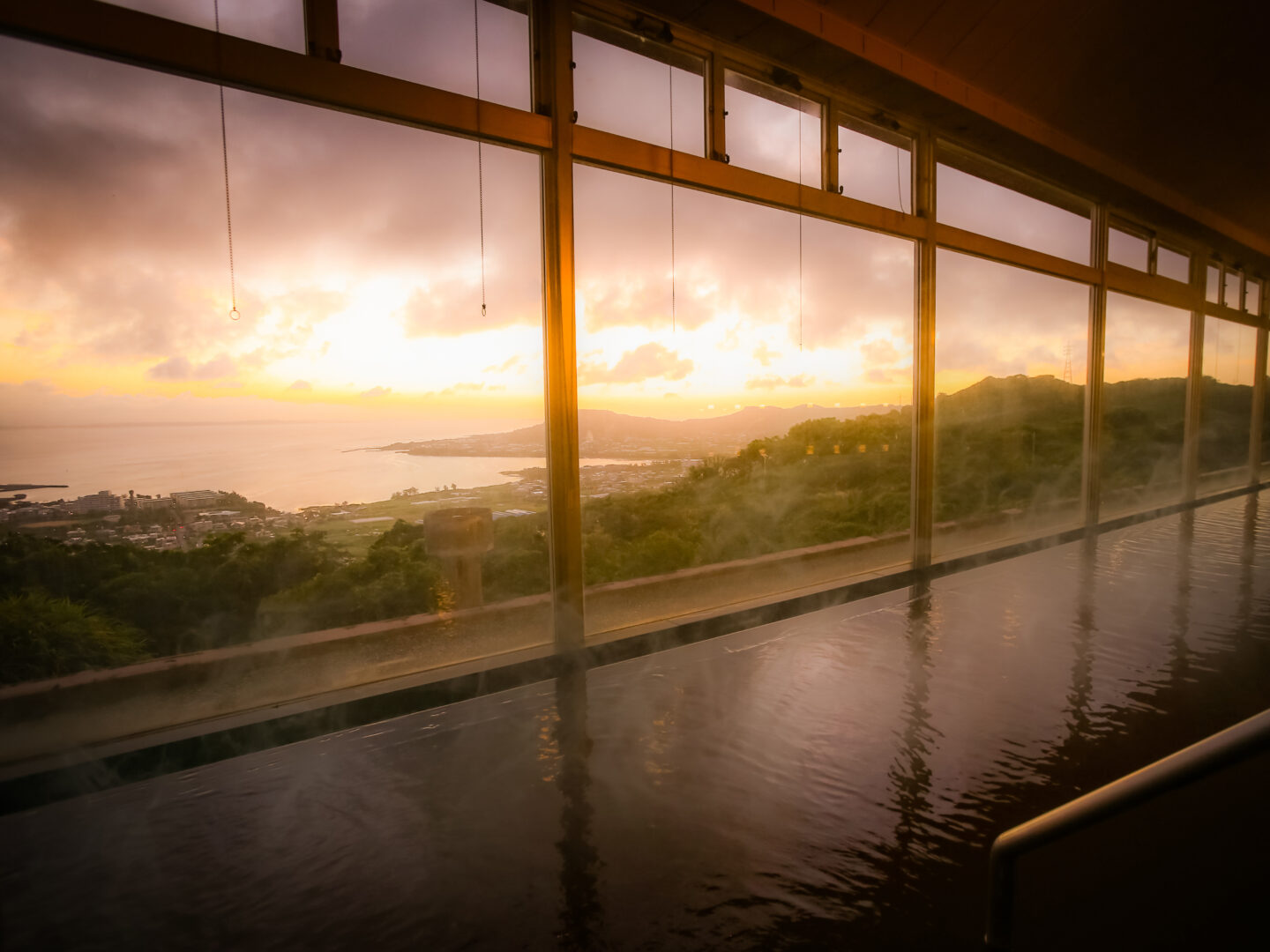
Monkey people's hot water bathroom


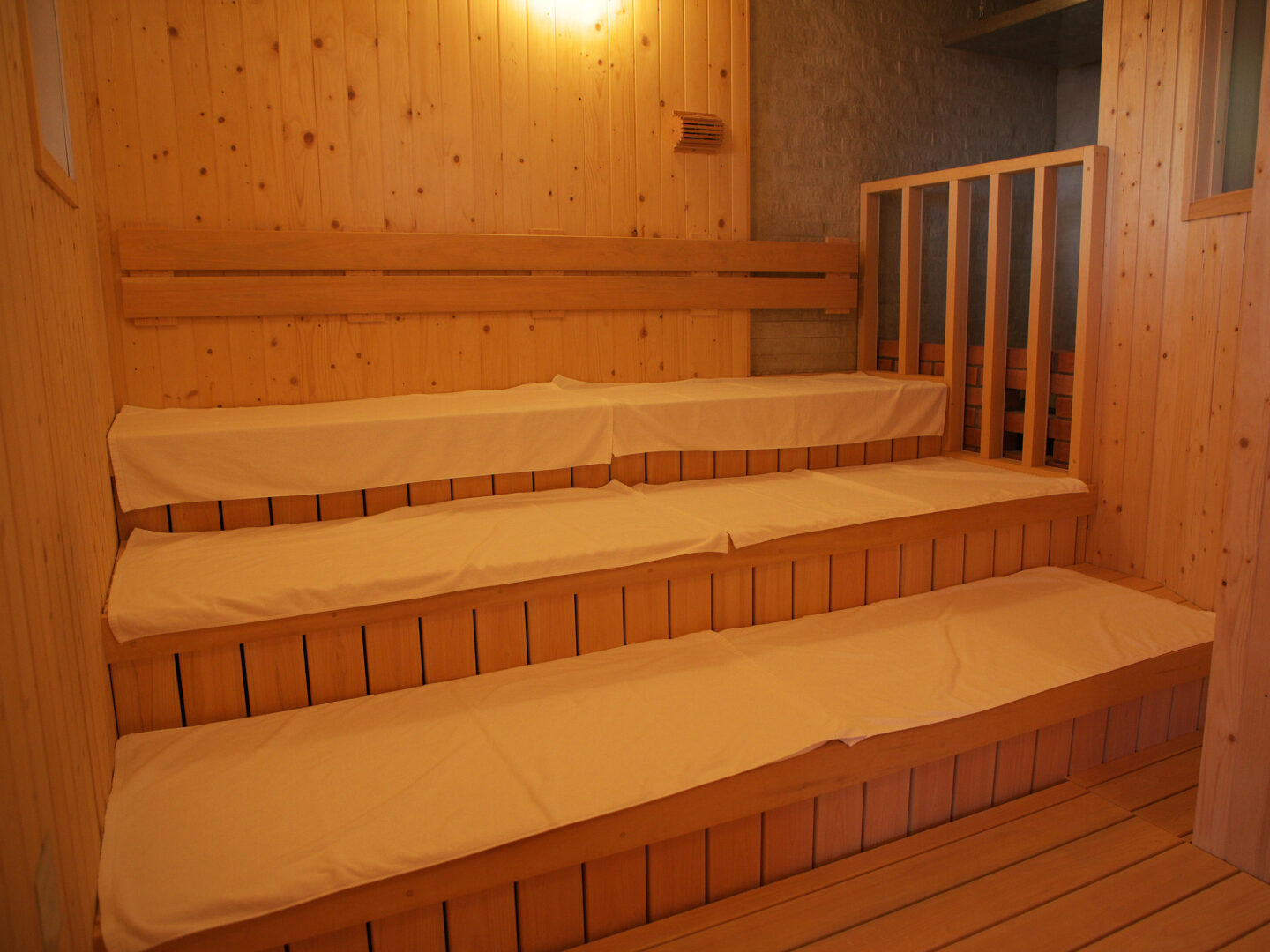
Sauna Room
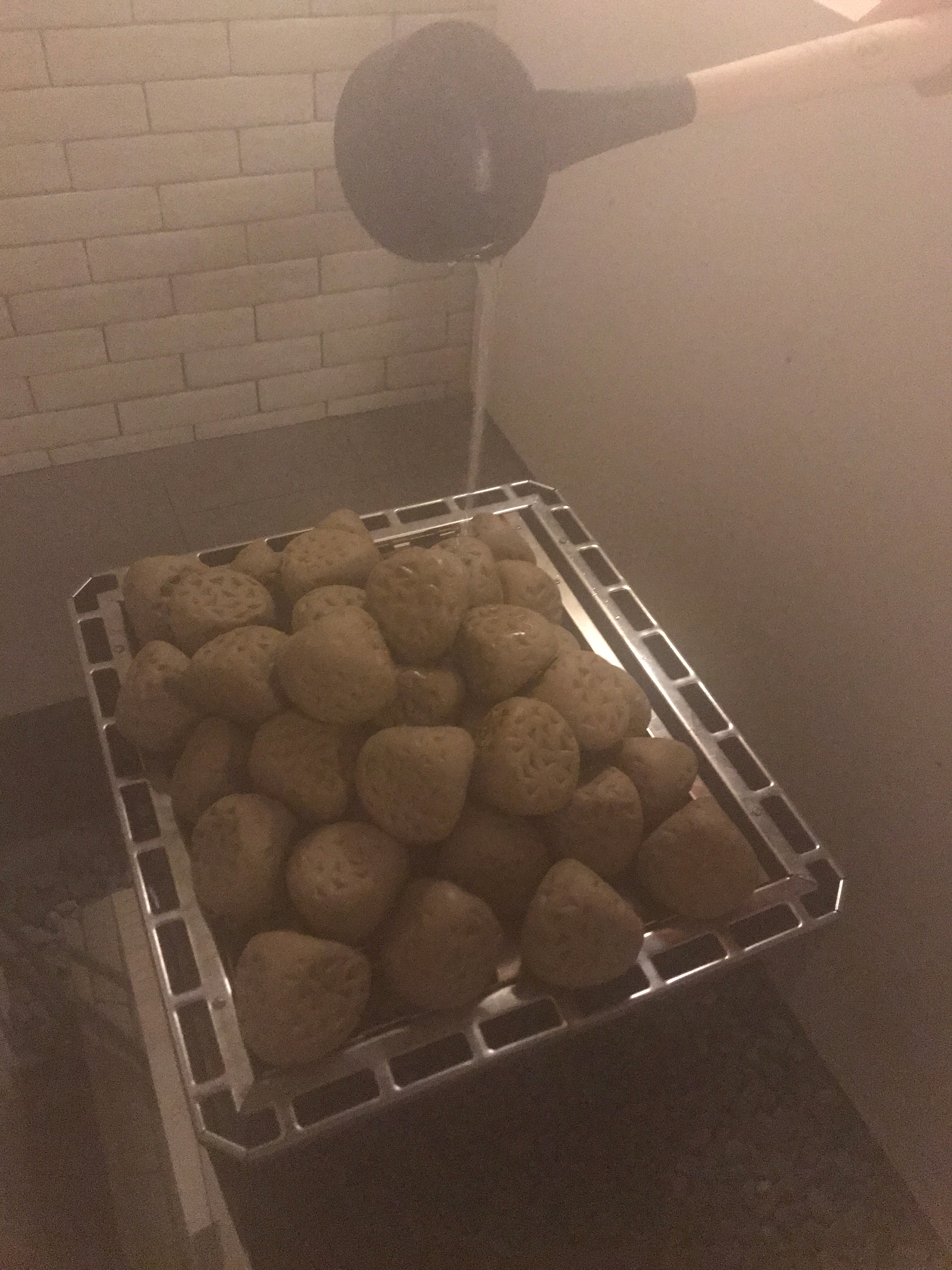

Low-Ryu Sauna
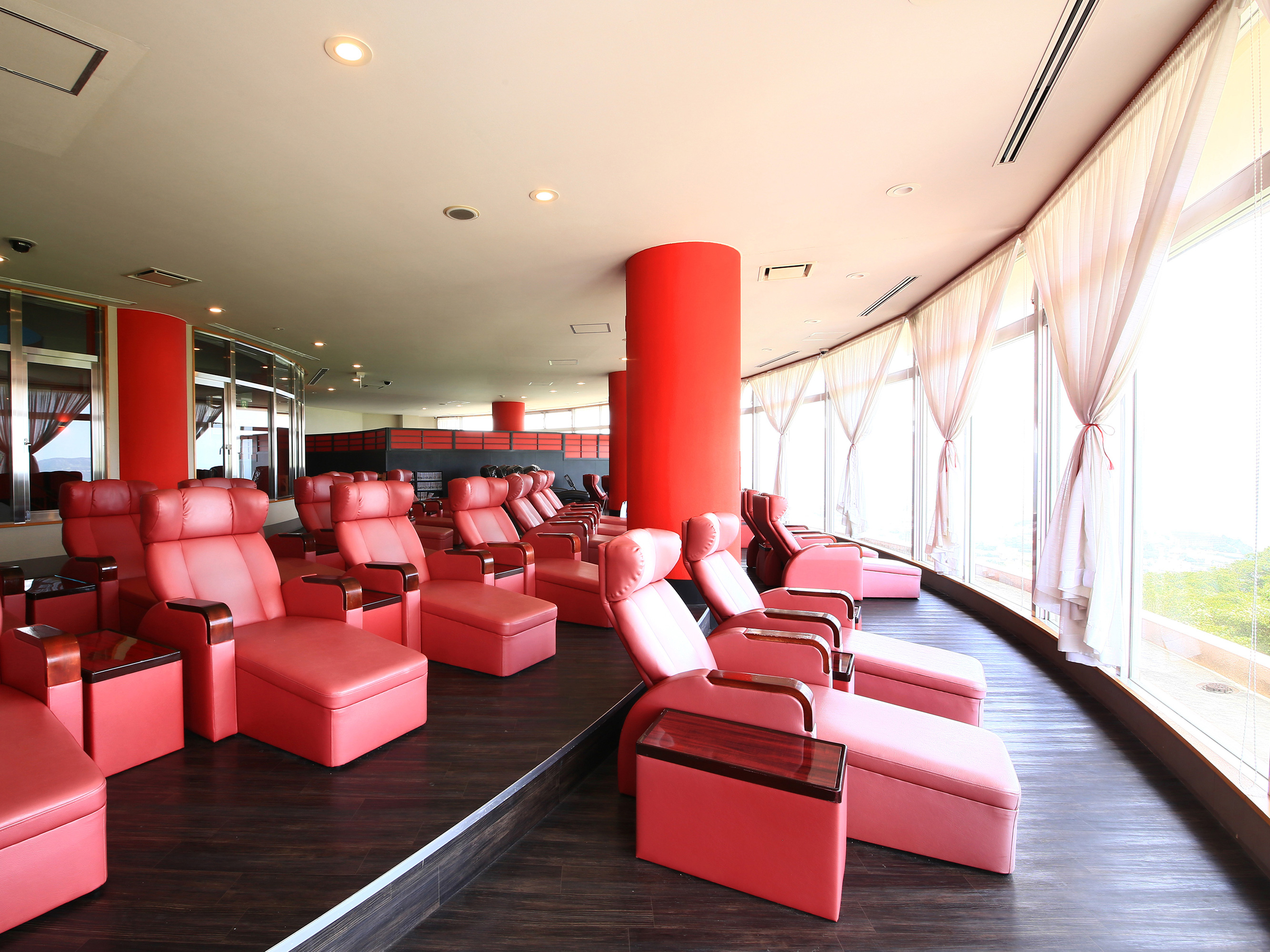

Monkey people's hot water relaxing room

The information provided reflects the details available at the time of the survey.
Please note that facility details may change due to the facility’s circumstances, so please check for the latest information before visiting. This content has been translated using machine translation.

Information provided by: JTB Publishing

This content uses automatic translation services. Automatic translations may not always be accurate.
Please note that the translated content may differ from the original meaning. We ask for your understanding when using this content.
Related Spots

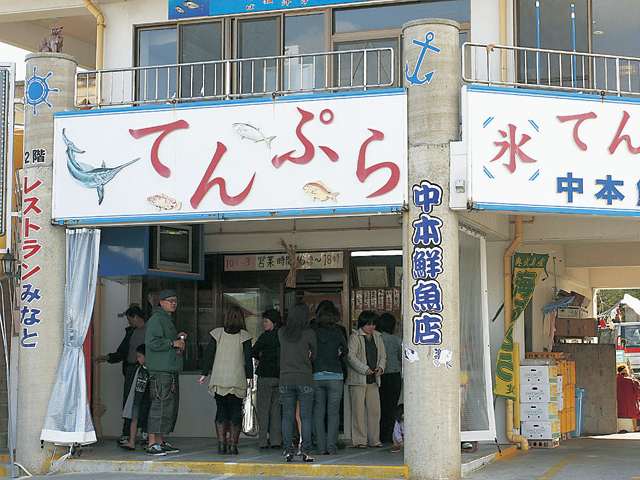
Original Nakamoto Tempura

A super famous tempura shop on the island of Okinawa's southern part, Okujima, known for its sea people. Located right in front of Okujima Fishing Port, it has a simple storefront attached to a fresh fish shop, marked by a large "tempura" sign. Okinawa tempura made with fresh ingredients starts at 100 yen per piece, often served hot and fresh. The standard ingredients include fish, squid, mozuku, and vegetable tempura, with the recommendation being seasonal fish tempura made from freshly caught fish that varies by season. The firm and fluffy texture is exceptional. Around March, a limited edition seaweed called Aosa appears.

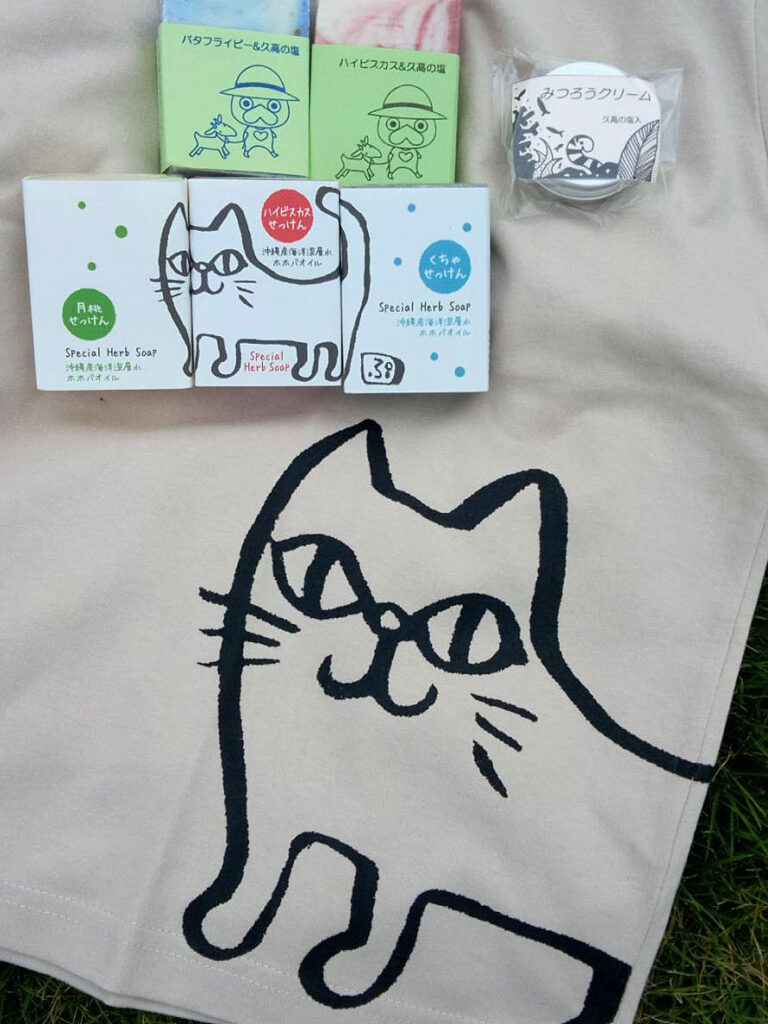
Pura

A shop for natural goods. In addition to shawls dyed with Fukugi and mangrove, the original design indigo-dyed pants and dresses naturally soothe the wearer's heart. There is also a rich variety of handmade original products, such as herb soap made with "Kudaka salt" and beeswax cream. The Nanjo City guide service is available in the morning, and you can enjoy fresh herbal tea at the café corner.

Toboshiya

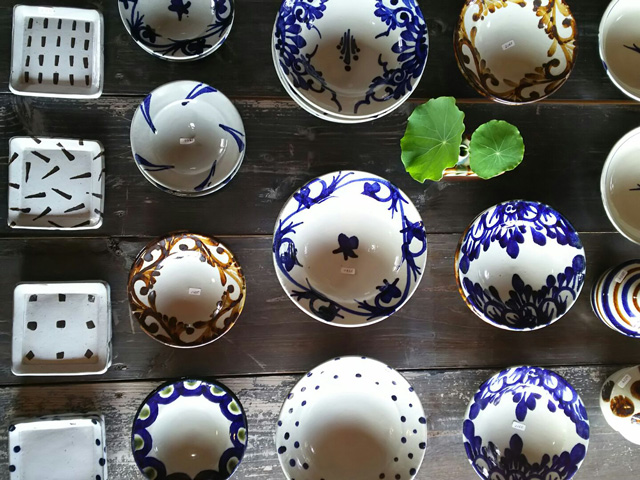
In addition to flowers and sake ware, there are plenty of daily dishes for everyday use. The polka dot pattern, painted in a classic technique called "dotting", makes a difference in each of the patterns with its own concoction glaze. The modern design is pretty.

Tachin rock

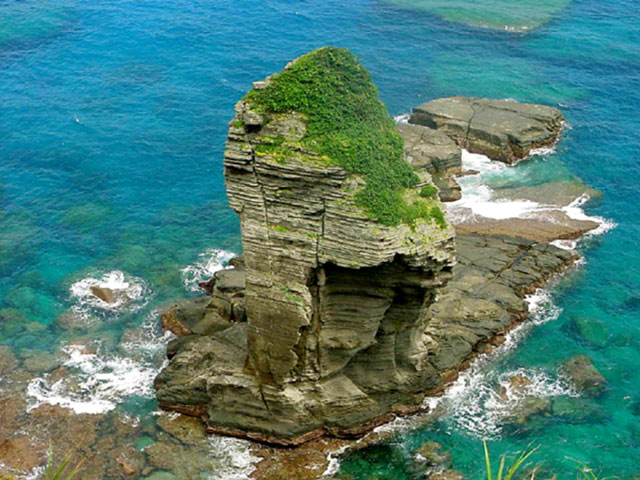
Among the islands of Yonaguni, which are surrounded by sheer cliffs, the east-south is the area with the most severe and masculine landscapes. It is dotted with strange rocks that have been created over time due to the rough open sea. Close to Higashizaki, there is the Sannine stand, which shows the fault, which is divided into several layers, as a rock face. From the observation deck, the warship rock, which looks like a warship as its name suggests, is still washed by the waves. About a five-minute walk from Saint-Ninudai, there is a standing rock with a legend that a young man who could no longer descend from the top of the rock was helped by God.

Roaring Falls

A waterfall with a height of about 20m appears when you drive about 5 minutes into the mountains from the National Highway No. 58 Ikuta intersection.

Nakamura Family House

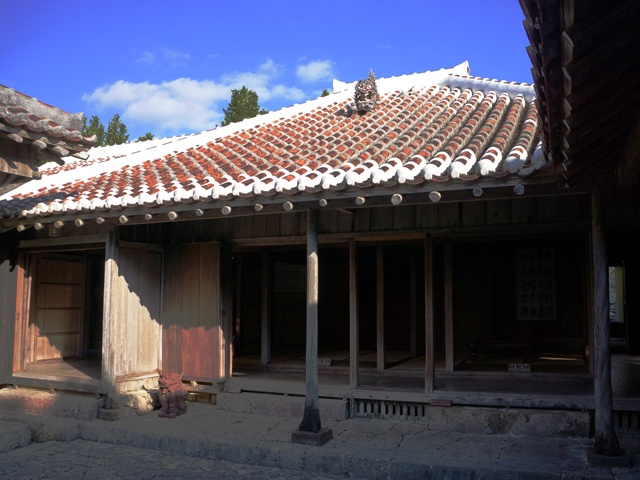
It is a royal farm house built about 280 years ago, and has been spared the war disaster of the Okinawa War to completely leave the private house structure of the Ryukyu Dynasty period. Since he was a local head of state around the year of Kyoho 10 (1720), he also has a stately status as a form of a shabby house. Other features include kitchens with low roofs to use the attic called tungwa for storage, and pig huts called fools. The influence of medieval Japanese houses and Chinese architecture can be seen everywhere, telling the life of a wealthy farmer in the Ryukyu period.

Contact Us: Business & Personal Inquiries

By proceeding, you agree to our Terms of Use And confirm you have read our Privacy Policy .

Notes

· We are available for inquiries 24 hours a day. Responses will be provided between 9:00 and 18:00 (including weekends, public holidays, and year-end/New Year holidays).
· Depending on the nature of your inquiry, it may take some time for us to respond.

RURUBU & ALL WAY JAPAN
Privacy Overview

This website uses cookies so that we can provide you with the best user experience possible. Cookie information is stored in your browser and performs functions such as recognising you when you return to our website and helping our team to understand which sections of the website you find most interesting and useful.