Archives: Travel Post

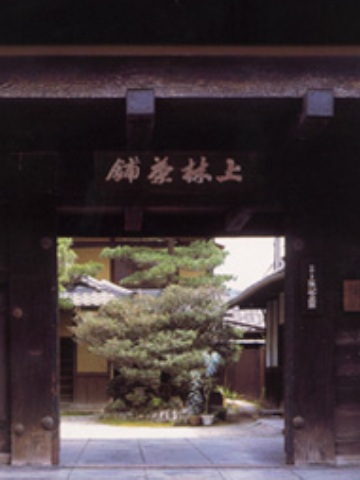
Uji/Kambayashi Memorial Hall

During the Edo period, a museum on tea opened by the Jōbayashi Harumatsu family, a long-established Uji tea family who served as a royal tea master for the shogunate and the Imperial Court. A variety of tea tools, including the tea pot used in the Chōnō-jū-jō road, as well as letters written by Toyotomi Hideyoshi and Furuta Obu to the Kambayashi family, are on display. You can catch a glimpse of the history of Uji tea, which boasts the fame of Tenka Daiichi.
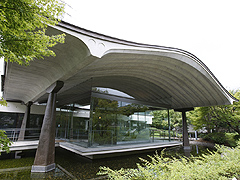
Byodo-in Museum Fengxiangkan

A museum located within the Byodo-in Temple, which houses and publishes national treasures such as the phoenix, the Brahma bell, and the Yunchung Bodhisattva statue.

Uji City Tale Museum

"Uji Jucho", the last jyocho in the "Tale of Genji". A museum with the theme of "The Tale of Genji" and the Heian period, built in Uji, its setting. In addition to the three-dimensional reproduction of the gorgeous world of the story by the restoration exhibition of full-size cattle carts, costumes, furnishings, and the restoration model of Rokujo-in, the residence of the light source, there is also the introduction of hands-on exhibits and multilingual correspondence that can only be done here. In addition to the original films "Ukifune" and "Hashihime" with different productions based on the theme of "Uji Jucho", the new anime "GENJI FANTASY Neko fell in love with Mr. Light Source" was screened.

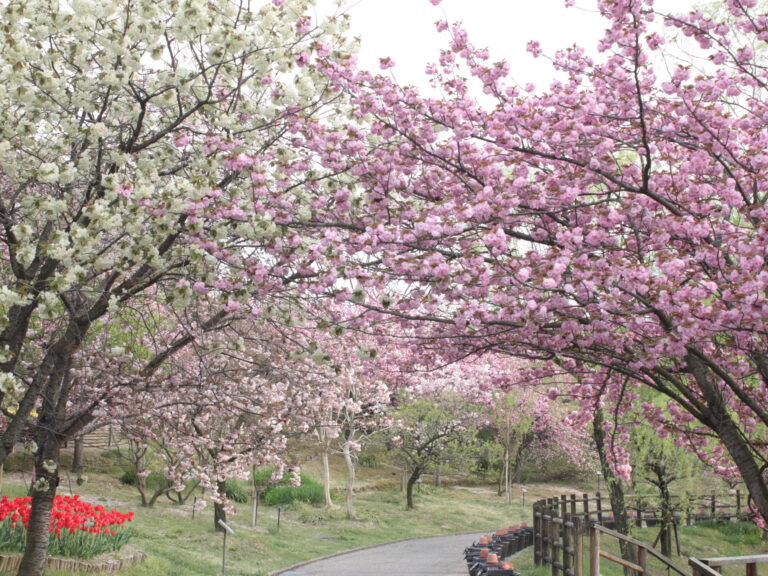
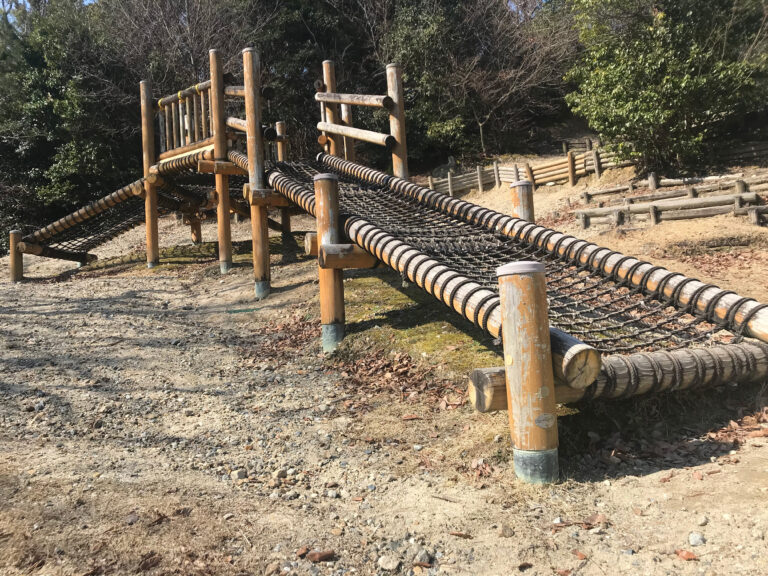
Uji City Plant Park

The best green plant park in Uji city. About 1500 species of plants can be seen in a 10ha garden that makes use of its undulations. In the greenhouse, you can enjoy tropical and subtropical plants throughout the year. The field is full of highlights, including a flower garden, a herb-useful botanical garden and a small diameter of roses.

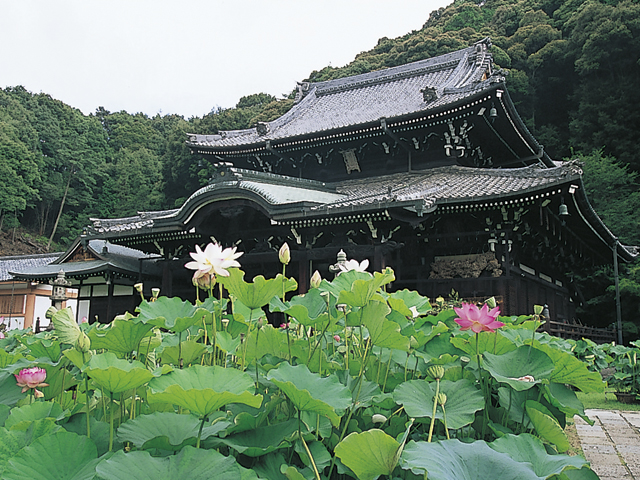
Sanmuro Toji Temple

It is located at the foot of the Mingxing Mountain. It is said to be the founder of the Nara period, and it celebrates the Senju Kannon, which has a legend that it emerged from the back mountains. A large garden of 5,000 tsubo, consisting of Karesansui, a pond spring and a wide garden, is also stunning, which will be colored with 20,000 azaleas in May and 10,000 hydrangeas in June. The lotus of July-August, autumn leaves are also beautiful.

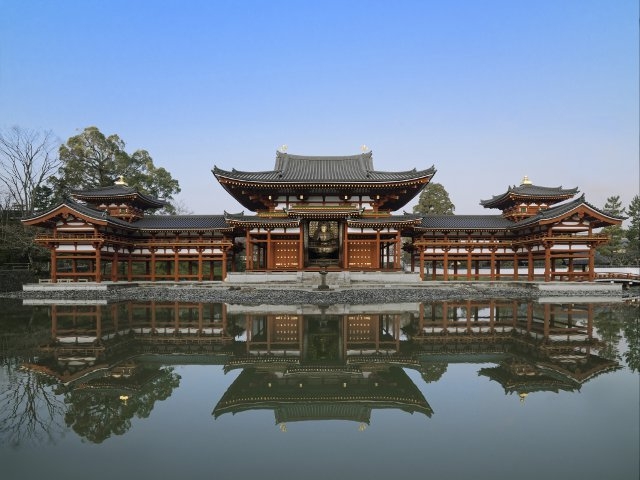
Fenghuang-do (Amida-do)

The Hou-dou of Byodo-in is officially called Amida-dou, but it has come to be called so because the phoenix on the roof, and the architecture, with both wings and tail extended, also seems to have spread its wings by birds. The inside of the temple is also gorgeous, and the Buddha statues and murals are all national treasures. The main temple, Amitabha, is said to be the finest masterpiece of the Buddhist priest, Jyocho, and a canopy with elaborate decorations is also a must.

Byodo-in

It began in the late Heian period, in the year of Eijō 7 (1052), when Kanshiro Fujiwara Yoridori changed his father's villa to a temple. The Hou-dou (national treasure), which is shaped in the form of the paradise pure land dreamed up by the Heian nobility, is also carved in a ten-yen ball, and its graceful figure is all too famous. At first, it boasted a vast fairy tale, but was mostly destroyed by the war. Only Fenghuang-do remains today. In addition, the Fengshōkan displays the national treasure of the Brahma bell and the phoenix on the roof. Twenty-six bodies, half of them, are also on display at the Yunchu Yoyang Bodhisattva, which plays musical instruments on the cloud that adorned the inner wall of Fenghuang-do.

Xu Hata Shrine

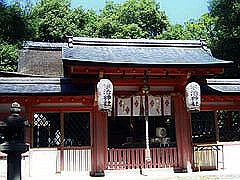
The religion of horse racing fans is also strong as "horse god" because of the Heian period (important cultural property) and two statues of men and women (Ma-tou Tenno and Benga-ten) in the shrine treasure. On the eve of the Mishin War in the first year of Hongwen (672), Prince Dae Kaijin inserted a willow branch into the head of this company to pray for victory. He is also the god who bestows the best luck of giving him the first name of "Yanagi Daimyojin" after he became the emperor. The main shrine (important cultural property) is Sanmasha Ryōjō. It is also interesting that the architecture of the Muromachi period, with a horse and a willow carved on the toad of the kōkai.

Uji Shrine

Uji Shrine, which celebrates Udo Wakiroko's life. A shrine dedicated to the Emperor Ojin was built in the precinct as a seisha, which became the Ujigami Shrine during the Meiji period. A nearly life-size sitting statue of Juroko Udo (Important Cultural Property) is feated in the main shrine (Important Cultural Property) of the early Kamakura period.

Contact Us: Business & Personal Inquiries

By proceeding, you agree to our Terms of Use And confirm you have read our Privacy Policy .

Notes

· We are available for inquiries 24 hours a day. Responses will be provided between 9:00 and 18:00 (including weekends, public holidays, and year-end/New Year holidays).
· Depending on the nature of your inquiry, it may take some time for us to respond.

RURUBU & ALL WAY JAPAN
Privacy Overview

This website uses cookies so that we can provide you with the best user experience possible. Cookie information is stored in your browser and performs functions such as recognising you when you return to our website and helping our team to understand which sections of the website you find most interesting and useful.