 English
  Japanese
  Chinese (China)
  Chinese (Taiwan)
  Korean
 Hino Dahlia Garden of Flowers
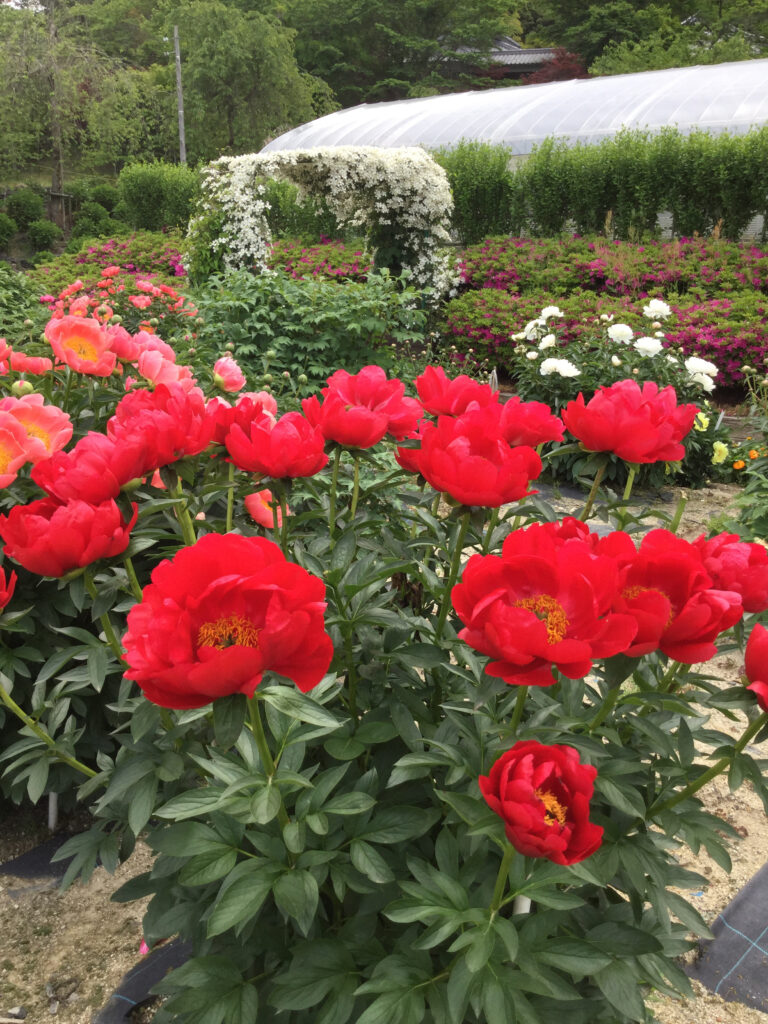
12 thousand dahlias in 12 thousand square meters, 120 kinds; peony, peony, clematis, wisteria, etc. bloom in May-June; and peony, new varieties such as yellow, bloom.

12 thousand dahlias in 12 thousand square meters, 120 kinds; peony, peony, clematis, wisteria, etc. bloom in May-June; and peony, new varieties such as yellow, bloom.

Architecture in 1930 (Showa 5). The school was closed in 2001, but became a model of a high school that appeared in the anime "I Want to Love You in the Middle Two Sick", and has become a shooting place for many dramas and movies. You can tour only on Saturday, Sunday and public holidays.
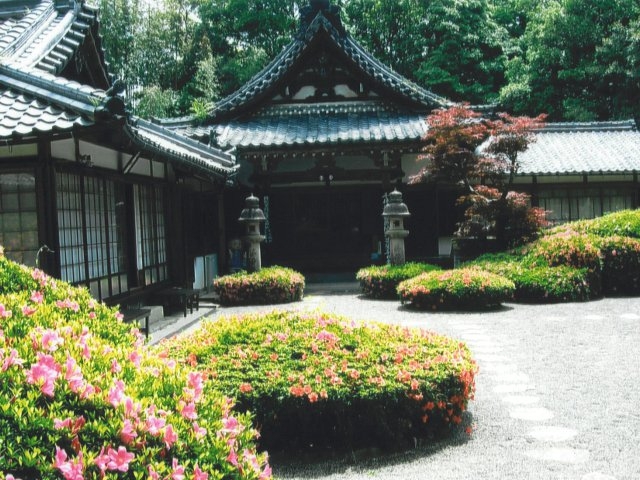
A temple of the Jodo sect erected as a temple of the shrine, which was located on the summit of Mount Hodongake. Only because of the name of "Satsuki-ji", around 1000 strains of stunning satsuki compete in the precinct during the flower season from early to mid-June. Especially the large Satsuki, which is 380 years old, is a spectacular one with a height of over 2m. The temple is a place where people gather, there are laughter, tears, and there are encounters, and you can hear the story, the story, and from time to time.
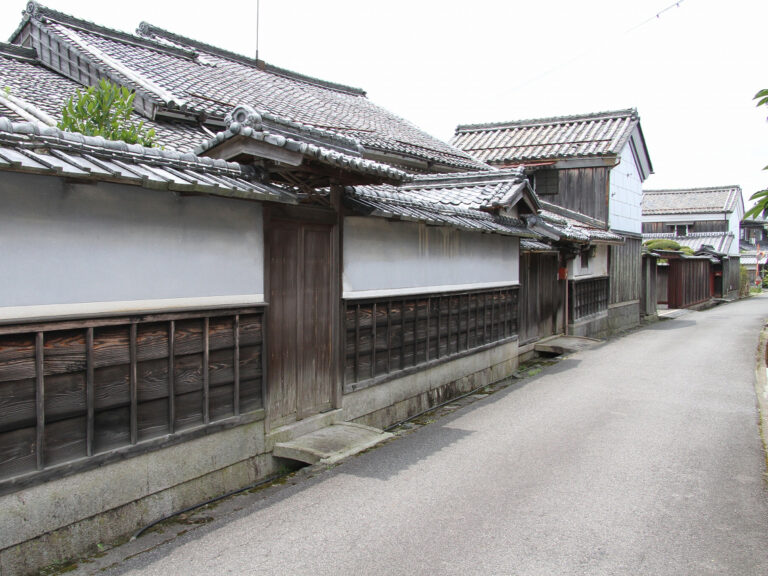
Hino is a town of Hino merchants who flourished in ancient times with the Omihachiman and Gotanso merchants since the Edo period. The mansions of former Australian merchants are still preserved today. The remnants of the time remain around Okamoto-cho, which continues west of Ookubo, the central city, Shimizu-cho to the south, and Shinmachi to the east. Enjoy a nostalgic walk. A drug named Sensitive Maru, born by Hino, contributed greatly to the peddling of Hino merchants, and Hino was also known as a city of medicine. Even now, old merchant houses remain in the townscape, such as the former Shono Pharmaceutical Store, which has a sign that reads "Chōyō Sensei Maru", and a calm feeling is in the air.
At an altitude of 300 to 400m, there is a large number of red pine valleys, about 40,000 square meters of hongakunage. Shakunage is an alpine plant, which is usually native to a height of 800 to 1000m, but it is very unusual to be found here in a lowland, and because it grows in clusters, it is designated as a natural monument of the country in 1931. During the flowering period of late April to early May, it is crowded with many people who watch the honkunage.
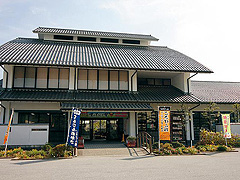
It is an essential facility for Gotonso sightseeing. First of all, let's visit here and work out a plan to walk through Gotonso. There are also goods stores such as Libeokaki 300 yen and sesame senbei 350 yen, as well as goods from the city of Higashi-Omi.
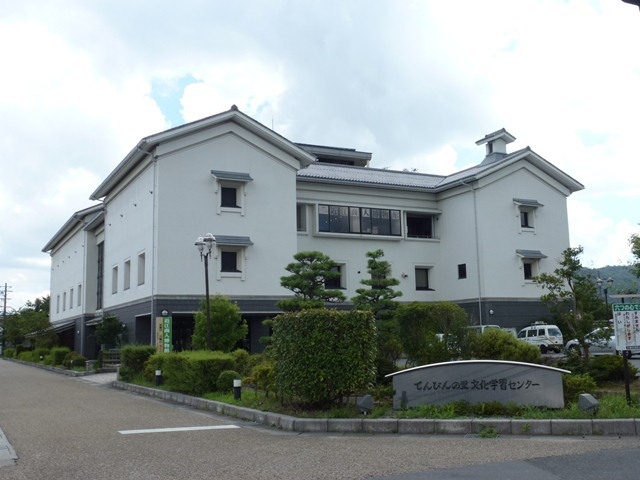
Omi merchant who hawked around the country with a body stick over his shoulder. The city of Higashi-Omi produced many Omi merchants during the Edo period. The museum will introduce the commercial law, education, school training, and art of the Omi merchant using images and models. In addition, there is also a corner where you can experience the weight of a pedestrian trip, a shop, and a body stick, a thousand boxes, and a back-to-back furoshiki. The Nakaji Merido Memorial Hall displays works by Japanese painter Nakaji Merito, who has been painting the original landscape of the lake country for the rest of his life.
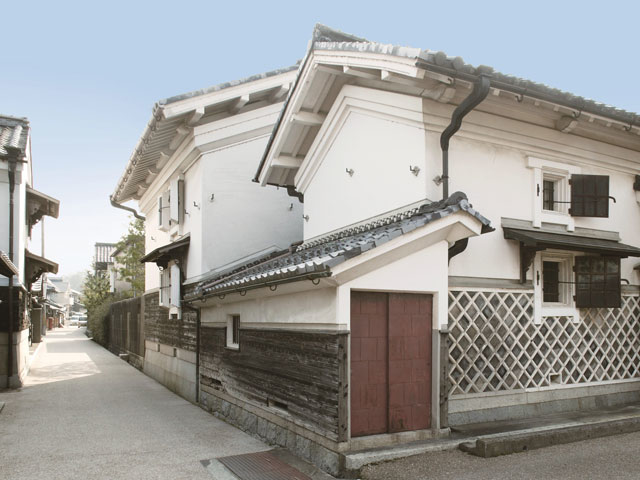
It was the birthplace of the Omi merchants and a town that flourished as a base for the Gotanso merchants who were active in the Middle Ages. The four surviving Omi merchant houses are open to the public, and the town of the Kindo district, where many of the walls of the wooden board and white walls remain, is a valuable one that has been selected as a national important traditional buildings preservation area and is also certified as a Japanese heritage site.
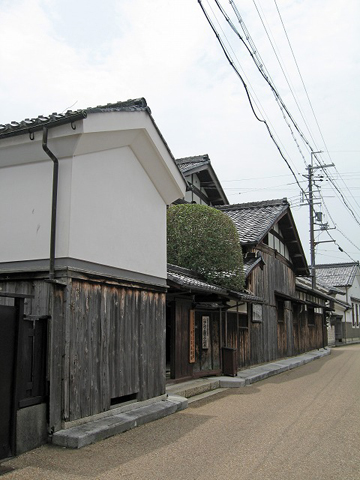
During the early Showa era, the main house of the Sannakai clan, who operated more than 20 department stores in places such as the Korean Peninsula and the Chinese continent, was credited as the "department store king". There is a two-story wooden main house, a storehouse and a garden on a site of about 1000 square meters. The storehouse displays Obata dolls and clay figures from all over the country.
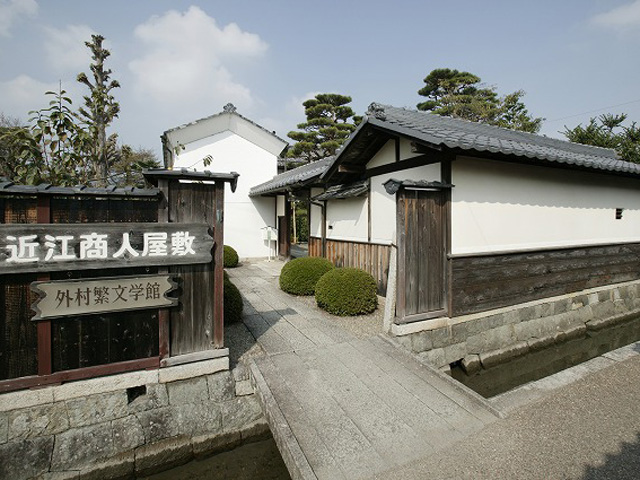
In addition to publishing a novel on the theme of the Omi merchant, "Kusa Raft" was selected as the first Akutagawa Prize candidate in 1935 (Showa 10), as well as being the recipient of the Ikeya Prize and the Noma Literary Prize, the birthplace of Shigeru Tomura. His father, Yoshitarō, was a native Omi merchant, and he was active by opening a kofukki komonie shop at Nihonbashi and Takada Baba in Tokyo, Japan. The mother house and the storehouse where the family lived remain. There is also an accompanying display of the Tochimura Shigeru Literature Museum, which displays the autograph manuscripts and correspondence by Shigeru Tochimura.