Archives: Travel Post

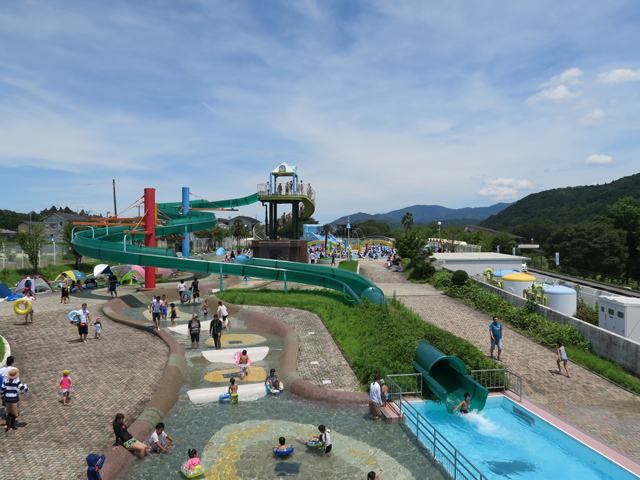
Palace River Park Sei Pool Mirror

Ozone purification system is adopted, so ozone can be used to quickly remove bacteria and keep clean water quality with high transparency. Leisure pools are rich in types such as sliders and running water and can be enjoyed throughout the day. The water slider has a total length of 73m.
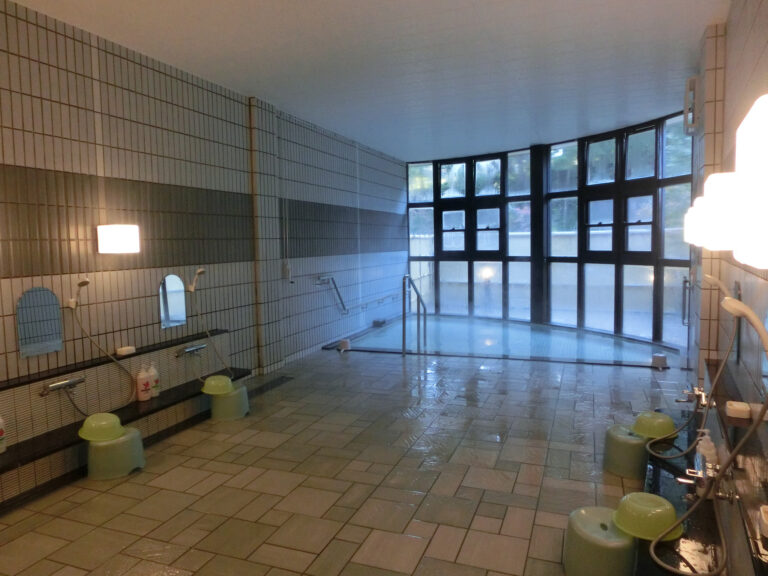
Aspia Tamaki Fureai no-kan (Tamaki Kobo Onsen)

Aspia Tamaki is popular as a good quality sanatorium spring. There is Tamaki Kobo Onsen and local farmers selling agricultural products made with great help, as well as selling specialty Tamaki pork, as well as hometown taste studio Agri, which has experience classes in making ham and sausage. In addition, you can enjoy the nature of the four seasons such as walking courses.

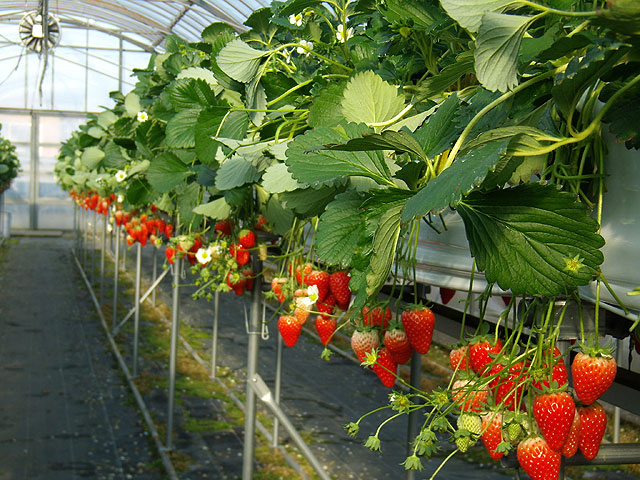
Tamaki Fureai Farm

A tourist plantation with 30 houses, just a short distance from Tamaki IC. Strawberries, which are particular about low pesticide cultivation, are characterized by a rich taste and strong sweetness. Strawberry picking, which begins in late February, is one of the few in Mie Prefecture, which is why the system of "unlimited time and all you can eat" is popular. At lunch, you can spread your lunch at the lawn square or rest space, or play athletic. Strawberry hunting is from late February to early May. Direct sales (strawberry, shiitake, strawberry jam) are from December to early May.

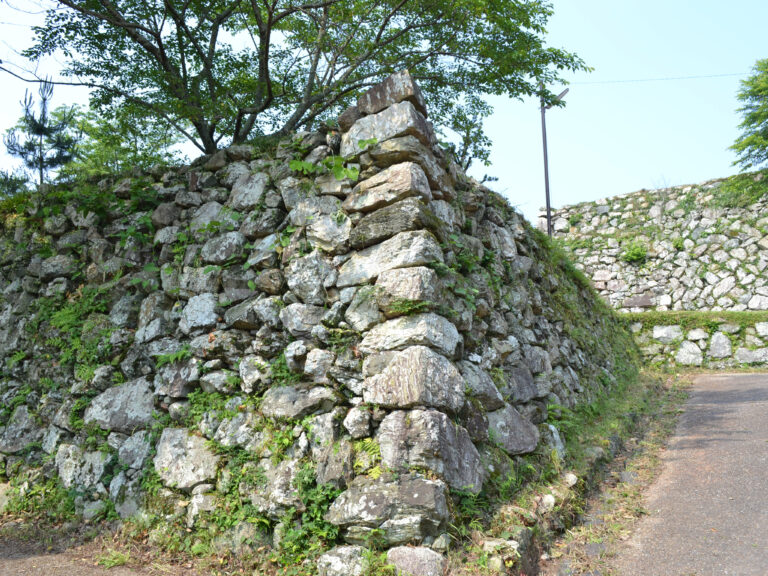
Tamaru Castle Site

It began in the first year of Yanyanyuan (1336) during the period of the North-South Dynasties, when Kitahata Seibo on the South-South side built up for his battle with the Ashikaga clan. Since then, it has played a valuable role as a military base in Ise country until the Middle Ages, and during the Edo period, a castle town developed around it. However, in Meiji 2 (1869), he was ordered to return by the Kishu Domain prior to the reversion of the printing family, and the castle was abandoned. In addition to the now relocated Fujimimimimen, the stone walls where the Honmaru, Kitanomaru and Ninomaru were located remain, telling the story of what it was like.

Kōya Kanzetsu-do

A Japanese-style confectionery shop with a shop on the approach from Ise-shi Station to the front of the Sai-gai Shrine. He also offers dried and Western sweets, but his popularity is fruit Daifuku with fruits such as cuy and pineapple. Chestnut chocolate Daifuku, which uses national chestnuts, and strawberry Daifuku, which is an exquisite collaboration between white paste with gentle sweetness and sour strawberries wrapped in soft fertilizer, are seasonal only. There are sweets that are good for souvenirs visiting the shrine, so let's stop by.

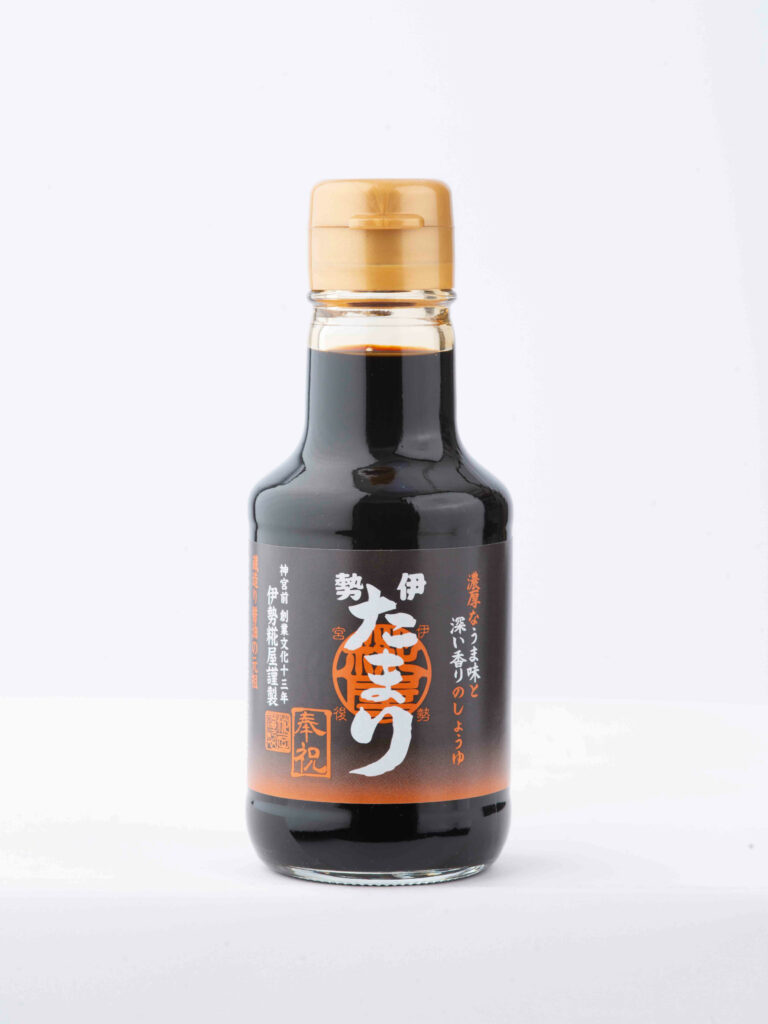
Kojiya

It is a brewing source of Ise's unique deep-mouthed soy sauce, Ise Tamari and Ise red miso, and was established in the 13-year-old Edo culture. It continues to adhere to the formula since its inception and is familiar as a taste of the feature. In addition, from the newly built factory, new products that fit the times based on the taste of tradition are born one after another. Among them, koji purin, which uses soy sauce and koji, has been well received.

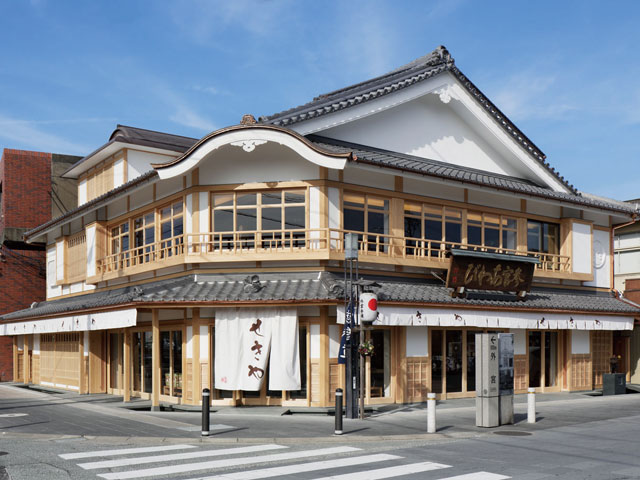
Ise Sekiya Main Store

Sanyo Abi is made by using a selection of abalone abalone with plenty of sauce from Ichiko Souden, and is made plump and soft with its own puff-boiled method. In addition, based on the carefully selected sea and mountain fortunes unique to Ise, there are a number of specialties that use plenty of traditional sauce and sauce. In addition, the teahouse on the second floor is similar to a ritual since ancient times, and a variety of cooked rice is prepared at lunch. You can eat a sacred and healthy meal with a selection of sea and mountain food.

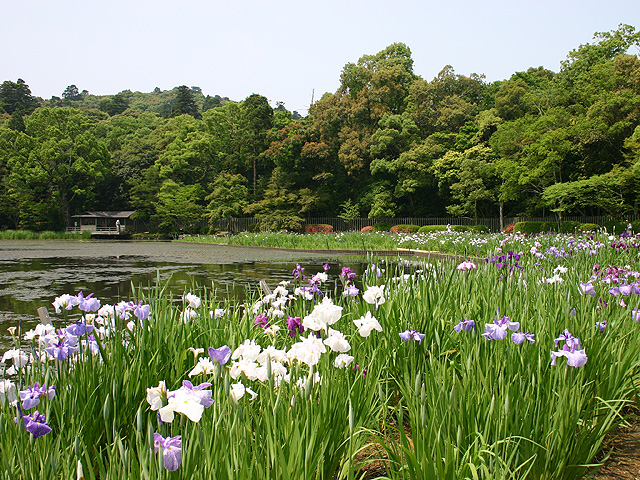
Jade Pond

A magatama-shaped pond in the Outer Palace Shrine, which is colored with irises in June, and a flock of wild ducks rest on their wings in the winter; and a viewing moon party is also held on the votive stage during the mid-autumn month.

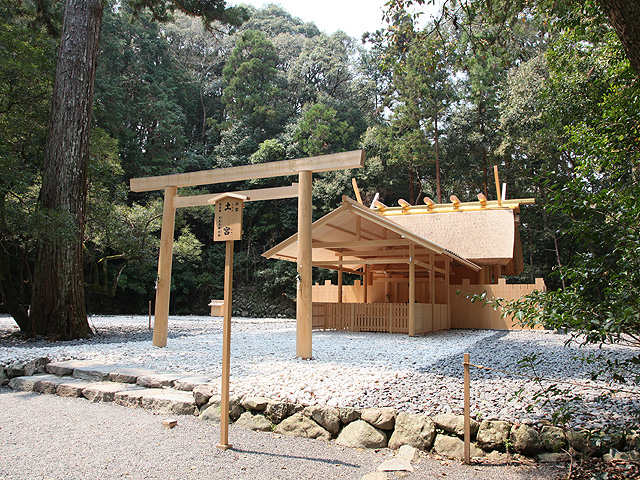
Tsuchiya

It is located on the right hand side of the Kameishi crossing over the Oike; it enshrines the Ootsuno-no-sōjin [Otsuchi-no-Miyano-no-kami], the landowner's god of the Sōgū area; and is also known as the god of the embankment, which prevents the inundation of the Miyagawa.

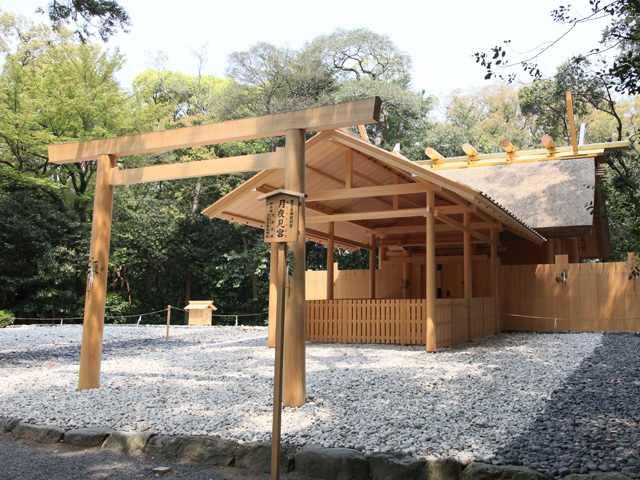
Moonlight Palace

The Annex of the Outer Palace, which enshrines Tsukiyo-no-Mikoto and his Ara-soul in a wide precinct surrounded by a moat. The precinct is surrounded by hedges, and a moat is surrounded on the inside. The old tree of Kusunoki rises in front of the main shrine, and the atmosphere is strict. Every year on April 19 and September 19, a ceremony sponsored by the party is held.

Contact Us: Business & Personal Inquiries

By proceeding, you agree to our Terms of Use And confirm you have read our Privacy Policy .

Notes

· We are available for inquiries 24 hours a day. Responses will be provided between 9:00 and 18:00 (including weekends, public holidays, and year-end/New Year holidays).
· Depending on the nature of your inquiry, it may take some time for us to respond.