Archives: Travel Post

Matsumoto City Hakari Materials Building
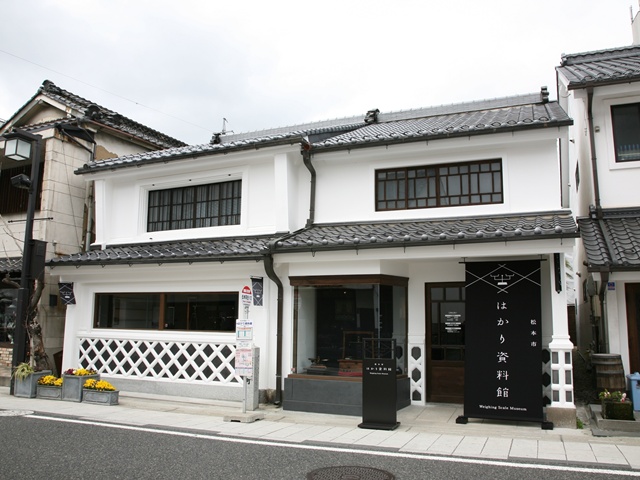
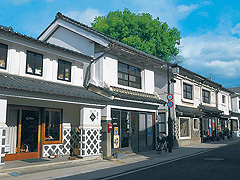
It is located in the middle of Nakamachi, the town where the storehouse is located, and the museum is built by the Tozo-style building, which revives the era of the nostalgic Showa era. The predecessor of the Matsumoto City Hakari Museum was the Takeuchi Watari store, which continued to operate from 1902 to 1986. The materials and buildings were taken over by the city of Matsumoto, and the building was opened in the first year of the year (1989) as the Hakurinen Museum. It contains "measure", "measure" and "weigh" tools and about 1300 related materials. There are also highlights of the Namako-walled Tozo in the courtyard, and the former Mimatsuya Kurazashiki, which is built in the style of the two houses.
Matsumoto City Clock Museum

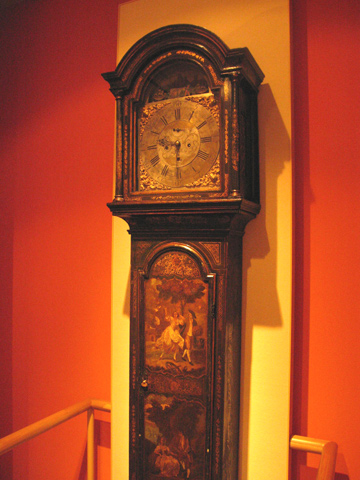
A museum that collects old Japanese and Western clocks, from pocket watches to column watches. It is characterized by the display as moving as possible, and contains about 800 items, including a collection donated to the city of Matsumoto by the late Mr. Shinzō Honda. Record concerts using a gramophone are also held on Saturdays, Sundays and holidays. Take 30 minutes.

National Treasure Matsumoto Castle Iron Gun

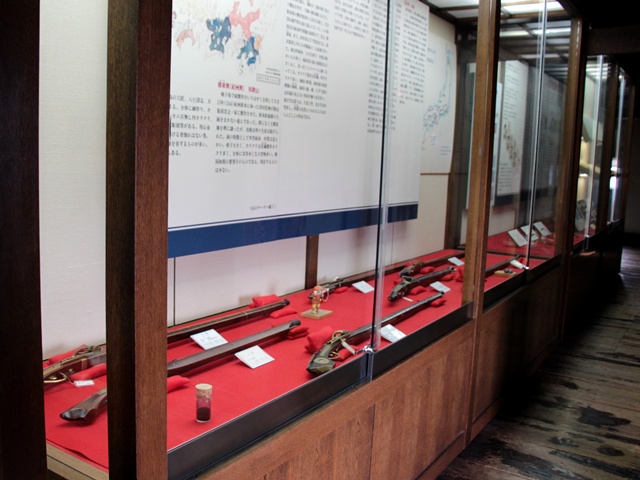
A material display of the iron gun on the second floor of the main tower of Matsumoto Castle. It exhibits about 140 historically important guns and some of the 280 weapons, mainly artefacts made in Japan during the Edo period. I would like to tour it together with the rectangular arrow narrow [yazama] set up in the castle tower and the wall, and the square gun narrow.

Agata no Mori Park

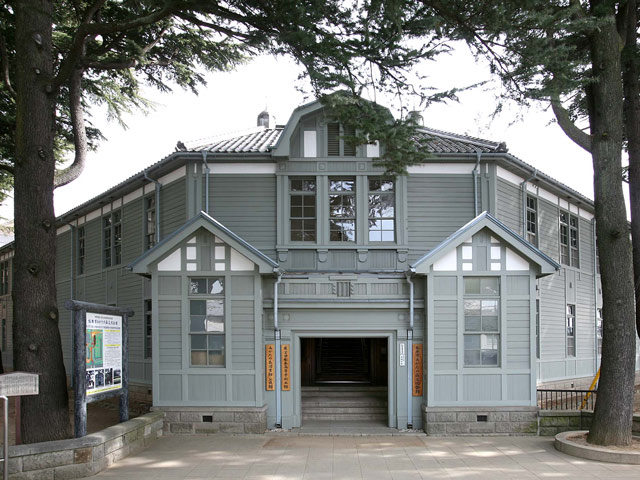
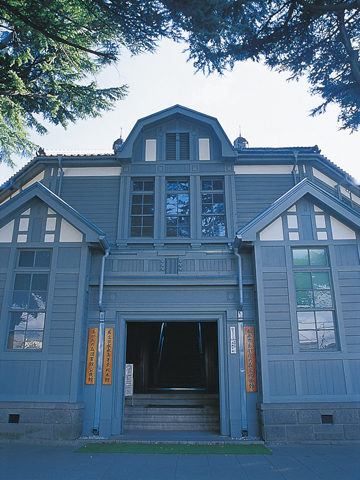
The park used the site of the former Matsumoto High School. The Japanese garden centered on a tree-lined Himalayan cedar planted in 1919 and a pond is attractive. The school building with wooden Western-style architecture from the Taishō period is preserved and used as the "Agatinomori Cultural Hall". As you continue on Agatinomori-dori, which extends east from the station square, you will hit a park where a pale blue school building wrapped in Himalayan cedar stands.

Nakamachi Street

The storehouse of the Namako wall, which is a historic building, is rearranged, and there are many folk craft shops with good sense, and there is a cultural hall with a sweet shop and a rare scale museum. Because the electric wire is buried underground, it retains the traditional and scenic streets that were bustling as a restaurant street along the highway, such as sake brewing, kimono, salt and appetizers, and is perfect for a walk. Guide maps are distributed in various parts of the shopping district.

Frog Daimyojin

The frog, which once inhabited the Ongoba River, and the mascot of Nawate Street, where the shopping street is vibrantly painted. The frog Daimyojin stands in the middle of the street, and there are also humorous frog stone statues and frog shooting signs.

Shigenbun Former Matsumoto High School (Agatinomori Cultural Hall)

The old school was installed in 1919 (1919) and became familiar under the name of "Matsutaka". With a school style of free swagger, a lot of human resources active in various fields fleshed. With the school system reform in 1950, over 5,000 human resources were produced until the old high school system was abolished. In the literary world, Junzo Karaki, Kenzo Nakajima, Yoshimi Usui and Kunio Tsuji are also graduates. His Matsutaka period is depicted in "Dokutoku Munbow Seishunji" by Morio Kita. The main building and auditorium are open to the public as the Agatanomori Cultural Hall, and tours of the Restoration Principal's office and classrooms are free. The former Senior High School Memorial Hall is adjacent (310 yen for adults).

National Treasure Former Kaichi School School Building

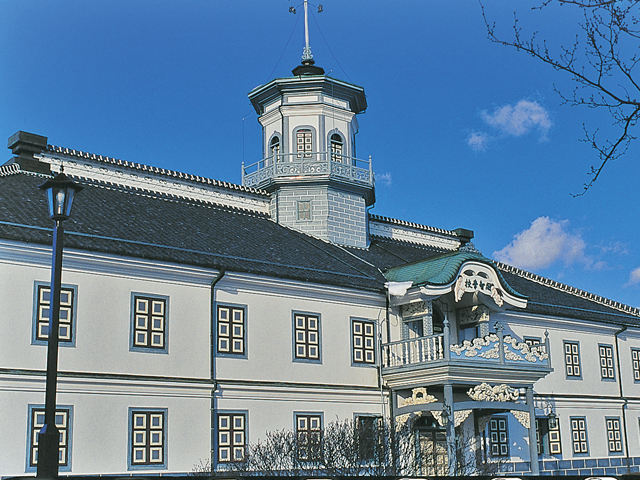
It was built in 1876 by a local carpenter, Kiyoshige Tateishi. The two-story building, with a tile roof, is a tawō-style building with a white stucco exterior wall and an octagonal tower house topped by a tautake-style entryway. The windows used plenty of imported glass and were called the "Giyaman School". After being used until 1963, the main building was relocated to the current location. It is restored to what it was at the time of the new construction, and the building materials, textbooks and other items from the time can be seen in the museum. Tour duration 40 minutes.

National Treasure Matsumoto Castle Castle

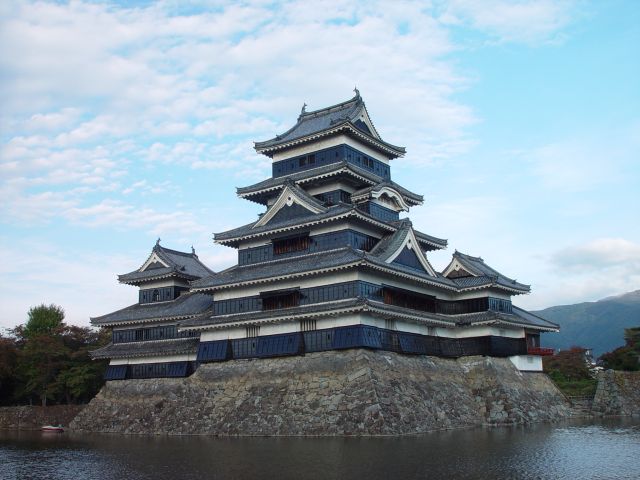
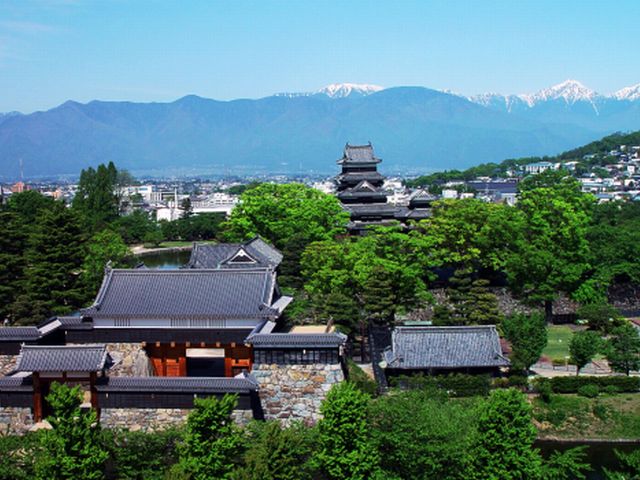
The castle tower of "National Treasure Matsumoto Castle". The main tower (national treasure) on the 5th and 6th floors is connected by Watari-yagura (national treasure) to connect Inui-kotenshu (national treasure), and Tatsumi-tsuki-tsutsutsutsukiyagura (national treasure) unique beautiful structure compounded. It is a valuable castle tower that still exists at the time of its founding. The exterior walls are white-plastered with black-lacquered clapboards, with few windows. When you enter the interior, the stairs that connect each floor are steep and the kick-up is high, indicating the readiness for combat rather than the habitability. From the top floor, you can see the Mikahara Kogen, Azumadaira and the Northern Alps.

National Treasure Matsumoto Castle Taiko Gate

The main gate of the Matsumoto Castle Ninomaru, which was built around the time of the castle tower. Only the stone wall had been left since it was demolished in 1871, but it was restored in March 1999. It was called Taikomen because it consisted of Ichinomen ([yagura]-gate) and Ninomen (korai [korai]-gate), and had a taikomen on the top of the gate stone wall to inform the time or the castle. They hold special public display of the premises three times a year.

Contact Us: Business & Personal Inquiries

By proceeding, you agree to our Terms of Use And confirm you have read our Privacy Policy .

Notes

· We are available for inquiries 24 hours a day. Responses will be provided between 9:00 and 18:00 (including weekends, public holidays, and year-end/New Year holidays).
· Depending on the nature of your inquiry, it may take some time for us to respond.