Archives: Travel Post

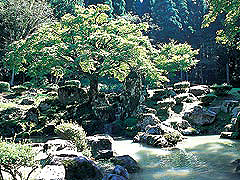
Suwa-kan site garden

The magnificent garden with megaliths is the largest in scale of the archaeological site, at the site of a concubine of the fifth generation Yoshikage, the small shōshōshōshōshōshōshōshō, which was built during the Muromachi period and has not undergone alteration in later life (special name).

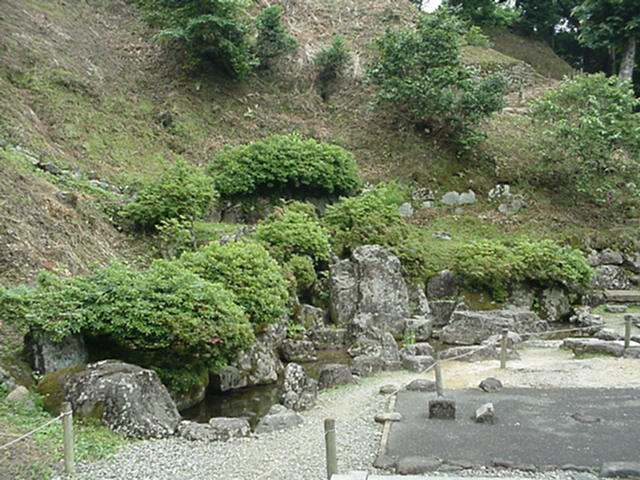
Asakura-kan ruins garden

A small garden to the south within the site of the Asakura-kan; a cluster of houses, which were places of customer service, was arranged around the garden; and a garden made during the Muromachi period and not subject to alteration by posterity (special Meishatsu).

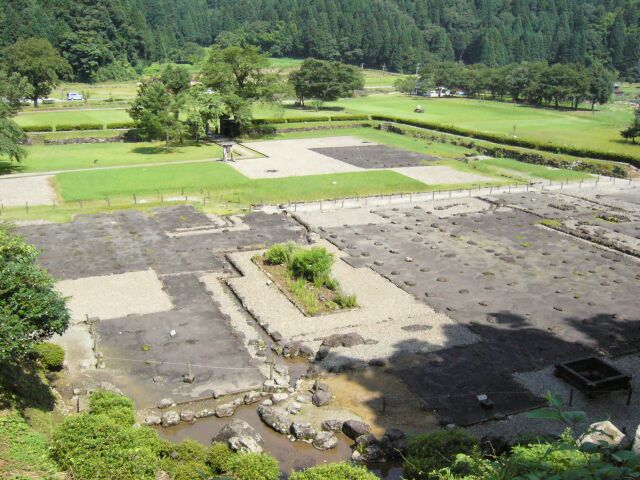
The site of Asakura-kan

The site of the hall where the fifth generation Yoshikage Asakura lived. It can be seen that there were 16 buildings, with a foundation stone spread all over the 6400-square-meter site. The temple gate at the entrance is the temple gate of Songyun-in, which was erected in the third year of Gyeongsang (1598) to mourn the Bodhisattva of Yingjing. The current gate was built in the mid-Edo period.

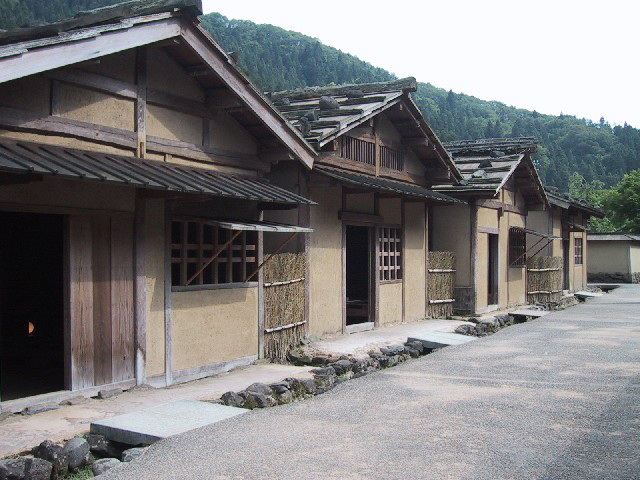
Ichijōdani Asakura Site Fotohara Town

It is located within the ruins of Ichijōdani Asakura, and the excavated samurai residences and machiya are three-dimensional restored to see the construction of the castle town at that time and the life of people.

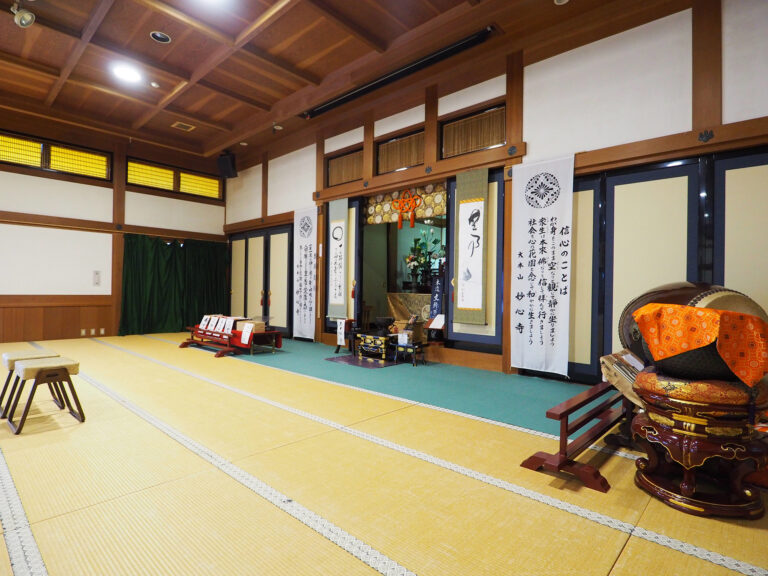
Daian Zen Temple

The Matsudaira family's bodhi-ji temple was built in the first year of Manji (1658) by the fourth Fukui feudal lord, Matsudaira Mitsuru. The entire area of the building is designated as a National Important Cultural Property. There are also many temple treasures. At the back of the main hall, there is a graveyard of successive feudal lords called Sōjashiki, which is made up of 1360 sheets of Shikotani stone (Shakudanishi), and the four-meter-high gravestones are a masterpiece. There is also a zazen course where you can feel free to participate, and a genuine dish using seasonal ingredients. Both need a reservation.

Firefly in the squared valley

Upstream of the Ichijo River, known as the habitat of the Genge fireflies. In particular, the area near Shimokido is called Firefly Village, and in early summer, you can see a fantastic scene where the soft light of fireflies flutters in the dark. At one point it was on the verge of extinction, but the efforts of the local people succeeded in breeding fireflies. The figure of fireflies dancing while turning on a faint light in the darkness has become the early summer wind poem of Ichijodani. The look is from mid to late June.

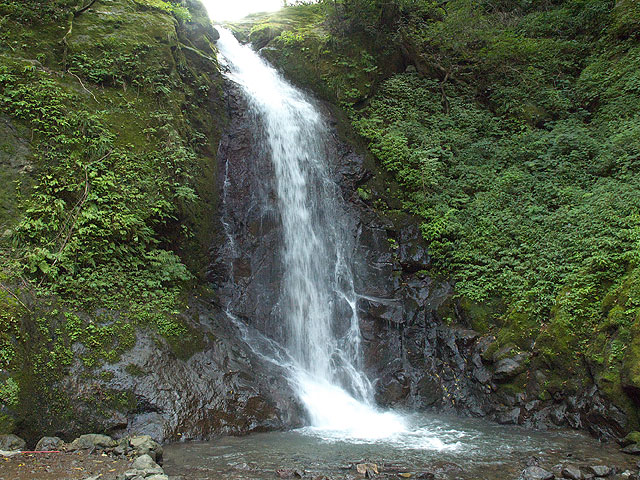
Ichijo Waterfall

At a waterfall in the upper reaches of the Ichijo River, it is reported that Kojiro Sasaki has knitted a secret technique, a brim return. It is very cool to see a waterfall with a 12m head flow down a green ravine.

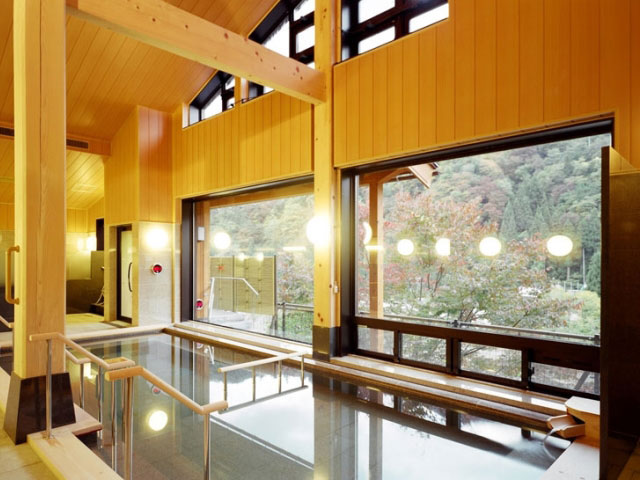
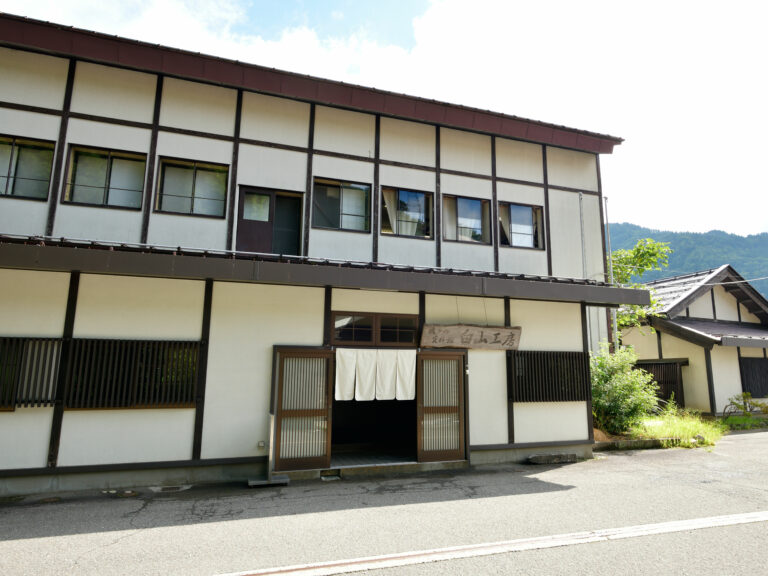
Shiramine Onsen Sohu

The Baifeng area is rich in nature with views of the Baifeng Baishan. It is a natural hot spring 100% sodium-bicarbonate hot spring, and it is a beautiful hot water that produces a rare and rich silk skin in the whole country. As appropriate for the National Designated Important Traditional Buildings Preservation District, it is a heavy construction using local building materials, with the best view from large windows and open-air baths. There is also a sauna.

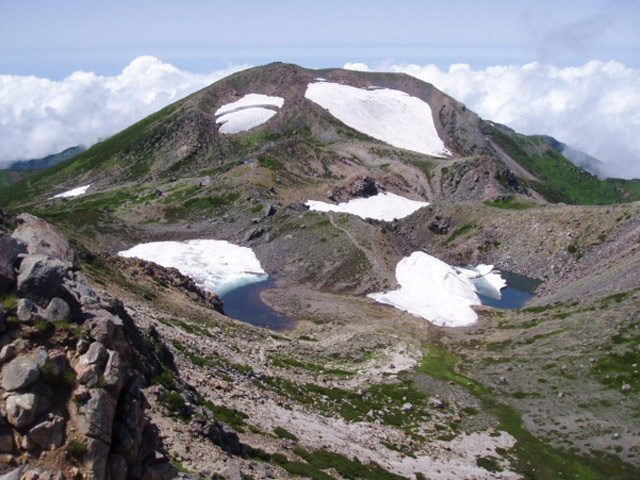
Mountain Mountain Trekking

Backed with dazzling perpetual snow, Hakusan is a natural treasure trove known as a habitat for abundant flora and fauna. The peak opening period is from May 1 to October 15, but general climbers recommend the summer mountain season from the second half of July to the end of August when the weather is stable. There are many climbing entrants, but it is better to climb from a separate bus that can be used by a route bus to the nearest of Murododaira, the center of climbing. At an altitude of 2448m, Murododaira had a small room since the Kansei period (1789-1801), and now the Murodou Visitor Center, a dormitory, a clinic, and a post office are also installed. It takes about 6km and takes 4 hours to get to Murododaira from Japan.

Museum of weaving Hakusan Kobo

It is said that the fallen people of Genji, who had been broken by the Heiji Rebellion of the first year of the first year of the Heiji era (1159), passed on to the villagers, is a textile known as Ushibuke, which is transmitted to the Shiramine district. Here, from where the yarn is spun from the cocoon, the twine, the dyeing, the spinning, and the weaving and the series of work can be toured. The use of a tamamayu containing two silkworms is a special feature of the cow-necked tow, and the technique of drawing a thread from the tamakoon is very unusual, and the technique is also designated as Ishikawa Prefecture's designated intangible cultural property.

Contact Us: Business & Personal Inquiries

By proceeding, you agree to our Terms of Use And confirm you have read our Privacy Policy .

Notes

· We are available for inquiries 24 hours a day. Responses will be provided between 9:00 and 18:00 (including weekends, public holidays, and year-end/New Year holidays).
· Depending on the nature of your inquiry, it may take some time for us to respond.

RURUBU & ALL WAY JAPAN
Privacy Overview

This website uses cookies so that we can provide you with the best user experience possible. Cookie information is stored in your browser and performs functions such as recognising you when you return to our website and helping our team to understand which sections of the website you find most interesting and useful.