 English
  Japanese
  Chinese (China)
  Chinese (Taiwan)
  Korean
 Road Station Sakura Pass
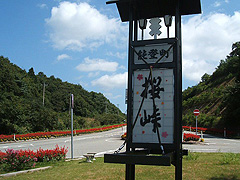
An at-home station full of Oku Noto's famous births. The recommended souvenir is blueberry jam. Cookies made by local high school students, fig jam and miso are also popular.

An at-home station full of Oku Noto's famous births. The recommended souvenir is blueberry jam. Cookies made by local high school students, fig jam and miso are also popular.
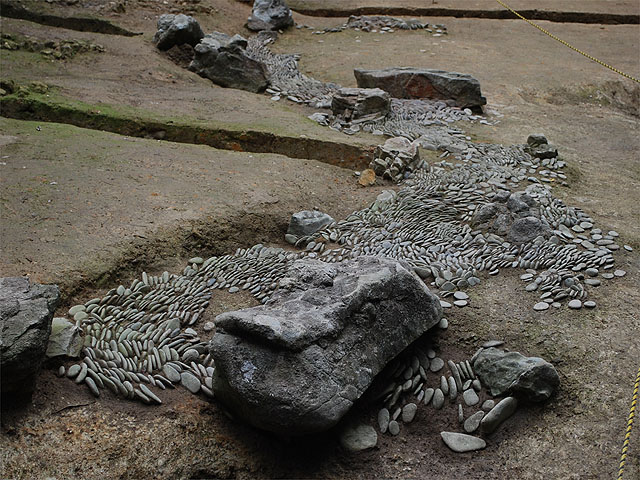
An information house that provides a commentary on the roots of Mr. Hatakeyama, who ruled the Matsunami area a long time ago, and the Matsunami Castle; the building is a renovation of the former Tonoto Railway Matsunami Station.
There is also a vast park, where 70% of the site is a natural forest, including the star observation hall "Mantensei" (planetarium 550 yen).
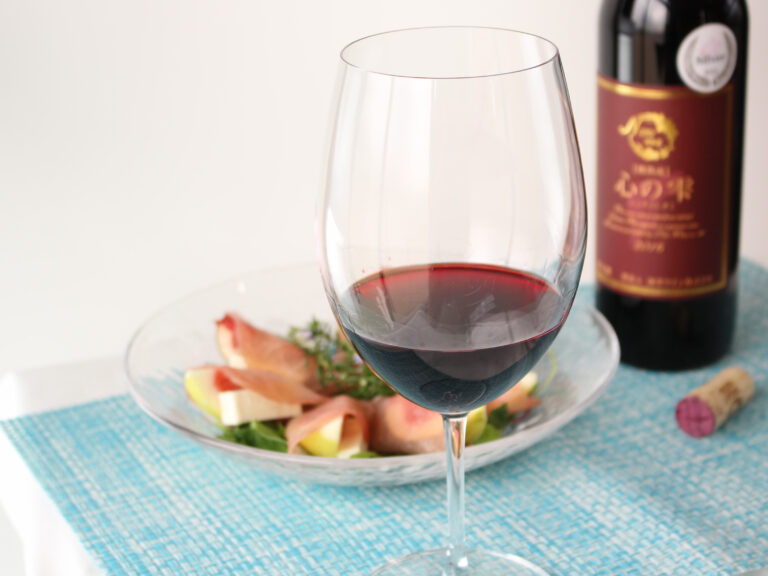
A winery that brews raw wine from Noto grapes. One of the most popular tourist spots in the prefecture where you can visit and wine tasting for free. The rich aroma and mellow taste that the climate climate of Noto has been attracting attention from all over the country, including a high reputation in the competition.
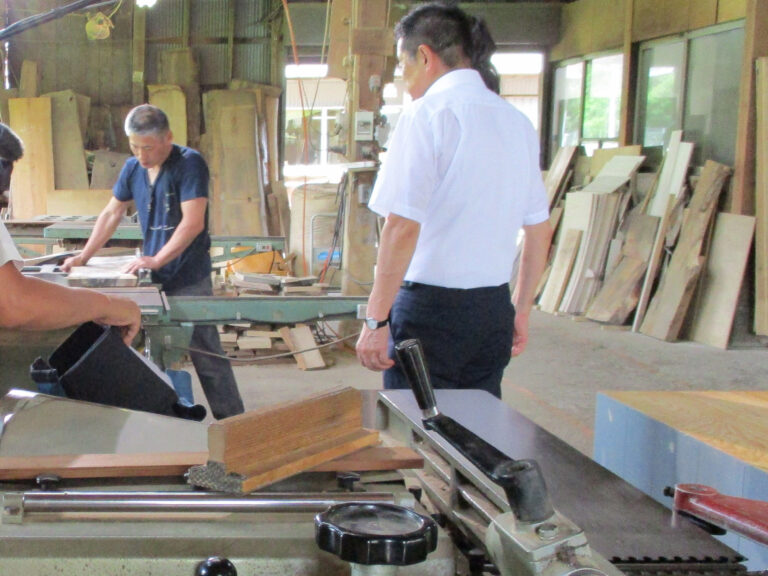
The manufacturer, which puts in go stones, accounts for more than half of the national share in the production of gosu [goke]. At the sales corner, you can get woodworking products using kelkova, chestnuts, mulberry, etc. Princess Tance (one step) 8800 yen (tax included), a little convenient box 11,000 yen (tax included).
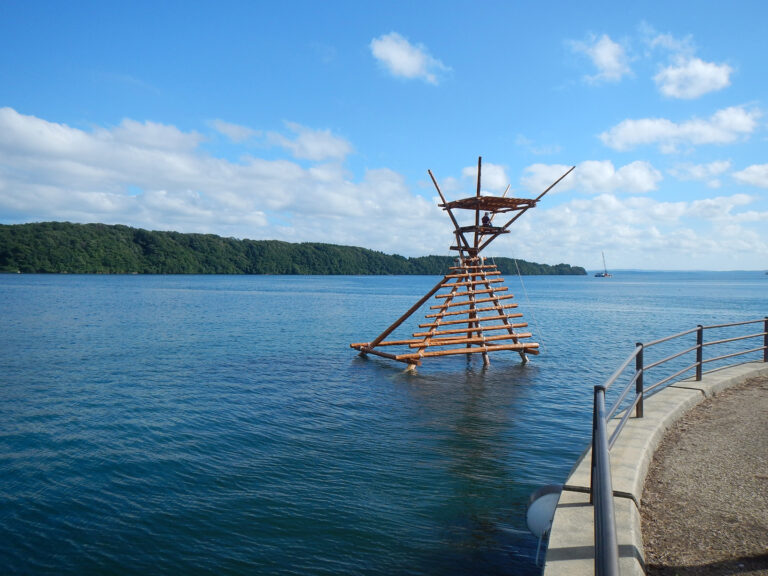
A fishing yagura that combines four logs at sea into a square pyramid on top of which a person sits. It is called a mullet waiting or a waggle because of the fishing method of waiting for a group of mullets to enter a net planted in the sea. At its peak, there were more than 40 tower sets in the town. The last time in the autumn of 1996, there were no fishermen performing this fishing method, but fishing resumed in the autumn of 2012. Currently, you can see mullet waiting and gura at three locations: Negi and Nakai's Pocket Park, and Shido Road.
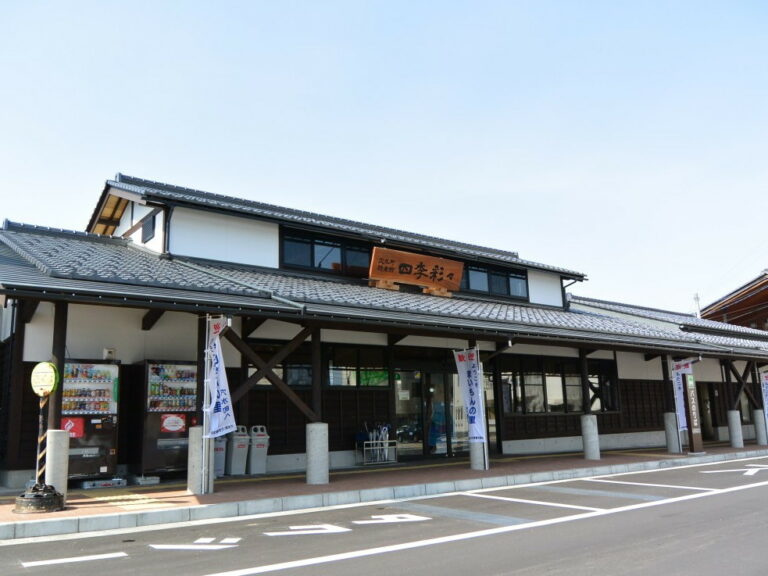
Roadside station attached to Anamizu Station, the last station of Noto Railway. Adjacent to the station building, the "Anamizu Specishokan Shiki-Saisai" has a large selection of items from all over Noto, from specialty items such as "Noto no Shio" and dried fish, to crafts such as Suzu ware and Wajima-kōi. There is also a support goods corner and railway goods for Endo Seki, a wrestler from Nakai, Anamizu-cho. Information corners of tourist attractions such as "Bora-machi yagura" and "Noto Daibutsu" in the surrounding area are also enriched.
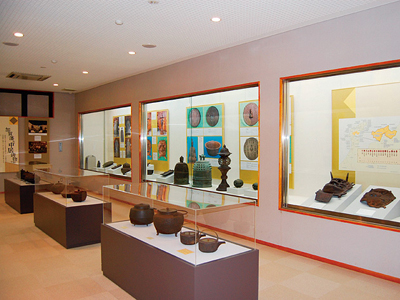
In Noto, where the technology of the continent's casting has been transmitted since ancient times, castings were made during the Heian period. The Nakai area of Anamizu-cho, which produced the raw material hematite and iron sand, as well as sand suitable for the mold, was also known as a place for castings until the end of the Taisho era. This is the museum. It displays cast cauldron and demon masks, fishing lanterns and brahma bells, as well as ancient documents and models of casting work. It takes 15 minutes.
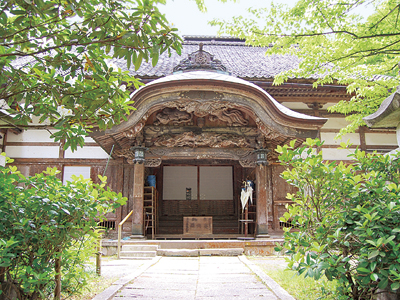
The ancient temple of the Shingon sect, erected by Emperor Saga in the 5th year of Hongjin (814), and the beauty of the garden, which is over 600 years old, and the garden, which was created 700 years ago, is stunning. The garden is designated as the prefecture's Meishatsu.
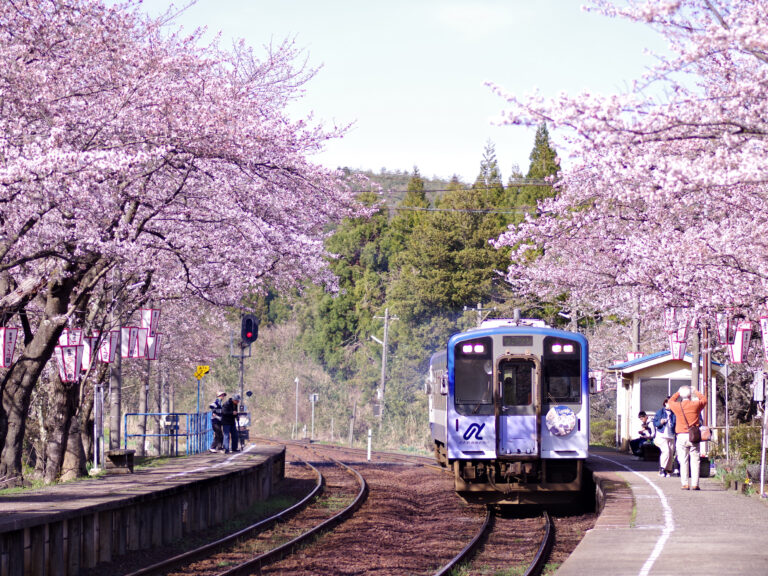
In spring, large trees of cherry trees stretch their branches along the home at the time of flowering, making it look like a tunnel of cherry trees, which are about 80 years old.